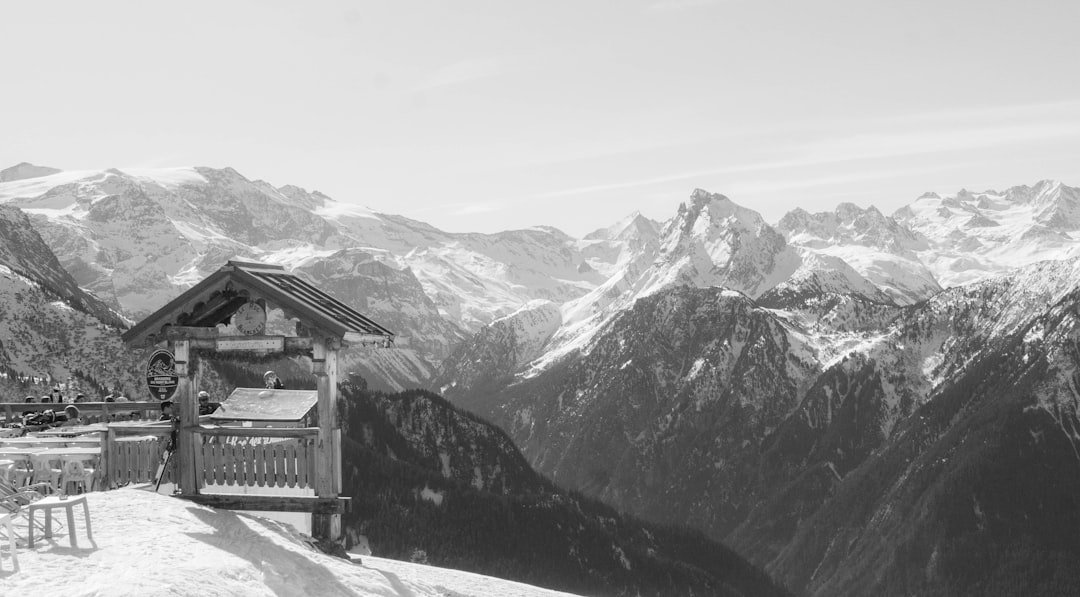
Raclette is one of the foods most closely associated with Valais, and tasting it in its home region is very different from simply melting sliced cheese at home. Here, you can try Raclette du Valais AOP from individual valleys and dairies, watch a half-wheel melt beside a heat source, pair it with local wine, and compare cheeses whose aromas change with their place of production and maturation.
Quick Answer
For an authentic raclette experience in Valais, look for Raclette du Valais AOP and restaurants that specialize in regional cheese. Château de Villa in Sierre, Au Vieux Valais in Sion, Whymper Stube in Zermatt, Raclett’House in Bruson, and Ô Fondue Caquelon in Riddes are strong verified options.
Key Takeaways
- Melted cheese was documented in Valais in 1574, while the name “raclette,” from the French verb racler or “to scrape,” was officially used in the 19th century.
- Raclette du Valais AOP is a protected raw-cow’s-milk cheese produced under detailed regional rules.
- Some of the most useful verified places to try raclette are in Sierre, Sion, Zermatt, Bruson and Riddes.
- Traditional accompaniments are simple: potatoes, cornichons and small pickled onions, with Valais wine such as Fendant being a classic pairing.
- Raclette is not just a winter food in Valais. You can find cheese experiences, restaurants and events in both warm and cold seasons.
Raclette’s History in Valais
Raclette has deep roots in Valais, but the commonly repeated claim that the modern dish can be firmly dated to the 13th century goes beyond the historical evidence used by the official Raclette du Valais organization. According to the Interprofession Raclette du Valais AOP, melted cheese was already known in Valais in 1574.
The name “raclette” comes from the French verb racler, meaning “to scrape,” describing the traditional motion of scraping the melted surface of a heated half-wheel onto a plate.
The same official history says the dish received the name raclette in 1874. Before modern tabletop appliances, cheese could be heated beside a wood fire and scraped as its exposed face softened. That direct, practical preparation remains an important part of the traditional Valais raclette experience.
Over time, raclette moved far beyond an alpine meal and became a social dish served in homes, restaurants, mountain huts and celebrations. Modern electric raclette ovens make it easy to serve at the table, but in Valais you can still see the more traditional half-wheel method in restaurants and at special events.
What Makes Raclette du Valais AOP Special?
The most important distinction for visitors is between generic raclette cheese and Raclette du Valais AOP. AOP, or protected designation of origin, ties the protected product to its geographical origin and production specification.
Under the official Swiss AOP/IGP system, the protected name may be used only when the cheese complies with the relevant specification. For Raclette du Valais AOP, the production of the milk, cheesemaking and maturation are closely tied to Valais, with a specific exception defined for one named alpine pasture in the official specification.
Raclette du Valais AOP is made from raw cow’s milk. The official production process allows water, salt, rennet and specified dairy and rind cultures alongside the milk. After the curd is formed, pressed and salted, standard Raclette du Valais AOP is matured for at least three months under controlled conditions.
Note: “Raclette” can describe both the melted-cheese dish and cheeses designed for melting. “Raclette du Valais AOP” is the protected Valais product with specific origin and production requirements.
The Best Places to Enjoy Raclette in Valais
The best choice depends on whether you want a dedicated cheese tasting, a historic setting, a mountain atmosphere or an easy restaurant meal. These establishments are listed by official regional tourism organizations and currently advertise raclette.
| Place | Area | Why Go |
| Château de Villa | Sierre | Excellent for comparing cheeses from different parts of Valais and pairing them with regional wines. |
| Au Vieux Valais | Sion | A traditional Old Town option that serves raclette and offers a three-cheese version. |
| Whymper Stube | Zermatt | A central Zermatt restaurant focused on traditional Swiss dishes, including raclette and fondue. |
| Raclett’House | Bruson | A cheese-focused mountain restaurant in the Val de Bagnes, a region strongly associated with raclette. |
| Ô Fondue Caquelon | Riddes | A specialist in cheese dishes, with traditional and more unusual raclette preparations. |
Château de Villa in Sierre
Château de Villa is one of the strongest choices for travelers who want to understand how much raclette can vary from one producer or area to another. Valais Tourism describes the historic property as a destination devoted to raclette and regional wine, and raclette is listed as a daily specialty.
A Valais Tourism food-and-wine itinerary also describes a tasting of five different raclette cheeses at the château. That makes it particularly useful if you want more than a single serving and would like to compare subtle differences in saltiness, creaminess and aroma.
Au Vieux Valais in Sion
For raclette in the cantonal capital, Au Vieux Valais is a verified option in Sion’s Old Town. Its official tourism listing highlights raclette and describes a three-cheese version, giving visitors a convenient tasting experience without leaving the city.
Whymper Stube in Zermatt
Zermatt offers countless opportunities to combine mountain scenery with Swiss food. Whymper Stube, in the heart of the village, lists raclette among its traditional Swiss specialties and pairs regional dishes with Valais wines and spirits.
Zermatt also has other restaurants that serve raclette, and some mountain establishments offer it only at particular times or on request. If raclette is the main reason for your meal, checking the current menu and booking ahead is wise.
Raclett’House in Bruson
Raclett’House in Bruson is particularly appealing for travelers exploring the Val de Bagnes. Its official listing describes it as a raclette and fondue destination and currently lists raclette as a daily specialty.
Ô Fondue Caquelon in Riddes
Ô Fondue Caquelon specializes in cheese-based dishes and serves both traditional and less conventional versions of raclette. It is a useful choice if you want to see how a restaurant can build on the basic potato-cheese-pickle formula without losing its Valais identity.
Pro Tip: If you have time for only one dedicated raclette tasting, choose a place where you can compare several cheeses rather than ordering one anonymous “raclette cheese.” Regional differences are part of the experience.
The Art of Raclette Making
Raclette du Valais AOP begins with raw cow’s milk. According to the official Raclette du Valais production guide, fresh milk is checked at the dairy, gently warmed and combined with rennet and dairy cultures so that it coagulates.
The cheesemaker cuts the curd to separate it from the whey, then continues heating and stirring it until it reaches the desired condition. The curd is placed in molds and pressed. During pressing, the wheels are turned and receive traceability markings that identify their production origin and date.
The wheels are then salted, either through brining or the approved surface-salting process, before maturation begins. Standard Raclette du Valais AOP is aged for at least three months. During maturation, the wheels are cared for, turned and brushed so the rind and interior develop properly.
The alpine landscape still matters, but not because cheesemaking cultures simply “come from the pasture.” The cows’ feed and local milk production contribute to the raw material, while controlled cheesemaking cultures, maturation conditions and the work of the cheesemaker shape the finished cheese.
How Traditional Raclette Is Served
Traditional raclette is made by exposing the cut face of a half-wheel to heat. When the surface becomes soft and glossy, the melted layer is scraped onto the plate. The process is repeated serving by serving, which is why a traditional raclette meal naturally develops at a relaxed pace.
At home, a tabletop raclette appliance is more common. Individual slices are melted in small pans, allowing each person to cook a portion when ready. It is convenient and social, although the presentation differs from the traditional half-wheel method.
Pairing Raclette with the Perfect Wine
Raclette is rich, salty and creamy, so a fresh wine can keep the meal from feeling heavy. For a distinctly Valais experience, start with local wine rather than automatically reaching for an international Chardonnay or Merlot.
| Drink | Why It Works |
| Fendant | A classic local white-wine choice whose freshness suits melted cheese and traditional accompaniments. |
| Gamay | A lighter red option when you prefer red wine without overwhelming the cheese. |
| Heida or another dry Valais white | A useful alternative if you want to explore more of the region’s white wines. |
| Dry cider or sparkling water | Freshness and carbonation can provide contrast if wine is not your preference. |
Valais Tourism specifically presents Fendant alongside traditional regional food, and an official Valais raclette recipe recommends Fendant or Gamay. Personal preference still matters, so there is no need to treat any pairing as a rigid rule.
Different Types of Raclette Cheese
The word “raclette” is used more broadly than the protected name Raclette du Valais AOP. Keeping those terms separate makes shopping and ordering much easier.
Raclette du Valais AOP
This is the protected Valais cheese described above: a raw-cow’s-milk cheese made under the AOP specification. The origin markings and traceability system help identify where a wheel was produced.
Raclette de Savoie
Raclette de Savoie comes from France and belongs to a different geographical and production tradition. It can perform a similar role at the table, but it is not Raclette du Valais AOP and should not be presented as a subtype of the protected Swiss cheese.
Sheep-Milk and Other Raclette-Style Cheeses
Some cheesemakers produce raclette-style cheeses from sheep’s milk or create flavored versions with herbs, pepper or other ingredients. These can be enjoyable alternatives, but they are different products rather than varieties of Raclette du Valais AOP.
The distinction also applies to pasteurized cheeses sold for tabletop raclette. They may melt well and be convenient, but the protected Raclette du Valais AOP specification requires raw cow’s milk.
Traditional Raclette Accompaniments
Classic Valais raclette does not need a crowded plate. The usual accompaniments allow the cheese to remain the focus:
- Boiled potatoes, often served in their skins
- Cornichons or small pickled cucumbers
- Small pickled onions
- Freshly ground pepper, if desired
Cured meats and Valais rye bread may appear as part of a broader regional meal, but they do not need to sit underneath every serving of melted cheese. If you are tasting several different cheeses, keeping the accompaniments simple makes their individual flavors easier to notice.
Raclette Festivals and Events in Valais

Raclette is celebrated throughout Valais at food events, alpine gatherings and festivals. Rather than relying on a generic annual “Fête de la Raclette,” check named events for the year you plan to visit.
Bagnes Capitale de la Raclette
For 2026, Bagnes Capitale de la Raclette is scheduled for September 26–27, 2026 in Le Châble. The official tourism listing says visitors can sample more than a dozen cheeses, with raclette, live music and traditional festivities forming part of the weekend.
It is particularly appealing if your goal is to compare cheese from several producers in one trip rather than ordering the same restaurant cheese repeatedly.
Rocklette
Val de Bagnes also hosts Rocklette, an alpine rock-music event that combines concerts with raclette. Its locations can vary, and some sites are reached by public transport, gondola, bike or on foot rather than by private car.
Note: Event dates, restaurant opening days and seasonal mountain access can change. Check the official organizer or destination page shortly before traveling.
Raclette and Cheese Experiences Beyond Restaurants
You do not have to limit a Valais cheese trip to restaurant meals. Valais Tourism’s raclette and cheese experiences include cheesemaking demonstrations, dairy visits and alpine activities in several parts of the canton.
These experiences are useful if you want to understand how the milk becomes cheese, see where alpine products are made, or connect a restaurant tasting with the landscape behind the food.
For example, Valais Tourism lists a raclette cheesemaking demonstration in Turtmann, along with other cheese experiences in areas such as Riederalp, Verbier, Nendaz, Veysonnaz, Hérémence, Thyon and Evolène.
Raclette Recipes to Try at Home
You can recreate much of the social side of raclette at home with either a tabletop raclette grill or a half-wheel heater. Choose a cheese designed to melt smoothly, boil small potatoes, and set out cornichons and pickled onions before everyone sits down.
Classic Tabletop Raclette
- Boil small potatoes until tender and keep them warm.
- Arrange cornichons, pickled onions and any optional vegetables or cured meats on serving plates.
- Cut the raclette cheese into slices that fit your appliance’s small pans.
- Melt each portion until the cheese is bubbling and soft.
- Pour or scrape it over a warm potato and eat it promptly before preparing the next serving.
Seasonal vegetables can broaden the meal without replacing the classic accompaniments. Mushrooms, zucchini and bell peppers work well when cooked before or alongside the cheese.
You can also build a raclette-inspired spread around bread, vegetables and melted cheese. This is different from a traditional Valais serving, but it gives you room to experiment at home.
If you want to expand your home cheese-making repertoire as well, the existing guide to delicious homemade cottage cheese provides a different, fresh-cheese project. Cottage cheese and Raclette du Valais are very different styles of cheese, so making both is also a useful way to see how widely cheesemaking methods can vary.
Tips for Hosting a Raclette Party
A raclette party works best when preparation is simple and guests can concentrate on eating one hot serving at a time.
- Prepare the potatoes first: Keep them warm so the melted cheese does not land on a cold base.
- Do not overload the table: Cornichons, pickled onions, a few vegetables and optional cured meats are enough.
- Give the grill room: Place the raclette appliance where every guest can reach it safely without stretching across drinks or plates.
- Slice cheese before guests arrive: This keeps the meal moving once everyone begins cooking.
- Offer a local-style wine option: Fendant is an easy choice if you want to connect the home meal to Valais tradition.
- Keep eating plates warm if possible: Raclette is at its best immediately after melting.
Warning: Raclette appliances and half-wheel heaters become very hot. Keep electrical cords, children’s hands and flammable table decorations away from heating elements, and follow the appliance manufacturer’s instructions.
The most important part of a raclette party is the pace. Guests melt, scrape, eat and repeat rather than receiving one large finished plate. That slower rhythm is what makes raclette naturally communal without needing elaborate entertainment or decorations.
Frequently Asked Questions
What is raclette?
Raclette is both a style of melting cheese and the name used for cheeses made for that purpose. In the traditional Valais preparation, the face of a half-wheel is heated and the softened layer is scraped onto a plate, usually with potatoes, cornichons and pickled onions.
What is Valais known for in terms of raclette?
Valais is the home of Raclette du Valais AOP, a protected raw-cow’s-milk cheese made under detailed origin and production requirements. The canton also has restaurants, dairies, alpine experiences and festivals centered on raclette.
What makes Raclette du Valais AOP special?
Its AOP designation protects its origin and production method. It is made from raw cow’s milk under a defined specification, carries traceability markings, and the standard Raclette du Valais AOP cheese is matured for at least three months.
Where can I find some of the best raclette in Valais?
Verified options include Château de Villa in Sierre, Au Vieux Valais in Sion, Whymper Stube in Zermatt, Raclett’House in Bruson and Ô Fondue Caquelon in Riddes. Check current opening information and whether reservations are recommended before traveling.
What are the traditional accompaniments for raclette?
The classic accompaniments are boiled potatoes, cornichons and small pickled onions. Cured meats, rye bread and vegetables may also be served as part of a larger meal.
Is raclette only eaten in winter?
No. Raclette is strongly associated with cold mountain evenings, but it is enjoyed in Valais in both winter and summer. Some alpine cheese experiences are especially attractive during the warmer grazing season.
What wine goes best with raclette?
Fendant is a classic Valais choice. Gamay can work if you prefer a lighter red, while other dry Valais whites such as Heida can also make enjoyable pairings. The goal is freshness rather than a heavy wine that overwhelms the cheese.
Is every raclette cheese Raclette du Valais AOP?
No. Many cheeses are produced for raclette-style melting. Raclette du Valais AOP is a specific protected product from Valais made according to its AOP rules. Raclette de Savoie, sheep-milk raclette and pasteurized raclette-style cheeses are different products.
Sources
- Interprofession Raclette du Valais AOP: History and Origin — history of melted cheese in Valais and origin of the raclette name.
- Interprofession Raclette du Valais AOP: Production — raw milk, cheesemaking, traceability and maturation process.
- Swiss Federal Office for Agriculture: AOP/IGP — protected designation framework and Raclette du Valais registration.
- Valais/Wallis Tourism: Raclette and Cheese Experiences — current regional tasting, dairy and cheesemaking experiences.
- Valais/Wallis Tourism: Restaurants Saveurs du Valais — current regional restaurant listings and raclette specialties.
- Verbier – Val de Bagnes Tourism: Bagnes Capitale de la Raclette — official 2026 event dates and program.