Quick Answer
If you’re buying a Swiss watch in Switzerland, start with a brand boutique or authorized retailer in Geneva or Zurich, compare the exact reference and warranty, and calculate the net cost after VAT and any home-country import taxes. Tourists domiciled outside Switzerland may qualify for tax-free treatment on purchases of at least CHF 300 if export conditions are met.
Last checked: October 1, 2026. Dates and figures were verified against official sources.
Key Takeaways
- Authorized retailers are the safest starting point for a new luxury watch because they can document authenticity, warranty coverage, and the exact reference.
- “Swiss Made” is a regulated indication of origin, not simply a marketing phrase.
- Switzerland’s normal VAT rate is 8.1%, but the tourist tax-free process has eligibility, purchase-value, export, and documentation requirements.
- Automatic watches are mechanical watches; they use a rotor to wind the mainspring from wrist movement.
- Do not judge authenticity by weight, a sweeping seconds hand, or visible movement decoration alone.
Top Swiss Watch Brands and Their Signature Styles
Swiss watch brands cover everything from durable sports watches to traditional dress watches and highly complicated mechanical pieces. The right brand depends less on prestige than on how you plan to wear the watch, what movement you want, and how much long-term service matters to you.
Rolex: Robust, Recognizable Sports and Classic Watches
Rolex is known for robust Oyster-case watches, including the Submariner, Datejust, GMT-Master II, and Cosmograph Daytona. The Oyster case dates to 1926 and helped establish the brand’s reputation for water-resistant wristwatches.
If you are buying new, use a Rolex boutique or Official Rolex Retailer. Rolex states that its official retail network verifies authenticity and provides the brand’s international guarantee; for example, its Geneva official retailer information explains that new purchases receive a completed guarantee card and a five-year international guarantee.
Patek Philippe: Traditional Finishing and Complications
Patek Philippe is associated with classic dress watches, elegant sports watches, and complicated mechanical watchmaking. Collections such as the Calatrava and Nautilus appeal to different tastes, while the brand’s more complicated pieces are aimed at collectors who value traditional high-end watchmaking.
Availability can vary by model. If you want to buy new, start with the brand’s official Swiss points of sale, which include locations in Geneva, Zurich, Lucerne, Lausanne, Zermatt, Bern, and other Swiss cities.
Other Swiss Brands Worth Comparing
Do not limit your search to the two most famous names. Omega, Longines, Tissot, Tudor, TAG Heuer, Breitling, Oris, Rado, and other Swiss brands cover a much wider range of designs and budgets.
Before choosing a brand, decide whether you want a dress watch, dive watch, chronograph, travel watch, or simple everyday piece. Then compare case size, water resistance, movement type, bracelet or strap comfort, warranty, and local service access.
What “Swiss Made” Means on a Watch
“Swiss Made” is a regulated indication of origin. It does not mean that every individual component is made in Switzerland, but the watch must meet defined Swiss-content and development requirements.
The Swiss Federal Institute of Intellectual Property says at least 60% of the manufacturing costs of the complete watch must be generated in Switzerland. It also sets requirements for the movement and requires the technical development of a “Swiss Made” watch and movement to take place in Switzerland.
That makes the label useful, but it is not an authenticity certificate for a specific watch. A counterfeit can copy dial text and markings, so you still need to verify the seller and the individual timepiece.
The Best Places to Buy Swiss Watches in Switzerland
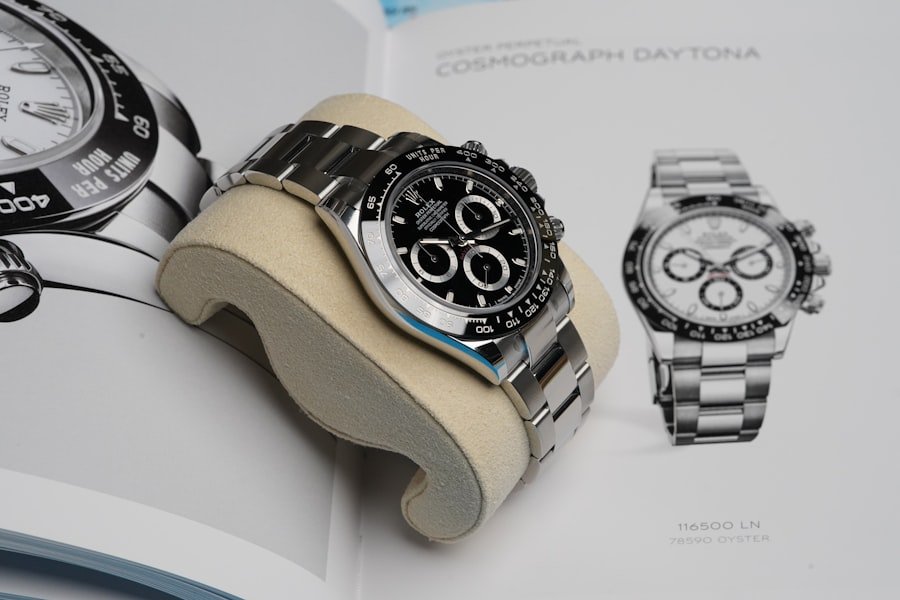
For the broadest luxury selection, Geneva and Zurich are the most practical starting points. Both have brand boutiques and authorized multi-brand retailers, which makes it easier to compare models, warranties, and availability in one trip.
In Geneva, Rue du Rhône and the surrounding central shopping area are closely associated with fine watch retail. Zurich’s Bahnhofstrasse is another major luxury-shopping corridor. Official brand directories are more reliable than old travel lists because authorized status and store locations can change.
Other cities can also work well. Official brand networks show retailers in places such as Lucerne, Lausanne, Bern, Zermatt, Basel, Lugano, and St. Gallen. If your trip also focuses on watchmaking heritage, Biel/Bienne and La Chaux-de-Fonds are important industry centers, although they are not automatically better places to find a discount.
Tips for Negotiating the Best Deal on Swiss Watches
| Tip | Description |
|---|---|
| Research | Compare the exact reference number, official retail price where available, warranty, and what is included with the watch. |
| Authorized Dealers | For a new luxury watch, confirm the seller appears in the brand’s current official retailer directory. |
| Condition | For pre-owned watches, inspect condition, service history, replaced parts, included papers, and the seller’s return policy. |
| Price Comparison | Compare the final cost in your home currency after VAT treatment, card or exchange costs, and any import taxes due at home. |
| Negotiation | Ask politely whether the price, strap, accessories, or other terms are flexible, but expect some brands and high-demand models to have little or no discount. |
Do your comparison before entering the store. The most useful number is not the Swiss sticker price; it is the final amount you will actually pay after tax treatment, currency conversion, payment fees, and any legal import charges in your destination country.
Negotiation depends on the brand, model, seller, and demand. A private seller or pre-owned dealer may have more pricing flexibility than a brand boutique, but the authenticity and warranty risk can also be higher.
Pro Tip: Compare the exact reference number, not just the collection name. Two watches that look similar can differ in metal, movement, bracelet, year, warranty status, and included accessories.
How to Spot a Fake Swiss Watch
The safest way to avoid a fake is to verify the seller before you try to authenticate the watch yourself. Counterfeits can imitate weight, logos, serial numbers, packaging, and even movement decoration, so no single visual trick proves authenticity.
- Start with the seller: for a new luxury watch, confirm that the boutique or retailer is listed by the manufacturer.
- Match the reference: compare the dial, case, bracelet, clasp, movement description, and other features with the manufacturer’s information for that exact reference.
- Check documentation carefully: a warranty card, box, receipt, or serial number helps establish provenance, but paperwork can also be forged.
- For pre-owned watches, ask about replaced parts: a genuine watch can contain later service parts or non-original components that affect collectability and value.
- Use professional authentication for high-value purchases: if the seller is not an authorized retailer, independent inspection or brand service may be worth arranging before the return period ends.
Do not rely on a watch being “heavy,” on the seconds hand appearing to sweep smoothly, or on seeing a decorated movement through a display back. Those cues are too easy to copy and do not apply consistently across legitimate Swiss watches.
Understanding the Different Types of Swiss Watch Movements
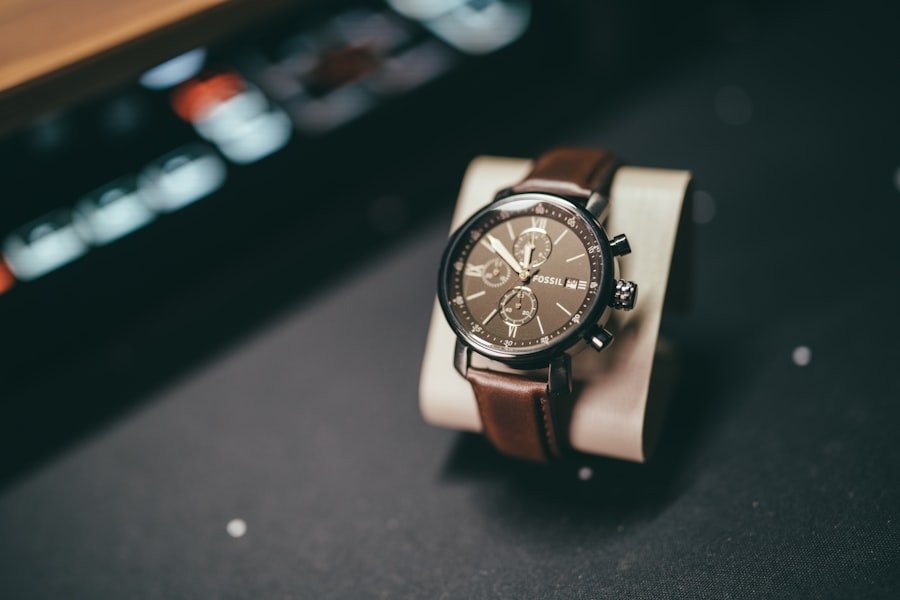
Swiss watches mainly use mechanical or quartz movements. Automatic is not a separate third technology; it is a type of mechanical movement that winds itself through a rotor moved by your wrist.
| Movement | How it is powered | Best for | Main trade-off |
|---|---|---|---|
| Manual mechanical | You wind the mainspring with the crown. | Buyers who enjoy traditional watchmaking and a winding ritual. | Needs regular winding and is generally less accurate than quartz. |
| Automatic mechanical | A rotor uses wrist motion to wind the mainspring. | Daily wearers who want mechanical watchmaking with less manual winding. | Can stop after enough time off the wrist and still needs mechanical servicing. |
| Quartz | A battery powers an electronic circuit regulated by a quartz oscillator. | Buyers who prioritize accuracy, convenience, and lower routine maintenance. | Needs battery or power-system attention and offers a different ownership experience from a mechanical watch. |
The Federation of the Swiss Watch Industry explains that a mechanical watch stores energy in a mainspring, while a quartz watch uses electrical energy and a quartz oscillator. Choose based on how you value craftsmanship, accuracy, convenience, and servicing rather than assuming one movement is always better.
Choosing the Right Swiss Watch for Your Style and Budget
Start with how and where you will wear the watch. A slim dress watch, steel sports watch, dive watch, chronograph, and travel watch can all be excellent choices, but they solve different problems.
Check case diameter and thickness on your wrist, not only in photos. Also compare the bracelet or strap, clasp comfort, dial legibility, water-resistance rating, movement, warranty, and service options available in your home country.
Set a total budget before shopping. Include the watch, any extra strap or bracelet sizing, currency conversion, potential VAT refund, and any import tax or declaration obligation when you return home. This prevents a “good Swiss price” from becoming more expensive after the trip.
Pro Tip: Take a wrist photo from a normal distance before buying. Close-up phone photos can make a case look larger than it does in everyday wear.
Caring for Your Swiss Watch: Maintenance and Servicing
There is no single service interval that fits every Swiss watch. Follow the manufacturer’s guidance for your exact model, and have the watch checked sooner if timekeeping, winding, power reserve, crown operation, or water resistance changes.
For everyday care, keep the crown secured as the manufacturer directs, avoid impacts and strong magnetic exposure unless your watch is designed to handle it, and clean the case and bracelet only with methods suitable for their materials. Leather straps need different care from steel or rubber.
If you swim with the watch, water resistance matters more than the depth number printed in marketing material. Seals age, and opening the case can affect sealing, so a pressure test by a qualified service center is sensible after case work and whenever water resistance is in doubt.
Keep the purchase receipt, warranty card, service records, spare links, and any original accessories. These records make future service easier and can matter if you later sell or insure the watch.
Tax Refunds and Duty-Free Shopping for Tourists Buying Swiss Watches
Switzerland’s normal VAT rate is currently 8.1%. Tourists who are domiciled outside Switzerland may qualify for tax-free treatment, but the process has strict conditions and is handled through the seller and export documentation rather than as an automatic airport discount.
The Swiss Federal Tax Administration’s current VAT rates list the normal rate at 8.1%. Its tax-free shopping rules for tourists say the retail price must be at least CHF 300 including VAT, the buyer must be domiciled outside Switzerland, the goods must be for personal use or gifts, and the goods must be exported within 90 days after handover.
- Ask the retailer before paying whether it handles tourist tax-free paperwork.
- Make sure the export document uses your correct name and identity-document details.
- Keep the watch and paperwork available for the required export procedure when leaving Switzerland.
- Follow the seller’s instructions for returning or validating the export document so the seller can complete the tax exemption or refund.
- Check your destination country’s import rules separately; a Swiss VAT refund does not erase taxes or declaration duties that may apply when you arrive home.
Note: Airport procedures can differ by departure point and refund provider. Complete the retailer’s paperwork before leaving the store and leave enough time at the airport or border for the required export step.
Airport watch boutiques can be convenient, but do not assume every watch sold after security is automatically the cheapest option. Compare the exact model, warranty, tax treatment, and final landed cost before you buy.
The History and Heritage of Swiss Watchmaking
Swiss watchmaking developed over centuries, with Geneva becoming an early center in the mid-16th century. Protestant refugees brought skills to the city, while local goldsmiths and craftsmen increasingly turned toward watchmaking.
Geneva Tourism’s watchmaking history traces the city’s industry to the mid-1500s and explains the role of Protestant refugees and local craftspeople. The craft later spread through the Jura region, where specialized workshops and manufacturing towns became central to Swiss production.
This heritage still shapes the way Swiss brands present design, finishing, movement construction, and after-sales service. For a buyer, the practical lesson is simple: heritage can add interest, but the individual watch, seller, warranty, condition, and long-term service support should still drive the purchase.
Insider Tips for Buying Swiss Watches as a Tourist
A little planning makes a watch-shopping trip much easier. Contact boutiques before you travel if you want a specific reference, because display stock does not guarantee that a watch is available for immediate purchase.
- Build a shortlist: choose two or three exact references before visiting stores so you can compare fit, price, and warranty terms efficiently.
- Carry identification: tourist VAT documentation requires buyer details, so have the identity document you plan to use for the purchase.
- Ask what comes with the watch: confirm warranty activation, box, papers, spare links, accessories, and any sizing work before leaving.
- Photograph the paperwork: keep a digital copy of the receipt, warranty information, and export documents in case the originals are misplaced during travel.
- Plan for events carefully: watch fairs are useful for seeing launches, but they are not guaranteed buying opportunities.
For enthusiasts planning ahead, Watches and Wonders Geneva 2027 is scheduled for April 5–11, 2027, with a three-day public weekend. That is a more current event reference than the discontinued Baselworld-era advice found in older buying guides.
If you’re interested in exploring the world of luxury watches, you may also enjoy reading about the delightful world of Asian melon. This article discusses the various types of Asian melons and their unique flavors, making it a fascinating read for food enthusiasts. Check it out here!
Frequently Asked Questions
What are Swiss watches?
Swiss watches are watches that meet Switzerland’s legal requirements for using indications such as “Swiss” or “Swiss Made.” The label has rules covering Swiss manufacturing costs, movement content, and technical development. It does not mean every component is Swiss, and it does not by itself prove that a specific watch is authentic.
Is it cheaper to buy a Swiss watch in Switzerland?
Not always. Swiss retail prices, exchange rates, tourist VAT treatment, card fees, model availability, and import taxes in your home country all affect the final cost. Compare the exact reference and calculate the total landed price rather than assuming a watch is cheaper simply because you buy it in Switzerland.
How does the Swiss VAT refund work for tourists buying watches?
Eligible tourists may receive tax-free treatment when the purchase and export conditions are met. The current minimum retail price is CHF 300 including VAT, and the goods must be exported within 90 days. The seller controls the tax-exemption process, so arrange the paperwork at the shop and follow its export instructions.
Where should tourists buy Swiss watches in Switzerland?
Geneva and Zurich are strong starting points because they have many brand boutiques and authorized retailers. Other Swiss cities also have official points of sale. For a new luxury watch, use the manufacturer’s current retailer directory rather than relying only on travel blogs or an old store list.
How can I avoid buying a fake Swiss watch?
Buy from a brand boutique or authorized retailer when possible and verify the exact reference, paperwork, warranty, and seller. For a valuable pre-owned watch, consider professional authentication. Do not rely on weight, a smooth seconds hand, packaging, serial numbers, or a decorated movement as a single proof of authenticity.
Can I buy a Swiss watch duty-free at the airport?
Some Swiss airports have watch boutiques after security, but the final tax treatment depends on the shop, your travel route, and the applicable export process. “Duty-free” should not be treated as a guarantee of the lowest price. Compare the exact reference and your total cost before purchasing.
Sources
- Swiss Federal Institute of Intellectual Property: “Swiss Made” watch-origin requirements.
- Rolex Official Retailer, Geneva: authorized-retailer status, authenticity, and international guarantee information.
- Patek Philippe Switzerland points of sale: current official Swiss retail locations.
- Federation of the Swiss Watch Industry FH: mechanical, automatic, and quartz movement basics.
- Swiss Federal Tax Administration VAT rates: current 8.1% normal VAT rate.
- Swiss Federal Tax Administration tax-free for tourists: CHF 300 threshold, eligibility, export deadline, and documentation rules.
- Geneva Tourism watchmaking history: origins of Geneva watchmaking in the mid-16th century.
- Watches and Wonders Geneva: announced dates and format for the 2027 event.
”’
print(“words”, len(re.findall(r”\b[\w’’-]+\b”, re.sub(‘<[^>]+>