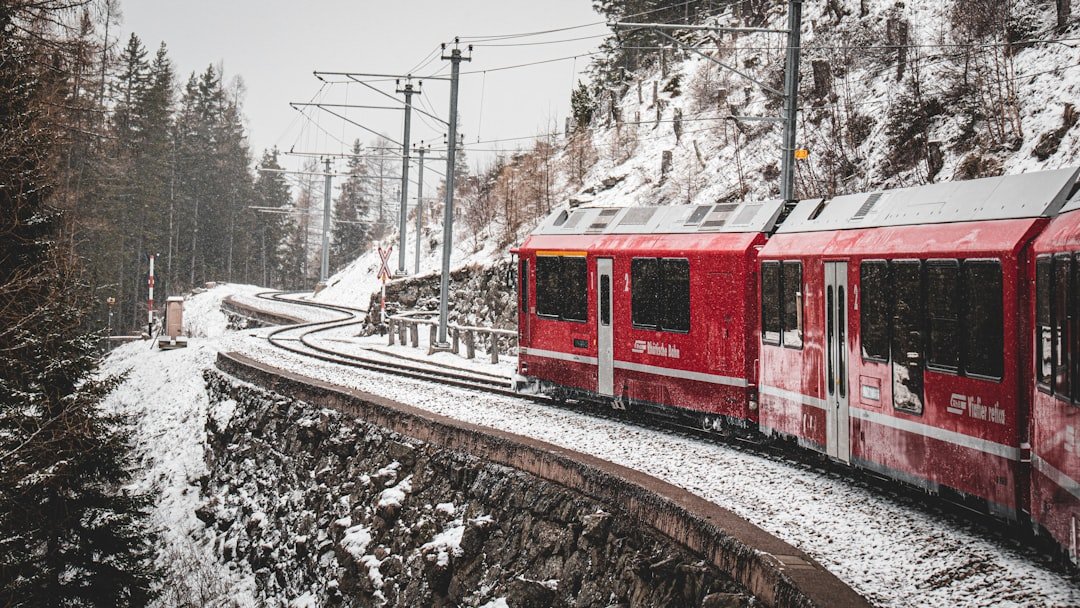
When I first encountered the Swiss train timetable, I was both fascinated and overwhelmed.
At first glance, the timetable may seem like a complex puzzle, but once I began to understand its structure, it became a valuable tool for planning my journeys.
The Swiss train system operates on a punctuality that is almost unmatched globally, and the timetables are designed to help travelers navigate this intricate network with ease. The timetables are typically organized by time slots, with trains listed in chronological order. Each entry provides essential information about the train’s journey, including its departure and arrival times, the stations it will stop at, and any necessary transfers.
I quickly learned that understanding these basics was crucial for making my travel experience smooth and enjoyable. The clarity of the timetable allows me to plan my trips with confidence, knowing that I can rely on the information provided to get me where I need to go.
Key Takeaways
- Swiss train timetables are organized by departure and arrival times, train numbers, types, and platform information.
- Different columns and symbols in the timetable indicate important details such as stops, connections, and transfer times.
- Departure and arrival times are displayed in 24-hour format, with the date and day of the week included for clarity.
- Train numbers and types help passengers identify the specific train they need to board, whether it’s a regional, intercity, or international service.
- Platform information is crucial for finding the right boarding location, and it’s important to pay attention to any last-minute changes.
Navigating the Different Columns and Symbols
As I delved deeper into the Swiss train timetable, I discovered that each column and symbol serves a specific purpose. The columns typically include departure times, train numbers, destinations, and platform information. Initially, I found it challenging to keep track of all these details, but with a little practice, I became adept at interpreting them.
For instance, I learned that the first column usually indicates the time of departure, while subsequent columns provide information about the train’s route and any connections. Symbols also play a significant role in conveying important information quickly. For example, an “S” next to a train number indicates that it is a suburban train, while an “IC” denotes an intercity service.
These symbols help me identify the type of service I can expect and whether it aligns with my travel needs. Understanding these nuances has made me more confident in navigating the timetable and planning my journeys effectively.
Deciphering Departure and Arrival Times
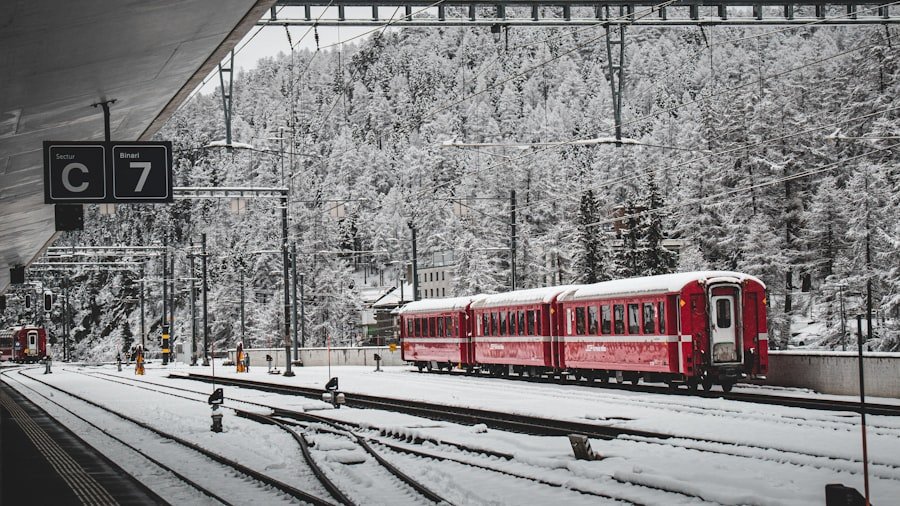
One of the most critical aspects of using the Swiss train timetable is understanding departure and arrival times. Each entry lists these times in a 24-hour format, which initially posed a challenge for me as someone accustomed to the 12-hour clock. However, I soon realized that this format is not only standard in Switzerland but also helps eliminate confusion between AM and PM.
By familiarizing myself with this system, I could easily determine when my train would leave and when I could expect to arrive at my destination. Moreover, I learned to pay attention to the duration of each journey, which is often indicated next to the arrival time. This information is invaluable for planning layovers or connecting trains.
For instance, if I had a tight schedule, knowing that my journey would take only 30 minutes allowed me to plan accordingly. Additionally, I discovered that some trains might experience delays or changes in schedule, so I always make it a habit to check for real-time updates before heading to the station.
Identifying Train Numbers and Types
| Train Number | Train Type | Departure Time | Arrival Time |
|---|---|---|---|
| 1234 | Express | 08:00 | 10:30 |
| 5678 | Local | 09:30 | 11:45 |
| 9101 | High-speed | 11:00 | 13:15 |
Train numbers are another essential component of the Swiss train timetable that I had to familiarize myself with. Each train is assigned a unique number that helps identify its specific route and service type. For example, I learned that trains labeled with “IR” are inter-regional services that connect smaller towns with larger cities, while “EC” trains are EuroCity services that link Switzerland with neighboring countries.
Understanding these distinctions has allowed me to choose the most suitable train for my travel needs. Additionally, I found it helpful to recognize the different types of trains available in Switzerland. From high-speed trains to scenic routes through picturesque landscapes, each type offers a unique travel experience.
By identifying the train number and type on the timetable, I can better anticipate what to expect during my journey. This knowledge has enriched my travel experiences, allowing me to appreciate not just the destination but also the journey itself.
Making Sense of Platform Information
Platform information is another crucial aspect of navigating Swiss train timetables effectively. Each train listed in the timetable is associated with a specific platform number from which it departs. Initially, I found it challenging to locate my designated platform amidst the hustle and bustle of busy train stations.
However, I soon learned that platform numbers are typically displayed prominently on electronic boards throughout the station. I also discovered that platform information can change due to operational requirements or delays. Therefore, it’s essential for me to stay alert and check for any announcements or updates regarding my train’s platform before boarding.
By understanding how platform information works within the context of the timetable, I can navigate stations more confidently and ensure that I board my train without any last-minute rush.
Utilizing the Swiss Rail App and Online Timetable Tools
In today’s digital age, technology has made it easier than ever to access train timetables on-the-go. The Swiss Rail App has become an indispensable tool for me when planning my journeys. With just a few taps on my smartphone, I can access real-time information about train schedules, platform changes, and even ticket purchases.
This convenience has transformed how I travel within Switzerland, allowing me to make spontaneous decisions without worrying about missing a connection. Online timetable tools have also proven invaluable in my travel planning process. Websites dedicated to Swiss rail services provide comprehensive information about routes, schedules, and ticket prices.
I often use these resources to compare different travel options before finalizing my plans. The ability to filter results based on my preferences—such as direct routes or specific travel times—has made my journey planning much more efficient and tailored to my needs.
Tips for Planning Efficient Train Journeys
Over time, I’ve developed several strategies for planning efficient train journeys in Switzerland. One of my key tips is to always check for direct connections whenever possible. While transfers can be an adventure in themselves, they can also add unnecessary stress if I’m on a tight schedule.
By prioritizing direct routes when available, I can minimize travel time and maximize my enjoyment at each destination. Another tip I’ve found helpful is to allow for some flexibility in my travel plans. While it’s essential to have a general itinerary in mind, being open to spontaneous detours or changes can lead to unexpected discoveries along the way.
For instance, if I find myself with extra time between trains, I might explore a nearby town or enjoy a leisurely meal at a local café. This flexibility not only enhances my travel experience but also allows me to embrace the beauty of Switzerland at a more relaxed pace.
Troubleshooting Common Confusions and Delays
Despite my growing familiarity with Swiss train timetables, there have been moments of confusion and unexpected delays during my travels. One common issue I’ve encountered is misreading departure times or platforms due to distractions at busy stations. To combat this, I’ve learned to arrive at the station early and take a moment to double-check all relevant information before heading to my platform.
Delays are another reality of train travel that I’ve had to accept. While Swiss trains are known for their punctuality, unforeseen circumstances can arise. In such cases, I’ve found it helpful to stay informed through real-time updates provided by the Swiss Rail App or station announcements.
Remaining calm and adaptable during these situations has allowed me to navigate delays more effectively and make alternative arrangements if necessary. In conclusion, mastering Swiss train timetables has been an enriching journey for me as a traveler. By understanding the basics of timetables, navigating columns and symbols, deciphering times, identifying train types, making sense of platform information, utilizing technology, planning efficiently, and troubleshooting common issues, I’ve gained confidence in my ability to explore Switzerland by rail.
Each trip has become an opportunity not just for transportation but for adventure and discovery in this beautiful country.
If you’re planning a trip to Switzerland and want to make the most of its efficient train system, understanding how to read Swiss train timetables is essential. While you’re preparing for your journey, you might also be interested in exploring the local cuisine. A related article that could enhance your travel experience is this guide to making delicious homemade cottage cheese. Not only is it a simple and healthy recipe, but it also offers a taste of the delightful dairy products you might encounter in Switzerland.
FAQs
What are Swiss train timetables?
Swiss train timetables are schedules that show the departure and arrival times of trains in Switzerland. They also include information about the train routes, stops, and any connections that may be necessary.
How can I access Swiss train timetables?
Swiss train timetables can be accessed online through the official website of the Swiss Federal Railways (SBB) or through various mobile apps. They are also available in printed form at train stations and tourist information centers.
What information is included in Swiss train timetables?
Swiss train timetables include details such as the departure and arrival times of trains, the train numbers, the train routes, the stops along the way, and any connections that may be required. They also indicate the type of train (e.g. regional, intercity, etc.) and any special notes such as train delays or cancellations.
How do I read Swiss train timetables?
To read Swiss train timetables, you need to look for the departure and arrival times of the trains, the train numbers, and the stops along the route. Pay attention to any connections that may be necessary and check for any special notes regarding delays or cancellations.
Are Swiss train timetables available in multiple languages?
Yes, Swiss train timetables are available in multiple languages, including English, German, French, and Italian. This makes it easier for both locals and tourists to access and understand the information.