Grocery shopping in Switzerland becomes much easier once you know how the main supermarkets, opening hours, food labels, loyalty programs, checkout routines, and local customs work. Whether you live in Switzerland or are visiting and cooking some of your own meals, a little planning can save time, reduce unnecessary spending, and help you find local and seasonal food.
Quick Answer
For easier grocery shopping in Switzerland, compare full-range and discount supermarkets, check the exact branch hours before you go, bring reusable bags, use a shopping list, compare unit prices, and read Swiss food labels carefully. Plan Sunday shopping in advance because most ordinary supermarkets should not be assumed to be open.
Key Takeaways
- Migros and Coop are common full-range choices, while Denner, Aldi Suisse, and Lidl Suisse are useful options when comparing prices and ranges.
- Opening hours vary by canton, municipality, chain, and branch, so check the exact location before Sundays and public holidays.
- A meal plan, shopping list, and unit-price comparison can help control grocery spending and reduce waste.
- Swiss labels provide useful information about ingredients, allergens, nutrition, dates, production country, and storage.
- A “best before” date mainly concerns quality, while a “use by” date is a food-safety deadline for particularly perishable foods.
- Weekly markets and specialty shops are good places to explore regional products, but they are not automatically cheaper than supermarkets.
At a Glance
| Planning Time | About 10 to 15 minutes for a list, meal plan, promotion check, and branch-hours check |
| Difficulty | Easy once you understand the local routine |
| Useful Items | Shopping list, reusable bags, phone, and a payment method accepted by the store |
| Cost | Varies by store, product, brand, season, package size, and promotion |
Understanding the Swiss Grocery Landscape
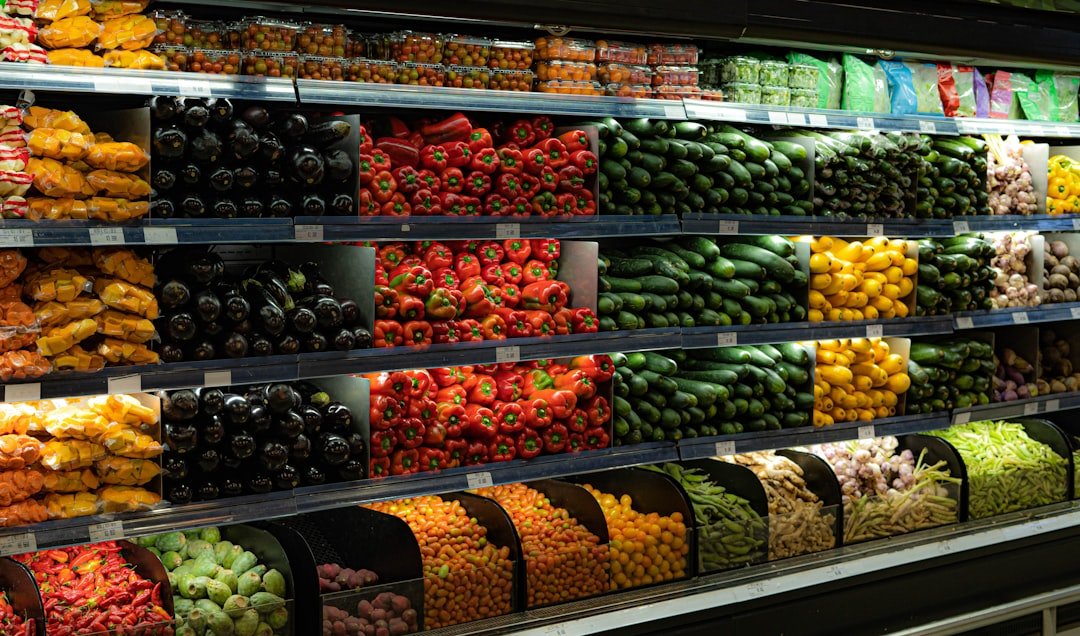
Swiss grocery shopping includes large supermarket chains, discount stores, neighborhood shops, farm shops, weekly markets, and specialty food stores. Migros and Coop are familiar full-range supermarket names, while Denner, Aldi Suisse, and Lidl Suisse give shoppers additional options when comparing prices and product ranges.
No single store needs to be your default for every purchase. One shop may have a useful promotion on household products while another has a better price or package size for fruit, dairy, pantry staples, or a store-brand item. Comparing the products you buy most often is more useful than judging a chain by one basket.
Choose the Store That Fits the Trip
| Full weekly shop | A larger supermarket with a broad food and household range can be convenient. |
| Budget comparison | Compare Denner, Aldi Suisse, Lidl Suisse, supermarket store brands, package sizes, and current promotions. |
| Regional food | Try weekly markets, farm shops, bakeries, butcher shops, cheese shops, and other specialty stores. |
| Quick top-up | Use a nearby neighborhood or convenience shop, but compare prices if cost is important. |
Making a Grocery List and Sticking to It
A grocery list is one of the simplest ways to make shopping faster and more deliberate. Before leaving home, check what you already have, decide on several meals, and write down the ingredients you actually need.
Organize the list into groups such as produce, dairy, meat, pantry items, frozen food, and household supplies. This can reduce backtracking through the store and makes it easier to notice when you are adding an unplanned item.
A list is especially useful when promotions and attractive displays make impulse purchases tempting. If something unexpected catches your eye, ask whether you will actually use it before your next shopping trip. A bargain that ends up being wasted is not much of a saving.
Pro Tip: Compare the unit price rather than only the package price. A larger pack is not automatically better value if the smaller pack costs less per unit during a promotion or if part of the larger pack may spoil before you use it.
Check Opening Hours Before You Shop
Opening hours are not uniform across Switzerland. Monday-to-Saturday schedules can vary by canton, municipality, chain, and individual branch. Before making a special trip, check the retailer’s current store locator or branch page.
Sunday requires more planning. Federal labour law restricts Sunday work in retail. As of August 2026, the current framework still allows cantons to designate up to four permit-free Sunday sales days per year. A proposal to raise that maximum to twelve was rejected by the Council of States on June 9, 2026. Monday-to-Saturday shop-opening rules remain primarily a cantonal matter. See the Swiss Parliament’s June 2026 update on Sunday retail openings.
Exceptions and special rules can mean that some shops in transport hubs, tourist locations, or other permitted settings operate when an ordinary neighborhood supermarket is closed. The practical rule is simple: do not assume your usual supermarket is open on Sunday or a public holiday. Buy essentials earlier when possible and verify the exact branch if you need groceries that day.
Note: Sunday retail rules and branch schedules are not the same thing. Even where Sunday opening is legally possible, an individual store may choose different hours. Check the exact branch before travel.
Taking Advantage of Local Markets and Specialty Shops
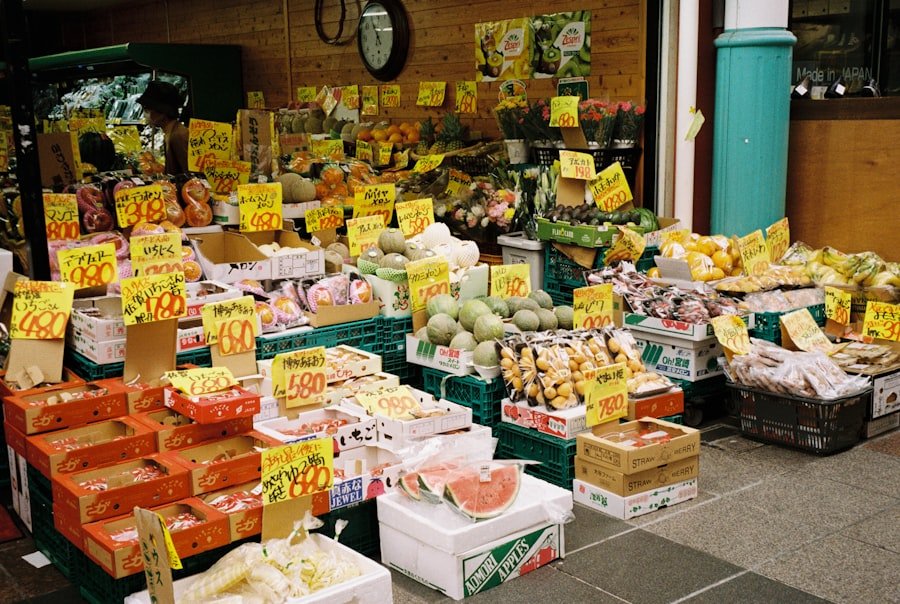
Local markets are one of the most enjoyable ways to explore Swiss food. Depending on the town and season, stalls may offer vegetables, fruit, bread, cheese, meat products, honey, flowers, and other regional specialties.
Switzerland Tourism’s guide to weekly markets shows how market days and product mixes differ around the country. Lucerne, for example, has a Tuesday and Saturday morning market, while other cities use different days or seasonal schedules.
Specialty shops are also useful when you want something specific. Bakeries, chocolate shops, cheese stores, butcher shops, and regional food shops can provide products and expertise that a large supermarket may not offer in the same way.
However, do not assume a market or specialty shop will always be cheaper. Compare prices when your budget matters. The main advantage may be regional selection, freshness, craftsmanship, or the chance to speak directly with the seller.
If you also enjoy using supermarkets and specialty stores to explore imported produce, you can read this separate guide to exploring the delightful world of Asian melon.
Understanding Swiss Food Labeling and Packaging
Food labels are especially useful when comparing products or shopping with allergies, intolerances, dietary preferences, or specific nutrition goals. The Swiss Federal Food Safety and Veterinary Office explains the mandatory information and the main exceptions for foods sold in Switzerland.
| Label Information | What to Look For |
|---|---|
| Food name | Identifies what the product is and helps distinguish it from similar foods. |
| Ingredients | Ingredients are generally listed in descending order by weight during production. |
| Allergens | Specified allergens must be clearly identified, commonly through bold type, capitals, underlining, or another clear form of emphasis. |
| Nutrition declaration | Where required, it generally includes energy, fat, saturated fat, carbohydrates, sugars, protein, and salt. Some foods are exempt. |
| Date marking | Look for a best-before date or, for particularly perishable food, a use-by date. Some foods are exempt from date marking. |
| Storage or use instructions | These appear where special storage or use conditions are necessary. |
| Business information | The label includes identifying name and address information for the responsible producer, importer, packager, seller, or other relevant business. |
| Country of production | Generally required for food sold in Switzerland, subject to a small number of exemptions. Separate origin rules can apply to ingredients. |
| Language | Mandatory information normally appears in at least one Swiss official language, with limited exceptions where consumers can clearly understand the information. |
Best Before and Use By Are Not the Same
A best-before date tells you how long a correctly stored food is expected to retain its quality. The FSVO says many products can still be suitable after this date if they have been stored correctly and still look, smell, and taste normal.
A use-by date is different. It is used for particularly perishable foods where food-safety risks can increase. The FSVO states that these products must not be sold or used after the use-by date because safe consumption is no longer guaranteed, even if the food still appears normal.
Warning: Do not rely on smell or appearance to decide whether to eat food after its use-by date. Follow the use-by date and storage instructions for food-safety reasons.
Dietary and Allergen Labels
If you have an allergy or intolerance, read the ingredient list every time rather than relying only on the front of the package. Swiss rules require specified allergens to be highlighted where applicable, and the FSVO lists the allergens covered by these requirements.
Some voluntary descriptions are also legally defined. For example, terms such as “vegan” and “gluten-free” must meet applicable requirements when used on food labels. The FSVO states that “gluten-free” may be used only when a product contains no more than 20 mg of gluten per kg when sold. People with serious allergies should still read the complete ingredient and allergen information.
Saving Money on Groceries in Switzerland
A shopping list helps, but there are several other ways to control your grocery bill:
- Compare unit prices rather than package size alone.
- Try supermarket store brands when the ingredients and quality meet your needs.
- Compare full-range supermarkets with discount chains for the products you buy often.
- Check current promotions before shopping.
- Stock up on shelf-stable products only when the discount is useful and you will actually consume them.
- Plan meals around foods already in your refrigerator and pantry.
- Choose seasonal produce when it offers good quality and value.
- Check marked-down items when available, but do not assume a particular day or time will always have reductions.
This approach is more reliable than chasing every promotion. The goal is to lower the cost of the complete basket without buying more than you can use.
Compare the Price You Will Actually Use
Package size matters. A family-size package can have a lower unit price but still cost more overall and create waste if you cannot finish it. For perishable foods, compare the unit price, the amount you expect to use, and the date marking before deciding that the largest pack is the cheapest choice.
Utilizing Loyalty Programs and Discounts
If you shop regularly at the same chain, a loyalty program can add useful savings. Migros operates Cumulus, while Coop operates Supercard.
At the time of this update, Migros Cumulus states that members normally collect one Cumulus point for every CHF 1 spent and receive a CHF 5 Cumulus voucher for every 500 points collected. Additional coupons and bonus-point offers may also be available.
Coop Supercard states that shoppers can collect Superpoints, activate digital coupons, and use eligible points toward purchases. Coop describes 100 Superpoints as equivalent to CHF 1 for its pay-with-points option and states that customers generally receive one Superpoint per CHF 1 spent.
Loyalty-program rules, eligible purchases, promotions, and redemption methods can change, so check the official program before depending on a particular reward.
The best loyalty discount is one attached to something you already planned to buy. A coupon is not a saving if it causes you to purchase something you do not need.
Bring Reusable Bags and Know the Checkout Routine
Bringing reusable shopping bags is a useful habit in Switzerland. It prevents you from depending on whatever bags are available at the checkout and makes larger grocery trips easier to manage.
At many supermarkets, be ready to pack your own groceries after they are scanned. Self-checkout is also available in many larger branches, although the exact equipment, process, and accepted payment methods vary by store.
If you use a shopping basket or trolley, return it to its proper location when you are finished. If a trolley uses a deposit or locking system, follow the instructions at that branch. At busy checkouts, having your payment method and bags ready helps keep the line moving.
Check How Fresh Produce Is Weighed
Do not assume every branch handles loose fruit and vegetables in the same way. Some stores or departments may require you to weigh an item and attach a printed label before checkout, while other setups handle the weight during checkout. Look at the shelf sign, produce scale, or checkout instructions before joining the line.
Use Self-Checkout Carefully
At self-checkout, scan each item once and follow the screen prompts for produce, discounts, or products that need staff assistance. If the machine asks for employee verification or an item does not scan correctly, ask a staff member rather than repeatedly rescanning it.
Navigating Swiss Grocery Etiquette
Politeness matters more than memorizing a complicated set of rules. A simple greeting when you interact with a cashier is appropriate. In German-speaking areas you may hear “Grüezi,” in French-speaking areas “Bonjour,” and in Italian-speaking areas “Buongiorno.”
Give other shoppers room in narrow aisles, avoid blocking shelves while checking your phone or list, and move your groceries away from the checkout area once you have paid.
If you use self-checkout, follow the machine instructions and ask an employee for help when necessary. Some products or transactions may require staff verification.
Using Local Markets and Seasonal Ingredients
Weekly markets can make grocery shopping more interesting because the available products often reflect the region and season. Switzerland Tourism highlights markets offering locally produced vegetables, bread, cheese, sausages, honey, fruit, and other specialties in cities and towns around the country.
Market schedules vary. Some operate once or twice a week, some only during part of the year, and others run more frequently. Check the specific market before making a trip, especially around public holidays or seasonal changes.
Seasonal cooking is also an easy way to explore Swiss food culture. Instead of insisting on the same ingredients all year, look at what is abundant and in good condition when you shop. Build one or two meals around those foods, then use your list to avoid buying more fresh food than you can finish.
Embracing Swiss Culinary Traditions and Ingredients
Grocery stores, bakeries, markets, and specialty shops offer plenty of opportunities to try Swiss foods at your own pace. Depending on your region and preferences, look for products connected with dishes and traditions such as rösti, fondue, raclette, Zopf bread, regional cheeses, Swiss chocolate, and local baked specialties.
Regional food culture varies significantly, so part of the fun is seeing what changes as you travel. A cheese, bread, wine, sausage, pastry, or preserve that is common in one canton may be much more regional in another.
Rather than buying everything labeled “Swiss,” start with one or two products you genuinely want to try. Ask a shopkeeper or market seller how the product is normally eaten or prepared when you are unsure.
Conclusion
Grocery shopping in Switzerland is straightforward once you understand a few local details. Make a list, compare stores and unit prices, check branch hours, plan carefully around Sundays, bring reusable bags, and use loyalty programs only when they match your normal shopping.
Food labels can also help you make better decisions. Pay attention to ingredients, allergens, nutrition information, storage instructions, production country, and especially the difference between best-before and use-by dates. Add local markets, regional foods, and specialty shops to the mix, and an ordinary grocery trip can become an easy way to experience Swiss food culture.
Frequently Asked Questions
What are the most useful tips for grocery shopping in Switzerland?
Check the exact store hours, make a shopping list, bring reusable bags, compare unit prices, look at current promotions, and understand the main information on Swiss food labels. If you plan to shop on Sunday, confirm that your chosen branch will actually be open.
What are some popular grocery stores in Switzerland?
Common names include Migros, Coop, Denner, Aldi Suisse, and Lidl Suisse. The best choice depends on your location, preferred products, current promotions, and whether you want a broad supermarket range or a more price-focused shop.
Are supermarkets open on Sundays in Switzerland?
Do not assume an ordinary supermarket is open on Sunday. Federal rules restrict Sunday retail work, and the current framework allows cantons to designate up to four permit-free Sunday sales days per year. Exceptions and special rules can apply in some locations, so always check the exact branch.
Should I bring my own grocery bags?
Yes. Reusable bags are convenient and help you avoid depending on checkout bags. At many supermarket checkouts, you should also be ready to pack your own purchases.
Do I need to weigh fruit and vegetables before checkout?
It depends on the store and branch. Some produce sections may ask you to weigh loose items and attach a printed label, while other setups handle the weight at checkout. Follow the shelf, scale, or checkout instructions where you are shopping.
What is the difference between “best before” and “use by” on Swiss food labels?
A best-before date primarily concerns quality. A correctly stored product may still be suitable after that date if it remains in good condition. A use-by date is a safety deadline for particularly perishable foods, and the product should not be used after it.
How are allergens shown on Swiss food labels?
Specified allergens must be clearly identified where applicable. They may appear in bold, capital letters, underlined text, or another clearly distinguishable format in the ingredient information.
Are vegetarian, vegan, gluten-free, and lactose-related products available?
Many Swiss supermarkets carry products for different dietary preferences and restrictions. Terms such as “vegan” and “gluten-free” are subject to labeling requirements, but you should still read the complete ingredient and allergen information when a dietary restriction is important.
How do Migros Cumulus and Coop Supercard rewards work?
Migros currently states that shoppers normally receive one Cumulus point per CHF 1 spent and a CHF 5 voucher for every 500 points. Coop states that shoppers generally receive one Superpoint per CHF 1 spent and that 100 Superpoints equal CHF 1 for its pay-with-points option. Check the official programs for exclusions and current promotions.
What Swiss grocery items should visitors try?
Good starting points include regional cheeses, Swiss chocolate, Zopf bread, rösti ingredients, fondue or raclette products, local pastries, preserves, and other specialties from the canton you are visiting. Adults may also find regional Swiss wines and beers in stores where those products are sold.
Are local markets cheaper than supermarkets?
Not necessarily. Markets can be excellent for regional, seasonal, or specialty products, but price differences depend on the product and seller. Compare prices if saving money is your main goal.
Sources
- Federal Food Safety and Veterinary Office: Information on Food Labels – ingredients, allergens, nutrition declarations, date marking, production country, storage, dietary terms, and labeling language.
- Migros Cumulus – current Cumulus point and voucher information.
- Coop Supercard – Superpoints, digital coupons, and redemption information.
- Switzerland Tourism: Weekly Markets – examples of Swiss market schedules and regional produce.
- Swiss Parliament: Sunday Retail Openings, June 9, 2026 – current four-Sunday framework and the Council of States’ rejection of the proposal for up to twelve permit-free Sunday openings.