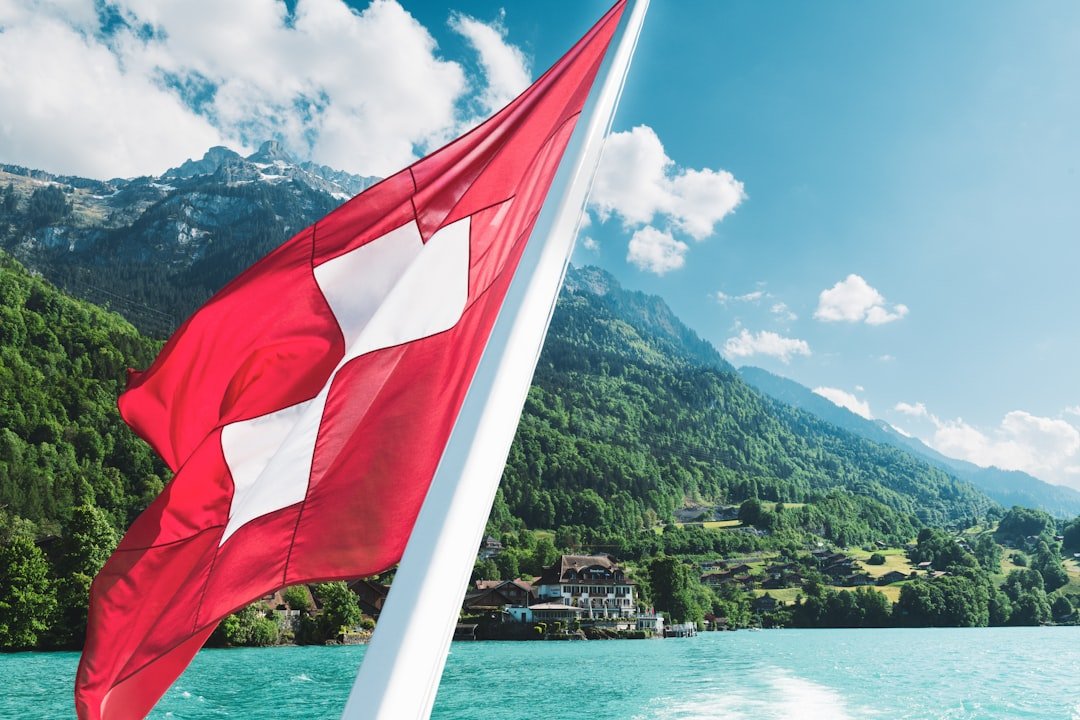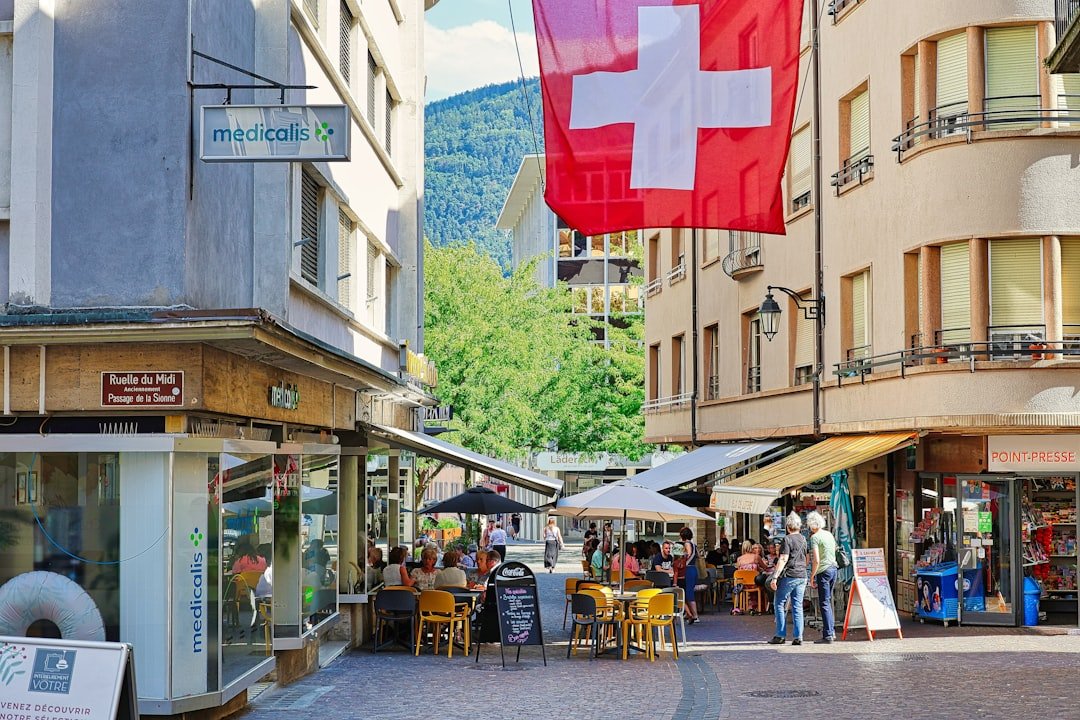
September is one of the most flexible months for exploring Switzerland. Many mountain areas are still operating on summer schedules, hiking remains a major attraction, grape harvest season begins in the wine regions, and the first autumn colors start to appear. It is also a transition month, so early September can still feel summery while late September may look and feel distinctly more autumnal.
Quick Answer
September is a good time to visit Switzerland for hiking, sightseeing, lake trips, harvest events, and generally lighter crowds than peak summer. Do not assume peak fall foliage everywhere, though. Color develops at different times by region and elevation, and mountain weather can change quickly, so check current forecasts, foliage conditions, trails, and lift schedules.
Key Takeaways
- September is a transition month in Switzerland, with summer-like conditions possible in lower areas and much cooler weather at higher elevations.
- Fall color starts appearing in September, but peak foliage varies by location, altitude, tree species, and year.
- Interlaken, Zermatt, Lucerne, Lake Geneva, Graubünden, and Swiss wine regions all offer different September experiences.
- Hiking, scenic trains, cycling, lake trips, wine experiences, markets, and harvest celebrations are strong seasonal choices.
- The Zurich Film Festival runs from September 24 to October 4, 2026, while Neuchâtel’s Grape Harvest Festival is scheduled for September 25–27, 2026.
- Pack layers and rain protection, and check current mountain transport and trail conditions before setting out.
I especially enjoy Switzerland at this point in the year because the landscape seems to change from week to week. Forest walks become cooler, vineyards enter harvest season, and the light over the lakes and valleys begins to soften. Instead of treating all of September as full autumn, however, it is better to see the month as a gradual shift from late summer toward fall.
Exploring Switzerland’s Stunning Fall Foliage
One of my favorite autumn activities is exploring Switzerland’s changing forests, vineyards, and mountain landscapes. September can bring the first reds, oranges, and yellows, but the timing is not uniform. Lower elevations, high valleys, different tree species, and north- or south-facing slopes can all change at different rates.
For that reason, travelers focused specifically on fall color should not assume that the first week of September will look the same as the final week. Switzerland Tourism publishes a foliage map designed to help visitors see where autumn color is developing.
September is best treated as the beginning of Switzerland’s color season, not as a nationwide guarantee of peak foliage.
I still love hiking through the Alps at this time because every outing can look different. Some slopes remain green while other areas begin to show yellow and orange. Lakes add another dimension, reflecting mountains, forests, villages, and changing skies.
Lake Geneva and Lake Lucerne are appealing places to slow down and enjoy these transitions. On a calm day, sitting near the water or taking a boat trip can be just as rewarding as completing a long hike.
Pro Tip: If fall color is one of the main reasons for your trip, keep the itinerary flexible. Check current foliage shortly before each day trip instead of choosing every viewpoint months in advance.
The Best Places to Visit in Switzerland in September

Interlaken and the Bernese Oberland
Interlaken remains one of my favorite bases because it sits between Lake Thun and Lake Brienz and provides convenient access to the surrounding mountain region. A boat trip offers a relaxed way to see the scenery, while Harder Kulm provides a broad view over Interlaken and the two lakes.
For 2026, Harder Kulm’s published season includes September, but mountain transport schedules can change because of operations or weather. Check the Jungfrau operating information before relying on a specific connection.
Zermatt and the Matterhorn
Zermatt combines mountain scenery, car-free village streets, and a large hiking network beneath the Matterhorn. September can still be an excellent hiking period, particularly when the weather is stable, but high-elevation conditions can be much colder than conditions in the village.
I enjoy the contrast between traditional chalets, open mountain views, forests, and the first signs of seasonal color. If you plan a high trail, check weather, trail status, and the operating times of the lifts you need for both the ascent and return journey.
Lucerne and Lake Lucerne
Lucerne works well for travelers who want a balance of historic streets, lake scenery, and easy mountain excursions. A September trip can combine an old-town walk with a boat journey and, when conditions allow, an excursion into the surrounding mountains.
Lake Geneva and the Wine Regions
The Lake Geneva area becomes especially interesting as the grape harvest season begins. Vineyard landscapes provide a different kind of autumn scenery from the high Alps, and September can be a good month to combine lakeside towns with local food and wine experiences.
Graubünden and the Swiss National Park Region
Graubünden is particularly rewarding for hikers and photographers who want broad valleys, mountain forests, rail journeys, and quieter landscapes. Golden larches are one of the region’s celebrated autumn sights, although their strongest color should not automatically be expected in early September.
What Is Switzerland’s Weather Like in September?
There is no single useful temperature range for all of Switzerland in September. The country has major differences in altitude and regional climate, so conditions beside a lowland lake can be very different from those on a high mountain trail on the same day.
MeteoSwiss explains that Switzerland’s climate varies considerably with geography and elevation. For trip planning, use climate information for general expectations and a current destination-specific forecast for daily decisions.
- Cities and lower lake areas: These can still have comfortable daytime conditions, but mornings and evenings become cooler as the month progresses.
- Mountain villages: Expect cooler conditions than in the lowlands and larger changes between sunshine and cloud.
- High-elevation viewpoints and trails: Conditions can be cold even when the valley is pleasant, and rain, strong wind, poor visibility, or early-season snow can affect plans.
- Late September: Shorter days and cooler nights become more noticeable, particularly in alpine areas.
Warning: Do not choose mountain clothing or hiking plans based only on a city forecast. Check the forecast for the elevation you intend to visit, plus trail and lift status, before leaving.
Activities to Enjoy in Switzerland During the Autumn Season
| Activity | Description |
|---|---|
| Hiking | Enjoy cooler walking conditions and watch the landscape transition toward autumn. Choose routes that match current weather and trail conditions. |
| Wine Tasting | Visit a Swiss wine region during grape-harvest season and look for tastings, vineyard walks, and local harvest events. |
| Chocolate Tour | Add a chocolate-focused visit as an indoor option, especially useful when mountain weather changes your outdoor plans. |
| Hot Air Ballooning | See the countryside from above when a licensed operator determines that weather and wind conditions are suitable. |
| Scenic Train Rides | Travel through mountain and countryside scenery without depending on hiking weather for the entire day. |
| Cycling | Ride through lower valleys and vineyard areas when conditions are comfortable and routes remain open. |
| Local Markets | Look for regional produce, crafts, seasonal food, and community events connected with the harvest period. |
For outdoor enthusiasts like myself, hiking remains one of September’s biggest attractions. Trails can feel calmer than during the busiest summer weeks, and cooler conditions can make long walks more comfortable. I often like the simple rhythm of carrying lunch, stopping at a viewpoint, and letting the landscape set the pace.
Cycling is another enjoyable option, especially through lower countryside and vineyard areas. Scenic trains and boats are useful alternatives when I want a more relaxed day or when mountain conditions make hiking less appealing.
SwitzerlandMobility provides information on official marked hiking routes, making it useful when comparing route length, difficulty, and location.
Sampling Swiss Autumn Cuisine and Treats
Food becomes an important part of the experience as Switzerland moves into autumn. Switzerland Tourism specifically associates the season with products such as pumpkin and chestnuts, while grape harvest brings additional attention to the country’s wine regions.
Cheese fondue and raclette are also classic Swiss specialties. They are not exclusive to September, but cooler evenings can make a warm cheese meal especially appealing. Raclette is traditionally served with potatoes and accompaniments, while cheese fondue is eaten with bread.
I also like looking for regional rather than purely national specialties. Apples and pears are associated with the September harvest period, while chestnut dishes have particularly strong connections with southern Alpine areas. Seasonal soups, baked goods, cheeses, and local wines can vary significantly from one canton to another.
Note: Apple strudel can be found in Switzerland, but it should not be presented as a uniquely Swiss autumn specialty. For a more distinctly Swiss focus, prioritize regional cheeses, raclette, fondue, chestnuts, pumpkin dishes, and local harvest products.
If experimenting with fresh cheese at home is part of the fun after traveling, this internal guide to delicious homemade cottage cheese offers a separate home-cooking idea. Cottage cheese should not, however, be confused with a traditional Swiss autumn specialty.
Tips for Traveling to Switzerland in September

Pack for More Than One Type of Weather
Layers are more useful than one heavy outfit because conditions can change during the day and with elevation. Comfortable walking shoes are essential if towns, viewpoints, and trails are part of the itinerary.
- Light base layers
- Warm mid-layer such as a fleece or sweater
- Waterproof or water-resistant outer layer
- Comfortable walking or hiking footwear
- Sun protection
- Small daypack
- Refillable water bottle
- Compact umbrella for city-focused days
Use Public Transportation Strategically
Switzerland’s rail, bus, and boat network makes it possible to build an itinerary without renting a car. The Swiss Travel Pass provides unlimited travel on covered train, bus, boat, and urban transport services for 3, 4, 6, 8, or 15 consecutive travel days.
However, “unlimited” does not mean every mountain railway or cable car is completely free. SBB states that Rigi, Stanserhorn, and Stoos are included, while many other mountain excursions receive discounts. Panorama trains may also require a separate seat reservation or supplement.
Before buying a pass, compare the journeys you actually expect to make. Travelers taking frequent long-distance trains and boats may find the Swiss Travel Pass convenient, while travelers making fewer journeys may prefer individual fares or the Swiss Half Fare Card.
Check Seasonal Operations
September is still within the operating period of many summer mountain attractions, but not every cable car, funicular, restaurant, boat, or high trail follows the same calendar. Maintenance, weather, and local operating decisions can also change availability.
I therefore check the official operator’s website again shortly before each mountain day rather than assuming that a timetable saved months earlier is still valid.
Reserve the Important Parts First
September is outside the main July-August holiday peak in many places, but popular destinations are not empty. If a specific hotel, scenic train, restaurant, or mountain excursion is central to your trip, booking it ahead can reduce unnecessary compromises.
September 2026 Festivals and Swiss Autumn Traditions
One of the best reasons to travel during September is the overlap between sightseeing and seasonal traditions. Grape harvest, markets, Alpine cattle homecomings, food events, and cultural festivals can all appear on regional calendars.
Zurich Film Festival
The 22nd Zurich Film Festival is scheduled for September 24 through October 4, 2026. That makes the final week of September particularly interesting for travelers combining city sightseeing with cinema and cultural events.
Neuchâtel Grape Harvest Festival
Switzerland Tourism lists Neuchâtel’s Grape Harvest Festival for September 25–27, 2026. It brings harvest celebrations, a winegrowers’ village, entertainment, and other festivities into the city.
Alpine Cattle Descents
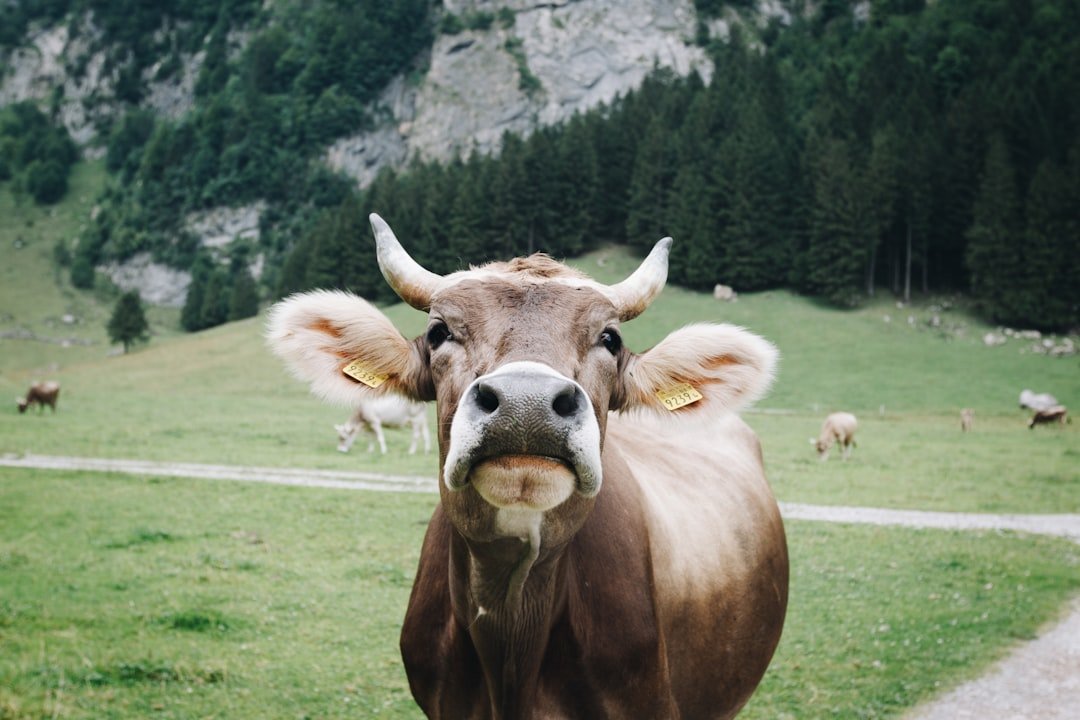
Another tradition is the return of cattle from summer Alpine pastures. Switzerland Tourism notes that these homecomings are celebrated at different places between roughly mid-August and mid-September depending on weather conditions. Dates therefore need to be checked for the particular village you want to visit.
These events are more meaningful to me than simply checking another attraction off a list. Markets, music, local food, decorated cattle, and community gatherings reveal parts of Swiss life that ordinary sightseeing can easily miss.
2026 Event Correction: The Geneva International Film Festival is not a September event in 2026. GIFF is scheduled for October 30 through November 8, 2026.
A Simple 4-Day Switzerland September Itinerary
Day 1: Lucerne and Lake Lucerne
Explore Lucerne’s old town, walk along the lake, and add a boat trip if the weather is pleasant. This is an easy first day that does not depend heavily on high-mountain conditions.
Day 2: Interlaken and the Bernese Oberland
Travel to Interlaken and choose between lake scenery, Harder Kulm, or another nearby excursion based on the day’s forecast and operating information.
Day 3: Mountain Hiking or a Scenic Rail Day
Use a good-weather day for hiking. If conditions deteriorate, substitute a scenic rail journey, lakeside town, museum, or food-focused excursion instead of forcing a high mountain plan.
Day 4: Vineyard or Cultural Day
Finish with a wine-region excursion around Lake Geneva or another harvest area. During late September 2026, travelers could instead build the day around a verified festival such as Zurich Film Festival or Neuchâtel’s Grape Harvest Festival.
This itinerary is deliberately flexible. In Switzerland, it often makes more sense to decide which day becomes the main mountain day after seeing the short-range weather forecast.
Capturing the Beauty of Switzerland’s Autumn Landscapes
With a camera in hand, September provides plenty of variety even before full autumn color develops. Lakes, vineyards, villages, forests, mountain ridges, morning mist, and changing cloud layers can all create strong photographs.
Early mornings and late afternoons are especially useful because lower-angle light adds definition to mountain shapes and landscapes. Calm mornings can also create reflections on lakes before wind develops.
I often prefer quieter paths and viewpoints rather than trying to photograph every famous location from the same position as everyone else. Small details such as harvest activity, wooden chalets, changing leaves, market stalls, or mist moving across a valley can say as much about the season as a wide mountain panorama.
Weather should still come before photography. If visibility deteriorates or a mountain route becomes unsafe, changing the photo plan is better than continuing simply because a specific image was on the itinerary.
Conclusion
Experiencing Switzerland in September gives me a balance that is harder to find at some other times of year. Hiking and lake travel are still important parts of the trip, while grape harvest, autumn markets, cooler evenings, and gradually changing landscapes signal the arrival of a new season.
The key is to avoid treating September as if every valley is already at peak fall color. Conditions change by elevation, location, and week. With flexible plans, layered clothing, current weather information, and a quick check of mountain operations, September can provide an excellent combination of outdoor scenery, Swiss food, local traditions, and cultural experiences.
Frequently Asked Questions
Is September a good time to visit Switzerland?
Yes. September can be excellent for hiking, sightseeing, lake trips, vineyard visits, scenic rail travel, and harvest-season experiences. Many summer services are still operating, but weather becomes more variable as autumn approaches.
What is the weather like in Switzerland in September?
September weather varies too much by altitude and region for one nationwide temperature range to be reliable. Lower cities and lake areas can remain comfortable, while high mountain areas can be much colder. Check MeteoSwiss forecasts for each destination and elevation shortly before traveling.
Will I see fall colors in Switzerland in September?
Possibly, especially as the month progresses, but September does not guarantee peak color everywhere. Foliage timing changes with altitude, region, species, and weather. Check Switzerland Tourism’s current foliage map if fall color is a major priority.
What are popular places to visit in Switzerland in September?
Interlaken and the Bernese Oberland are strong choices for mountains and lakes; Zermatt offers Matterhorn scenery and hiking; Lucerne combines a historic city with lake and mountain excursions; Lake Geneva and Swiss wine regions are attractive during harvest season; and Graubünden is excellent for hiking and autumn scenery.
What festivals take place in Switzerland in September 2026?
The Zurich Film Festival is scheduled for September 24 through October 4, 2026, and Neuchâtel’s Grape Harvest Festival is scheduled for September 25–27, 2026. Other regional harvest markets, wine festivals, and Alpine cattle descents also take place, but their dates should be checked individually.
Can it snow in Switzerland in September?
Cold or wintry conditions are possible at high elevations even when lower areas remain mild. Travelers planning mountain hikes should therefore check the forecast, trail status, and lift operations rather than assuming summer conditions will continue all month.
Is the Swiss Travel Pass worth buying for a September trip?
It can be convenient if you plan frequent train, bus, boat, and city-transport journeys. However, not every mountain lift is fully included, and some panorama trains require reservations or supplements. Compare your actual itinerary with the Swiss Travel Pass, Swiss Half Fare Card, and individual tickets before purchasing.
What should I pack for Switzerland in September?
Pack layers, comfortable walking shoes, a warm mid-layer, waterproof outerwear, sun protection, and a small daypack. Mountain visitors should carry warmer clothing than they would need for a city-only itinerary because temperatures can change quickly with elevation.
Sources
- MeteoSwiss — The Climate of Switzerland — supports regional and elevation-based climate guidance.
- Switzerland Tourism — Foliage Map — supports variable autumn foliage timing and current color planning.
- Switzerland Tourism — Autumn in Switzerland — supports autumn hiking, wine festivals, pumpkin, chestnuts, and seasonal travel guidance.
- SBB — Swiss Travel Pass — supports pass validity, included transportation, mountain benefits, and reservation caveats.
- Zurich Film Festival — confirms the September 24–October 4, 2026 festival dates.
- Geneva International Film Festival — confirms GIFF 2026 runs October 30–November 8 rather than in September.