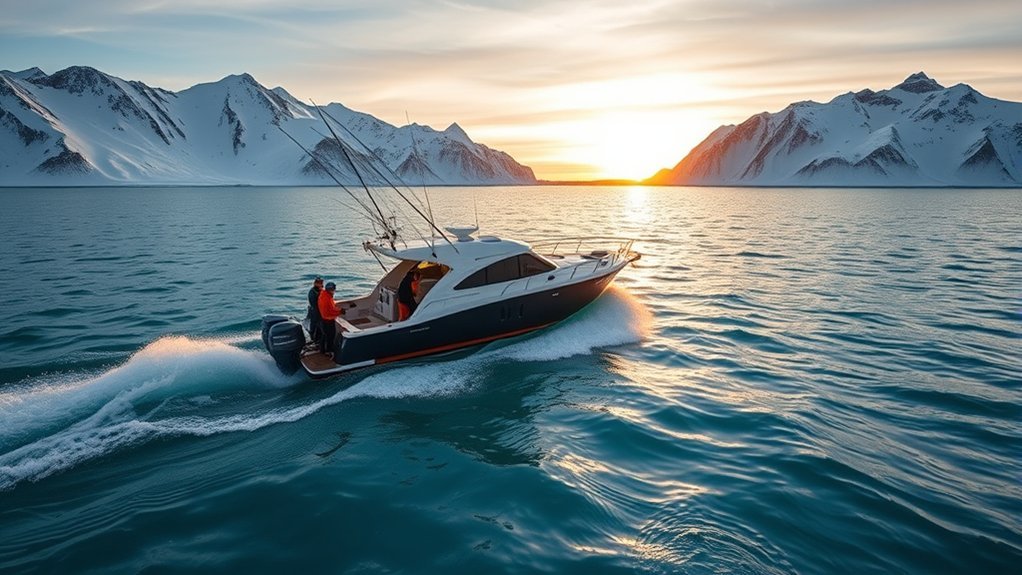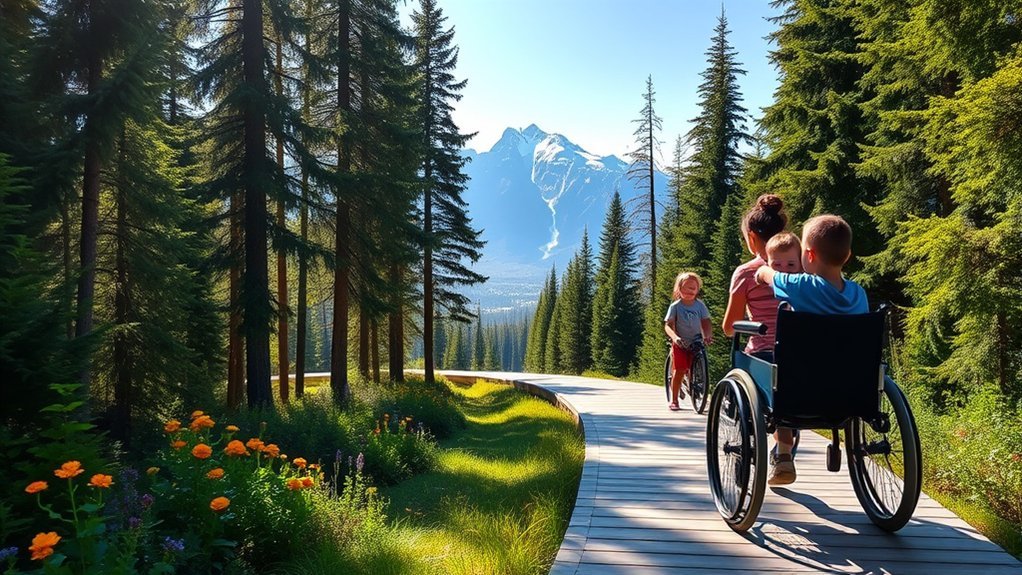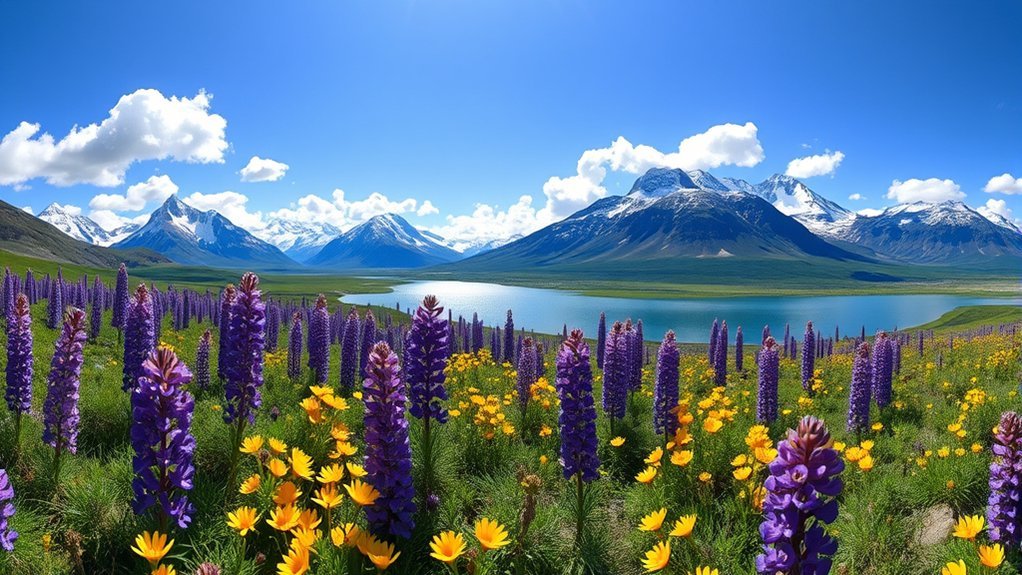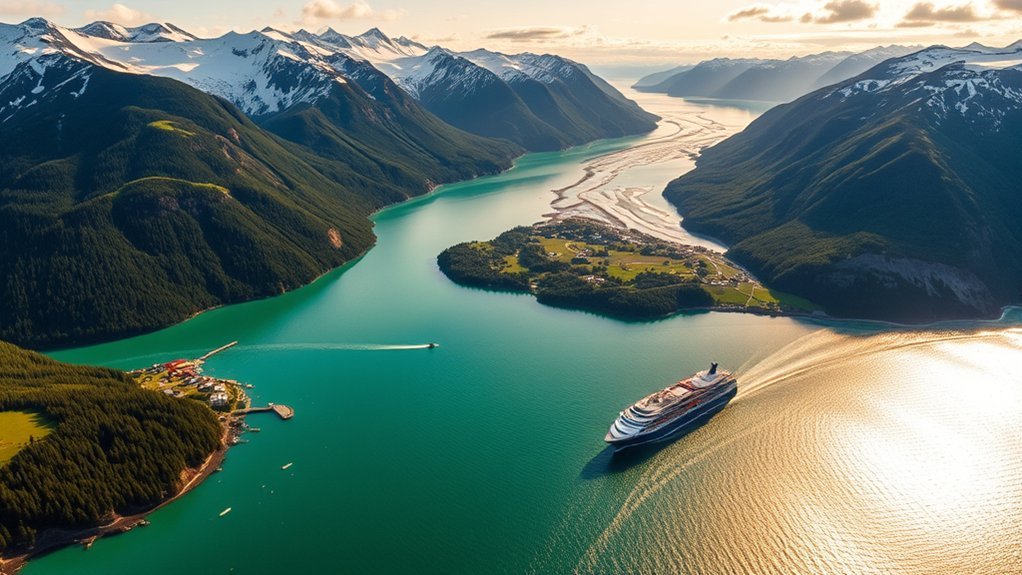
The Inside Passage is one of the most scenic ways to experience Southeast Alaska and the northwest coast of British Columbia. You can explore it by cruise ship, Alaska state ferry, small boat, or a mix of ferries and flights, with stops for glaciers, wildlife, Indigenous culture, coastal history, and rainforest scenery. The key is choosing a route that matches your time, budget, and tolerance for changing weather and transportation schedules.
Quick Answer
For a first Inside Passage trip, focus on two to four communities such as Ketchikan, Juneau, Sitka, Haines, or Skagway, then add one major nature experience such as Glacier Bay or whale watching. Travel mainly from May through September, pack waterproof layers, confirm ferry or cruise schedules early, and check current weather, border-document, and attraction-access rules before departure.
Key Takeaways
- The Alaska portion of the Inside Passage stretches about 500 miles and links island and coastal communities that are often not connected by road.
- Cruises are the simplest option; the Alaska Marine Highway offers a more independent, transportation-focused experience.
- Glacier Bay, Ketchikan, Juneau, Sitka, Haines, Skagway, and Hoonah/Icy Strait Point are strong trip-building blocks, but no single itinerary includes every stop.
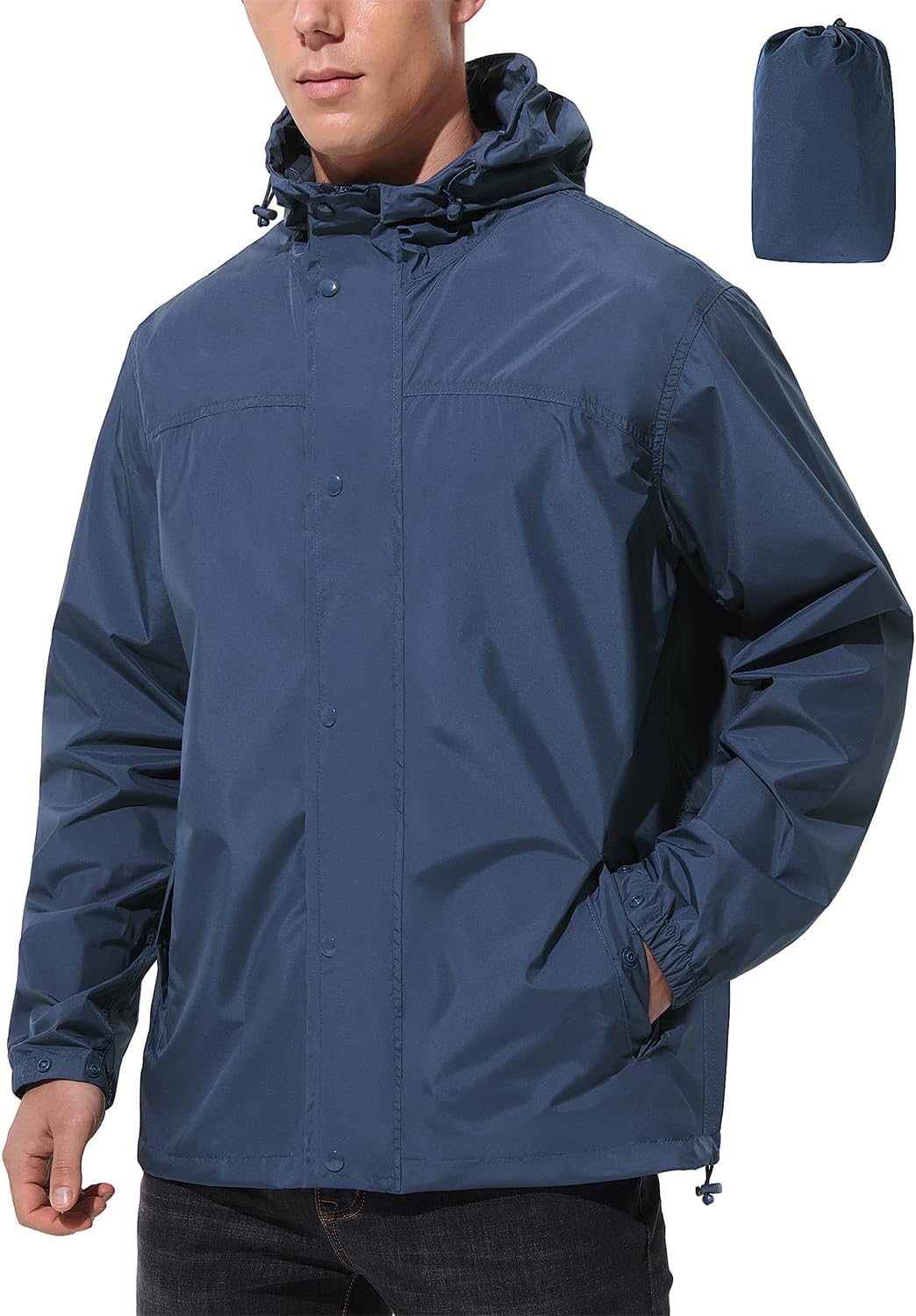
- Southeast Alaska is cool and wet even in summer, so waterproof outerwear and layers matter more than packing for warm weather.
- Wildlife sightings are never guaranteed. Give whales, bears, seals, sea lions, and other animals plenty of space and follow official viewing rules.
Overview of the Inside Passage
The Inside Passage is a protected coastal travel corridor that threads through islands, channels, fjords, forests, and mountain scenery along British Columbia and Southeast Alaska. Alaska’s official tourism site describes its portion of the region as roughly 500 miles of coastline, much of it surrounded by the Tongass National Forest.
What makes the route special is the mix of scenery and communities. On one trip, you may pass tidewater glaciers, watch bald eagles from shore, see humpback whales from a boat, walk through temperate rainforest, and spend time in towns shaped by Tlingit, Haida, Tsimshian, Russian, fishing, mining, and maritime history.
The region is accessible to many types of travelers, but it rewards planning. Some communities have no road connection to the rest of Alaska, ferry schedules can vary by season, marine weather can affect small-boat plans, and popular cruise or wildlife excursions can sell out.
Alaska’s Inside Passage stretches about 500 miles, with rainforest, fjords, islands, glaciers, and communities linked by water and air as much as by roads.
Top Attractions Along the Route
The best attractions depend on your exact route. Treat the list below as a trip-planning menu rather than a checklist you must complete in one visit.
| Attraction | Location | Why Go |
|---|---|---|
| Glacier Bay National Park | West of Juneau, accessed from Gustavus/Bartlett Cove or by permitted vessels | Tidewater glaciers, wildlife, ranger interpretation, boat touring, kayaking |
| Totem Bight State Historical Park | Ketchikan | Totem poles, a clan house, coastal forest, cultural history |
| Sitka National Historical Park | Sitka | Tlingit history, the 1804 battle site, totem-lined trails, Russian colonial history |
| Mendenhall Glacier Recreation Area | Juneau | Glacier views, visitor-center interpretation, trails, and Tongass scenery when access is open |
| Hoonah / Icy Strait Point | Chichagof Island | Tlingit culture, coastal scenery, whale-watching access, and outdoor excursions |
Current access note: As of August 16, 2026, the U.S. Forest Service lists an emergency closure for the Mendenhall Recreation Area related to a glacial-lake outburst flood. Conditions can change quickly, so check the official alert before planning a visit.
Glacier Bay: Know How Access Works
Glacier Bay is not a normal port where large cruise ships dock and passengers simply walk ashore. The National Park Service says cruise ships that enter the park typically spend much of the day cruising the bay, and park rangers board participating cruise ships and tour vessels for interpretation. Vessel entry is regulated, and private boaters and campers may need permits during the peak season.
If Glacier Bay is a priority, confirm that your cruise itinerary explicitly includes it, or plan an independent stay in Gustavus and review the National Park Service permit and reservation information before arranging boating or camping.
Wildlife Spotting Opportunities
Wildlife is one of the Inside Passage’s biggest draws, but sightings depend on season, location, weather, food availability, and luck. A good guide can improve your chances without turning an animal encounter into a guarantee.
- Humpback whales: Commonly sought on whale-watching trips in Southeast Alaska. Watch for blows, backs, flukes, and feeding behavior from a respectful distance.
- Killer whales: Orcas may be seen in coastal waters, but their movements are less predictable than a scheduled attraction.
- Bald eagles: Often visible around shorelines, harbors, rivers, and salmon streams.
- Sea lions, harbor seals, and sea otters: Look around rocky haul-outs, kelp beds, quiet bays, and productive feeding areas without approaching wildlife.
- Brown and black bears: Bears occur in parts of Southeast Alaska. Some destinations offer managed bear-viewing opportunities, while casual sightings may occur along shorelines or salmon streams.
Warning: Never crowd or pursue wildlife for a photo. In Alaska waters, federal rules require vessels to stay at least 100 yards from humpback whales. Follow NOAA’s Alaska marine-mammal viewing guidance and any stricter local rules.
Cultural Experiences and Local Communities
The Inside Passage is not only a scenic corridor. It is also the homeland of Indigenous peoples whose cultures remain living and active. In Southeast Alaska, Tlingit, Haida, and Tsimshian cultures are especially important. Approach museums, cultural centers, carving demonstrations, performances, and historic sites as places to learn from contemporary communities, not as displays of a vanished past.
Indigenous Heritage Sites
Good cultural stops include Totem Bight State Historical Park near Ketchikan and Sitka National Historical Park, which preserves the site of the 1804 conflict between Kiks.ádi Tlingit and Russian traders and includes totem poles from Tlingit and Haida areas.
If your larger Pacific Northwest itinerary includes Haida Gwaii in British Columbia, the Haida Heritage Centre at Ḵay Llnagaay is a major destination for Haida language, art, stories, and living culture. It is a separate side trip rather than a standard stop on an Alaska cruise itinerary. Likewise, the Nisga’a Museum is in the Nass Valley of northwestern British Columbia and should be planned as its own inland/coastal-region excursion rather than treated as a routine Inside Passage port.
Local Art and Crafts
Local galleries, cultural centers, museums, and artist-run shops can be excellent places to encounter carving, weaving, jewelry, printmaking, photography, and other forms of Northwest Coast art. Ask who made an item and where it was produced. Buying directly from artists or reputable local galleries is a better way to support communities than assuming every “Alaska” souvenir was locally made.
| What You May See | How to Engage Respectfully |
|---|---|
| Carved poles and masks | Read the interpretation and avoid reducing every pole to a generic “totem”; meanings are specific to people, clans, histories, and places. |
| Weaving and textiles | Ask before touching pieces and follow photography rules. |
| Jewelry and contemporary art | Look for artist attribution and buy from reputable local sources. |
| Cultural performances or demonstrations | Follow the host’s guidance about recording, questions, and participation. |
Community Festivals and Events
Festival calendars change every year, so verify dates before building a trip around an event. Examples with established local organizations include the Southeast Alaska State Fair in Haines and Sitka WhaleFest, a science, arts, culture, and marine-life event held in Sitka. Ketchikan also has a busy local events calendar, including arts and community festivals, but the original claim of a “Ketchikan Salmon Festival” should not be treated as a dependable named annual event without current confirmation.
For 2026, Sitka WhaleFest is scheduled for November 5-9, which is outside the main summer cruise season. The Southeast Alaska State Fair took place July 23-26, 2026. Always use the organizer’s current calendar rather than relying on an old article.
Suggested Itineraries for Your Trip
There is no single best Inside Passage itinerary. Cruise passengers have a fixed port sequence, while independent travelers can combine ferries and flights. Build in enough flexibility that a weather delay or schedule change does not cause you to miss a nonrefundable connection.
7-Day First-Timer Route
- Days 1-2: Ketchikan. Explore the historic waterfront, learn about Tlingit, Haida, and Tsimshian culture, visit Totem Bight, and add a rainforest or wildlife outing.
- Days 3-5: Juneau. Plan for whale watching, downtown history, and Mendenhall Glacier only if current access allows. Keep one flexible block for weather.
- Days 6-7: Sitka. Visit Sitka National Historical Park, explore the waterfront, and make time for local history and marine scenery.
This version works best with flights between some communities because ferry timing may not fit a seven-day window. If you want the ferry itself to be a major part of the experience, use a longer itinerary and build around the published sailing schedule.
7-Day Cruise-Focused Route
A round-trip cruise from Seattle or Vancouver can be the easiest option for travelers who want lodging, transportation, meals, and shore access bundled together. Typical Alaska itineraries may include some combination of Ketchikan, Juneau, Skagway, Sitka, Icy Strait Point, a glacier-viewing day, and a Canadian port, but routes differ by ship and sailing. If Glacier Bay is essential, verify that the exact departure lists Glacier Bay before booking.
10-14 Day Independent Ferry Trip
For a slower trip, choose three or four Southeast Alaska communities and use the Alaska Marine Highway System schedule to connect the pieces. The state ferry is public transportation, not a cruise ship: sailings, amenities, cabin availability, port times, and vehicle space vary. The summer 2026 schedule covers May 1 through September 30, 2026, and reservations are especially important if you are bringing a vehicle.
Pro Tip: Plan the least-flexible transportation first. If a ferry only runs on certain days or your cruise has a fixed departure, lock that in before reserving hotels and excursions around it.
Best Time to Visit the Inside Passage
For most first-time visitors, May through September offers the broadest range of cruises, tours, ferry options, visitor services, and long daylight hours. That does not mean every day is mild or dry. Southeast Alaska has a maritime climate, and rain is part of the experience.
Seasonal Weather Patterns
Summer temperatures are generally cool rather than hot. In Juneau, for example, National Weather Service climate information puts average summer daytime highs around the low 60s°F, not a routine 75°F. Ketchikan, Sitka, Haines, and Skagway have their own local patterns, and rainfall can differ sharply from one community to another.
- May-June: Long daylight, cool temperatures, and often a good balance of active visitor services and lower peak-season pressure.
- July-August: Peak visitor season, with broad excursion availability and long days. Rain is still possible, so waterproof gear remains essential.
- September: Cooler, darker, and often wetter, with fewer visitors but some services beginning to reduce hours or close for the season.
- October-April: A quieter, more weather-dependent experience with reduced tourism services and much shorter daylight in winter.
Wildlife Viewing Opportunities
Summer is a strong season for marine wildlife viewing because many tour operators are active and daylight is long. Humpback whales, orcas, sea lions, seals, sea otters, eagles, and bears may all be possible depending on where you travel. Salmon runs can also concentrate wildlife near certain streams and rivers later in summer.
Bring binoculars and a camera with a useful zoom so you can enjoy animals without needing to approach them closely. If wildlife is a top priority, choose a small-group or specialist tour that follows responsible viewing practices.
Essential Packing Tips for Travelers
Packing for the Inside Passage is mostly about staying comfortable in changing conditions. You do not need expedition-level equipment for a standard cruise or town-based trip, but you should be ready for rain, wind, cool mornings, and wet walking surfaces.
- Waterproof outer layer: Bring a rain jacket with a hood. Waterproof pants are useful for kayaking, hiking, and long outdoor excursions.
- Warm layers: Pack a fleece, light insulated layer, or similar mid-layer that can go under your rain shell.
- Comfortable footwear: Choose shoes with good grip. Waterproof footwear is useful if you plan trails or extended outdoor days.
- Binoculars: A compact pair makes wildlife watching from decks, shorelines, and ferries much better.
- Daypack and dry protection: Use a small backpack plus a dry bag or waterproof pouch for electronics and documents.
- Sun protection: Bring sunglasses and sunscreen. Long daylight and reflection from water can still produce strong sun exposure.
- Reusable water bottle: Carry water on excursions rather than assuming every remote stop has easy refill access.
- Motion-sickness plan: If you are prone to seasickness, discuss appropriate medication or other options with a healthcare professional before your trip.
- Offline copies: Save tickets, hotel details, maps, ferry confirmations, and emergency contacts to your phone for times when service is weak.
Navigating Transportation Options
Your transportation choice shapes the entire trip. Cruises emphasize convenience; ferries offer independence; flights save time; and kayaks or small boats are activities rather than practical links between distant communities.
| Option | Best For | Main Trade-Off |
|---|---|---|
| Cruise ship | Easy first trip, bundled lodging and meals, multiple ports | Short port calls and less control over schedule |
| Alaska Marine Highway ferry | Independent travel, residents-and-visitors mix, bringing a vehicle on some routes | Schedules may be limited, and it is transportation rather than a resort-style cruise |
| Regional flight | Saving time between communities | Weather disruption and higher cost than some surface options |
| Small boat / kayak excursion | Close-up nature experiences | Weather-dependent and not a substitute for long-distance transportation |
Alaska Marine Highway
The Alaska Marine Highway System serves communities throughout Southeast Alaska and connects the region south to Bellingham, Washington. Many Southeast communities are not connected to the continental road system. Check the exact sailing calendar, arrival times, vehicle rules, and reservation requirements before committing to hotels or onward flights.
Travel Documents and Border Stops
Many Inside Passage trips involve both the United States and Canada. Document requirements depend on citizenship, residency status, route, cruise type, and how you cross the border. U.S. citizens on some closed-loop cruises may qualify for document exceptions, but a passport is still the simplest and most flexible document for international travel and can be important if you must fly home unexpectedly from a foreign port.
Before departure, verify your exact situation with your cruise line and the U.S. Customs and Border Protection Western Hemisphere Travel Initiative guidance. Non-U.S. citizens should also check Canadian and U.S. entry or visa requirements that apply to their nationality.
Warning: Do not rely on a generic Alaska packing list for border documents. A traveler can be denied boarding even when a route looks “domestic” if the itinerary includes Canada or the carrier requires stricter documentation.
Connectivity
Cell service and Wi-Fi are usually easiest in larger towns and onboard vessels that sell or provide connectivity, but you should not assume continuous coverage while moving through remote channels. Download maps, boarding documents, excursion details, and lodging information before leaving port. If staying connected is essential for work, ask your carrier and accommodation about current coverage rather than relying on an old coverage map or travel article.
Budget and Accommodation Strategy
Inside Passage costs vary widely. A cruise can bundle transportation, lodging, and meals, while an independent trip separates those costs and may add ferries, flights, rental cars, taxis, and excursions. In smaller communities, lodging inventory can be limited during peak summer weeks.
- Book fixed-date transportation first.
- Reserve lodging next, especially for June through August.
- Add high-demand excursions such as whale watching, flightseeing, or small-boat glacier trips after your core route is secure.
- Keep some unstructured time for weather changes and free or low-cost walking, museums, trails, and waterfront exploration.
Frequently Asked Questions
What are the main health and safety considerations for Inside Passage travel?
Plan for cool rain, slippery surfaces, changing marine weather, motion sickness, and limited services in some remote areas. Carry routine medications, a small first-aid kit, and waterproof layers. Follow wildlife-distance rules and excursion-operator safety instructions. There is no blanket requirement for special “Inside Passage vaccinations”; check normal destination-specific travel-health guidance based on your own itinerary and medical needs.
Are there accommodations for different budgets along the route?
Yes, but options vary by community. Larger stops may have hotels, inns, vacation rentals, and hostels, while smaller towns can have limited inventory. Cruise cabins cover lodging onboard; independent travelers should reserve peak-season rooms early and confirm cancellation terms in case transportation changes.
How can I stay connected with Wi-Fi or mobile service?
Expect the best connectivity in larger communities and less reliable service between them. Cruise ships may offer paid internet, and many hotels or cafes provide Wi-Fi, but performance varies. Download essential documents and maps offline before traveling through remote areas.
What local customs and etiquette should I know?
Treat communities as living places rather than tourist sets. Follow posted rules at cultural sites, ask before photographing people or restricted cultural activities, and respect guidance from Tribal organizations, museums, and local hosts. Tipping customs vary by service and operator, so check the bill or tour policy instead of assuming one rule applies everywhere.
Is travel insurance recommended for an Inside Passage trip?
It can be useful when you have expensive prepaid cruises, flights, hotels, or excursions. Compare policies for trip cancellation, interruption, medical coverage, evacuation, weather-related delays, and missed connections. Read exclusions carefully because coverage varies by policy.
Do I need a passport for the Inside Passage?
It depends on your citizenship and exact route. Many cruises and independent itineraries cross between the United States and Canada. U.S. citizens on qualifying closed-loop cruises may have alternative document options, but travelers should verify current requirements with U.S. Customs and Border Protection, Canadian authorities when applicable, and their carrier before departure.
Is the Alaska state ferry the same as an Alaska cruise?
No. The Alaska Marine Highway is a public ferry system designed to move passengers, vehicles, and goods between communities. It offers spectacular scenery, but schedules and onboard services differ from cruise ships, and shore excursions are not bundled into the trip.
Conclusion
Exploring the Inside Passage can be as simple as boarding a cruise or as flexible as linking several coastal communities by ferry and air. The strongest trips focus on a manageable number of stops, leave room for weather, and balance scenery with local culture. Choose your transportation first, confirm current access and documentation rules, pack for cool rain, and give wildlife the distance it deserves. With those basics in place, the route offers glaciers, rainforest, marine life, and communities that are worth experiencing at a slower pace.
Sources
- Travel Alaska: Inside Passage Region — regional geography, communities, and trip-planning context.
- Alaska Marine Highway System: Route Guide — official ferry service area and community connections.
- National Park Service: Cruise Ships in Glacier Bay — how cruise-ship visits to Glacier Bay work.
- NOAA Fisheries: Alaska Marine Mammal Viewing Guidelines — whale and marine-mammal viewing rules.
- U.S. Forest Service: Mendenhall Glacier Visitor Center — official visitor information and access context.
- U.S. Customs and Border Protection: Western Hemisphere Travel Initiative — travel-document guidance for U.S. border crossings.