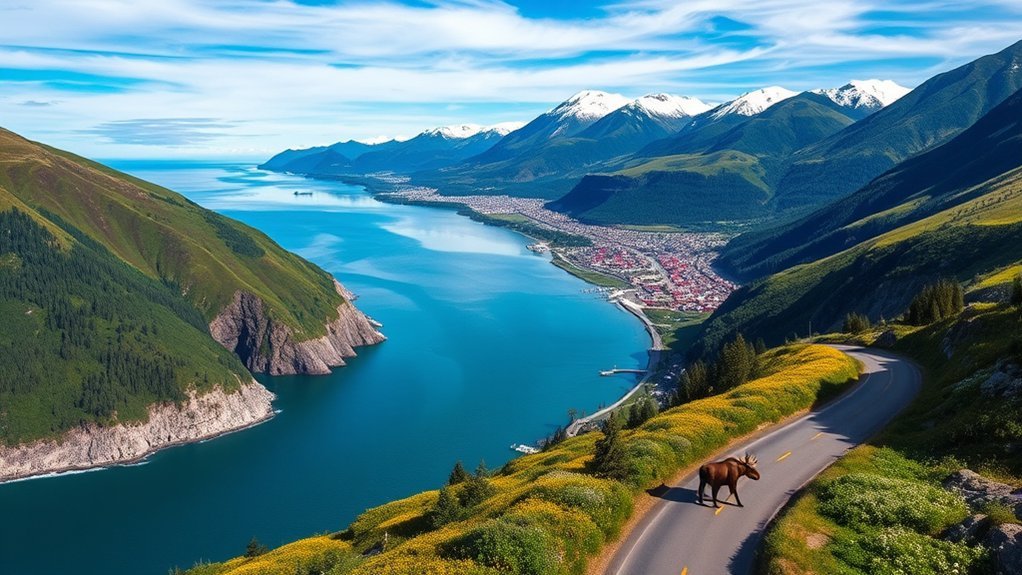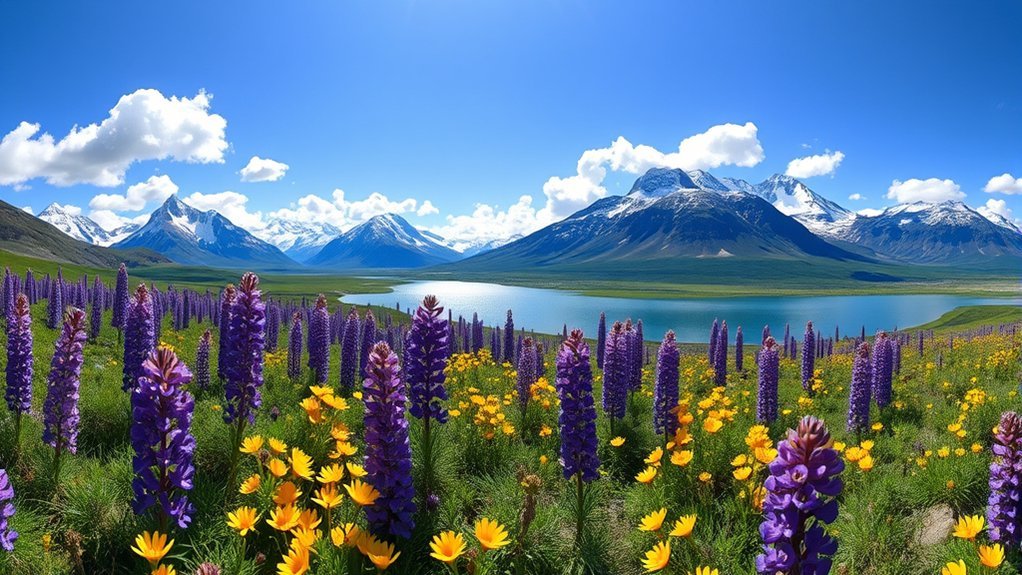
Alaska’s summer is short, but its wildflower season can be spectacular. As snow retreats, flowers appear along coastal paths, in boreal forests, beside wetlands, across tundra, and in high alpine meadows. June and July offer the broadest statewide viewing window, but the best dates depend on your region, elevation, habitat, and that year’s snowmelt.
Quick Answer
The best overall time to see wildflowers in Alaska is from mid-June through July. Lower coastal and forest trails may bloom earlier, while alpine and northern tundra routes often bloom later. For fireweed, July into August is usually better. Always check snow, trail, weather, and access conditions before leaving.
Key Takeaways
- Best broad window: June and July usually provide the widest mix of Alaska wildflowers.
- Follow the snowmelt: Low valleys and coastal paths normally bloom before alpine passes and northern tundra.
- Fireweed comes later: Its bright pink flowers commonly appear from July into August, although local timing varies.
- Match the trail to your ability: Alaska’s flower-viewing options range from paved city paths to remote routes with snow, river crossings, and no cell service.
- Check conditions first: Temporary closures, lingering snow, wildfire smoke, high water, and transportation changes can affect summer plans.
The provisional Flora of Alaska checklist contains 2,773 accepted names for vascular genera, species, microspecies, and infraspecies known to occur in the state. Not all of them are wildflowers, but the total shows how diverse Alaska’s plant life is.
Understanding Alaska’s Wildflower Seasons
Alaska does not have one fixed statewide peak. Bloom time changes with latitude, elevation, exposure, recent temperatures, snow depth, and the amount of moisture available after snowmelt.
Sunny coastal paths and low Southcentral slopes can show flowers in late May or early June. Forest and meadow flowers usually become more varied during June. Alpine passes, shaded slopes, and northern tundra often follow later because snow remains longer.
In Denali National Park and Preserve, the National Park Service says wildflowers generally begin blooming in early June and remain visible through late July. Most have gone to seed by early August. That is a helpful Interior Alaska example, but coastal, western, and high-elevation locations can follow different schedules.
Pro Tip: Plan around habitat and snowmelt rather than one exact calendar date. When low trails are already green, higher routes may still hold snow. Checking recent trail photographs, ranger reports, and local visitor information can give you a better idea of current bloom progress.
Alaska Wildflower Bloom Calendar by Region
| Region or habitat | Typical viewing window | What to expect | Planning note |
|---|---|---|---|
| Southcentral lowlands | Late May through July | Forest, wetland, meadow, and roadside flowers | Fireweed often becomes more noticeable from July into August. |
| Southcentral alpine trails | Late June through August | Compact tundra plants, avens, poppies, harebells, and alpine meadows | Lingering snow and wet trails may delay safe access. |
| Interior and Denali | Early June through late July | Boreal forest plants, tundra flowers, pasqueflower, geranium, and avens | Many flowers begin setting seed by early August. |
| Southeast Alaska | May through July, with later alpine blooms | Rainforest understory, wetlands, coastal plants, and open mountain meadows | Expect rain, mud, slick roots, and rapidly changing visibility. |
| Western and northern tundra | June through August | Forget-me-nots, dryas, poppies, harebells, and fireweed | The main bloom can be brief and strongly affected by late snow and cold weather. |
These windows are planning ranges, not bloom guarantees. A cold spring can delay flowers, while an early thaw can move the season forward. The same trail may also have spring flowers near the trailhead and early-stage alpine flowers several thousand feet higher.
Top Wildflower Hikes in Southcentral Alaska
Southcentral Alaska offers everything from paved city trails to multi-day mountain routes. Early summer can still bring snow at higher elevations, so choose your route based on current conditions rather than the date alone.
Crow Pass Trail
Crow Pass climbs from the Girdwood side of the Chugach Mountains into open alpine terrain. A shorter out-and-back toward the pass can provide mountain views and summer flowers without committing to the full route.
The complete Crow Pass traverse is approximately 23.1 miles one way. Alaska State Parks describes it as moderately difficult and notes scrambling, steep terrain, and a ford of Eagle River. Late June through September is generally the recommended season for the full traverse, but water and snow conditions still need to be checked.
Warning: Do not treat the full Crow Pass traverse as an ordinary flower walk. The river ford can be dangerous or impossible when water is high. Use the marked crossing, review current park guidance, and turn back when conditions exceed your ability.
Kachemak Bay State Park
Kachemak Bay State Park has coastal forests, mountain slopes, wetlands, and backcountry trails near Homer. Its varied habitats can support flowers from near sea level into alpine terrain.
The park has no road access. Visitors normally arrive by private boat, commercial water taxi, or aircraft. Some areas have little or no cell service, and the park advises backcountry visitors to be prepared to handle emergencies themselves. Confirm your pickup arrangements and carry a reliable communication device on remote trips.
Tony Knowles Coastal Trail
The approximately 11-mile Tony Knowles Coastal Trail is a paved, multi-use route between downtown Anchorage and Kincaid Park. It is the easiest option in this list for a relaxed walk, family outing, wheelchair-compatible planning on suitable sections, or bicycle ride.
Flowers grow along forest edges, open coastal areas, wetlands, and disturbed ground beside the trail. This is a better choice than a backcountry route when your priority is easy access rather than alpine species.
Resurrection Pass Trail
Resurrection Pass Trail connects the Hope and Cooper Landing areas through Chugach National Forest. The full route is approximately 38.4 miles, and the Forest Service recommends allowing about two to four days for an end-to-end trip.
Lower sections pass through spruce, birch, and aspen forest before the route reaches tundra and open wildflower habitat. Short day hikes from either end are possible, while the complete route requires overnight planning. Heavy snow can remain around the pass into late spring, muddy sections are common, and surface water should be filtered or otherwise properly treated.
Wildflower Locations in Interior Alaska
Denali National Park and Preserve
Denali’s main wildflower season usually runs from early June through late July. The National Park Service’s Denali plant-viewing guide highlights several front-country areas:
- Rock Creek Trail: Forest understory flowers commonly bloom during June and early July.
- Horseshoe Lake Trail: Forest, floodplain, and lakeside habitats provide plant variety along with possible wildlife sightings.
- Savage Alpine Trail: Higher-elevation habitat supports alpine plants, although exposure and snow can make conditions more demanding.
Pets are prohibited on most Denali hiking trails. Leashed pets are allowed only in designated areas such as the Park Road, Roadside Trail, and Bike Path, so do not assume a dog can accompany you on a promoted flower-viewing route.
Creamer’s Field in Fairbanks
Creamer’s Field Migratory Waterfowl Refuge has a network of easy nature trails through open fields, seasonal wetlands, and boreal forest. It is a practical choice for a short walk close to Fairbanks.
Volunteer naturalists lead summer walks, although subjects, dates, and trail availability can change. Check the official visitor page before arriving because individual paths may close temporarily.
Chena River State Recreation Area
Chena River State Recreation Area provides both short day hikes and longer routes into alpine tundra east of Fairbanks.
- Angel Rocks Trail: A 3.5-mile round trip through forest to rock formations and elevated views.
- Granite Tors Trail: A much longer 15-mile loop that reaches open tundra and large granite formations.
- Chena Dome Trail: A remote multi-day route that rises quickly above timberline.
Alaska State Parks notes that the Granite Tors area can have pasqueflowers in spring and a wider mix of poppies, anemones, and other flowers during June and July. Weather changes quickly above timberline, and water may be unavailable or unsafe without treatment.
Wildflower Hotspots in Southeast Alaska
Southeast Alaska is wetter than much of the state. Look for flowers and showy plants along temperate-rainforest paths, wetlands, muskeg, recently exposed ground, shorelines, and open mountain meadows.
| Location | Best features | Plants to watch for | Access note |
|---|---|---|---|
| Glacier Bay National Park and Preserve | Glaciers, coastal forest, meadows, and plant succession | Fireweed, dryas or mountain avens, horsetail, and other pioneer plants | Some destinations require boat-based or guided logistics. |
| Tongass National Forest | Temperate rainforest, beaches, streams, wetlands, and mountain terrain | Salmonberry, bunchberry, skunk cabbage, geranium, and wet-forest plants | Expect wet ground, slick roots, mud, and frequent rain. |
| Juneau-area trails | Urban trail access with rainforest, waterfalls, and mountain views | Geranium, columbine, fireweed, and forest-edge flowers | Low trails may be clear while higher routes still hold snow. |
Wildflowers in Western and Northern Alaska
Western and northern Alaska have a compressed growing season. Once snow disappears and temperatures rise, tundra plants may flower quickly to take advantage of long summer daylight.
The National Park Service’s Bering Land Bridge wildflower guide lists alpine forget-me-not blooming around May and June, while common and dwarf fireweed generally bloom from July into August on the Seward Peninsula. Arctic poppies, dryas, harebells, and other low-growing tundra plants can also appear during the brief summer.
Many northern and western destinations are remote, and access may require flights, local transportation, guides, or careful road planning. Confirm lodging, fuel, emergency communication, and return transportation before building a trip around one bloom window.
Wildflowers and Plants to Look For
The flowers you find depend strongly on habitat. Identifying the setting first can make identification easier.
- Alpine tundra and rocky slopes: Arctic poppy, mountain avens or dryas, moss campion, harebells, and compact cushion plants.
- Open meadows and disturbed ground: Fireweed, lupine, yarrow, paintbrush, and geranium.
- Boreal forest: Bunchberry, twinflower, wintergreen, woodland geranium, and low shrubs.
- Wetlands and stream edges: Dwarf fireweed, marsh marigold, iris, sedges, and moisture-loving plants.
- Southeast rainforest: Salmonberry, skunk cabbage, bunchberry, foamflower, columbine, and ferns.
The blue alpine forget-me-not is Alaska’s official state flower. Fireweed is one of the state’s most recognizable summer plants, but it is especially common on disturbed ground, roadsides, riverbeds, and areas recovering after fire.
Tips for Identifying Wildflowers in Alaska
- Use more than one clue: Compare the flower, leaves, stem, plant height, and habitat instead of relying only on color.
- Take two or three photographs: Capture the flower close up, the leaves and stem, and the entire plant in its surroundings.
- Record the location and habitat: Note whether the plant was in forest, wet tundra, gravel, meadow, or alpine rock.
- Use a regional guide: A field guide, park plant list, or offline identification app can narrow the possibilities.
- Confirm uncertain identifications: Similar-looking species can be difficult to separate from photographs alone.
- Leave plants in place: Photograph flowers without picking, digging, or crushing nearby vegetation.
Warning: Never eat a wild plant because an app, photograph, or online post appears to identify it. Some edible and toxic plants can look similar. Foraging may also be restricted, and plants beside roads or treated areas can be contaminated.
Preparing for an Alaska Wildflower Hike
- Footwear: Wear shoes or boots with reliable grip for mud, wet roots, loose rock, and snow patches.
- Layers: Carry a waterproof shell and a warm insulating layer, even when the morning is clear.
- Sun and insects: Bring sunscreen, sunglasses, a hat, insect repellent, and a head net when mosquitoes are heavy.
- Navigation: Download an offline map and carry a backup navigation method on remote routes.
- Water: Carry enough for the planned route. Treat water collected from streams, ponds, or lakes.
- Emergency supplies: Pack food, basic first aid, an emergency layer, and a light source in case the trip takes longer than expected.
- Communication: A satellite messenger or personal locator beacon can be valuable where cell coverage is unreliable.
- Wildlife preparation: Learn local bear guidance and carry bear spray where appropriate and legal, keeping it immediately accessible rather than buried in your pack.
Note: Check the responsible land manager’s alerts shortly before departure. Snow, high water, wildfire smoke, damaged bridges, bear activity, maintenance, and transportation interruptions can change access after you make your original plan.
Wildlife Safety and Protecting Flower Areas
Most of Alaska is bear country. Stay alert, make noise where vegetation or terrain limits visibility, avoid approaching wildlife, and never run from a bear. Follow the location-specific instructions provided by rangers because recommended responses can depend on the animal’s behavior and the circumstances.
The National Park Service’s Alaska wildlife-safety guidance advises visitors to stay at least 300 yards from bears and at least 25 yards from other animals, dens, and nests. Increase the distance whenever your presence changes an animal’s behavior.
Protect flower habitat by following Leave No Trace guidance for Alaska:
- Use established trails where they exist.
- Walk on durable surfaces rather than stepping around other hikers into flowers.
- Do not pick flowers or remove natural objects.
- Keep food, scented items, and trash secured in bear country.
- Give wildlife the right of way.
- Pack out everything you bring.
Frequently Asked Questions
What is the best month to see wildflowers in Alaska?
July is the best single month for broad statewide coverage. June is often better for lower trails and early Interior flowers, while late July and August can be better for high-elevation plants and fireweed. Snowmelt and local weather can shift the peak.
Are guided wildflower hikes available in Alaska?
Yes, but schedules and subjects change. Parks, refuges, botanical groups, and local guides may offer naturalist or plant-focused walks during summer. Creamer’s Field in Fairbanks offers seasonal naturalist walks, while national-park visitor centers can provide current ranger-program information.
What should I wear for an Alaska wildflower hike?
Wear sturdy shoes or boots and use layers. Carry a rain shell, warm layer, hat, sunscreen, insect protection, and extra socks. Alpine weather can become cold, wet, or windy even when conditions at the trailhead feel mild.
Can I bring my dog on Alaska wildflower hikes?
It depends on the land manager and trail. Denali prohibits pets on most hiking trails, while some state parks allow dogs under leash or control rules. Check the exact route before leaving, carry waste bags, and keep your dog away from flowers and wildlife.
What are the main safety concerns in flower areas?
Important concerns include bears and moose, rapid weather changes, slippery roots, lingering snow, untreated water, river crossings, tides on coastal routes, insects, and limited communication. Check current conditions, tell someone your route, and match the hike to your skills.
How can I preserve wildflowers without harming them?
Leave flowers where they grow, stay on established paths, avoid stepping into meadows for photographs, and do not dig up plants. Use a zoom lens when necessary and pack out all trash so the habitat remains healthy.
Can I pick or eat Alaska wildflowers?
Do not pick plants unless you have confirmed that collection is legal and environmentally responsible. Never eat a plant based only on an app or photograph. Accurate identification may require examining leaves, stems, habitat, and other details that a single image does not show.
Sources
- Flora of Alaska Provisional Checklist — supports the current vascular-plant taxonomy count and its limitations.
- Denali National Park and Preserve: Operating Hours and Seasons — supports Denali’s early-June-through-late-July bloom window.
- Alaska State Parks Crow Pass Trail Guide — supports distance, difficulty, river-ford, elevation, and seasonal guidance.
- Kachemak Bay State Park — supports access, communication, and backcountry-planning information.
- U.S. Forest Service Resurrection Pass South Trail Guide — supports route length, terrain, timing, snow, wildlife, and water guidance.
- National Park Service Wildlife Safety in Alaska — supports wildlife distance, bear-awareness, food-storage, and encounter guidance.