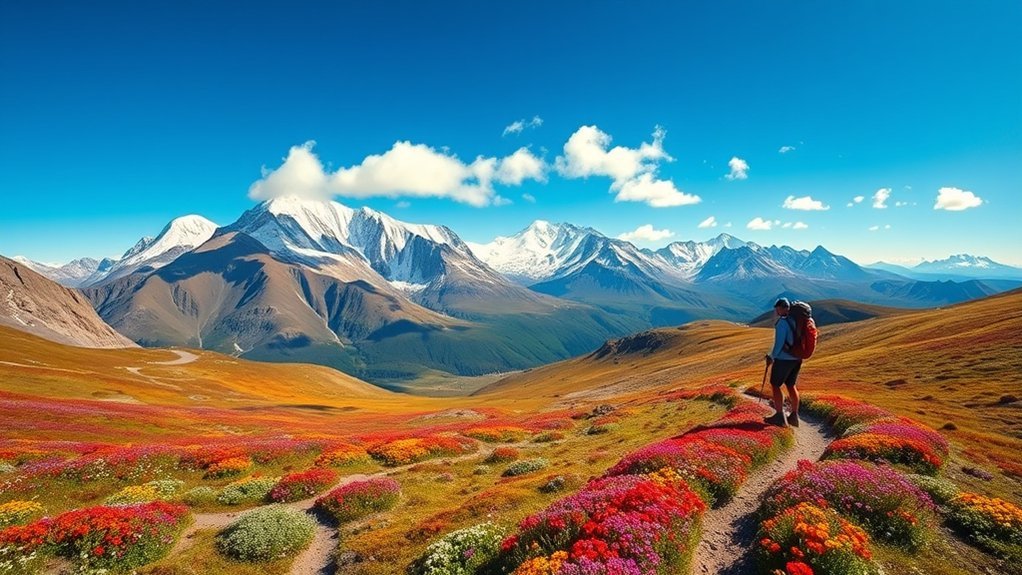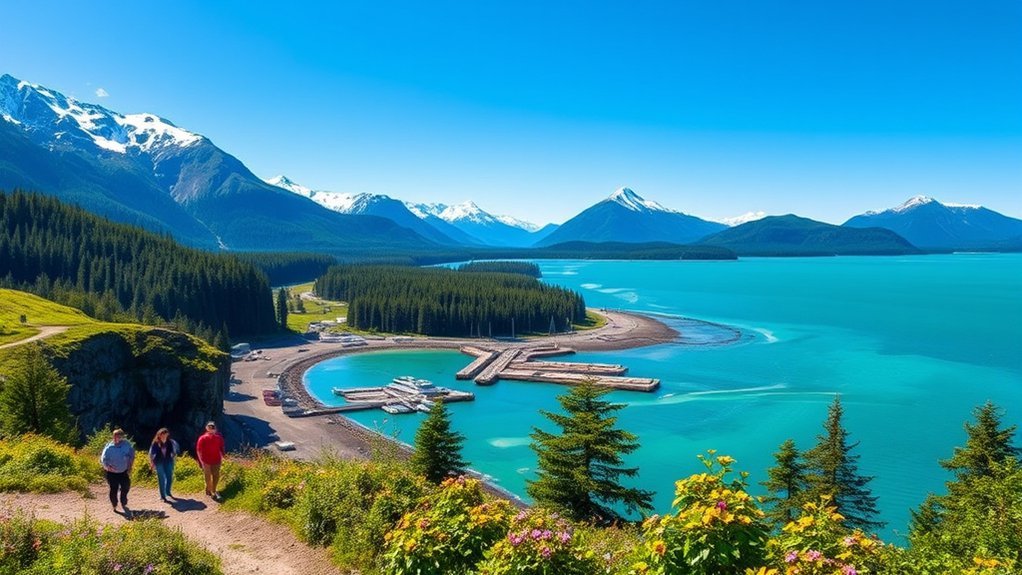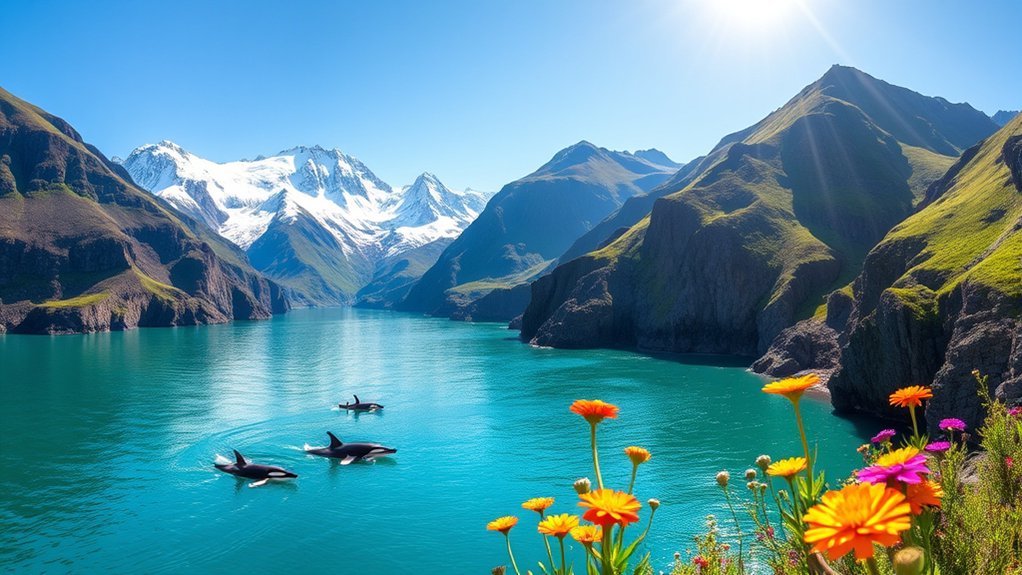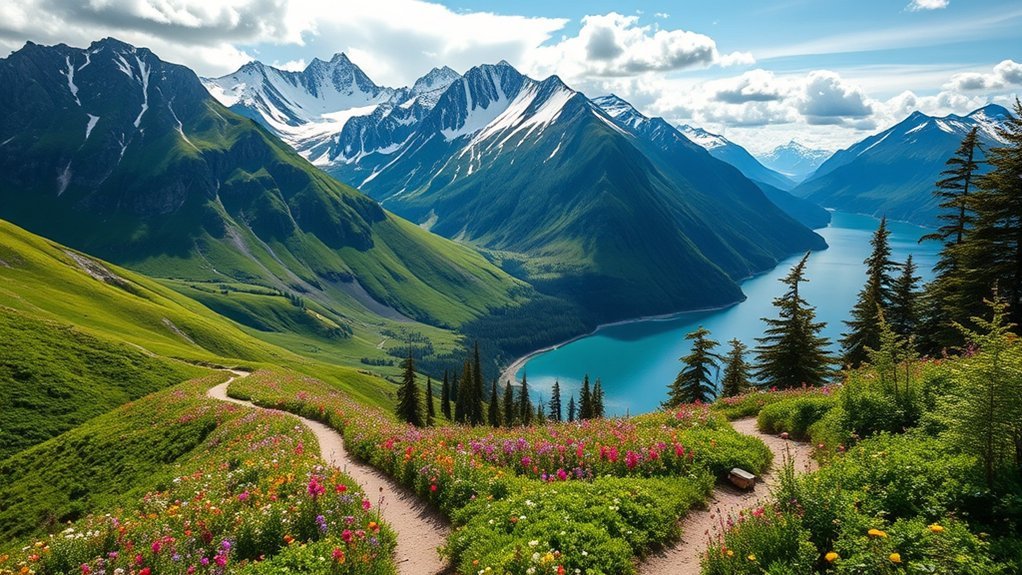
Seward gives you a rare mix of glacier hikes, steep mountain climbs, forest trails, and quiet coastal walks in one small area. You can stand near Exit Glacier, climb toward the Harding Icefield, or slow down on shoreline paths with views of Resurrection Bay. This guide covers the best hikes near Seward, Alaska, with clear notes on trail difficulty, scenery, wildlife, and safety so you can choose the right route for your day.
What’s in This Article
Quick Answer
The best hikes near Seward include Exit Glacier Trail, Harding Icefield Trail, Mount Marathon Trail, Tonsina Point Trail, Lost Lake Trail, and Lowell Point Trail. Choose Exit Glacier or Seward Lagoon for easier walks, Harding Icefield or Mount Marathon for hard climbs, and Tonsina Point or Lowell Point for coastal views.
Key Takeaways
- Choose Exit Glacier Trail if you want an easy glacier-focused hike near Seward.
- Pick Harding Icefield Trail if you want a hard, full-day climb with wide icefield views.
- Try Tonsina Point or Lowell Point if you prefer quiet coastal scenery and wildlife viewing.
- Pack rain layers, sturdy shoes, water, snacks, and bear safety gear before you start.
- Check current trail conditions before hiking because weather, snow, and closures can change fast.
Exit Glacier Trail
If you want a short hike with a strong reward, Exit Glacier Trail belongs high on your list. This popular route sits in the Exit Glacier area of Kenai Fjords National Park and gives you close views of one of Seward’s most famous glaciers.
The main paths here pass through forest, open gravel areas, and glacier-view zones. You’ll see signs of a changing landscape as the glacier has pulled back over time.
Keep an eye out for birds, small mammals, and mountain views as you walk. Stay on marked trails because the glacier area can have loose rock, cold meltwater, and unstable ground.
At the trail’s end, take in the glacier view from a safe distance and listen for the sharp crack of moving ice.
This hike works well for visitors who want big scenery without a long mountain climb. It also makes a smart first stop before you try harder trails near Seward.
Harding Icefield Trail
Just beyond the easier Exit Glacier paths, the Harding Icefield Trail gives you one of the most dramatic hikes in Alaska. This route climbs hard from the valley floor toward wide views of the Harding Icefield.
The trail starts in forest, then rises through meadows and rocky alpine terrain. As you gain height, Exit Glacier drops below you and the icefield begins to spread across the horizon.
You’ll need strong legs, steady pacing, and good weather judgment for this hike. Snow can remain on higher sections, and clouds can cover the views quickly.
Wildlife sightings can include marmots, mountain goats, black bears, and birds. Keep your distance, make noise in brushy areas, and store food with care.
Warning: Harding Icefield Trail is strenuous, so turn around early if weather, snow, or fatigue starts to reduce your safety margin.
Mount Marathon Trail
Mount Marathon Trail gives you a steep, direct challenge close to downtown Seward. This famous mountain rises fast above town and rewards strong hikers with views over Seward and Resurrection Bay.
The route includes steep dirt, roots, rocks, and loose sections. You should expect a demanding climb rather than a relaxed walk.
The air can feel cool and fresh as you climb, but the effort builds quickly. Take breaks, watch your footing, and avoid rushing on the descent.
The mountain air feels sharp and clean, and the upper views give you a strong sense of achievement.
Mount Marathon suits experienced hikers who feel comfortable on steep terrain. If you want the views without pushing too hard, hike only to a safe lower viewpoint and turn back.
Tonsina Point Trail
After a steep mountain route, Tonsina Point Trail offers a calmer way to enjoy the Seward coast. This trail starts near Lowell Point and leads through forest toward beach and bay views.
The route feels peaceful, with tall trees, coastal air, and glimpses of Resurrection Bay. The trail can get muddy, so wear shoes that handle wet ground.
Watch for sea otters, seals, bald eagles, and seabirds near the water. Tides can affect beach travel, so check tide timing before you plan extra walking beyond the main trail.
Tonsina Point works well for families, casual hikers, and visitors who want scenery without a major climb. It’s also a good choice when low clouds block higher mountain views.
Resurrection Pass Trail
The Resurrection Pass Trail offers a longer backcountry experience north of Seward. The full route stretches between the Hope and Cooper Landing areas, so it works best as a planned day hike or multi-day trip.
This trail passes through forest, open valleys, lakes, streams, and mountain scenery. Summer brings wildflowers, while fall brings gold and red colors across the landscape.
You may see moose, bears, birds, and smaller wildlife along the way. Carry bear spray, make noise in thick brush, and keep food secured.
If you don’t want the full route, choose a shorter out-and-back hike from one trailhead. You’ll still get a strong taste of Alaska’s interior trail scenery.
Lost Lake Trail
Lost Lake Trail is one of the most loved hikes near Seward for hikers who want forest, alpine views, and a clear mountain lake. The full route takes more time than a short casual walk, so plan your day with care.
The trail climbs through thick forest before it reaches more open terrain. As you rise, mountain views begin to widen around you.
Lost Lake sits in a beautiful alpine setting, with peaks and open slopes nearby. Bring layers because wind and weather can change fast above the trees.
The trail is a strong choice for fit hikers who want a longer day outside. Start early if you plan to reach the lake and return the same day.
Pro tip: Start Lost Lake Trail early on clear days because clouds often build around the mountains later.
Bear Lake Trail
Bear Lake Trail gives you a quieter outdoor option near Seward. The area offers lake views, forest scenery, and a more relaxed pace than Seward’s steep mountain routes.
As you hike, listen for birds and watch for small wildlife near the trees. The calm setting makes this trail a good pick when you want a slower nature break.
Bear Lake can look especially peaceful on still days, when the water reflects nearby hills and sky. Pack insect repellent in warm months, since wet areas can attract mosquitoes.
This route can work for families and solo hikers, but you should still prepare for changing weather. Even easy trails near Seward can feel cold, wet, or muddy after rain.
Seward Lagoon Trail
Seward Lagoon Trail gives you an easy walk close to town. It’s a good choice when you want fresh air, coastal views, and wildlife without a long drive.
As you follow the path, you’ll see lagoon water, open sky, and nearby mountain backdrops. The flat terrain makes the area friendly for many skill levels.
Look for ducks, gulls, eagles, and other birds around the lagoon. You may also spot marine wildlife near the broader waterfront area.
This trail works well as a short morning walk or a gentle evening stroll. It also pairs nicely with time around Seward’s harbor and waterfront.
Lowell Point Trail
The Lowell Point Trail area offers a mix of stunning scenery and unique wildlife experiences just outside Seward. You’ll find coastal forest, beach access, and views across Resurrection Bay.
As you walk near the coast, mountains and water shape nearly every view. Keep your eyes open for seals, sea otters, eagles, and seabirds.
Trail Overview
Lowell Point sits south of downtown Seward and acts as a gateway to several coastal walks. Trails in this area tend to feel more relaxed than Mount Marathon or Harding Icefield.
The shoreline setting gives you ocean sounds, forest shade, and open views in one outing. Some sections can feel muddy or slippery after rain, so take your time.
Use this area when you want a flexible hike close to town. You can keep it short or connect your walk with nearby coastal routes.
Scenic Highlights
Along the Lowell Point area, scenic highlights appear quickly. You’ll see the turquoise and gray-blue tones of Resurrection Bay framed by rugged mountains.
The sound of waves creates a calm rhythm as you move through coastal forest. In summer, wildflowers can add color along open spots near the trail.
Saltwater scent mixes with spruce and damp earth, giving the route a true coastal Alaska feel. Each bend can bring a fresh view of water, cliffs, or forest.
Wildlife Spotting Tips
To spot wildlife near Lowell Point, move slowly and stay quiet. Early mornings and late afternoons often give you better chances to see animals.
Use binoculars instead of getting close. Wild animals need space, and close contact can create danger for both you and them.
| Animal Type | Best Spotting Time | Tips |
|---|---|---|
| Sea Otters | Morning | Look near calm shoreline areas. |
| Bald Eagles | Late Afternoon | Scan tall trees and open sky. |
| Moose | Early Morning | Stay quiet and watch brushy edges. |
How to Choose the Right Seward Hike
Choose your Seward hike based on time, fitness, weather, and how much elevation you want. A short walk can still give you strong scenery, especially near Exit Glacier, Lowell Point, or the lagoon.
If you want glacier views, start with Exit Glacier or Harding Icefield. If you want a hard climb, choose Mount Marathon or Harding Icefield only when weather looks safe.
If you prefer forest and coastal views, pick Tonsina Point, Lowell Point, or Bear Lake. For a longer mountain-lake goal, plan for Lost Lake and start early.
Safety Tips for Hiking Near Seward
Seward weather can shift from sun to rain, wind, or fog in a short time. Pack layers, rain gear, water, snacks, a map, and a charged phone before you leave.
Bear country rules matter on these trails. Make noise in brush, keep food sealed, carry bear spray if you know how to use it, and never approach wildlife.
Tell someone your route and return time, especially on longer hikes. Turn around early if you meet deep snow, poor visibility, rising water, or unsafe trail conditions.
Note: Trail conditions near Seward can change by season, so check local updates before you start.
Frequently Asked Questions
Are Permits Required for Hiking These Trails?
You usually won’t need a hiking permit for most day hikes near Seward. Some parks, cabins, campgrounds, or backcountry areas may have separate rules, so check the managing agency before you go.
What Is the Best Time of Year to Hike?
Late spring through early fall usually gives you the best mix of access, daylight, and trail conditions. Higher trails can still hold snow, so check current conditions before planning a big climb.
Are There Guided Tours Available for These Hikes?
Yes, guided hiking options operate around Seward and the Kenai Fjords area. A guide can help with route choice, glacier-area safety, wildlife awareness, and local history.
Can I Bring My Dog on These Trails?
Dog rules vary by trail and managing agency. Check each trail’s current rules, keep your dog leashed where required, and always clean up waste.
What Should I Pack for a Day Hike?
Pack water, snacks, rain gear, warm layers, a first aid kit, a map, and sturdy footwear. For longer or remote hikes, add bear spray, a headlamp, and an emergency communication plan.
Conclusion
The best hikes near Seward give you glaciers, mountains, forests, lakes, and coastal views in one unforgettable area. Choose a trail that matches your fitness, time, and weather conditions for the day.
Start with an easier route like Exit Glacier, Seward Lagoon, or Tonsina Point if you want a relaxed outing. Save Harding Icefield, Mount Marathon, or Lost Lake for days when you feel ready for a bigger challenge.
With smart planning and respect for Alaska’s wild conditions, your Seward hike can become one of the most memorable parts of your trip.
References
- Exit Glacier Area — National Park Service
- Harding Icefield Trail — National Park Service
- Caines Head State Recreation Area — Alaska Department of Natural Resources
- Resurrection Pass Trail — U.S. Forest Service