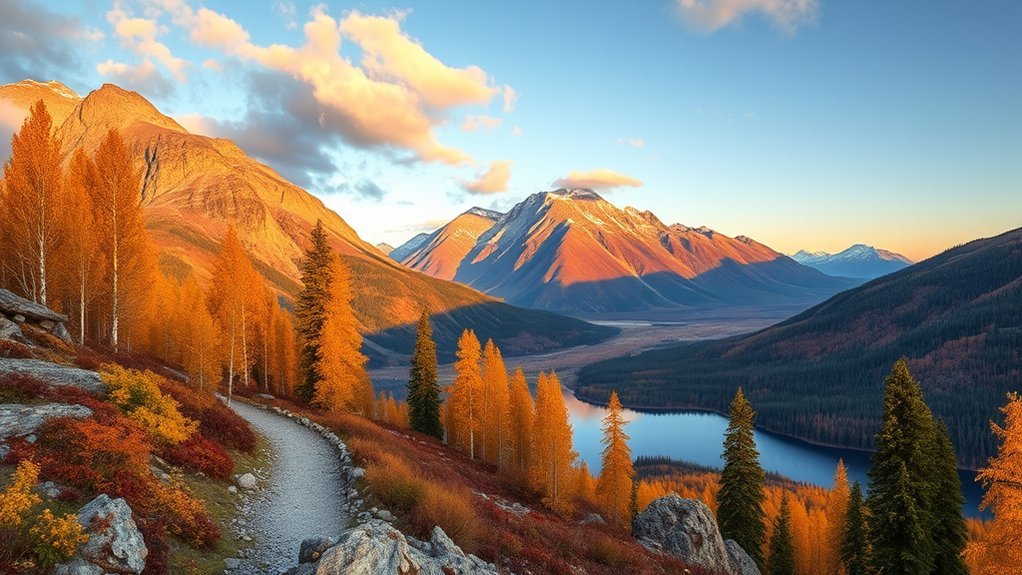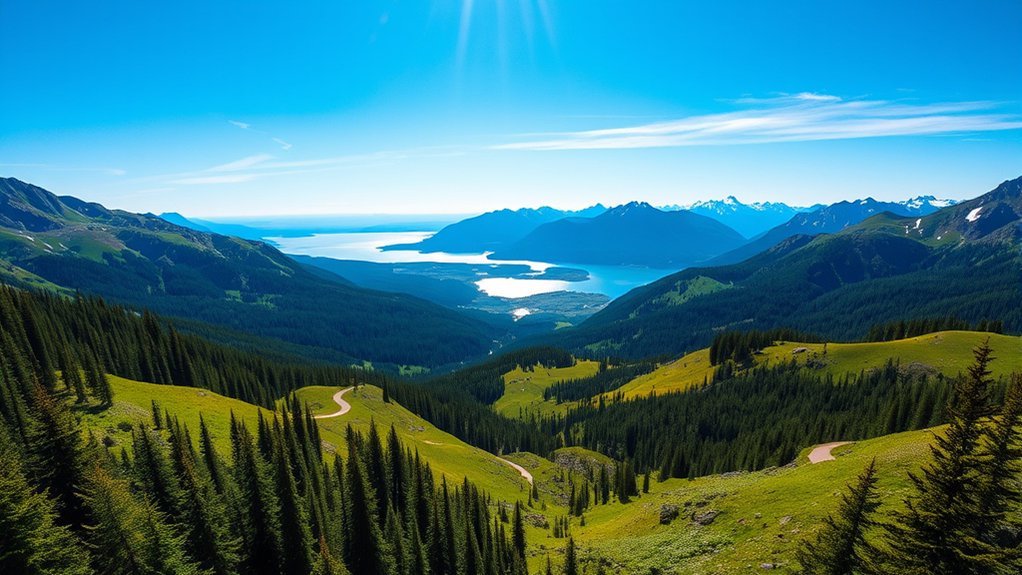
Chugach State Park gives you access to about 495,000 acres of mountains, valleys, lakes, forests, and wildlife habitat beside Anchorage. You can stop at an accessible overlook, hike a steep summit trail, bike beside Eklutna Lake, camp near Eagle River, or follow the Seward Highway along Turnagain Arm. Good planning matters because trail difficulty, parking, weather, wildlife activity, and seasonal facilities vary across this very large park.
Quick Answer
Visit Chugach State Park from Anchorage by choosing one area that matches your time and ability. Glen Alps works well for overlooks and Flattop, Eagle River offers forest and valley trails, Eklutna Lake suits biking and camping, and Turnagain Arm combines short hikes with a scenic drive. Check fees, conditions, and wildlife notices before leaving.
Key Takeaways
- Chugach State Park begins near Anchorage but includes remote mountain terrain, so choose a specific access point before you leave.
- June through early September is usually the simplest period for first-time summer hikers, but snow, rain, wind, and mud can still affect higher trails.
- The Anchorage Overlook, Thunderbird Falls, Turnagain Arm Trail, and lower valley routes are better starting points than Flattop or Crow Pass for inexperienced hikers.
- Many major developed trailheads currently charge a $5 day-use parking fee, although fees and facility status can change.
- Carry layers, water, navigation, and accessible bear deterrent, and know that your response to a bear differs from your response to a charging moose.
At a Glance
| Best Time to Visit | June through early September for the simplest summer access; spring and fall require more flexibility; winter requires snow and avalanche skills |
| Typical Day-Use Fee | $5 at many major developed facilities and trailheads; confirm the current fee for your exact location |
| Difficulty | Accessible overlooks and short forest walks to steep summit hikes, river crossings, and multi-day backcountry routes |
| What to Bring | Layers, rain shell, water, food, offline map, charged communication device, sturdy footwear, headlamp, and accessible bear spray |
| Best For | Hiking, scenic drives, photography, wildlife viewing, camping, biking, fishing, skiing, snowshoeing, and mountain views near Anchorage |
Chugach State Park covers about 495,000 acres and includes more than 280 miles of trails, ranging from a quarter-mile accessible overlook to long backcountry routes.
Getting to Chugach State Park
Chugach State Park lies mostly within the Municipality of Anchorage, and its western edge is only a few miles east of downtown. There is no single main entrance. Instead, you enter through separate trailheads, recreation areas, campgrounds, and roadside access points spread from Eklutna and Eagle River to the Anchorage Hillside and Turnagain Arm.
Start by choosing the part of the park that fits your goal. The official Chugach State Park page provides park maps, campground information, public-use cabin details, and links to area brochures.
Choosing an Access Area
| Area | Best For | What to Expect |
|---|---|---|
| Glen Alps | First visits, overlooks, sunsets, Flattop, Powerline Valley | Popular parking area, toilets, accessible overlook, exposed mountain terrain, and busy summer periods |
| Eagle River | Forests, river scenery, nature walks, longer valley routes | Wooded trails, wildlife habitat, seasonal mud, possible wildlife closures, and access to the northern end of Crow Pass |
| Eklutna Lake | Camping, biking, lakeside travel, cabins, boating | Long gravel lakeside route, campground, public-use cabins, mountain views, and activity-specific trail rules |
| Turnagain Arm | Scenic driving, photography, short hikes, coastal views | Seward Highway pullouts, steep mountains, tidal flats, exposed viewpoints, and trailheads such as Potter, McHugh Creek, Rainbow, and Bird Ridge |
| Bird Creek and Bird Point | Fishing access, camping, sunsets, paved cycling | Road-accessible facilities, Turnagain Arm views, campground access, and the Bird-to-Gird pathway |
If you are driving south from Anchorage, the Seward Highway follows Turnagain Arm beneath the Chugach Mountains. It is a destination in its own right, with mountain, water, waterfall, tidal-flat, and wildlife-viewing possibilities. Use designated pullouts rather than stopping along narrow shoulders.
Glen Alps Trailhead is a common starting point for Flattop Mountain, the Anchorage Overlook, and routes into Powerline Valley. The lot can fill on clear summer days and evenings. Check the parking webcam through the official park page before driving uphill, and choose another trailhead if the lot is full.
The Eagle River side gives you a more wooded, valley-style visit. It works well for visitors who prefer river scenery, shorter nature walks, or longer routes without beginning on an exposed Anchorage Hillside ridge.
Public transportation can help you move around Anchorage, but it does not provide simple direct service to every Chugach trailhead. A rental car, rideshare, taxi, shuttle, guided trip, or arranged pickup is usually more practical. Confirm your return transportation before starting a trail, especially where cell service may be weak.
Note: Use marked public trailheads. Some informal access routes cross neighborhoods or private property, and not every path shown on an online map is a legal or suitable park entrance.
Parking Fees and Current Conditions
Chugach State Park does not have one admission gate or one park-wide entrance charge. However, the current Alaska State Parks fee schedule lists a $5 day-use parking fee at many major developed sites, including Glen Alps, Eklutna Lake, Bird Point, McHugh Creek, Thunderbird Falls, and South Fork Eagle River. Pay at the location as directed and do not assume that one unpaid lot means every access point is free.
Fees, gates, campground openings, drinking water, restrooms, and temporary closures can change. Check the official park-condition and closure page on the day of your trip. Wildlife activity, flooding, trail damage, fire restrictions, snow, or maintenance may affect an otherwise familiar route.
Best Times to Visit
The easiest season for most first-time visitors is usually June through early September. These months offer long daylight, milder temperatures, and the widest range of summer activities. They do not guarantee dry or snow-free trails. High routes can hold snow, and rain can make roots, rocks, boardwalks, and steep slopes slippery.
Spring
May can bring longer days and improving access at lower elevations, but mountain trails may still have snow, ice, mud, or unstable seasonal conditions. A south-facing trail beside Turnagain Arm may clear earlier than a shaded valley or high ridge. Choose the trail based on its current condition, not only the calendar.
Summer
Summer is the busiest period for hiking, camping, biking, sightseeing, wildlife viewing, and photography. Wildflowers can appear on open slopes, while long daylight gives you more time to complete a route. Popular parking areas can fill, mosquitoes may be active, and warm afternoons can raise glacial-river levels.
Fall
Late August and September can bring yellow, red, and orange vegetation, cooler air, and fewer visitors. Color timing changes by year and elevation, so late September is not a guaranteed peak. Days also shorten quickly, and early snow can return to higher terrain.
Winter
Winter supports skiing, snowshoeing, fat biking on permitted routes, and winter photography. It also introduces short daylight, icy roads, deep snow, concealed trail edges, and avalanche terrain. A route that is simple in July may cross serious avalanche paths in winter.
Warning: Do not enter avalanche terrain because a summer trail line looks familiar. Winter backcountry travel requires an avalanche forecast, rescue equipment, training, and the ability to choose terrain that matches current conditions.
Whatever the season, do not treat a sunny morning as a full-day guarantee. Wind, fog, rain, snow, and temperature drops can arrive quickly, especially above tree line.
Popular Hiking Trails
Chugach State Park has more than 280 miles of trails and routes. Some are maintained paths with signs and developed trailheads. Others become rough mountain routes with loose rock, snowfields, unbridged water, or limited markers. Review the official Chugach State Park recreation and trail information before choosing one.
Distance alone does not determine difficulty. A short route can be strenuous when it gains elevation quickly, includes scrambling, or exposes you to wind and loose rock.
Popular Trail Options
| Trail | Official Distance | Difficulty | Best For |
|---|---|---|---|
| Anchorage Overlook | 0.25-mile loop; about 53 feet of gain | Easy and wheelchair accessible | First visits, sunsets, short stops, limited mobility |
| Thunderbird Falls | 1 mile one way; about 100 feet of gain | Easy, with rolling terrain | Forest walk, waterfall viewpoint, families |
| Turnagain Arm Trail | Up to 9.4 miles one way, divided into shorter sections | Mostly easy; some moderate sections | Coastal views, spring hiking, flexible distances |
| South Fork Valley | 6 miles one way to Symphony and Eagle Lakes; about 400 feet of gain | Easy grade but long, wet, and rocky near the lakes | Valley scenery, longer day hikes, alpine lakes |
| Flattop Mountain | 1.5 miles one way; about 1,300 feet of gain | Difficult, steep, with scrambling | Fit hikers comfortable with exposure and loose rock |
| Historic Iditarod/Crow Pass | About 23.2 miles one way | Easy to difficult by section; advanced as a full traverse | Experienced backpackers prepared for unbridged crossings |
Anchorage Overlook and Beginner Options
The Anchorage Overlook Trail begins at Glen Alps and forms a short paved and gravel loop. It has seating and views over Anchorage, Cook Inlet, and distant mountains. It is the clearest choice for visitors who want a developed viewpoint without a summit climb.
Thunderbird Falls is another practical beginner option. The trail travels through birch forest to a view of the waterfall. Although officially rated easy, wet boardwalks, roots, and ice can still affect footing.
Lower portions of the Turnagain Arm Trail let you choose a shorter out-and-back hike instead of completing its full length. This is useful when you want coastal views without committing to a mountain summit.
Flattop Mountain
Flattop Mountain Trail is short on a map but physically demanding. The official route climbs about 1,300 feet in 1.5 miles and includes steep ground and scrambling. Hikers above you can dislodge rocks, and falls on this route have caused serious injuries and deaths.
Wear footwear with reliable grip, protect yourself from falling rock, avoid climbing through ice or severe wind, and turn around before the summit if the final section exceeds your comfort level. You can still enjoy wide views from Glen Alps or lower portions of the route.
Warning: Do not describe Flattop as an easy city hike simply because it is close to Anchorage. Its steep upper section requires balance, judgment, and comfort on rough terrain.
Crow Pass Trail
The Historic Iditarod/Crow Pass Trail connects the Girdwood side of the mountains with the Eagle River area. The full route is about 23.2 miles one way and includes unbridged streams and a crossing of glacial Eagle River. Water depth, current, channel location, and temperature can change quickly.
A full traverse requires transportation planning between two distant trailheads, overnight equipment for many hikers, navigation, wildlife preparation, and a willingness to turn back. Beginners can instead take a shorter out-and-back walk from the Crow Creek or Eagle River end.
Warning: Never enter a river because another hiker crossed it. If the marked crossing is too deep, fast, cold, or uncertain for your group, turn around or wait for safer conditions.
Scenic Viewpoints and Easy Access
You do not need to reach a summit to see wide Chugach scenery. Glen Alps provides an accessible overlook, while Bird Point offers paved viewpoints over Turnagain Arm. McHugh Creek, Potter, Rainbow, and other Seward Highway trailheads provide additional access to coastal slopes and the Turnagain Arm Trail.
For photographs, early morning and evening often provide softer light. However, sunset trips require a headlamp, warm layers, and enough time to return before the route becomes difficult to follow.
Pro Tip: Decide on a turnaround time before hiking. Long Alaskan daylight can make it feel earlier than it is, and fatigue often becomes more noticeable during the descent.
Wildlife Viewing Opportunities
Chugach State Park supports moose, black bears, brown bears, Dall sheep, mountain goats, bald eagles, beavers, and many smaller animals. Sightings are never guaranteed, and the safest wildlife encounter is usually one in which the animal has plenty of room to move away.
- Moose: Moose may feed in meadows, willow brush, forests, or beside roads. Cows with calves and bulls during the rut require extra space.
- Bald eagles: Look near waterways, open skies, fish habitat, and tall trees used as perches.
- Black and brown bears: Bears can use trails, streams, berry patches, brush, and salmon areas. Make noise where visibility is poor and avoid food smells around your campsite.
- Dall sheep and mountain goats: These animals may appear on steep slopes or above Eklutna and Turnagain Arm. View them through binoculars rather than leaving the trail to approach them.
Follow the Alaska Department of Fish and Game’s bear-safety guidance. Carry bear spray where you can reach it immediately, not buried inside a backpack. Learn how to remove the safety clip and aim it before your hike.
If a bear notices you, stay calm, face it, speak in a steady voice, and do not run. Slowly create distance when the bear allows it. The correct response can change depending on whether the bear is defensive, curious, approaching food, guarding cubs, or occupying a carcass.
Moose require a different response. Review ADF&G’s aggressive-moose guidance. If a moose charges, move quickly behind a solid object such as a large tree, building, or vehicle. Do not stand your ground as you might during some bear encounters.
Warning: Never feed wildlife, approach an animal for a photograph, stand between a mother and its young, or let a dog chase wildlife. Give animals an open route to leave.
Scenic Overlooks and Photo Spots
Chugach State Park offers mountain ridges, glacial valleys, forests, lakes, coastal water, tidal flats, and views back toward Anchorage. Your best location depends on whether you want an easy roadside stop or a longer walk.
- Glen Alps and Anchorage Overlook: Good for city, Cook Inlet, mountain, sunset, and wide landscape photographs.
- Flattop lower slopes: Useful when you want elevated views without completing the upper scramble.
- Bird Point: A developed Turnagain Arm viewpoint with a paved walkway, seating, and broad coastal views.
- Turnagain Arm Trail: Combines forest foregrounds with water and mountain scenery.
- Eklutna Lake: Works well for lake reflections, steep valley walls, changing weather, and autumn color.
- Eagle River Valley: Offers forest, river, wetland, and mountain compositions.
Bring a wide-angle lens or phone camera for landscapes and binoculars or a telephoto lens for wildlife. Do not move closer to an animal because your phone camera makes it appear small.
Kincaid Park is not part of Chugach State Park, but it can be a useful Anchorage-area add-on for coastal forest, Cook Inlet views, easier paths, biking, and additional wildlife-viewing possibilities. Keep it separate from your Chugach route planning so you do not confuse its trail rules or parking with state-park regulations.
Additional Recreational Activities
Hiking is only one way to explore Chugach State Park. Activities vary by area, season, and regulation.
Mountain Biking
Biking is allowed only on specific trails and recreation routes. Do not assume that every hiking trail is open to bicycles. The Anchorage Hillside, Eklutna Lakeside Trail, Bird Valley, and paved Bird-to-Gird pathway include biking opportunities, but allowed uses can vary by route and season.
On narrow trails, slow down near blind corners, make noise, keep bear spray on your body, and avoid earbuds. Fast travel increases your chance of surprising wildlife.
Fishing
Fishing opportunities may be available at Bird Creek, Eklutna Lake, Eagle River, and other waters, depending on the season and species. Carry the required Alaska fishing license and check current Alaska Department of Fish and Game regulations before casting. Emergency orders can change seasons, limits, or allowed methods with little notice.
Camping and Public-Use Cabins
Developed camping is available at Bird Creek, Eagle River, Eklutna Lake, and Bird Creek Overflow, although individual facilities can open or close seasonally. The current state fee schedule lists $20 camping fees at several main campgrounds, but you should verify the exact facility before arrival.
Chugach State Park also has public-use cabins and a public-use hut in the Bird Creek, Eagle River, and Eklutna areas. Cabins require reservations and may involve hiking, biking, boating, or winter travel to reach them. Confirm the route, key or access instructions, water availability, heating method, and required equipment before booking.
Keep food, trash, toiletries, cooking equipment, and scented items secured. Never leave food available to wildlife, even when you are only stepping away from camp briefly.
Winter Recreation
Winter activities include skiing, snowshoeing, winter biking, and photography. Snowmobiles and other motorized uses are restricted to designated areas, seasons, and access routes. Check regulations before using any motorized equipment.
Other Activities
Other possible activities include trail running, birdwatching, berry picking where permitted, picnicking, horseback riding on allowed routes, boating at Eklutna Lake, and quiet scenic drives. Match the activity to the site’s posted rules.
Pet and Drone Rules
Pets are allowed in Chugach State Park but must remain under control whether they are on or off leash. A leash is the safer choice near trailheads, campgrounds, crowded paths, roads, and areas with poor visibility. Dogs can provoke moose, chase wildlife, or lead a bear back toward their owner.
The landing or takeoff of drones is generally prohibited in Chugach State Park, with the park identifying an exception for Bold Airstrip near the inlet of Eklutna Lake. Do not launch a drone from a trailhead, summit, overlook, or campground simply because the airspace appears open.
Suggested Chugach State Park Itineraries
Easy Half-Day
- Drive to Glen Alps early.
- Walk the Anchorage Overlook Trail.
- Continue south along the Seward Highway.
- Stop at a legal Turnagain Arm viewpoint such as Bird Point.
- Return to Anchorage before evening traffic or changing weather.
Active Half-Day
- Check Glen Alps parking and weather.
- Choose Flattop only if your group is comfortable with steep scrambling.
- For a less exposed option, walk part of Powerline Valley or another lower Hillside route.
- Finish with the Anchorage Overlook.
Full Day at Eklutna Lake
- Arrive early and pay the required parking fee.
- Walk or bike part of the lakeside route.
- Carry lunch, layers, and repair supplies if biking.
- Turn around with enough time to return before dark.
- Camp only in an open designated site or use a properly reserved cabin.
Forest and River Day
- Start in the Eagle River area.
- Choose an open lower-valley trail that matches current wildlife notices.
- Stay away from closed salmon-viewing or bear-use areas.
- Complete a shorter out-and-back rather than entering Crow Pass without full preparation.
What to Pack Before You Go
Even a short Chugach hike takes place in a mountain environment. Pack for a delay, temperature change, or unexpected turnaround rather than only for the time you expect to spend walking.
- Layered clothing: Bring a warm mid-layer and waterproof outer layer, even when Anchorage feels mild.
- Sturdy footwear: Trails may be muddy, rocky, steep, wet, icy, or covered by loose gravel.
- Water and food: Carry enough for the planned route plus a delay. Do not assume untreated stream water is safe.
- Navigation: Download an official map for offline use and carry a backup appropriate to the route.
- Communication: Bring a charged phone, but do not depend on cell coverage. Remote trips may justify a satellite communicator.
- Bear deterrent: Carry bear spray in a chest or belt holster where it can be reached immediately.
- Sun and insect protection: Pack sunglasses, sunscreen, and insect repellent during warmer months.
- Headlamp: Carry one even when you expect to finish before dark.
- Small first-aid kit: Include blister care and any personal medication.
- Emergency insulation: A lightweight emergency blanket or bivy adds protection during an unexpected stop.
Note: A downloaded map is not a complete safety plan. Know your trailhead, route, turnaround point, nearest alternate exit, and the terrain between them.
Safety Tips for First-Time Visitors
Chugach State Park is close to neighborhoods and roads, but its terrain can become remote quickly. Weather, wildlife, steep slopes, loose rock, river crossings, snowfields, avalanches, and limited communication can affect any trip.
- Choose a realistic route. Match distance, elevation, terrain, and exposure to the least-experienced person in your group.
- Check current conditions. Review closures, weather, parking, and facility status on the day of travel.
- Tell someone your plan. Share your trailhead, route, turnaround time, vehicle description, and expected return.
- Start early. Early starts provide more time for parking, changing conditions, delays, and a safe turnaround.
- Keep your group together. Do not let faster hikers disappear ahead or leave a slower person alone.
- Make noise in poor visibility. Talk or call out near brush, blind corners, streams, and windy areas.
- Turn around early. A summit, lake, pass, or viewpoint is optional. Returning safely is not.
Bear Safety
Keep bear spray accessible, stay alert, and avoid surprising bears. If you see a bear that has not noticed you, quietly leave the way you came. If it notices you, stay calm, face it, speak steadily, and do not run. Slowly back away when the animal’s behavior allows it.
Moose Safety
Watch for raised neck hair, pinned ears, lip licking, lowered head, or repeated steps toward you. Increase your distance immediately. If a moose charges, run behind a large tree or retreat into a vehicle or building.
Water and River Safety
Glacial water is cold, opaque, and capable of changing depth or channel. Do not attempt an unbridged crossing unless your group has the skill and conditions are clearly safe. High water is a valid reason to abandon the route.
Roadside Safety
Turnagain Arm viewpoints sit beside a busy highway with limited shoulders. Enter and exit only at designated access points, watch for fast traffic, and never walk onto tidal flats. Turnagain Arm tides can move quickly, and its mud can trap people.
Frequently Asked Questions
Are there camping facilities in Chugach State Park?
Yes. Developed campgrounds include Bird Creek, Eagle River, Eklutna Lake, and Bird Creek Overflow. Chugach also has public-use cabins and a hut. Campground openings, fees, water, and availability vary, so check the official park and condition pages before traveling.
Is there an entrance fee for Chugach State Park?
There is no single park-wide admission gate. However, many major developed trailheads and recreation sites currently charge a $5 day-use parking fee. Check the live Alaska State Parks fee schedule for your exact location.
What are the park hours?
Chugach does not operate as one gated attraction with one set of hours. Day-use access, road gates, campgrounds, restrooms, drinking water, and other facilities can follow different seasonal schedules. Check current status for the exact trailhead or campground you plan to use.
Are pets allowed in Chugach State Park?
Yes, but pets must remain under control whether they are on or off leash. A leash is strongly recommended around developed facilities, roads, crowded trails, and wildlife habitat. Do not allow a dog to chase or approach wildlife.
Is there cell phone reception in the park?
Reception varies. Some developed trailheads and open slopes may have service, while valleys, remote trails, and mountain areas may not. Download maps before leaving and do not use a phone as your only navigation or emergency tool.
Can beginners hike in Chugach State Park?
Yes. Start with the Anchorage Overlook, Thunderbird Falls, a short section of the Turnagain Arm Trail, or another open lower-elevation route. Do not choose Flattop or the full Crow Pass traverse only because they are popular.
What wildlife should I be careful around?
Moose and bears require the most caution. Give both plenty of room, keep dogs controlled, and never block an animal’s escape path. Do not run from a bear. If a moose charges, move behind a solid object or retreat into a building or vehicle.
Should I carry bear spray?
Carrying bear spray is a sensible precaution in Chugach State Park. Keep it in an accessible holster and learn how to use it before your trip. Bear spray buried inside a backpack is unlikely to help during a sudden close encounter.
Can I fly a drone in Chugach State Park?
The landing or takeoff of drones is generally prohibited within Chugach State Park. The park identifies Bold Airstrip near the inlet of Eklutna Lake as an exception. Check current regulations before operating any aircraft or drone.
What is the easiest scenic stop?
The Anchorage Overlook at Glen Alps is one of the easiest developed viewpoints. It is a short accessible loop with seating and views over Anchorage and Cook Inlet. Bird Point is another convenient option along Turnagain Arm.
Conclusion
Chugach State Park can be a short Anchorage overlook, a full hiking day, a camping trip, or a serious backcountry journey. The right plan begins with one access area, a route that fits your ability, and a same-day check of weather, fees, parking, and closures. Carry proper layers and navigation, respect wildlife, and turn around when conditions exceed your plan. Those choices give you more time to enjoy the mountains without taking unnecessary risks.
Sources
- Alaska State Parks: Chugach State Park — park size, access, campgrounds, cabins, pet guidance, maps, and drone restrictions
- Alaska State Parks: Chugach Recreational Opportunities — official trail distances, difficulty, elevation, permitted activities, and access details
- Alaska State Parks Facility Fee Schedule — day-use parking, camping, cabin, and facility fees
- Alaska State Parks Conditions and Closures — current trail notices, temporary closures, and park-status links
- Alaska Department of Fish and Game: Bear Safety — bear behavior, deterrent preparation, and encounter response
- Alaska Department of Fish and Game: Aggressive Moose — moose warning behavior and charge-response guidance