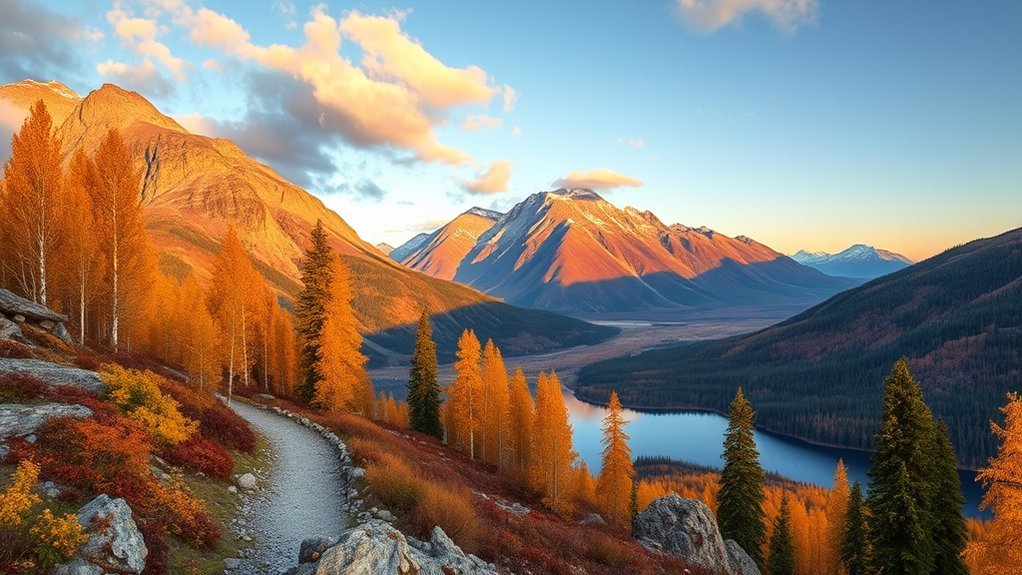
Camping in Gates of the Arctic National Park and Preserve means entering one of the most remote wilderness areas in the United States. There are no roads into the park, no established hiking trails, and no designated backcountry campsites. Instead, you choose your own route and campsite while managing bears, river crossings, rapidly changing weather, fragile tundra, and limited communication. Careful planning is essential before you leave civilization.
Quick Answer
You can camp throughout Gates of the Arctic without an ordinary backcountry camping permit, but this is advanced wilderness travel. Expect no roads, marked trails, developed campsites, or cell service. Carry navigation and satellite-communication equipment, use approved bear-resistant food storage, prepare for river crossings and severe weather, and follow park-specific Leave No Trace practices.
Key Takeaways
- There are no established trails or designated backcountry campsites in Gates of the Arctic.
- Ordinary visitors do not need a permit to enter or camp, but a ranger backcountry orientation is strongly recommended.
- Approved bear-resistant food storage is required for overnight trips, and food, cooking, and sleeping areas should be separated.
- Experienced hikers may consider about six miles a good day’s travel because tussocks, brush, bogs, rivers, and route finding slow progress.
- Weather can delay travel for days, so carry extra food, leave a detailed trip plan, and have reliable satellite communication.
At a Glance
| Time Required | Usually a multi-day wilderness trip; include extra weather and pickup-delay days |
| Difficulty | Advanced to expert backcountry travel |
| Tools Needed | Topographic maps, compass/GPS, satellite communicator, shelter, stove, water treatment, BRFC, bear spray, first-aid and repair gear |
| Cost | No park entrance fee or ordinary backcountry camping permit fee; air taxi, transportation, food, and equipment costs vary |
Overview of Gates of the Arctic National Park
Gates of the Arctic National Park and Preserve lies north of the Arctic Circle in Alaska’s central Brooks Range. According to the National Park Service, the park and preserve cover 8,472,505 acres.
This immense wilderness includes rugged mountains, glaciated valleys, tundra, boreal forest, lakes, and wild rivers. Wildlife includes caribou, Dall sheep, wolves, wolverines, black bears, grizzly bears, and many smaller Arctic species.
What makes the park especially unusual is what it does not have. There are no roads entering the park, no established recreational trails, and no network of developed backcountry campsites. Your experience depends heavily on the equipment, judgment, navigation skills, and wilderness experience you bring with you.
Experienced Gates of the Arctic hikers may consider about six miles a good day’s travel because there are no trails and the terrain can include dense vegetation, tussocks, bogs, streams, and rivers.
Understanding the Backcountry Experience
The backcountry experience here is far more demanding than camping at a developed national park. You may travel for days without seeing another person, and there are no normal park services waiting a short walk or drive away.
The NPS safety guidance emphasizes self-reliance. Cell phones do not provide dependable service in the backcountry, so do not make a phone your emergency plan.
NPS recommends carrying two forms of backcountry communication. A satellite phone and a satellite messaging or SOS device can provide far more useful coverage than a cell phone in this part of Alaska.
Leave a detailed trip plan with a trusted person and, if you are flying, with your pilot. Include your planned route, camp areas, pickup point, expected return date, communication devices, and instructions for what to do if you do not return.
Warning: Weather can prevent an aircraft from reaching you on schedule. Carry several extra days of food and essential medication, and never plan your food supply around a guaranteed pickup time.
Getting to Gates of the Arctic and Preparing to Enter
Most visitors reach the park by small aircraft, although experienced travelers can also hike in from areas such as the Dalton Highway or Anaktuvuk Pass. There are no roads that carry you directly into the park.
Air taxis commonly use gravel bars, lakes, or other suitable landing areas. Before finalizing a hiking route, discuss your proposed drop-off and pickup points with the operator because aircraft type, water levels, weather, terrain, and landing conditions can limit where a pilot can safely operate.
Hiking into the park can involve major river crossings as well as state, private, Alaska Native, or other non-NPS lands. Check land status instead of assuming that every parcel along your approach is open public land.
Permits and Backcountry Orientation
An ordinary visitor does not need a permit simply to enter Gates of the Arctic or camp in its backcountry. The current NPS permit guidance recommends receiving a backcountry orientation before entering the wilderness.
At an orientation, rangers can discuss current weather, fire and wildlife concerns, bear safety, food-storage requirements, and minimum-impact camping. Backcountry registration is voluntary but useful for trip planning and safety. Organized groups, commercial activities, research, special events, and certain other uses can have separate permit requirements.
Pro Tip: Build flexibility into both your route and your flight arrangements. Have at least one alternate route and discuss alternate pickup locations or procedures with your air-taxi operator before departure.
Essential Gear for Backcountry Camping
Start with a sturdy lightweight tent or shelter capable of handling wind, rain, and cold conditions. Pair it with a sleeping bag and insulated sleeping pad suitable for temperatures lower than the forecast suggests.
A self-contained backpacking stove is the most practical cooking choice. Carry enough fuel for your planned trip plus your weather-delay buffer.
For navigation, carry detailed topographic maps, a compass, and a GPS device if you use one. Electronics are useful, but they should not replace basic map-and-compass skills.
Your essential equipment should also include:
- Approved bear-resistant food container or other approved food-storage method
- Bear spray that you know how to deploy
- Satellite communication and SOS equipment
- Water filter or another reliable purification method
- Waterproof shell and insulating clothing layers
- Warm hat and gloves, even during summer
- Sturdy boots with good traction and ankle support
- Insect repellent, head net, and protective clothing
- First-aid kit and personal medication
- Repair kit for shelter, packs, footwear, and essential equipment
- Extra food for weather or aircraft delays
The NPS identifies giardia among the risks of backcountry travel, so use an appropriate treatment method for drinking water rather than assuming clear-looking Arctic water is safe.
If you travel by aircraft with fuel, bear spray, firearms, or ammunition, tell your pilot in advance. Bush-plane operators may have specific procedures for transporting hazardous materials.
Navigating the Terrain: Tips for Hiking
There are no established hiking trails through Gates of the Arctic, so navigation means choosing your own route through the landscape rather than following signs, blazes, or maintained paths.
Study detailed topographic maps before the trip and identify ridges, valleys, streams, rivers, passes, landing areas, and possible alternate routes. A compass and GPS can help confirm your position, but you should also be able to read the terrain around you.
Dense vegetation, alder and willow, tussocks, bogs, loose rock, and repeated stream crossings can make apparently short distances surprisingly slow. The NPS notes that experienced hikers may consider approximately six miles a good day.
Natural corridors such as ridges and stream valleys can sometimes provide better travel, while game trails may provide easier footing in certain areas. Conditions vary constantly, so do not assume a route that looks easy on a map will remain easy on the ground.
Take River Crossings Seriously
River crossings are among the most dangerous parts of hiking in Gates of the Arctic. Rain and snowmelt can cause water levels to change rapidly, and cold water increases the consequences of a mistake.
Never force a crossing because it appears on your planned route. Look for a safer location, wait for water to fall, use appropriate group techniques, or change your route when conditions are beyond your experience or comfort level.
Warning: A river that was manageable earlier can become dangerous after rain. Your itinerary must allow you to wait, retreat, or use an alternate route rather than attempting an unsafe crossing to meet a schedule.
Wildlife Encounters and Safety Precautions
Gates of the Arctic supports both black and grizzly bears as well as caribou, wolves, Dall sheep, moose, and many other animals. Wildlife encounters can be memorable, but they require restraint and good judgment.
Do not approach or feed wildlife. Give animals room to continue their natural behavior, avoid interfering with feeding, nesting, breeding, or travel, and use a telephoto lens instead of moving closer for a photograph.
Bear Safety
Learn the park’s current bear-safety guidance before entering the backcountry. Keep bear spray immediately accessible while hiking rather than buried in your pack, and learn how to use it before your trip.
Make noise when visibility is poor or vegetation prevents you from seeing ahead. If you encounter a bear, follow NPS guidance for the animal’s behavior and type of encounter rather than automatically running, approaching, or dropping your pack.
Food Storage and the Backcountry Triangle
Food storage is not optional. Gates of the Arctic requires approved bear-resistant storage for overnight visitors. The NPS food-storage guidance explains approved methods and bear-resistant containers.
Ordinary coolers, plastic totes, tents, dry bags, and kayaks should not be treated as approved bear-resistant storage.
When camping in bear country, separate your sleeping area, cooking/eating area, and food-storage area. NPS camping guidance recommends creating a triangle with the tent, cooking area, and bear-resistant food container roughly 100 yards apart.
Food, trash, toothpaste, lip balm, sunscreen, lotions, soap, petroleum products, wrappers, and other scented items can attract bears. Keep smellable items controlled and stored according to current park requirements.
Campfire Regulations and Cooking Tips
Campfires are not broadly prohibited throughout the Gates of the Arctic backcountry. However, the NPS strongly recommends self-contained gas or propane stoves because fires are often impractical and usable wood can be scarce.
Arctic trees grow very slowly, so even small pieces of wood can represent decades or centuries of growth. If you build a fire when current conditions and restrictions allow it, use a durable surface such as a suitable gravel bar, use only appropriate dead and downed wood, keep the fire small, and remove evidence of the fire before leaving.
Always check current park alerts and fire restrictions before your trip because temporary restrictions can change what is allowed.
Prepare and eat food well away from your sleeping area and keep food under control while cooking. A stove is faster to extinguish and easier to use during wet or cold weather than relying on a campfire.
Leave No Trace Principles in the Wilderness
Leave No Trace is especially important in Gates of the Arctic because Arctic tundra can recover very slowly from repeated trampling and campsite damage.
- Plan ahead and prepare: Research access, land status, weather, water crossings, food storage, and emergency procedures.
- Travel on durable surfaces: There are no established hiking trails. When possible, use gravel, rock, streambeds with safe water levels, or hardy vegetation rather than fragile mosses and lichens.
- Choose campsites carefully: Gravel bars can make excellent campsites, but camp well above current water level because rivers can rise rapidly.
- Reduce repeated impact: Move camp before your presence becomes obvious; NPS guidance recommends moving every two to three days.
- Pack out trash: Do not bury garbage or leftover food.
- Leave natural and cultural objects: Do not remove artifacts, antlers, plants, or historic objects.
- Respect wildlife and people: Avoid disturbing animals, private property, traps, subsistence camps, or local activities.
Human Waste
The NPS advises going at least 200 feet from potential water sources and using a small cathole approximately 6 to 8 inches deep in suitable organic soil. Bury waste completely and restore the surface. Paper products should be packed out or otherwise handled according to current park guidance.
Water, Sanitation, and Insect Protection
Bring a dependable way to treat drinking water. Filters, purification systems, or other methods appropriate for backcountry pathogens are much safer than relying on the appearance of a stream or lake.
Keep washing and dish cleaning away from water sources. Strain food particles from cooking water and pack those particles out instead of leaving them for wildlife.
Mosquitoes can be intense during summer, with July often among the worst periods. Bring insect repellent, long clothing, and a head net or bug jacket. A billed cap underneath a head net can keep mesh away from your face.
Weather Considerations and Seasonal Tips
Weather in the Brooks Range can change rapidly enough to alter your route, river crossings, hiking speed, and aircraft pickup.
According to the National Park Service weather guidance, mid-June through September is usually the best period for backpacking and hiking, while July and August are generally the best months for float trips.
That does not mean summer conditions are consistently mild. Freezing temperatures can occur at any time of year, and the chance becomes greater from mid-August onward. Thunderstorms are common in June and July, while July through September is generally the wettest period.
Rain can raise rivers quickly. Snow can occur during much of the year, and significant snow can return to mountain slopes in late August.
Carry waterproof outer layers, warm insulation, spare dry clothing, and enough food to handle slower-than-planned travel or delayed flights.
Note: A forecast is only one planning tool in this wilderness. Your equipment and itinerary should still work if the weather becomes colder, wetter, windier, or slower-moving than expected.
Planning Your Itinerary: Routes and Distances
Gates of the Arctic does not have a system of established backpacking routes. Labels such as “Koyukuk River Trail,” “Alatna River Route,” “Chandalar River Path,” or “Backcountry Loop” should not be treated as official NPS trails or maintained routes.
Instead, you create an itinerary around terrain, water, landing locations, river corridors, land ownership, weather, and your own experience.
Common Route-Planning Approaches
- Fly-in, fly-out backpacking: Work with an air-taxi operator to identify realistic landing and pickup locations, then design a cross-country route between them.
- Hike in from the Dalton Highway: This can avoid one aircraft leg, but access may involve private or Native lands and serious crossings of major rivers.
- Travel from Anaktuvuk Pass: The village can provide access toward park lands, but visitors should respect local rules, private property, Alaska Native corporation lands, and subsistence activities.
- Combine hiking with a river corridor: The park contains major waterways including the Alatna, John, Kobuk, Noatak, North Fork Koyukuk, and Tinayguk Rivers. River travel requires separate boating skills, cold-water safety equipment, and careful pickup planning.
Use realistic mileage. If experienced hikers consider roughly six miles a good day in this terrain, a 30-mile off-trail route may represent about five solid hiking days before adding rest days, weather delays, difficult crossings, or detours. Your actual pace can be much slower.
Plan at least one alternate route. If water rises, smoke reduces visibility, weather closes a pass, or a landing area becomes unusable, flexibility can prevent a schedule problem from turning into an emergency.
Frequently Asked Questions
Are There Any Permit Requirements for Camping in Gates of the Arctic?
Ordinary visitors do not need a permit simply to enter the park or camp in the backcountry. A ranger backcountry orientation is strongly recommended, and voluntary trip registration can help with planning and safety. Organized groups, commercial activities, research, and special uses can have separate permit requirements.
What Are the Best Times of Year to Visit Gates of the Arctic?
NPS says mid-June through September is usually the best time for backpacking and hiking, while July and August are generally best for float trips. Freezing conditions can occur even during summer, and weather can change quickly.
Is There Cell Phone Reception in the Park?
Do not depend on cell service in the Gates of the Arctic backcountry. NPS recommends backcountry communication equipment such as satellite phones and satellite messaging devices, ideally with redundant communication options.
Can I Bring My Pet Camping in Gates of the Arctic?
Yes. Pets are not completely banned from Gates of the Arctic, but they must be leashed, crated, caged, or otherwise physically restrained as required. Pets can attract wildlife and complicate river travel and bear encounters, so consider those risks carefully.
What Food Should I Pack for Backcountry Camping?
Choose lightweight, calorie-dense food such as dehydrated meals, nuts, nut butter, dried fruit, tortillas, and energy bars. Carry several extra days of food for weather or flight delays. Food and other scented items must be stored using an approved bear-resistant method.
Are Campfires Allowed in Gates of the Arctic?
Campfires are not universally prohibited, but a self-contained backpacking stove is strongly recommended. When fires are allowed, use durable surfaces, minimize impact, and check current fire restrictions before your trip because temporary closures or restrictions can change.
Do I Need a Bear-Resistant Food Container?
Yes. Overnight visitors must follow the park’s approved bear-resistant food-storage requirements. NPS visitor facilities may loan bear-resistant containers on a first-come, first-served basis. Check current requirements before leaving for the backcountry.
How Far Can I Expect to Hike Each Day?
NPS notes that experienced hikers may consider about six miles a good day’s travel. There are no established trails, and tussocks, brush, bogs, loose terrain, navigation, and river crossings can make progress much slower than hiking on a maintained trail.
Sources
- National Park Service — Permits & Reservations — permit requirements and backcountry orientation.
- National Park Service — Camping — campsites, food preparation, fires, durable surfaces, and bear-safe camp layout.
- National Park Service — Backpacking and Hiking — trail-less travel, daily mileage, river crossings, Leave No Trace, and equipment considerations.
- National Park Service — Safety — emergency planning, satellite communication, weather delays, and wilderness self-reliance.
- National Park Service — Food Storage and Bear-Resistant Food Containers — required food-storage methods and BRFC guidance.
- National Park Service — Weather — seasonal timing, freezing conditions, precipitation, storms, and changing river levels.
Conclusion
Camping in Gates of the Arctic is not a normal campground trip. Its appeal comes from the same things that make it demanding: no established trails, few services, immense distances, unpredictable rivers, bears, rapidly changing weather, and genuine isolation. With strong backcountry skills, realistic mileage, proper food storage, reliable communication, flexible transportation plans, and careful Leave No Trace practices, you can explore this remarkable wilderness while protecting both yourself and the landscape.