Alaska dog sledding gives you two very different ways to meet the trail: snow under the runners in winter or rolling carts on dry ground in summer. Both seasons let you feel the pull of eager sled dogs and see Alaska’s wild landscapes up close. This guide explains what changes by season, how to choose the right tour, and how to prepare for a safe, memorable ride.
Quick Answer
Dog sledding in Alaska can happen in winter on snow or in warmer months with wheeled carts, kennel tours, or glacier-based trips. Winter offers the classic snowy ride, while summer mushing gives you a look at training, dog care, and Alaska’s green trails. Your best choice depends on the season, tour length, location, and how hands-on you want the experience to feel.
Key Takeaways
- Choose winter dog sledding if you want the classic snow-covered Alaska experience.
- Choose summer mushing if you want to learn how sled dogs train outside the snow season.
- Check tour length, location, group size, and age rules before you book.
- Dress for wind, cold, mud, or rain, depending on the season and trail type.
- Listen to your guide so you help protect both yourself and the dogs.
The Thrill of Winter Dog Sledding
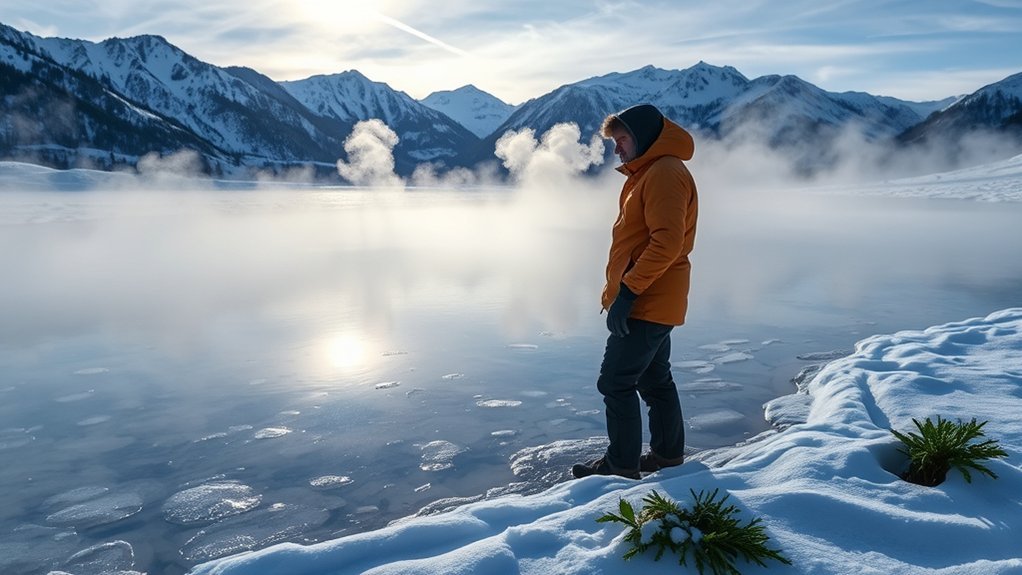
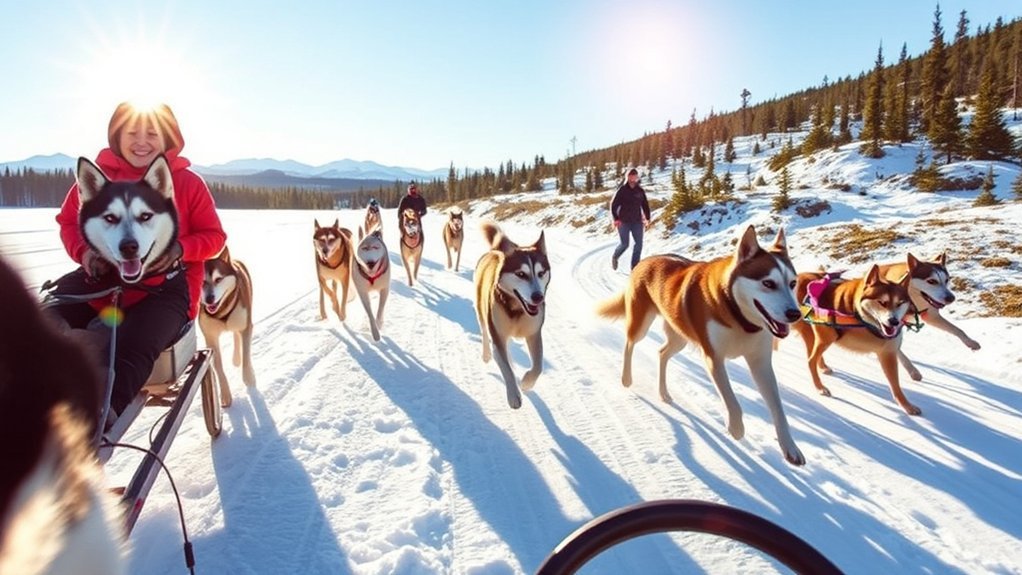
When you start a dog sledding adventure in Alaska, you step into a bright winter landscape. Cold air fills your lungs as the sled moves over snow, and the dogs settle into a steady rhythm.
You’ll feel the strong pull of the huskies as they move down the trail with focus and energy. Each turn can reveal snow-covered mountains, frozen lakes, spruce forests, or wide open valleys.
Winter tours often feel fast, quiet, and deeply connected to the land. You may also learn basic trail commands and how mushers work with their team.
Warning: Cold, wind, and changing trail conditions can affect your ride, so follow your guide’s safety instructions at all times.
Summer Mushing: A Unique Adventure
Summer mushing shows you a different side of Alaska dog sledding. Instead of snow trails, many tours use wheeled carts, all-terrain vehicles, kennel visits, or glacier routes where snow remains.
You might travel past green forests, wildflowers, lakes, or mountain views while the dogs train in cooler parts of the day. The pace can still feel exciting, but the setting often feels more relaxed than a deep-winter ride.
Summer tours also help you see how sled dogs stay active outside racing season. You can learn about feeding, harnessing, training, rest, and the bond between dogs and mushers.
Choosing the Right Dog Sledding Tour in Alaska
The right dog sledding tour can turn a fun ride into a lasting memory. Before you book, compare these key details:
- Duration: Choose a short ride for a quick taste or a longer tour for more trail time and instruction.
- Location: Look at whether the route covers mountains, forests, glaciers, or open tundra.
- Group Size: Pick a smaller group if you want more time with the guide and dogs.
- Season: Match the tour to the setting you want, such as snow trails, dryland carts, or glacier mushing.
- Activity Level: Ask whether you’ll ride as a passenger, help handle the sled, or take part in kennel tasks.
Also check cancellation rules before you book. Weather, trail safety, and dog welfare can affect the schedule.
Meet the Canine Athletes: The Heart of the Team
The heart of dog sledding in Alaska lives in the canine athletes that power the team. Many teams use Alaskan huskies, which mushers value for stamina, focus, speed, and drive.
These dogs aren’t just pets. They train like endurance athletes and work as part of a close team.
Each dog has a role. Lead dogs guide the team, swing dogs help with turns, team dogs add steady power, and wheel dogs work closest to the sled.
Their energy often stands out before the ride begins. Bright eyes, wagging tails, and excited barking show how much many sled dogs enjoy the trail.
What to Wear for Alaska Dog Sledding
Your clothing should match the season and tour type. In winter, focus on warmth, wind protection, and dry feet.
- Wear moisture-wicking base layers to keep sweat away from your skin.
- Add an insulating middle layer, such as fleece or wool.
- Use a windproof and waterproof outer layer.
- Choose insulated, waterproof boots with warm socks.
- Bring gloves, a hat, neck protection, and goggles or sunglasses.
For summer mushing, wear layers you can adjust. Trails can feel cool, muddy, sunny, or rainy on the same day.
Pro tip: Ask your tour company what gear they provide before you pack, since some outfitters supply boots, parkas, or rain layers.
Tips for an Unforgettable Dog Sledding Experience
Good preparation helps you enjoy the ride and respect the dogs. Keep these tips in mind before your tour:
- Dress in Layers: Use base, middle, and outer layers so you can stay warm and dry.
- Choose the Right Tour: Match the trip to your comfort level, season, and interest in hands-on mushing.
- Bring a Camera: Capture the views and dogs, but ask your guide when photography is safe.
- Listen to Your Guide: Follow each instruction to protect your safety and support the dogs’ well-being.
- Respect the Dogs: Let guides tell you when and how to pet, approach, or help with the team.
Frequently Asked Questions
What Should I Wear for Dog Sledding in Alaska?
Wear insulated, waterproof boots, warm layers, a windproof jacket, and gloves. Add a hat and goggles or sunglasses to protect your face from wind, snow, glare, or rain.
Are There Age Restrictions for Participating in Dog Sledding?
Many dog sledding tours set age rules, and the limits can vary by operator, season, and route. Some tours allow younger children with an adult, so check the company’s rules before you book.
Can I Bring My Own Dog on the Sled?
Most dog sledding tours won’t allow you to bring your own dog on the sled. Tour teams use trained sled dogs that know the route, commands, pace, and team structure.
Is Dog Sledding Safe for Children?
Dog sledding can be safe for children when the tour matches their age, size, and comfort level. Choose a reputable guide, follow all instructions, and ask about child seating before you go.
What Happens if the Weather Is Too Harsh for Mushing?
If weather or trail conditions create safety risks, the operator may delay, change, or cancel the ride. You may wait indoors, reschedule, or receive options based on the company’s policy.
Is Winter or Summer Better for Dog Sledding in Alaska?
Winter works best if you want the classic snow-covered sled ride. Summer works well if you want easier travel conditions, kennel access, and a closer look at how sled dogs train year-round.
How Long Does a Dog Sledding Tour Take?
Tour length varies widely. Some trips last less than an hour, while longer tours may include trail time, guide instruction, dog care, photos, and transportation.
Dog sledding in Alaska gives you a close look at the dogs, trails, and wild places that shape this sport. Choose the season and tour style that match your comfort level and sense of adventure. Pack smart, listen to your guide, and take time to appreciate the team in front of you. Whether snow flies or summer trails stretch ahead, the dogs will leave you with a story worth remembering.
References
- Alaska dog mushing and culture coverage — Alaska Public Media
- Sled Dogs — National Park Service
- Alaska travel and trip planning information — Travel Alaska