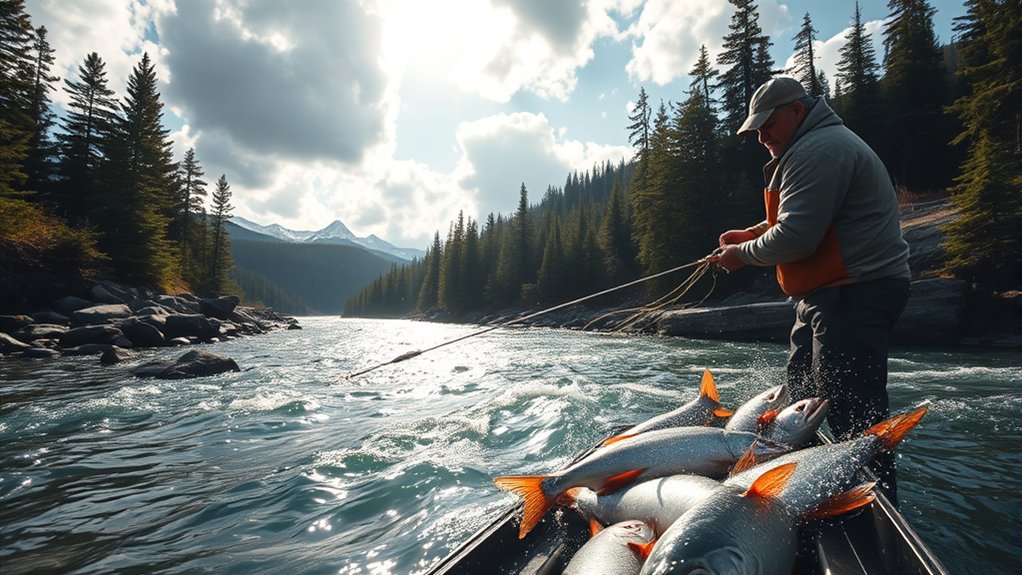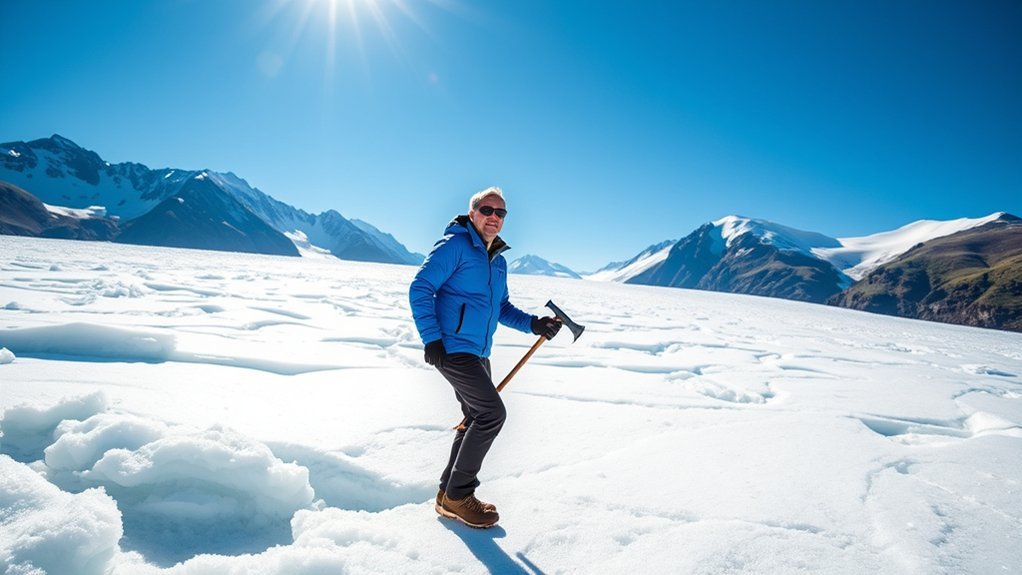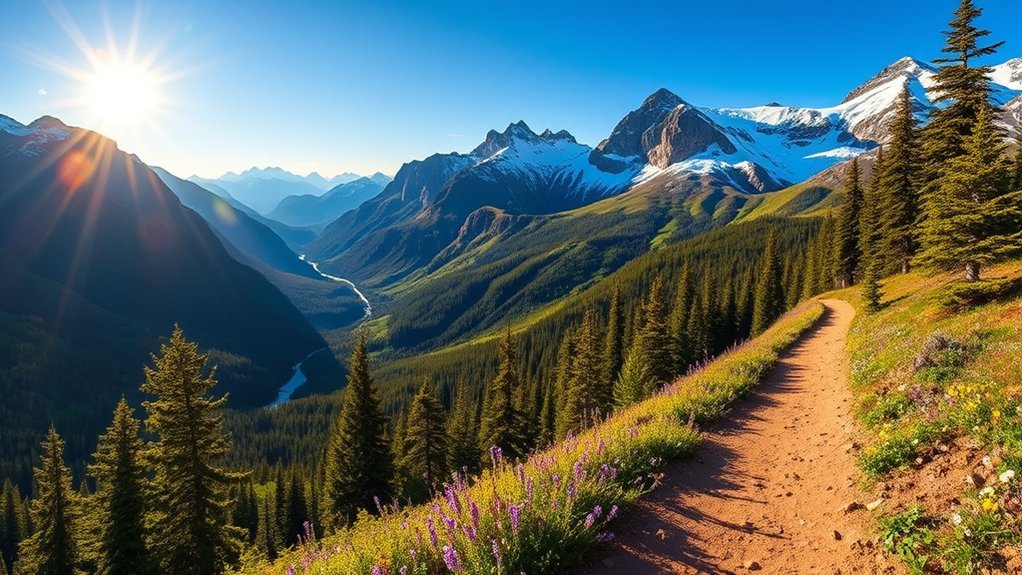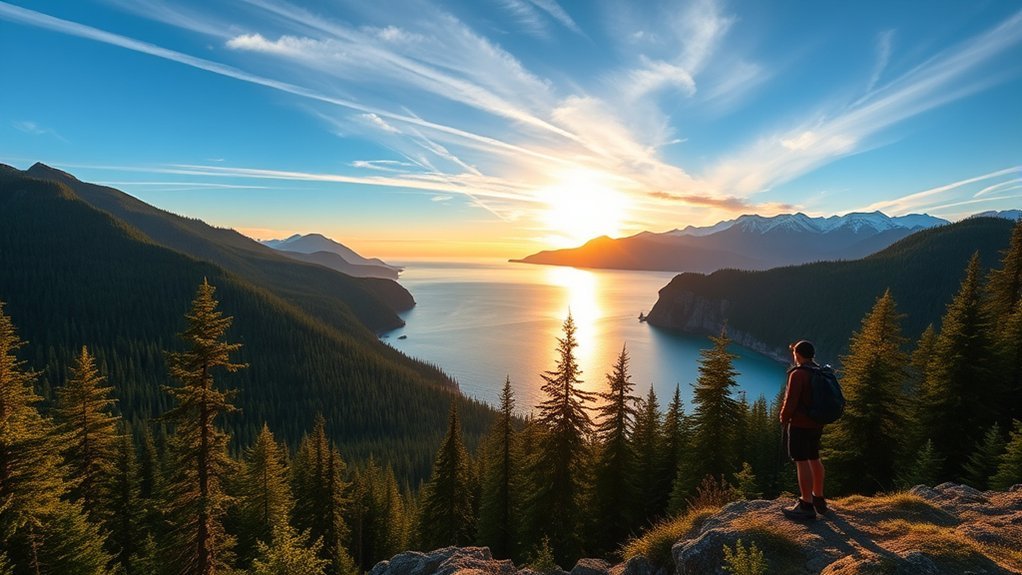
Kachemak Bay State Park gives you glacier lakes, steep alpine ridges, forest routes, beaches, and remote river valleys, but it is not a place to choose a trail from an old list and simply show up. Most across-bay trailheads require a boat or air taxi from Homer, route conditions can change after storms, and several official trails are currently difficult, flooded, or not recommended. This guide compares the real park trails, explains who each route suits, and shows you what to check before booking transportation.
Quick Answer
For most first-time visitors, the best Kachemak Bay State Park hike combines the 3.2-mile Glacier Lake Trail with the 1-mile Saddle Trail. For bigger views, choose Grace Ridge or Alpine Ridge. Check the current state trail report first because flooding, brush, missing signs, and impassable sections can change which routes are safe.
Key Takeaways
- Book transportation around the trail, not the other way around. Most park trailheads have no road access.
- Glacier Lake plus Saddle is the simplest classic day-hike plan for a first visit.
- Treat official distances as route lengths, then add time for rough tread, mud, photos, navigation, and pickup buffers.
- Check the latest trail report, weather, and the NOAA tide station closest to your landing before leaving Homer.
- Carry treated water or a treatment method, rain layers, bear spray you can reach quickly, offline navigation, and a satellite communicator for remote routes.
Hikes at a Glance
| Glacier Lake + Saddle | Best first visit. 4.2 miles from Glacier Spit to Glacier Lake and out to the Saddle pickup; easy to moderate. Both were listed clear in the April 24, 2026 report. |
| Grace Ridge | Best full-day ridge. 8.9 miles one way, 3,100 feet of gain, moderate to difficult; latest report listed difficult or unknown conditions. |
| Alpine Ridge | Best steep add-on from Saddle. The official guide lists 1.9 miles and 1,600 feet of gain; moderate to difficult, with limited water. |
| China Poot Lake | Best moderate lake route. 2.8 miles one way, 500 feet of gain; the latest report warned of knee-deep flooded sections near mile 2. |
| Poot Peak | Best only for highly experienced hikers. 4.3 miles for the north-to-south route with summit, 2,430 feet of gain, and very difficult terrain; parts were not recommended in the latest report. |
| Wosnesenski River | Long remote traverse. 11.3 miles one way and about 10 hours in the official guide; currently not a practical choice because the latest report described miles 3 through 9 as impassable. |
| Moose Valley | Remote connector through lakes, meadows, and forest. 6.7 miles one way, 1,200 feet of gain; latest report said not recommended. |
| Sadie Knob | Strong 360-degree alpine views, but fog, cliffs, and faint route markers raise the difficulty. Latest report listed difficult or unknown conditions. |
What’s in This Article
- Check Current Kachemak Bay Trail Conditions
- Glacier Lake Trail
- Saddle Trail
- Grace Ridge Trail
- Alpine Ridge Trail
- China Poot Lake Trail
- Lagoon Trail
- Wosnesenski River Trail
- Moose Valley Trail
- Poot Peak Trail
- Sadie Knob Trail
- How to Plan Your Kachemak Bay Hike
- Frequently Asked Questions
- Conclusion
- Sources
Check Current Kachemak Bay Trail Conditions First
The official Kachemak Bay State Park trail report is more important than any permanent “best hikes” ranking. The latest report available during this update was dated April 24, 2026. It listed Glacier Lake and Saddle as clear, warned of flooding on China Poot Lake Trail, and described several longer routes as difficult, unknown, impassable, or not recommended.
That report is a snapshot, not a same-day guarantee. Rain can raise stream crossings, wind can drop trees, brush can hide tread, snow can cover alpine markers, and boat landings can change with tides and waves. Ask your water-taxi operator about the intended landing and pickup, then compare that information with the state report before departure.
Warning: Do not treat an “unknown” trail as open and safe. The latest state report specifically said not to hike parts of Coalition Loop, Lagoon, Moose Valley, Poot Peak South, Emerald Lake Loop, and Wosnesenski River routes. Choose another hike unless Alaska State Parks or a knowledgeable local operator confirms that conditions have improved.
Glacier Lake Trail for the Classic Grewingk Glacier View
The official name is Glacier Lake Trail, not “Grewingk Glacier Trail.” It starts at the Glacier Spit trailhead and follows mostly flat terrain through cottonwood and spruce before crossing the glacier’s outwash plain. The trail ends on the broad shore of Grewingk Glacier Lake, where you can view the glacier and surrounding peaks from a distance.
The Alaska State Parks trail guide lists the route as 3.2 miles one way, with about 200 feet of elevation gain and an easy, family-suitable rating. The guide estimates about 1.5 hours to the lake, but a relaxed visit normally needs more time for uneven ground, photos, a meal stop, and the connection to Saddle Trail.
- Best for: First-time park visitors, families used to backcountry walking, and hikers who want the biggest scenic reward for the least climbing.
- Access: Water taxi or private boat to Glacier Spit, Humpy Creek, or another agreed trailhead.
- Footing: Forest tread, roots, mud, gravel, and open outwash terrain.
- Latest official status: Clear in the April 24, 2026 report, with bear awareness advised.
Note: Glacier Spit is a trailhead and landing area, not a separate “Glacier Spit Trail.” Most hikers use Glacier Spit as the start of Glacier Lake Trail.
Warning: Grewingk Lake has a documented landslide-wave hazard. If you feel an earthquake, hear sustained rockfall, see a slope failure, or notice unusual water movement, move immediately to higher ground. Stay away from glacier ice and caves, keep back from floating ice, and never try to ford Grewingk Creek, which the official guide describes as swift and cold.
Saddle Trail for the Best First-Time Through-Hike
Saddle Trail is only 1 mile one way, but it is most useful as the exit from Glacier Lake. The trail climbs about 200 feet from the Glacier Lake junction and descends to the protected Saddle landing in Halibut Cove. Alaska State Parks rates it moderate and estimates about 30 minutes of hiking time.
A common plan is to land at Glacier Spit, hike 3.2 miles to Glacier Lake, backtrack to the Saddle junction, and finish at the Saddle pickup. That creates a roughly 4.2-mile point-to-point day before side wandering. The official guide recommends this direction because afternoon breezes can make pickups at exposed Glacier Spit more difficult.
Use Saddle alone when you want a short forest walk, or connect it with Glacier Lake for the best all-around first visit. Strong hikers can also branch onto Alpine Ridge, but that turns an easy-to-moderate day into a steep alpine outing.
Pro Tip: Give the water-taxi company your exact route, direction, pickup beach, and turnaround time. Build a generous buffer instead of planning to reach the beach at the last minute.
Grace Ridge Trail for a Full-Day Ridge Traverse
Grace Ridge Trail is the best choice for experienced hikers who want a long ridge, open alpine views, and a serious workout. The route runs between Kayak Beach and the South Grace trailhead. The official guide lists 8.9 miles one way, 3,100 feet of elevation gain, a moderate-to-difficult rating, and a 6-to-8-hour hiking time.
The route climbs through old-growth Sitka spruce, passes a creek near mile 1.6, and reaches alpine terrain with views toward Eldred Passage, Sadie Peak, Cook Inlet volcanoes, and surrounding coves. There is no dependable water on the ridge, so fill and treat water before the long exposed section.
- Best for: Fit hikers comfortable with a full-day point-to-point route.
- Main challenge: Long climbs, weather exposure, and committing marine pickups at opposite ends.
- Wildlife: Mountain goats, black bears, and bald or golden eagles may use the area.
- Latest official status: Difficult or unknown conditions in the April 24, 2026 report.
Do not schedule this trail tightly. Fog can erase views and make route-finding harder, while wind can affect both your pace and the boat plan.
Alpine Ridge Trail for a Steep Viewpoint Add-On
Alpine Ridge Trail starts near the high point of Saddle Trail and climbs sharply through spruce, alder, and alpine tundra. The official guide lists 1.9 miles, 1,600 feet of elevation gain, moderate-to-difficult terrain, and about two hours to treeline. The route ends near a treeless knoll around 2,100 feet, with views of Grewingk Glacier and the glacial valley.
This route works best as an add-on for hikers who have enough time, dry weather, and strong legs. It is not a casual extension. Water is limited, and the alpine ground is fragile.
- Carry: Extra water, wind and rain layers, offline navigation, and enough food for a delayed pickup.
- Turn around when: Clouds settle onto the ridge, footing becomes slick, or your pickup buffer starts shrinking.
- Camping: The official guide allows backcountry camping above timberline but asks visitors to use Leave No Trace practices and avoid campfires.
In Kachemak Bay State Park, a short mileage figure can still mean a demanding hike. Steep grades, rough tread, hidden markers, mud, and marine pickup deadlines matter as much as distance.
China Poot Lake Trail for Forest and Lake Scenery
China Poot Lake Trail begins at Halibut Cove Lagoon and climbs over a low ridge, passing small lakes and forest before reaching China Poot Lake. The official guide lists 2.8 miles one way, 500 feet of gain, moderate difficulty, and about 1.5 hours of hiking time.
The route connects with a larger backcountry network that includes Wosnesenski River, Coalition Loop, Moose Valley, and Poot Peak. That makes it useful for day hikes and multi-day plans, but those connections should not be assumed passable.
The latest official report warned that the flooded area near mile 2 could require wading through water up to knee depth over a soft, muddy, root-filled bottom. A newer log bridge crosses only the main channel, so water may still cover both approaches. Rain can change depth and width quickly, and China Poot Lake Cabin may not be reachable on foot.
Warning: Do not enter moving or opaque water when you cannot judge the bottom, depth, or force. Turn around if the flooded section is above your comfort level, rising, or cold enough to threaten balance and body temperature.
Lagoon Trail for Tide-Dependent Coastal Terrain
Lagoon Trail is the real coastal route in this part of the park. It follows Halibut Cove terrain and includes wet, boggy ground near the Halibut Creek delta. The crossing is tide-dependent, and there is no bridge. A low tide does not automatically make the ford safe because rain and runoff can still raise the creek.
This trail carries the shoreline character described in the original article: forest edges, tidal flats, wet rock, driftwood, birds, and changing views across the water. It also carries more objective risk than a casual beach walk.
The April 24, 2026 state report listed Lagoon Trail as difficult or unknown and not recommended to hike. It said hikers would have to ford Halibut Creek at their own risk. Until a newer official report changes that advice, choose Glacier Lake, Saddle, or another confirmed route instead.
When planning any tide-dependent landing or beach section, use the NOAA tide predictions for Halibut Cove or the station closest to your exact route. Wind and weather can still alter observed water levels.
Wosnesenski River Trail for a Remote Traverse When Open
Wosnesenski River Trail is the correct remote river-valley route, replacing the unsupported “Fox River Trail” label. It runs between the China Poot Lake area and the tide-dependent Haystack trailhead. The official guide lists 11.3 miles one way, 900 feet of gain, easy river flats to moderate switchbacks, and about 10 hours from Haystack to China Poot Lake.
The scenery includes forests, meadows, bogs, lakes, broad glacial gravel bars, a distant waterfall, mountains, and glacier views. The Haystack tidal flats flood at tides of 16 feet or higher according to the official guide, so the route requires careful tide and marine-access planning.
This is not a current recommendation. The April 24, 2026 report described an overflow channel that made the trail impassable from about mile 3 to mile 9 and told hikers not to use the route. Keep it on a future list only after Alaska State Parks confirms the full traverse is passable.
Moose Valley Trail for Solitude and Backcountry Connections
Moose Valley Trail replaces the unrelated “McNeil Canyon Trail” section. It connects China Poot Lake Trail with Poot Peak South through Two Loon Lake, forested ridges, cottonwood meadows, Moose Valley Creek, and subalpine lakes.
The official guide lists 6.7 miles one way, 1,200 feet of gain, moderate-to-difficult grades, and about 3 to 4 hours. Tall grasses can hide markers, early snow can cover the route near the Garden lakes, and the lightly traveled trail requires stronger navigation than Glacier Lake or Saddle.
The latest state report classified Moose Valley as difficult or unknown and not recommended. Do not use it as a casual connection between trail systems until a newer report confirms the route.
Poot Peak Trail for Advanced Climbers
Poot Peak Trail is the park’s most serious named hiking route in this list. The official guide describes a 4.3-mile north-to-south route with the summit, 2,430 feet of gain, and a very difficult rating. The north route climbs steep, slick, unmaintained terrain through forest, alder, and loose scree.
The summit spur first reaches a rocky lower bench. Alaska State Parks recommends that only people with rock-climbing training continue beyond that point because the upper route has unstable scree and poor handholds and footholds, especially when wet.
The latest trail report warned that junction signs were missing, listed the north route as difficult or unknown, and described the south route as difficult to impassable and not recommended. The summit route also had snow and unstable rock. Most visitors should choose Grace Ridge or Alpine Ridge for elevated views instead.
Sadie Knob Trail for 360-Degree Views
Sadie Knob Trail reaches an alpine ridge between Sadie Cove and Kachemak Bay. Depending on the landing, the north or south approach reaches the spur junction after about 1.6 or 1.9 miles. The spur then continues 2.6 miles toward Sadie Knob. The official guide lists about 2,200 feet of gain from sea level.
The reward is a wide view of Kachemak Bay, Sadie Peak, Sadie Cove, Eldred Passage, and Cook Inlet volcanoes. The risks are equally clear: vertical cliffs, rugged terrain, no established tread in some alpine areas, and fog that can reduce visibility enough to hide the next marker.
The April 24, 2026 report listed Sadie Knob as difficult or unknown. Choose it only with a current condition update, solid navigation skills, and a conservative weather plan.
How to Plan Your Kachemak Bay Hike
1. Choose a Route That Is Currently Recommended
Start with the Alaska State Parks condition-report page, then open the Kachemak Bay report. Match the exact trail name and section to your plan. Do not rely on a generic map pin, an old blog post, or a route name that does not appear on the official map.
2. Arrange Marine Transportation
The main park across the bay has no road access. Water taxis and air charters operate from Homer, while private boaters can use suitable landings and anchorages. Tell the operator your group size, route, expected pace, drop-off point, pickup point, and backup plan. Ask how wind and tide may affect each beach.
3. Download Maps Before Leaving Cell Service
Alaska State Parks warns that many areas have no cell service and recommends a satellite device for backcountry travel. Download the official trail guide, park map, and offline map before boarding. Carry a battery reserve and a paper map as a backup.
4. Check Weather, Tides, and Daylight
Review the marine forecast and the NOAA tide station nearest your trailhead. Tide timing matters at Haystack, Lagoon, beach camps, and some pickups. Weather can delay boats or make exposed ridges unsafe even when the trail itself is passable.
5. Pack for Wet, Cold, and Delayed Conditions
- Clothing: Waterproof shell, warm layers, hat, gloves, and spare dry insulation.
- Footwear: Boots or trail shoes with grip for roots, mud, wet rock, and loose ground.
- Navigation: Official map, offline GPS map, compass, and satellite communicator.
- Food and water: More than the planned hike requires, plus a filter or other treatment method.
- Emergency gear: First-aid kit, headlamp, fire-starting supplies where legal, emergency shelter, and repair items.
- Wildlife safety: Bear spray carried where you can reach it immediately, not buried inside a pack.
Natural water in the park must be treated. The official park map advises boiling for at least two minutes when boiling is your treatment method.
6. Use Bear-Aware Habits
Black bears use the park, and the current report notes that some have become used to people. Follow Alaska Department of Fish and Game bear-safety guidance: travel alertly, make noise where visibility is poor, keep food and scented items controlled, never approach a bear, and carry bear spray you know how to use.
If a bear blocks the trail, give it space and back away instead of trying to push past. The park report advises waiting until the animal has moved away, which may take 20 to 30 minutes or longer when cubs are present.
7. Leave a Trip Plan and Turn Around Early
Give a trusted person your route, landing, pickup, operator, group details, and overdue time. Set a turnaround time that protects the boat pickup buffer. A missed pickup in a remote park can become a cold overnight emergency.
Pro Tip: Plan one primary route and one simpler backup that uses a confirmed landing. A flexible water-taxi plan can save the day when fog, wind, flooding, or an updated trail report rules out your first choice.
Frequently Asked Questions
What is the best Kachemak Bay State Park hike for a first visit?
Glacier Lake Trail combined with Saddle Trail is the strongest first-time choice when both are open. The route gives you forest, glacier-lake views, manageable climbing, and a practical point-to-point water-taxi plan.
What is the best time of year to hike in Kachemak Bay State Park?
Summer usually offers longer daylight and the most practical boat service, but there is no fixed date when every trail becomes safe. Snow, flooding, brush, bears, wind, and damaged tread can affect routes well into the hiking season, so current reports matter more than the calendar.
Do I need a water taxi for Kachemak Bay State Park hikes?
Yes, for most trails across Kachemak Bay you need a water taxi, private boat, or air taxi. Arrange both the drop-off and pickup before leaving Homer, and confirm the exact beach because several trails have more than one marine access point.
Are there camping facilities in the park?
Yes. The park has public-use cabins, developed campsites at selected trailheads and lakes, and backcountry camping areas. Facilities are rustic. Reserve cabins where required, treat natural water, store food securely, and remember that backcountry fires are prohibited while fires at developed sites belong only in designated rings.
What wildlife might I see?
Possible sightings include bald eagles, seabirds, sea otters, seals, porpoises, whales, moose, black bears, mountain goats, coyotes, and wolves. Sightings are never guaranteed. Watch from a distance, secure food, and do not follow wildlife for a photo.
Is there an entrance fee for hiking in Kachemak Bay State Park?
The current Alaska State Parks fee page lists charges for services such as camping, cabins, parking, and boat launches rather than a general Kachemak Bay trail-entry fee. Your largest day-hike cost is usually private water-taxi or air-taxi transportation. Check current facility fees before an overnight trip.
Are dogs allowed on the trails?
Yes. Alaska State Parks requires pets to be leashed in developed facilities; the leash may not exceed nine feet. Dogs may be off leash in the backcountry only when under voice command, but a leash is the safer choice around bears, moose, cliffs, boats, and other hikers. Clean up after your pet.
What should I pack for a day hike?
Carry rain gear, warm layers, sturdy footwear, extra food, water and a treatment method, first aid, a headlamp, sun protection, offline navigation, a satellite communicator, and bear spray you can reach quickly. Add wading or camping gear only when the route and current report justify it.
Conclusion
Kachemak Bay State Park rewards careful planning more than ambitious mileage. Start with Glacier Lake and Saddle when you want the classic first visit. Choose Grace Ridge or Alpine Ridge only when your fitness, weather, transportation, and current trail information support the extra exposure. Treat flooded, impassable, or “not recommended” routes as closed choices for your trip, even when an older guide makes them sound appealing. With a confirmed boat plan, conservative turnaround time, bear-aware habits, and the right emergency gear, you can enjoy the park’s glacier, lake, forest, coast, and ridge scenery without turning a memorable hike into an avoidable rescue.
Sources
- Alaska State Parks: Kachemak Bay State Park — park access, wildlife, facilities, emergency communication, and official contacts.
- Alaska State Parks Trail Maps and Guides — official trail names, maps, distance, elevation, difficulty, and access guides.
- Kachemak Bay State Park Trail Conditions Report — latest published route conditions used in this update.
- Alaska Department of Fish and Game: Traveling in Bear Country — bear encounters, attractant control, and deterrent guidance.
- NOAA Tide Predictions: Halibut Cove — tide planning for marine access and coastal routes.
- Alaska State Parks Frequently Asked Questions — pet rules, camping, fires, maps, and general park policies.