Juneau combines glaciers, temperate rainforest, marine wildlife, Alaska Native culture, gold-rush history, and easy access to the water in one compact destination. You can spend a morning exploring downtown museums, take an afternoon wildlife cruise, hike through rainforest, or head farther afield toward glacial fjords. The best choices depend on the season, weather, current attraction status, and how much time you have.
Quick Answer
The best things to do in Juneau include seeing Mendenhall Glacier when access is open, cruising Tracy Arm or Endicott Arm, whale watching, exploring downtown museums, hiking rainforest trails, learning about Tlingit, Haida, and Tsimshian cultures, kayaking around the coast, and visiting Juneau’s historic mining sites.
Key Takeaways
- Check attraction and trail status before leaving because weather, flooding, ice, maintenance, and seasonal operations can change access quickly.
- Mendenhall Glacier, whale watching, rainforest hiking, Alaska Native culture, and downtown history are among Juneau’s signature experiences.
- Pack waterproof outerwear, sturdy footwear, and layers even in summer.
- Treat wildlife sightings as a possibility, not a guarantee, and follow NOAA and Alaska wildlife-safety guidance.
- Downtown is walkable, but attractions such as Mendenhall Glacier and Auke Bay require transportation.
Plan Your Juneau Visit
Juneau sits in a coastal temperate rainforest, so conditions can change from sunshine to cool rain or fog during the same outing. Pack layers, a waterproof outer shell, and sturdy waterproof footwear, especially if you plan to hike. Travel Juneau provides current weather and clothing guidance.
It also helps to think of Juneau in zones. Downtown museums, shops, historic buildings, the waterfront, and several trailheads can be explored together. Mendenhall Valley, Auke Bay, and attractions farther along the road system require a bus, taxi, rental vehicle, shuttle, or tour. Remote fjords and glaciers generally require a boat or aircraft tour.
Pro Tip: Recheck attraction, trail, marine, and transportation status on the morning of your outing. Southeast Alaska weather and operating conditions can change quickly.
Visit Mendenhall Glacier
Mendenhall Glacier is one of Juneau’s best-known natural landmarks. The glacier flows from the Juneau Icefield into the Mendenhall Valley, where visitors normally find viewpoints, trails, waterfalls, rainforest, and wildlife habitat around the Mendenhall Glacier Recreation Area.
Warning: As of August 16, 2026, the U.S. Forest Service has an emergency closure covering the Mendenhall Glacier Visitor Center and specified parts of the Mendenhall Glacier Recreation Area through August 31, 2026 following the glacial lake outburst flood response. Do not enter closed areas. Check the current Forest Service closure order before planning a visit.
When access is open, trails around the recreation area provide different perspectives on the glacier, Mendenhall Lake, Nugget Falls, rainforest, streams, and surrounding mountains. The glacier has retreated substantially, so older descriptions and photographs may not match the position of the present terminus.
Do not expect to walk onto the glacier from the Visitor Center. Walking or climbing on glacial ice requires specialized knowledge, equipment, and an appropriate guided excursion. For general access information, use the U.S. Forest Service Mendenhall Glacier Visitor Center page.
Explore Tracy Arm Fjord
Tracy Arm is part of the Tracy Arm-Fords Terror Wilderness south of Juneau. Boat trips into the area travel through a narrow glacial fjord bordered by steep mountains, waterfalls, floating ice, and the twin Sawyer Glaciers near its head.
Conditions determine how far vessels can travel into a glacial fjord. Ice, weather, tides, visibility, and wildlife-protection practices can alter routes, so reaching a specific glacier face should never be treated as guaranteed.
Glacial Landscapes in Tracy Arm
The scenery changes throughout the trip as forested coastline gives way to steeper rock walls, waterfalls, floating ice, and glacial terrain.
| Feature | What You May See |
|---|---|
| Sawyer Glaciers | North and South Sawyer glaciers at the head of Tracy Arm, subject to vessel and ice conditions. |
| Cliffs | Steep granite walls rising directly from the fjord. |
| Floating Ice | Icebergs and smaller pieces of glacial ice in changing shapes and shades. |
| Waterfalls | Numerous waterfalls dropping from the surrounding mountains after rain and snowmelt. |
| Reflections | Calm conditions can produce dramatic reflections on the water. |
For many visitors, the fjord itself is as memorable as the glacier. Give yourself time to watch the landscape change rather than focusing only on reaching the end of the route.
Wildlife Viewing Opportunities
Wildlife varies from trip to trip. Depending on the season and route, visitors may see harbor seals, sea lions, bald eagles, seabirds, whales, or other marine wildlife.
Harbor seals use glacial fjords, including areas with floating ice. NOAA publishes special guidance designed to limit disturbance to seals in sensitive glacial habitat. Responsible operators adjust speed, distance, and routes around wildlife.
Keep binoculars and a camera ready, but remember that wild animals are never guaranteed to appear on cue.
Experience the Alaska State Museum
The Alaska State Museum is an excellent indoor stop for understanding the state’s history, art, Indigenous cultures, industries, and communities. It is especially useful on a rainy day or when you want context for the places you are seeing around Juneau.
Rich Cultural Exhibits
The museum’s collections and changing exhibits cover Alaska from multiple perspectives rather than presenting its history as one simple story.
Depending on the exhibitions available during your visit, you may encounter:
- Alaska Native cultures: Objects and interpretation connected to Indigenous communities across Alaska.
- Art: Historic and contemporary work by Alaska artists.
- History: Objects related to exploration, settlement, industry, transportation, and daily life.
- Changing exhibitions: Temporary shows that provide a reason to check the current schedule before visiting.
- Educational interpretation: Displays that connect objects with the people and places behind them.
Check current hours, admission, and exhibitions directly with the Alaska State Museum.
Unique Alaskan Artifacts
The museum preserves a broad range of historical and cultural material, including Alaska Native art and cultural objects, archaeological material, historic photographs, tools, textiles, paintings, and objects connected with life across the state. For related tips and details, explore our Juneau Travel Guide: Top Attractions, Itineraries & Tips.
Rather than rushing through, read the interpretation accompanying important objects. The context often explains who made or used an item, where it came from, and why it matters.
Contemporary works also show that Alaska Native cultures and Alaska art are living, evolving traditions rather than subjects that belong only to the past.
Take a Whale Watching Tour
Juneau is a major starting point for whale-watching trips in the northern Inside Passage. Humpback whales are the primary attraction on many excursions, while orcas and other marine mammals may also appear.
Choose a tour for the quality of its naturalists, responsible viewing practices, vessel comfort, and time on the water rather than for promises of close approaches.
Note: Federal regulations in Alaska prohibit approaching a humpback whale within 100 yards. NOAA also publishes additional responsible-viewing guidance for whales, seals, and other marine mammals. Review the NOAA Fisheries Alaska viewing rules.
On a typical wildlife cruise, you may also encounter:
- Naturalists explaining whale behavior and Southeast Alaska ecology
- Views of forested coastline and surrounding mountains
- Seals, sea lions, porpoises, or seabirds
- Bald eagles around shoreline habitat
- Plenty of time outdoors, so warm and waterproof layers are useful
A longer camera lens or binoculars will usually give you a better experience than trying to get physically closer to wildlife.
Check the Goldbelt Tram at Mount Roberts
The Goldbelt Tram normally carries visitors from downtown Juneau up Mount Roberts for elevated views over Gastineau Channel, Douglas Island, downtown, and the surrounding mountains.
Current Status: As of August 16, 2026, Goldbelt says tram passenger operations are temporarily closed while assessments continue. The lower terminal remains open for selected cultural, retail, and visitor experiences. Check the official Goldbelt Tram update before making plans.
Scenic Views Above Juneau
When tram passenger service is operating, the ride provides quick access to the mountainside above downtown. At the upper area, visitors can combine sightseeing with short walks or longer hiking routes when conditions allow.
Typical reasons to visit include:
- Views over Gastineau Channel and Douglas Island
- Access to mountain and forest scenery above downtown
- Hiking opportunities when trails are open and conditions are suitable
- Learning about Southeast Alaska Native culture through operator programming
- A convenient mountain outing without driving away from downtown when the tram is operating
Weather on the mountain can be cooler, wetter, foggier, or windier than conditions at sea level, so bring a layer even when downtown feels comfortable.
Wildlife Watching Opportunities
Mount Roberts and the surrounding forest are wildlife habitat, but sightings are unpredictable. Bald eagles and smaller birds may be seen around Juneau, while mountain goats live in mountainous terrain in the region. Black bears also occur around Juneau’s forests.
Do not approach wildlife for a photograph. If you continue onto hiking trails, treat the area as bear country and follow normal Alaska wildlife-safety practices.
Discover Historic Downtown Juneau
Downtown Juneau is compact enough to explore on foot and combines government buildings, gold-rush history, museums, shops, galleries, waterfront views, and Alaska Native cultural institutions.
Good stops include:
- Alaska State Capitol: See the center of Alaska’s state government and learn more about the capital’s political history.
- Red Dog Saloon: A long-running downtown attraction known for its historic saloon atmosphere and entertainment.
- Walter Soboleff Building: Visit Sealaska Heritage Institute’s downtown cultural center and Southeast Alaska Native art installations.
- Alaska State Museum: Explore art, history, and cultural collections from across Alaska.
- Historic mining-era streets and buildings: Look for reminders of the gold-rush period as you walk through the downtown core.
Mendenhall Glacier is not part of this downtown walking cluster, so schedule separate transportation if you plan to visit the glacier area when access is open.
Hike Around Juneau and the Tongass
Juneau is surrounded by the Tongass National Forest and also has trails managed by the City and Borough of Juneau and other organizations. That gives you choices ranging from short rainforest walks to steep mountain routes.
Select a trail based on current conditions, your fitness, daylight, weather, and experience rather than its scenery alone. For related tips and details, explore our Best Restaurants in Juneau, Alaska: Where to Eat Now.
Warning: Juneau is bear country. Make noise in areas with limited visibility, stay alert for bear signs, give bears plenty of space, never run from a bear, and know how to use any deterrent you carry. Review Alaska Department of Fish and Game bear-safety guidance before hiking.
Scenic Trails to Consider
- Nugget Falls Trail: A popular walk in the Mendenhall Glacier Recreation Area when that area is officially open.
- East Glacier Trail: A forested route in the Mendenhall area that is more demanding than the short lakeside walks.
- Mount Roberts Trail: A steep route climbing above downtown for experienced hikers prepared for the conditions.
- Perseverance Trail: A historic and scenic route accessible from the downtown area.
- Rainforest Trail: An easier forest walk on North Douglas with coastal scenery.
Juneau Parks & Recreation publishes an official city trail directory. For national-forest trails and alerts, check the Tongass National Forest before setting out.
Wildlife Spotting Opportunities
Black bears, bald eagles, porcupines, beavers, salmon, birds, and other wildlife live in and around Juneau. What you see depends on habitat, season, time of day, and simple luck.
| Wildlife | Where or When You Might Encounter It |
|---|---|
| Black Bears | Forested areas and salmon streams, especially where food is seasonally available. |
| Bald Eagles | Coastlines, waterways, tall trees, and areas with fish. |
| Porcupines | Forested habitat around Juneau. |
| Salmon | Streams during seasonal spawning runs. |
Never follow, crowd, or feed wildlife. Give animals room to move away and keep food and garbage secured.
Visit the Juneau-Douglas City Museum
The Juneau-Douglas City Museum focuses specifically on the history and communities of Alaska’s capital rather than trying to cover the entire state.
Its exhibitions help explain Juneau’s development, Indigenous history, mining era, local people, government, and changing community life.
Highlights may include:
- Local Indigenous history and cultural interpretation
- Gold-rush and mining history
- Historic photographs and objects from the Juneau-Douglas area
- Stories connected to the growth of Alaska’s capital
- Temporary exhibitions drawn from local collections
Hours can change seasonally. Check the Juneau-Douglas City Museum before visiting.
Enjoy a Scenic Cruise
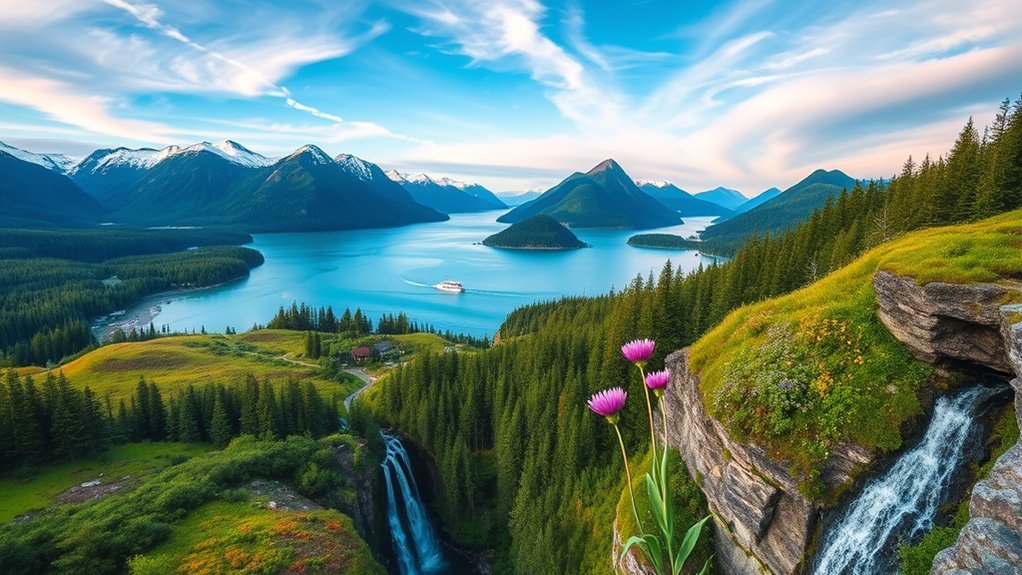
A boat trip is one of the best ways to understand Juneau’s coastal setting. Depending on the itinerary, cruises may travel through Stephens Passage, Lynn Canal, Tracy Arm, Endicott Arm, or other waterways around Southeast Alaska.
Expect forested coastline, mountain scenery, waterfalls, marine birds, and possible wildlife encounters. Longer glacial-fjord cruises may also encounter floating ice and views of tidewater glaciers.
Weather and ice conditions can change the route. A good excursion should still be enjoyable even if a planned glacier approach becomes impossible.
Dress for wind and cool temperatures on deck, even when the weather in downtown Juneau is mild.
Go Dog Sledding
Dog sledding remains one of Juneau’s most distinctive guided adventures. During the visitor season, some operators combine helicopter flights over the Juneau Icefield with visits to glacier-based sled-dog camps.
You may meet the dogs and mushers, learn basic mushing techniques, and ride across snow-covered terrain. The experience connects modern visitors with a form of transportation that has deep roots in Alaska.
Juneau’s glacier dog-sledding trips generally depend on aircraft access, suitable weather, snow conditions, and the individual operator’s seasonal schedule.
Possible highlights include:
- Meeting working sled dogs
- Learning about mushing and dog care from guides
- Flying over parts of the Juneau Icefield on helicopter-based excursions
- Riding a sled over snow at a remote camp
- Photographing mountain and glacial scenery
Flights can be delayed or canceled by low clouds, wind, or other aviation conditions. Build flexibility into your schedule and review the operator’s cancellation and accessibility policies before booking.
Explore Glacier Gardens Rainforest Adventure
Glacier Gardens Rainforest Adventure combines botanical displays with the lush forest environment of Southeast Alaska. It is a good option if you want rainforest scenery without committing to a strenuous hike.
The guided Rainforest Adventure Tour takes visitors through landscaped gardens and forest while guides discuss the plants, property, and surrounding ecosystem.
One of the rewards is the chance to experience the scale and density of Juneau’s temperate rainforest while remaining on a structured visitor route. For related tips and details, explore our Best Day Trips From Juneau, Alaska (2026 Guide).
The attraction currently operates seasonally. Check Glacier Gardens for current dates, hours, and tour availability.
Nature lovers may enjoy pairing Glacier Gardens with a museum or downtown activity on a wet-weather day.
Experience Tlingit, Haida, and Tsimshian Culture
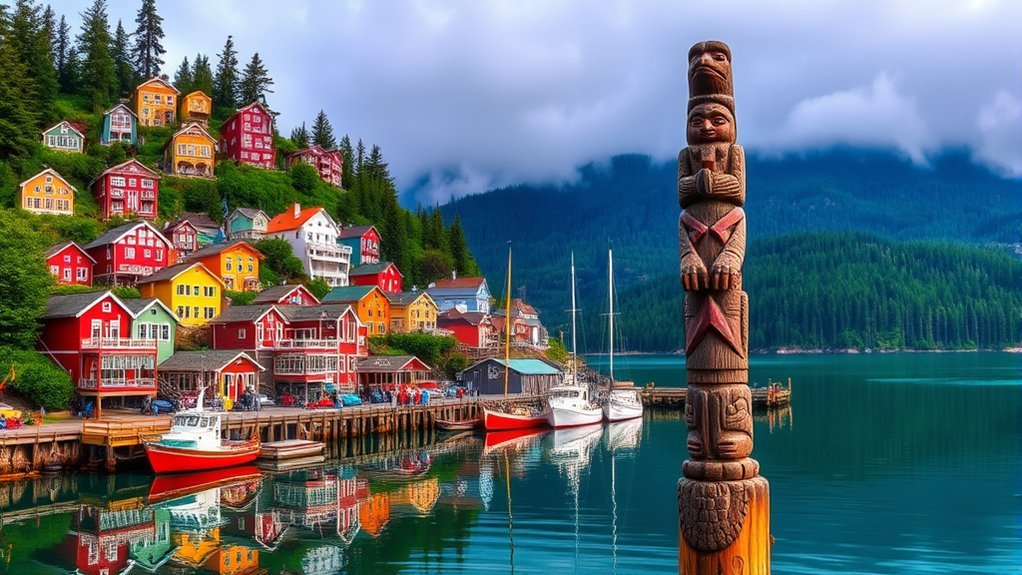
Juneau is an important place to learn about the living cultures of the Tlingit, Haida, and Tsimshian peoples of Southeast Alaska. Approach this part of your visit as an opportunity to learn directly from Indigenous-led institutions, artists, interpreters, and cultural programs.
Southeast Alaska Native cultures are living cultures. Look for Indigenous-led interpretation rather than treating art, language, ceremony, or clan traditions only as artifacts of the past.
A strong starting point is Sealaska Heritage Institute at the Walter Soboleff Building in downtown Juneau. Its mission centers on perpetuating and enhancing Tlingit, Haida, and Tsimshian cultures.
You can also deepen your understanding by:
- Viewing Southeast Alaska Native art and cultural interpretation at Sealaska Heritage Institute.
- Exploring Alaska Native collections and exhibits at the Alaska State Museum.
- Looking for public lectures, artist demonstrations, performances, and cultural events during your visit.
- Buying art directly from Native artists or reputable galleries that identify the artist and community.
- Learning the meaning and context behind art forms rather than treating designs as generic Alaska souvenirs.
Relax at Auke Bay
Auke Bay is a waterfront community northwest of downtown and an important jumping-off point for whale watching, fishing, kayaking, and other marine excursions.
Instead of expecting a resort-style sandy beach, come for the harbor atmosphere, mountain-and-water views, coastal walks, and access to nearby shorelines and recreation areas.
Statter Harbor is a busy working and recreational harbor, so you can watch fishing boats, tour vessels, and private craft moving through the area.
If you want a longer beach walk, explore established public shoreline recreation areas around Juneau and check tide conditions before heading far onto exposed flats. Tides can change quickly.
Auke Bay is also a useful place to slow your schedule down between more structured excursions.
Take a Kayaking Adventure
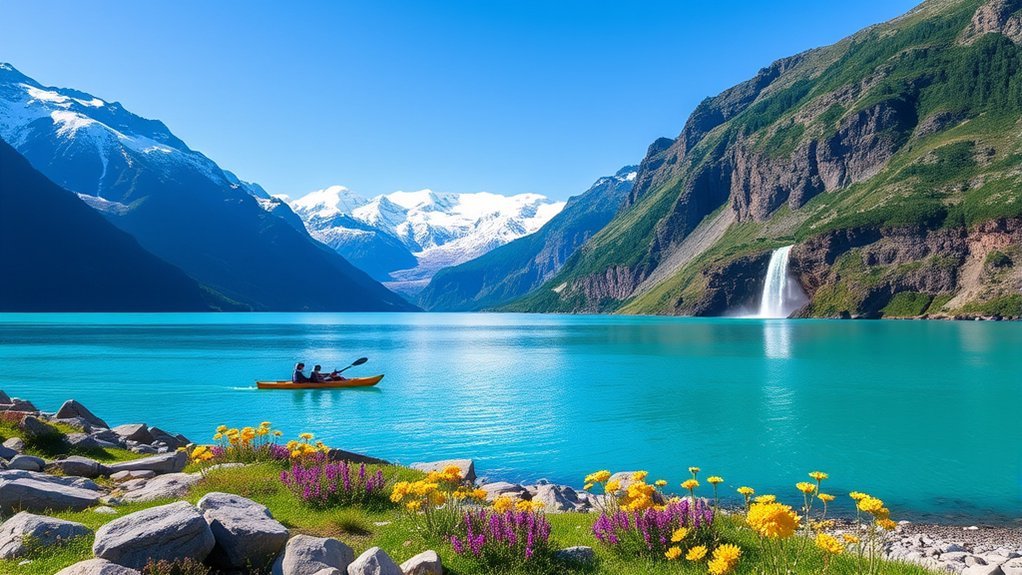
Kayaking puts you close to Juneau’s protected coves, forested shorelines, mountain views, and marine environment. Auke Bay and other road-accessible launch areas are common starting points, while guided trips can reach more remote locations.
You can choose from rentals, lessons, guided half-day outings, and longer excursions depending on your skill level and the season.
Possible highlights include:
- Coastal views: See mountains and rainforest from water level.
- Wildlife: Observe birds and possibly marine mammals from an appropriate distance.
- Guided outings: Local guides can help with routes, tides, weather, and paddling technique.
- Different trip lengths: Choose an outing that matches your fitness and available time.
- A quieter perspective: Paddling provides a very different experience from traveling by large tour boat.
Warning: Cold water, tides, wind, boat traffic, and rapidly changing weather make preparation important. If you are inexperienced with coastal kayaking, a guided outing is a safer choice than heading into unfamiliar water alone.
Visit the Last Chance Mining Museum
The Last Chance Mining Museum offers a closer look at the hard-rock mining industry that shaped much of Juneau’s early development.
The museum occupies a historic mining setting and displays equipment, photographs, maps, and other material connected to Juneau’s gold-mining past.
Rather than simply reading about the gold rush, you can see the scale of machinery and infrastructure used in industrial mining and learn more about the people who worked in the area.
The museum operates seasonally, so confirm current days and hours before making the trip. It pairs well with other Juneau history stops if you want to understand how mining influenced the city’s growth.
Frequently Asked Questions
What Is the Best Time to Visit Juneau for Outdoor Activities?
Late spring through early fall offers the widest range of visitor activities, including hiking, boat excursions, kayaking, gardens, and many seasonal tours. Conditions still vary considerably, so pack waterproof layers and check individual operators. Winter offers a very different experience with shorter daylight, snow-related activities, and fewer summer-focused attractions.
Are There Any Local Festivals or Events in June?
Yes. June events vary by year. Travel Juneau currently identifies Gold Rush Days as a June event, while the major Celebration gathering of Tlingit, Haida, and Tsimshian people was held June 3–6 in 2026. Juneau Jazz & Classics is generally associated with May rather than June. Always check the current event calendar for exact dates.
What Are the Transportation Options Within Juneau?
Downtown is easy to explore on foot. For farther destinations, options include Capital Transit buses, taxis, rental vehicles, tour shuttles, bikes, and rides arranged by excursion operators. Bus schedules and routes can change seasonally, so check the current Capital Transit information before relying on a particular connection.
Is It Safe to Hike Alone in Juneau?
Solo hiking can be appropriate for experienced, prepared hikers on suitable routes, but it should not be treated as risk-free. Check weather and trail conditions, tell someone your route and expected return time, carry appropriate clothing and navigation tools, make noise in bear habitat, and know what to do during a bear encounter. If you are unfamiliar with Alaska conditions, hiking with companions or a guide adds a margin of safety.
What Dining Options Are Available for Local Cuisine in Juneau?
Juneau has casual and full-service restaurants serving Alaska seafood such as salmon, halibut, crab, scallops, and other regional catches, along with pubs, cafés, bakeries, international food, and contemporary Alaska cooking. Downtown has the greatest concentration of visitor-friendly choices, but menus and seasonal openings change throughout the year.
Related Guides
- Alaska Travel Guide: Top Attractions, Itineraries & Tips
- Best Places To Visit In Alaska
- 15 Best Things to Do in Alaska, Alaska
Conclusion
Juneau rewards visitors who mix its major attractions with time to understand the landscape and culture around them. Glaciers, whale watching, rainforest trails, museums, mining history, Alaska Native art and culture, kayaking, and coastal scenery can all fit into one trip, but weather and seasonal access matter. Check current conditions, respect wildlife, pack for rain, and leave enough flexibility to change plans when Southeast Alaska does.
Sources
- U.S. Forest Service — Mendenhall Recreation Area Emergency Closure — current August 2026 access restrictions.
- U.S. Forest Service — Mendenhall Glacier Visitor Center — trails, access, visitor information, and recreation-area guidance.
- NOAA Fisheries — Alaska Marine Mammal Viewing Guidelines — whale and seal viewing regulations and guidance.
- Alaska Department of Fish and Game — Traveling in Bear Country — bear avoidance and encounter safety.
- Sealaska Heritage Institute — Tlingit, Haida, and Tsimshian cultural programs, art, history, and education.
- City and Borough of Juneau — Find a Trail — official information about city-managed Juneau trails.