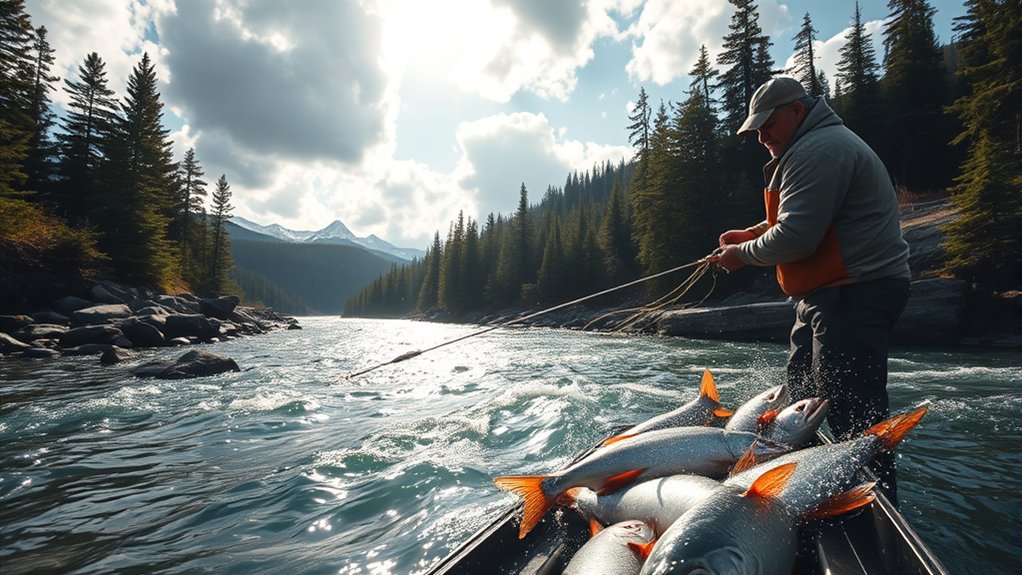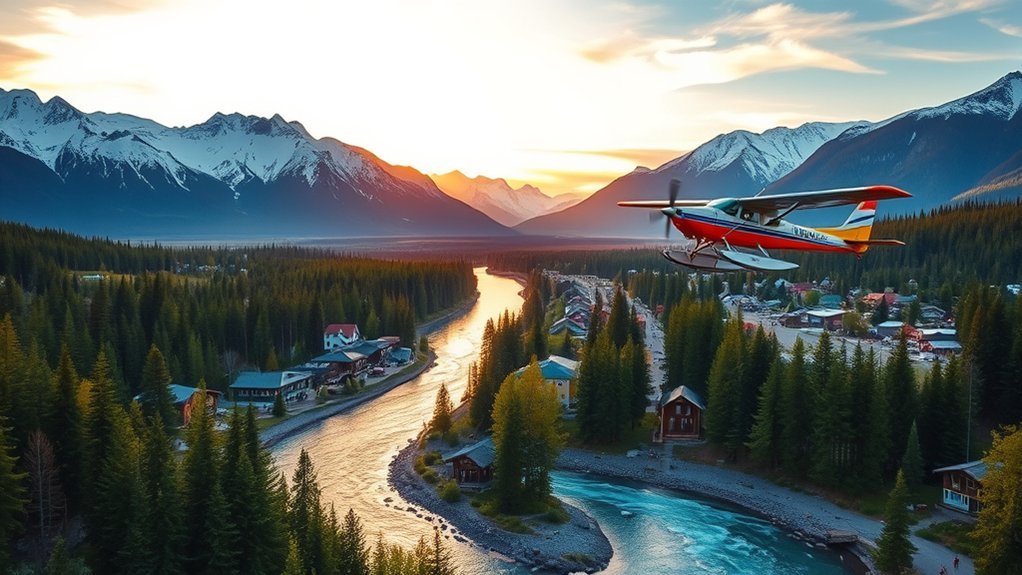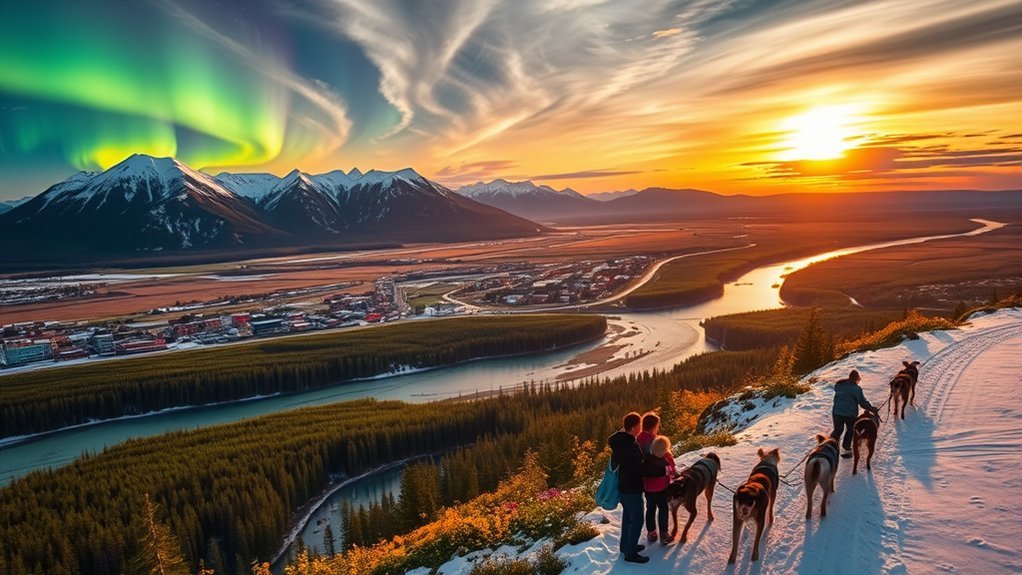
Fairbanks gives you two very different Alaska experiences depending on when you visit. Winter brings dark skies, snow, dog mushing, ice art, and strong opportunities to see the northern lights. Summer brings long daylight, river cruises, farmers markets, wildlife watching, scenic drives, and festivals. The best trip combines Fairbanks history and culture with at least one outdoor experience.
Quick Answer
The best things to do in Fairbanks include watching the Northern Lights, visiting the Museum of the North, exploring Pioneer Park/Alaskaland, taking a Riverboat Discovery cruise, dog mushing, soaking at Chena Hot Springs, seeing local wildlife, touring museums, and enjoying seasonal markets and festivals.
Key Takeaways
- Fairbanks’ main Aurora Season runs from August 21 through April 21, while summer is better for long daylight, markets, river activities, and scenic drives.
- Many of the best Fairbanks experiences are seasonal, so check current operating dates before building your itinerary.
- You can enjoy several strong attractions close to town, but Chena Hot Springs, North Pole, and the Arctic Circle require additional travel time.
- A rental car gives you the most flexibility, although MACS Transit, taxis, rideshare services, shuttles, and organized tours can cover many trips.
- Leave room for both cultural attractions and outdoor experiences rather than planning your entire visit around one activity.
Experience the Northern Lights
Seeing the Northern Lights, or aurora borealis, is one of the main reasons travelers come to Fairbanks. According to Explore Fairbanks, the region’s recognized Aurora Season runs from August 21 through April 21.
The aurora occurs throughout the year, but Fairbanks does not have enough darkness during the brightest part of summer to see it well. During Aurora Season, your chances depend on cloud cover, darkness, solar activity, and how long you are willing to stay outside.
For the best experience, move away from bright city lights and give yourself more than one night. You can watch from a dark roadside location, an aurora lodge, a heated cabin, Chena Hot Springs, or a guided aurora tour.
Fairbanks’ Aurora Season lasts from August 21 through April 21, giving visitors opportunities to look for the northern lights across late summer, fall, winter, and early spring.
Pro Tip: Do not plan a Fairbanks aurora trip around a single night. Cloud cover can hide an active aurora, so several nights give you more opportunities for clear skies.
Visit the Museum of the North
The University of Alaska Museum of the North is one of the best places to understand Alaska before exploring more of the state. It sits on the University of Alaska Fairbanks campus and combines natural history, Alaska Native culture, art, archaeology, wildlife, and science.
Explore Alaska’s Culture and Natural History
The museum’s Gallery of Alaska is organized around the state’s major ecological regions and explores how landscapes, wildlife, and people are connected. The museum also holds extensive archaeological, ethnographic, art, and natural-history collections.
- See Alaska Native art and cultural objects.
- Explore regional wildlife and natural-history displays.
- Visit the Rose Berry Alaska Art Gallery.
- See the preserved steppe bison known as Blue Babe.
- Learn how Alaska’s geography has shaped life across the state.
What to See First
If you have limited time, start with the Gallery of Alaska and the Rose Berry Alaska Art Gallery. The museum’s The Place Where You Go to Listen installation also translates changing natural conditions, including seismic activity and the positions of the sun and moon, into a sound-and-light experience.
The museum is open year-round, but hours and admission can change by season. Check the official hours and admission page before visiting.
Explore Pioneer Park / Alaskaland
This 44-acre historical park near the Chena River is one of Fairbanks’ easiest places to combine history, family activities, museums, and outdoor space.
Note: The Fairbanks North Star Borough approved changing the name of Pioneer Park back to Alaskaland, effective September 4, 2026. You may see either name in maps, travel guides, and older signs during the transition.
The Fairbanks North Star Borough describes the park as a historical theme park with preserved buildings, museums, art, playgrounds, and seasonal attractions. General entry to the grounds is free, although some individual activities and museums charge fees.
- Walk among historic buildings and cabins.
- See Gold Rush-era exhibits.
- Visit the Bear Art Gallery.
- See historic transportation exhibits.
- Enjoy seasonal train, carousel, miniature-golf, dining, and community activities.
The grounds remain accessible outside the main summer season, but many businesses and attractions operate seasonally.
Take a Riverboat Discovery Cruise
A Riverboat Discovery cruise is a convenient way to combine scenery, Fairbanks history, Alaska Native culture, aviation, and dog-mushing history in one outing.
The current experience lasts about three hours and travels along the Chena River. Instead of being a simple sightseeing cruise, it includes several demonstrations and interpretive stops.
Scenery and Demonstrations
From the boat, you can watch the riverbanks and surrounding landscape while learning about life in Interior Alaska. The tour typically includes a bush-pilot demonstration and a stop near Trail Breaker Kennel, associated with four-time Iditarod champion Susan Butcher’s legacy.
Wildlife may appear along the route, but sightings are never guaranteed. Treat wildlife as a bonus rather than the main reason to book the cruise.
Visit Chena Village
A major part of the tour is Chena Village, where Alaska Native guides interpret aspects of Athabascan life and history. Displays may include traditional clothing, a cabin, food storage, salmon preparation, and reindeer.
The experience works especially well for first-time Alaska visitors because it places local history and culture into a broader Fairbanks context.
Discover the Fountainhead Antique Auto Museum
The Fountainhead Antique Auto Museum is far more than a room filled with old cars. Its collection includes more than 125 pre-World War II automobiles, with more than 100 vehicles typically staged for viewing.
The displays include horseless carriages, steam-powered vehicles, electric cars, speedsters, cyclecars, racers, and classic automobiles. Period clothing and fashion displays help connect the vehicles to the eras in which they were used.
- Look closely at early automotive engineering.
- Compare steam, electric, and gasoline-powered vehicles.
- See period fashion displayed alongside automobiles.
- Learn how transportation evolved during the early automotive age.
Even travelers who are not serious car enthusiasts may enjoy the museum because the exhibits focus on design, engineering, fashion, and social history as well as automobiles.
Go Dog Sledding
Dog mushing is closely tied to life and history in Interior Alaska, and Fairbanks has several kennels offering visitor experiences.
Winter is the classic season for riding behind a team on snow. However, some operators continue mushing experiences during low-snow or summer conditions using wheeled carts or vehicles. That means you do not necessarily have to visit in deep winter to meet sled dogs and learn about mushing.
| Experience | What to Expect |
| Winter Dog Sled Ride | Traditional sled travel over snow when conditions allow. |
| Summer or Low-Snow Mushing | Some kennels use wheeled carts or vehicles instead of sleds. |
| Kennel Visit | Meet sled dogs and learn about training, feeding, and care. |
| Mushing Lesson | Some operators offer more hands-on instruction on harnessing or driving a team. |
Tour formats differ significantly, so check whether your booking is a passenger ride, hands-on mushing lesson, kennel tour, or wheeled summer experience.
Visit Creamer’s Field Migratory Waterfowl Refuge
For wildlife viewing in Fairbanks itself, visit Creamer’s Field Migratory Waterfowl Refuge. The Alaska Wildlife Conservation Center is near Portage in Southcentral Alaska, not Fairbanks, so it should not be planned as a local Fairbanks attraction.
Creamer’s Field provides a much more practical wildlife stop. The refuge protects fields, wetlands, forest, and other habitat while remaining surrounded by the Fairbanks urban area.
Watch Birds and Other Wildlife
The refuge is particularly well known for migratory birds. Depending on the season, visitors may see sandhill cranes, geese, ducks, shorebirds, songbirds, and other species. Moose, foxes, hares, and other Interior Alaska wildlife also use the refuge.
Spring and fall migration can be especially rewarding for birdwatchers, while the refuge remains open to wildlife viewing year-round.
Visit the Farmhouse Visitor Center
The historic farmhouse serves as a visitor and nature center, supported by Friends of Creamer’s Field. Educational programs and special events vary throughout the year.
If the visitor center is important to your plans, check current hours and events before going because staffing and schedules can change seasonally.
Walk the Nature Trails
The Alaska Department of Fish and Game describes a roughly three-mile network of nature trails crossing the refuge through boreal forest, seasonal wetlands, and open fields.
- Walk quietly to improve your chances of seeing wildlife.
- Bring binoculars if birding is a priority.
- Keep pets under control and respect posted refuge rules.
- Stay on established routes where required and avoid disturbing wildlife.
See the Trans-Alaska Pipeline System
The Trans-Alaska Pipeline System runs roughly 800 miles between Alaska’s North Slope and Valdez. It remains one of the state’s most recognizable engineering projects.
You can see the pipeline north of Fairbanks at a roadside viewing area along the Steese Highway. Interpretive information explains the pipeline’s construction, permafrost challenges, elevated sections, and role in transporting oil across Alaska.
For deeper background on the pipeline, see the Bureau of Land Management’s Trans-Alaska Pipeline information.
This is usually a relatively short stop, making it easy to combine with other attractions north of Fairbanks.
Explore Chena Hot Springs Resort
Chena Hot Springs Resort is a popular escape from Fairbanks for hot springs, outdoor activities, aurora viewing, and overnight stays.
The resort is outside central Fairbanks, so allow transportation time rather than treating it like a downtown attraction.
Soak in the Hot Springs
The resort’s Pool House operates year-round. Its outdoor natural hot-springs lake is restricted to guests age 18 and older, while an indoor heated pool and other water facilities provide options for younger visitors.
Warning: Chena Hot Springs states that there are no lifeguards on duty. Children must be supervised, and the outdoor natural hot-springs lake is for guests age 18 and older. Check the resort’s current Pool House rules before visiting.
Choose Seasonal Outdoor Activities
Activities change throughout the year. Depending on the season and current schedule, options may include hiking, guided aurora viewing, ATV trips, dog-related activities, horseback riding, and visits to the resort’s year-round ice museum.
Winter travelers often combine Chena with aurora viewing, while summer visitors can take advantage of long daylight for trails and outdoor activities.
Stay Overnight if It Fits Your Plan
Staying at the resort can make sense if you want a slower visit, an evening soak, or more time away from Fairbanks’ city lights. Day visitors can also use many resort facilities without booking overnight accommodation.
Check current lodging, activity, transportation, and Pool House information directly with the resort before traveling.
Attend the World Ice Art Championships
If you visit Fairbanks in late winter, Ice Alaska and the World Ice Art Championships are among the city’s most distinctive seasonal experiences.
Professional sculptors create large and detailed works from Fairbanks ice, and visitors can watch portions of the carving process before viewing finished sculptures.
For 2026, competition activity began in February and continued into early March, while the ice park remained open beyond the competition period. Event dates change each year, so always check the current Ice Alaska calendar instead of relying on a previous season’s dates.
- Visit during active carving days if you want to see artists working.
- Return after dark if the sculptures are illuminated.
- Dress for extended outdoor time in winter conditions.
- Check weather-related operating updates before leaving your hotel.
Shop at the Tanana Valley Farmers Market
The Tanana Valley Farmers Market is a better-defined choice than a generic “Fairbanks Market.” It features Alaska-grown produce and plants along with locally produced foods, crafts, and art.
For the 2026 season, the market runs from May 16 through September 19, with regular Wednesday and Saturday market days.
- Browse Alaska-grown produce when available.
- Look for locally made crafts and artwork.
- Try baked goods and other prepared foods.
- Talk with local growers and makers.
Because the market is seasonal, travelers visiting in winter should plan a different shopping or cultural stop.
Take a Scenic Drive on the Richardson Highway
The Richardson Highway connects Fairbanks with Valdez across roughly 366 miles, according to the Alaska Department of Transportation and Public Facilities.
You do not need to drive the full route to enjoy it. Shorter drives south of Fairbanks can give you a sense of Interior Alaska’s forests, river valleys, and open landscapes, while longer road trips pass mountains, glaciers, and major scenic areas farther south.
The route is paved, but services become more widely spaced away from population centers.
Warning: Winter driving in Interior Alaska can involve snow, ice, extreme cold, limited daylight, and long distances between services. Check official Alaska road and weather conditions before a long drive and carry appropriate cold-weather supplies.
Visit the Fairbanks Community Museum
The Fairbanks Community Museum is a small downtown museum focused on local history rather than statewide collections.
Its exhibits cover subjects such as early Fairbanks, the Klondike and Fairbanks gold-rush eras, the 1967 flood, winter life, and dog mushing. It is a useful complement to the much larger Museum of the North because it concentrates on the community itself.
The museum has historically offered free admission with donations welcomed, but hours can change. Check its current visitor information before going.
Experience the Midnight Sun Festival
The Midnight Sun Festival celebrates the extraordinary summer daylight that defines Fairbanks near the June solstice.
Downtown streets fill with food vendors, local businesses, artists, performances, and community activities. The 2026 festival was held on June 20. Future dates should be confirmed through the Downtown Association of Fairbanks before planning a trip around the event.
The festival is especially useful for travelers who want to experience Fairbanks as a community rather than only moving between tourist attractions.
Explore North Pole, Alaska
North Pole is a separate community southeast of Fairbanks, but it is close enough to include in a Fairbanks-area itinerary.
The main attraction is the Santa Claus House, a Christmas-themed destination that has operated in North Pole since the 1950s.
- Browse Christmas and Alaska-themed gifts.
- See the large Santa statue.
- Take photos with holiday-themed displays.
- Enjoy the unusual experience of visiting a Christmas-themed town outside December.
North Pole also works well as a stop if you are already traveling the Richardson Highway corridor or exploring attractions east and southeast of Fairbanks.
Bonus Fairbanks Experiences Worth Adding
Start at the Morris Thompson Cultural and Visitors Center
The Morris Thompson Cultural and Visitors Center is one of the best free first stops in Fairbanks. It is open year-round and combines visitor-planning help with exhibits about Interior Alaska’s people, landscapes, wildlife, and seasons.
You can pick up maps, ask questions about current conditions, learn about events, and see free exhibits before deciding how to spend the rest of your trip.
Try Gold Panning
Fairbanks grew from a gold-rush history, so actually trying to pan for gold adds context that museum displays alone cannot provide.
Gold Dredge 8 offers a roughly two-hour experience combining mining history, a train ride, the historic dredge, demonstrations, and hands-on gold panning.
The attraction is seasonal, so confirm operating dates before adding it to your itinerary.
Consider an Arctic Circle Day Trip
The Arctic Circle is about 196 driving miles north of Fairbanks. Reaching it is a full excursion rather than a quick city attraction.
Guided van, motorcoach, and air-based trips can remove some of the logistical burden of traveling north. Independent drivers should research Dalton Highway conditions, rental-car restrictions, fuel availability, weather, and emergency preparation carefully.
See Explore Fairbanks’ Arctic information before deciding whether the trip fits your schedule.
Plan Your Fairbanks Trip by Season
| Season | Best For |
| Late August to April | Northern Lights once skies are dark enough; snow activities dominate deeper into winter. |
| Mid-October to March | Snowy winter activities, dog sledding, ice art, skiing, snowshoeing, and winter scenery. |
| May to August | Long daylight, river cruises, farmers markets, hiking, scenic drives, festivals, and outdoor sightseeing. |
| June | Very long daylight and solstice events such as the Midnight Sun Festival. |
If the northern lights are your top priority, do not schedule your trip during the brightest part of summer. If hiking, markets, road trips, and long evenings outdoors matter more, summer is usually the easier season.
Getting Around Fairbanks
A rental car is the most flexible option, especially for Chena Hot Springs, North Pole, wildlife areas, scenic drives, and rural aurora-viewing locations.
If you do not want to drive, the Fairbanks North Star Borough operates MACS Transit. Current routes serve parts of the Fairbanks and North Pole area. Taxis, rideshare services, attraction shuttles, and organized tours can fill some gaps.
Check routes and operating times carefully because public transportation is not designed to reach every rural attraction a visitor may want to see.
Frequently Asked Questions
What is the best time to visit Fairbanks for outdoor activities?
June through August is excellent for hiking, river activities, wildlife viewing, markets, and scenic drives because daylight lasts late into the night. For snow-based activities, plan for winter. Your ideal month depends on whether summer adventure or winter experiences matter more.
When can I see the Northern Lights in Fairbanks?
Fairbanks’ recognized Aurora Season runs from August 21 through April 21. You still need clear skies, sufficient darkness, and aurora activity. Staying several nights generally gives you more opportunities than relying on a single evening.
Are there local dining options in Fairbanks?
Yes. Fairbanks has casual restaurants, coffee shops, food trucks, bakeries, breweries, and restaurants serving Alaska seafood, game-inspired dishes, and international cuisine. Downtown and College Road are useful areas to explore, but hours can be more limited than in larger cities.
How do I get around Fairbanks without a car?
Use MACS Transit for locations served by the public bus network, then combine it with taxis, rideshare services, hotel or attraction shuttles, and organized tours. Downtown is reasonably easy to explore on foot, but several major attractions sit well outside the center.
What is the weather like during summer in Fairbanks?
Summer is much warmer than many first-time Alaska visitors expect, but conditions vary. Daytime temperatures commonly reach the 60s and 70s, with warmer or cooler periods possible. Nights can be noticeably cooler, so layers and a light rain shell are useful even in midsummer.
How many days do I need in Fairbanks?
Three full days is a useful minimum for a first visit because it lets you combine city attractions with one or two longer outings. Four or five days gives you more flexibility for Chena Hot Springs, North Pole, aurora attempts, dog mushing, or a long Arctic Circle excursion.
Are there recommended accommodations in Fairbanks?
Fairbanks has downtown hotels, airport-area properties, chain hotels, lodges, cabins, and bed-and-breakfasts. Stay downtown for easier access to restaurants and cultural attractions, or choose a rural lodge if aurora viewing and quieter surroundings are more important.
Conclusion
Fairbanks works best when you plan around the season rather than trying to follow the same itinerary year-round. Visit during Aurora Season for dark skies, snow, dog mushing, and ice art, or choose summer for long daylight, river cruises, markets, road trips, wildlife viewing, and festivals.
Start with local attractions such as the Museum of the North, Pioneer Park/Alaskaland, Creamer’s Field, and downtown Fairbanks, then add a longer outing to Chena Hot Springs, North Pole, or the Arctic Circle if your schedule allows. With three to five days, you can experience both the history of Interior Alaska and the landscapes that make Fairbanks distinctive.
Sources
- Explore Fairbanks: Aurora Season — official Fairbanks aurora-season timing and visitor guidance.
- University of Alaska Museum of the North — museum collections, galleries, location, hours, and visitor information.
- Fairbanks North Star Borough: Pioneer Park / Alaskaland — park attractions, operating information, and current naming.
- Alaska Department of Fish and Game: Creamer’s Field — wildlife, habitat, and nature-trail information.
- Alaska Department of Transportation: Richardson Highway — highway length, route, pavement, and travel information.
- Ice Alaska — official World Ice Art Championships schedules and visitor information.