Last updated: May 23, 2026 | Sources checked: U.S. Forest Service, Alaska Department of Fish and Game, FAA, and U.S. Fish & Wildlife Service
Mendenhall Glacier Wildlife Viewing Guide: Bears, Birds, Salmon, and Safety
Wildlife viewing at Mendenhall Glacier works best when you know where to stand, when animals are most active, and which rules protect both you and the wildlife. The biggest draw is black bear viewing at Steep Creek during the late-summer salmon run, but the area also supports bald eagles, arctic terns, waterfowl, beavers, porcupines, mountain goats, sockeye salmon, and coho salmon.
Quick Answer: For the best Mendenhall Glacier wildlife viewing, visit Steep Creek Wildlife Viewing Site from July through September, with August and September often giving the strongest bear-viewing chance. Go early or late in the day, stay on marked trails and platforms, never bring food into bear-viewing areas, and follow Forest Service staff instructions when bears are nearby.
Overview of Mendenhall Glacier Wildlife
When you visit the Mendenhall Glacier Visitor Center area in Juneau, Alaska, you enter a changing glacial landscape managed by the U.S. Forest Service as part of the Tongass National Forest. The area includes lake shore, rainforest, salmon streams, raised boardwalks, and mountain slopes. That mix of habitats creates strong wildlife-viewing opportunities close to the visitor center.
The official Forest Service visitor information lists wildlife such as black bears, porcupines, beavers, bald eagles, arctic terns, waterfowl, sockeye salmon, and coho salmon in the area. Mountain goats may also be visible on the cliffs around Mount Bullard when weather and visibility cooperate.
The most important wildlife pattern to understand is the salmon run. Sockeye and coho salmon return to Steep Creek in summer and early fall. Bears, eagles, and other animals use that seasonal food source, which makes Steep Creek one of the most accessible bear-viewing spots near Juneau.
Key takeaway: Mendenhall is not a zoo or a guaranteed wildlife show. Treat it as a real habitat. Your best sightings come from patient viewing, safe distance, and respect for temporary closures.
Best Time for Wildlife Viewing
To get the best wildlife viewing at Mendenhall Glacier, match your visit to the animals you most want to see. Bears follow salmon activity, birds shift with nesting and migration, and mountain goats depend heavily on visibility.
| Season | Wildlife to Watch For | Best Viewing Notes |
|---|---|---|
| Spring | Bald eagles, songbirds, early bear activity | Good for birding, but bear sightings can be less predictable. |
| Summer | Arctic terns, waterfowl, salmon, black bears | July starts the strongest wildlife period around salmon streams. |
| Late Summer to Early Fall | Black bears, sockeye salmon, coho salmon, eagles | August and September are usually the best bear-viewing months at Steep Creek. |
| Winter | Mountain goats, eagles, ravens, forest wildlife | Wildlife viewing is quieter, but clear days can help with mountain goat spotting. |
Seasonal Wildlife Activity
Spring can bring bird activity and occasional bear movement as black bears leave winter dens and search for food. Do not treat spring as the main bear-viewing season at Mendenhall. It can produce sightings, but late summer is usually stronger.
Summer brings more visitors, more trail activity, and more wildlife activity near water. Arctic terns and waterfowl can use the lake area seasonally. Salmon activity at Steep Creek begins to shape the best wildlife encounters as the summer moves forward.
Late summer into early fall gives you the clearest bear-viewing reason to visit. The Alaska Department of Fish and Game identifies August and September as a prime period for accessible bear viewing at Mendenhall Glacier and Steep Creek. From July through September, bears may feed on spawning sockeye and coho salmon near the boardwalk.
Winter wildlife viewing feels quieter. You may still watch for eagles, ravens, forest wildlife, and mountain goats on clear days. Bring warm layers and check current access before visiting in winter because facility hours change by season.
Optimal Viewing Hours
The ideal hours for wildlife viewing often come early in the morning and late in the afternoon. Cooler temperatures and lower crowds can make animals easier to watch. These times also give softer light for photography.
Midday can still work at Steep Creek during peak salmon activity, especially when bears are already feeding. Forest Service interpreters may also be present during peak bear season to manage bear and visitor interactions. Follow their directions immediately, even if it changes your viewing plan.
Weekdays can feel less crowded than peak cruise-ship periods, but wildlife never follows a fixed schedule. Build in enough time to wait quietly. A patient 60-minute visit often gives you a better chance than a rushed 15-minute stop.
Top Locations for Bear Watching
Bear watching at Mendenhall Glacier should focus on managed viewing areas, not random trail encounters. The safest and most reliable viewing happens where platforms, boardwalks, signs, and staff help control the distance between people and bears.
Products Worth Considering

🐧【𝟏𝟓𝐱 𝐇𝐢𝐠𝐡-𝐏𝐨𝐰𝐞𝐫𝐞𝐝 𝐁𝐢𝐧𝐨𝐜𝐮𝐥𝐚𝐫𝐬: 𝐃𝐢𝐬𝐜𝐨𝐯𝐞𝐫 𝐍𝐚𝐭𝐮𝐫𝐞'𝐬 𝐒𝐦𝐚𝐥𝐥𝐞𝐬𝐭 𝐃𝐞𝐭𝐚𝐢𝐥𝐬】Elevate your viewing experience with these 15x high-powered binoculars designed for adults. Crafted for observing extremely long distances, these professional high-powered binoculars provide a razor-sharp view of the smallest details even at longer ranges. Unlock the smallest secrets of nature and immerse yourself in crisp, razor-sharp visuals that traditional 12x magnification binoculars cannot match.
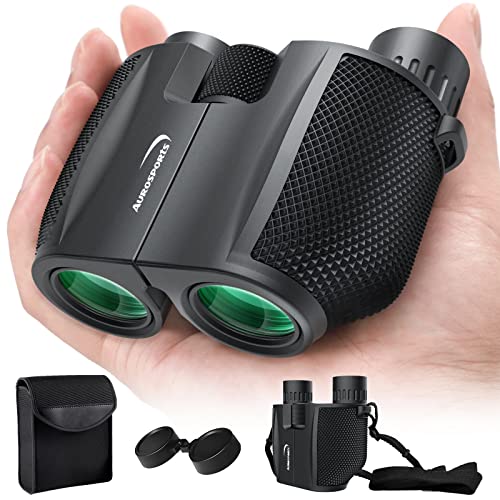
[STABLE 10X MAGNIFICATION] Strike the perfect balance between zooming in and keeping the image steady. These 10x25 binoculars deliver powerful 10-fold magnification while maintaining a blur-free, broad field of view for rapid target acquisition. You can effortlessly track fast-moving birds in your backyard or catch every performer's expression from the back row of a theater.
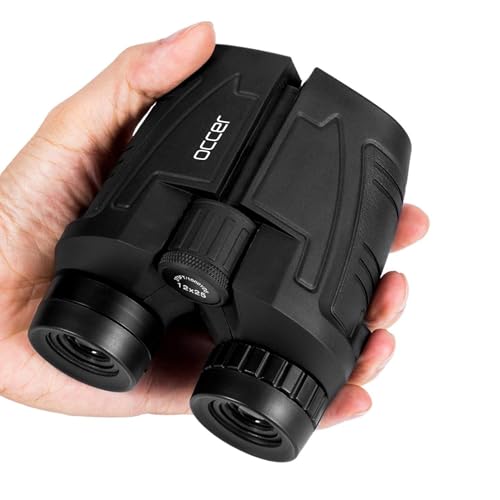
【HIGH-POWERED LARGE EYEPIECE BINOCULARS】 This binoculars for adults has 12x magnification, 25mm objective lens and wide field of view, 273ft/1000yds, letting you look farther and see wider. Coating with FMC Broadband coating and premium BAK4 prism, it ensure imaging verisimilar.
Best Viewing Platforms
The best bear-viewing location is Steep Creek Wildlife Viewing Site. The Forest Service describes it as a network of trails and elevated walkways where visitors can watch spawning fish and the bears that feed on them. The raised boardwalk gives you a safer viewing position when bears move through the creek corridor.
The Alaska Department of Fish and Game notes that black bears, often females and younger bears, gather at Steep Creek during the salmon run. Brown bears can inhabit the wider area, but they usually avoid the heavily visited visitor center zone.
Nugget Falls Trail is better for glacier, lake, waterfall, and scenic views than for bear watching. You may see birds or other wildlife there, but do not market it as the primary bear-viewing spot. If your goal is bears, start with Steep Creek and ask a ranger about current activity.
The visitor center observation area can help with mountain goat viewing. On clear days, use binoculars or the visitor center spotting scope to scan the rocky slopes near Mount Bullard. White dots on the cliffs may be goats, especially when they contrast against green or dark terrain.
Optimal Timing for Sightings
To improve your chance of seeing bears at Mendenhall Glacier, plan around the salmon run. July through September can produce bear activity at Steep Creek, while August and September often provide the strongest viewing window.
Dawn and dusk can be productive because bears often move during cooler parts of the day. During salmon season, bear activity may also happen outside those windows. Stay flexible and give yourself time to wait.
Stay on the trail and platforms. Do not step into closed areas for a better photo. Closures can happen quickly when bears move close to visitor routes, and they protect both people and wildlife.
Can You See Seals or Sea Lions at Mendenhall Glacier?
Seals and sea lions should not be treated as reliable wildlife targets at the Mendenhall Glacier Visitor Center area. The original version of this article described Mendenhall as a prime place to watch seals and sea lions, but that creates the wrong expectation for readers.
Mendenhall Glacier wildlife viewing is strongest for black bears, salmon, bald eagles, arctic terns, waterfowl, beavers, porcupines, and mountain goats. If you want marine mammals, choose a Juneau whale-watching or coastal wildlife tour instead. Those trips give you a better chance of seeing Steller sea lions, harbor seals, humpback whales, and other marine wildlife in the right habitat.
Planning tip: Pair a Mendenhall Glacier visit with a separate boat tour if your Juneau wildlife goal includes both bears and marine mammals.
Birdwatching Opportunities
Birdwatching at Mendenhall Glacier can be rewarding because the area combines lake shore, salmon streams, rainforest, and mountain habitat. You may see large birds such as bald eagles, seasonal birds such as arctic terns, and waterfowl near the lake and wetlands.
| Bird or Bird Group | Best Time to Watch | Where to Look |
|---|---|---|
| Bald Eagle | Spring through fall | Trees, lake shore, salmon areas, and open perches |
| Arctic Tern | Late spring and summer | Mendenhall Lake and signed nesting areas |
| Waterfowl | Spring through fall | Lake edges, wetlands, and quieter water |
| Ravens and Gulls | Year-round | Parking areas, lake shore, and open sky |
| Forest Songbirds | Spring and summer | Rainforest trails and brushy edges |
Bring binoculars even for short trails. Birds may stay across the water, high in trees, or inside protected nesting areas. Do not cross signs, ropes, or closed zones for a closer look.
Essential Safety Tips for Wildlife Encounters
When walking around Mendenhall Glacier, treat every wildlife encounter as a safety moment. The area can feel easy and developed near the visitor center, but the animals remain wild.
Follow these safety rules before you start wildlife viewing:
- Stay on marked trails and platforms: At Steep Creek, use the boardwalk and viewing areas. Do not step into closed sections or brushy areas for photos.
- Give wildlife space: Never approach, follow, feed, or crowd animals. If an animal changes its behavior because of you, you are too close.
- Do not bring food into wildlife-viewing areas: The Forest Service lists strict no-food policies for the visitor center area and surrounding trails, with food limited to designated areas. Food and drink can attract bears.
- Listen to rangers and interpreters: Staff may close parts of the trail when bear traffic increases. Follow directions immediately.
- Stay calm during surprise encounters: Do not run. Back away slowly if safe, speak calmly, and give the animal room to leave.
- Keep pets away from active wildlife viewing: Dogs can stress wildlife and increase risk around bears. Check current rules before bringing a pet.
- Do not use drones for wildlife viewing: Forest Service guidance says not to fly drones over or near wildlife because it can cause stress and harm.
Important note for photographers: A long lens is safer than a close approach. Your best photo should never come at the cost of a bear, bird, seal, goat, or visitor changing behavior because you moved too close.
Recommended Gear for Wildlife Viewing
Having the right gear can make Mendenhall Glacier wildlife viewing safer and more comfortable. Weather can shift quickly in Southeast Alaska, even during summer.
- Binoculars: Use them for bears, eagles, mountain goats, and birds across the lake.
- Camera with zoom lens: A zoom lens helps you keep a safe distance while still getting useful photos.
- Rain jacket and warm layers: Rain, wind, and cool air can appear quickly near the glacier and lake.
- Sturdy walking shoes: Trails and boardwalks can become wet or slick.
- Small daypack: Carry water, extra layers, and your camera gear. Keep all snacks sealed and follow food rules.
- Field guide or bird app: Use it to identify birds, but keep your attention on the trail and posted signs.
- Bear spray for longer backcountry-style hikes: Carry it where legal, keep it reachable, and learn how to use it before your trip.
Do not rely on a phone camera for all wildlife photos. Phone zoom can push you to walk too close. Use binoculars first, then decide whether a photo is safe and realistic.
Products Worth Considering

【 High-Powered & Wide View】Enjoy 15x magnification with an 8° wide-angle field, delivering a crystal-clear 367ft/1000yds view. Perfect for bird watching, marine observation, and sports events. (Fixed 15x magnification – no zoom function)

UPGRADED HIGH-POWER BINOCULARS - These premium binoculars feature a high-magnification 20x zoom eyepiece and offer a 168-yard field of view at 1000 yards. This allows you to observe and focus on intricate details of distant targets up to 1000 yards away, delivering exceptionally broad and clear long-distance vision. Ideal for adults engaged in bird watching, hunting, camping, climbing, hiking, safari, travel, opera, concerts, sports events, and stargazing. They are essential gear for camping, hunting, travel, and cruises.

Leading Optics Brand: Trusted by outdoor and wildlife enthusiasts for over 70 years, Bushnell binoculars are designed for clarity and reliability. These 7x50 binoculars offer exceptional image brightness and performance and are perfect for hunting, boating, and outdoor adventures.
Guided Tours and Resources for Wildlife Enthusiasts
Exploring Mendenhall Glacier wildlife can be easy on your own if you stay near the visitor center, Steep Creek, Photo Point, and Nugget Falls. A guided tour can still help if you have limited time, need transportation from downtown Juneau, or want a safer wildlife-focused plan.
Use guided support when timing, transportation, or wildlife safety matters more than saving a few dollars.
Use these resources to plan a better visit:
- U.S. Forest Service rangers and interpreters: Ask about current bear activity, trail closures, arctic tern nesting areas, visitor center hours, and food rules.
- Permitted local tour operators: The Forest Service lists permitted guide and transport companies for the Mendenhall Glacier Recreation Area. Use permitted operators when booking guided hikes or transportation.
- Alaska Department of Fish and Game wildlife pages: Use ADF&G for bear-viewing timing, safety context, and species information.
- FAA and Forest Service drone guidance: Check current drone rules before flying anywhere near public land, people, trails, or wildlife.
- Visitor center updates: Check official hours, fees, closures, and seasonal notices before you go.
Sample Mendenhall Glacier Wildlife Itinerary
A simple plan helps you avoid rushing through the best viewing areas. Use this route if you have about 90 minutes near the visitor center:
- Start at the visitor center area: Check signs, ask staff about current wildlife activity, and scan the cliffs for mountain goats.
- Walk to Steep Creek: Use the boardwalk and viewing platforms. Stay quiet and watch for salmon, bears, and eagles.
- Visit Photo Point: Look across the lake for birds, icebergs, and glacier views.
- Add Nugget Falls only if time allows: Use this trail for scenery and birds, not as your main bear-viewing strategy.
If you have a half day, add more time for waiting at Steep Creek during salmon season, then include Nugget Falls or a permitted guided hike. If you want marine mammals, schedule a separate boat tour instead of expecting seals or sea lions at the visitor center.
Frequently Asked Questions
Are There Specific Wildlife Photography Guidelines at Mendenhall Glacier?
Yes. Photograph wildlife from trails, platforms, and safe viewing areas only. Do not step into closed areas, follow animals, feed animals, or crowd bears for a closer shot. Use binoculars or a zoom lens instead of moving closer.
What Are the Rules Regarding Drone Usage for Wildlife Viewing?
Do not use a drone for wildlife viewing. Mendenhall Glacier Recreation Area is managed by the U.S. Forest Service, not the National Park Service, and drone pilots must follow FAA rules, local restrictions, and Forest Service guidance. Forest Service guidance says not to fly over or near wildlife because drones can stress animals.
Is There a Designated Area for Picnicking While Wildlife Viewing?
Food rules are strict because bears live and feed near the visitor center area. The Forest Service states that food is allowed only in designated food areas, such as specific visitor center or pavilion areas. Do not eat on wildlife-viewing trails, near Steep Creek, or in bear-viewing zones.
Can I Bring My Pet During Wildlife Viewing Trips?
A pet can make wildlife viewing less safe, especially around bears and salmon streams. Check current Forest Service rules before bringing a dog. If pets are allowed on your chosen route, keep your pet leashed, stay away from active bear-viewing areas, and never let a pet chase or bark at wildlife.
Are There Restroom Facilities Available Near Wildlife Viewing Spots?
Restrooms are available in the visitor center area when facilities are open and accessible. Seasonal hours, pass rules, and access can change, so check the official Forest Service visitor center page or call before your visit.
When Is the Salmon Run at Steep Creek?
Salmon activity at Steep Creek is strongest in summer and early fall. The Alaska Department of Fish and Game notes that from July through September visitors are likely to see bears feeding on spawning sockeye and coho salmon or resting nearby.
What Is the Best Place to See Bears at Mendenhall Glacier?
Steep Creek Wildlife Viewing Site is the best place to start. Its elevated boardwalk and viewing platforms give visitors a safer way to watch bears and salmon during peak season. Stay on the route and follow staff instructions.
Can You See Mountain Goats at Mendenhall Glacier?
Yes, mountain goats may be visible on the cliffs near the glacier, especially around Mount Bullard. Use binoculars or the spotting scope inside the visitor center when available. Clear weather improves your chance of seeing them.
Do I Need a Tour for Mendenhall Glacier Wildlife Viewing?
You do not need a tour for the main visitor center area, Steep Creek, Photo Point, or Nugget Falls. A permitted guide can help if you need transportation, have limited time, or want more context about bear behavior, salmon, birds, and safe viewing.
Can I See Seals or Sea Lions at Mendenhall Glacier?
Do not plan your Mendenhall visit around seals or sea lions. The visitor center area is better for bears, birds, salmon, mountain goats, and rainforest wildlife. Choose a Juneau boat tour if you want a stronger chance of seeing marine mammals.
Official Sources and Useful Links
- U.S. Forest Service: Mendenhall Glacier Visitor Center Area
- U.S. Forest Service: Steep Creek Wildlife Viewing Site
- Alaska Department of Fish and Game: Mendenhall Glacier and Steep Creek Bear Viewing
- U.S. Forest Service: Recreational Drone Tips
- FAA: Recreational Drone Rules
- U.S. Fish & Wildlife Service: Bear Safety
Conclusion
Mendenhall Glacier wildlife viewing rewards visitors who plan around the right season and use the right viewing areas. For bears, focus on Steep Creek during the late-summer salmon run. For birds and scenery, add Photo Point, the lake shore, and Nugget Falls Trail. For mountain goats, scan the cliffs from the visitor center area on a clear day.
Before you go, check current Forest Service updates, follow all food rules, stay on marked trails, and give wildlife room. That simple plan protects you, protects the animals, and gives you the best chance of leaving with a real wildlife memory instead of a rushed glance from the wrong spot.