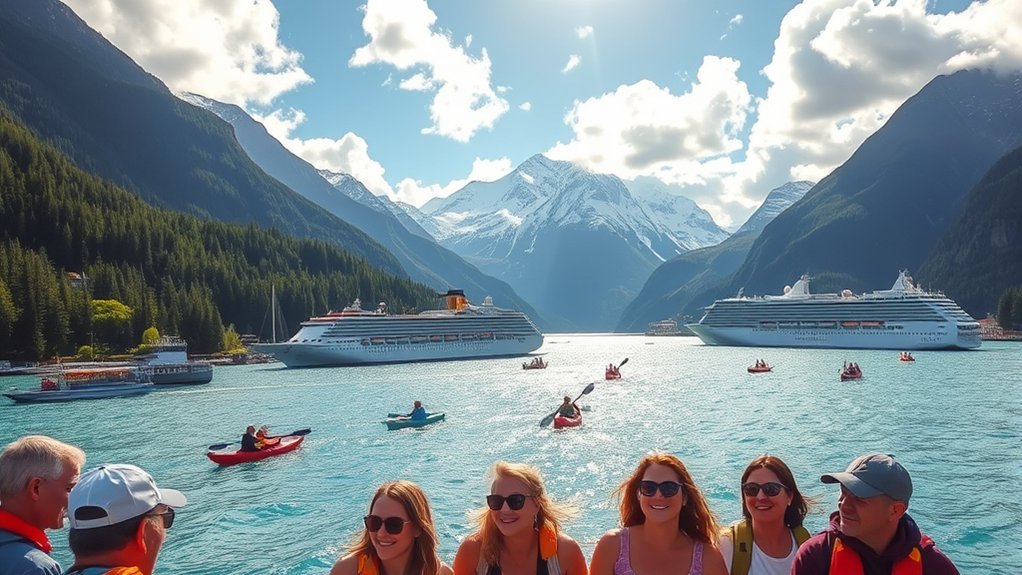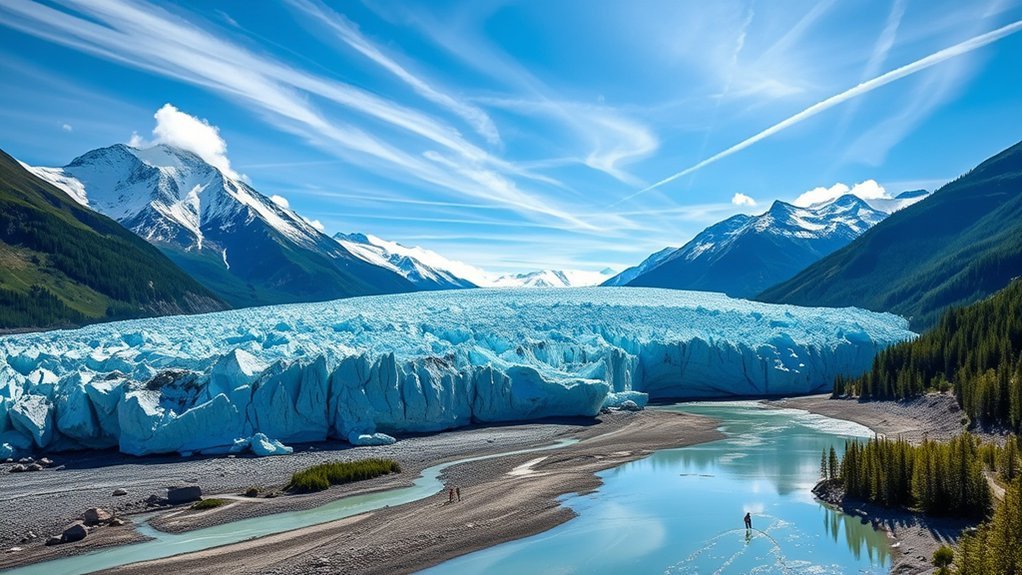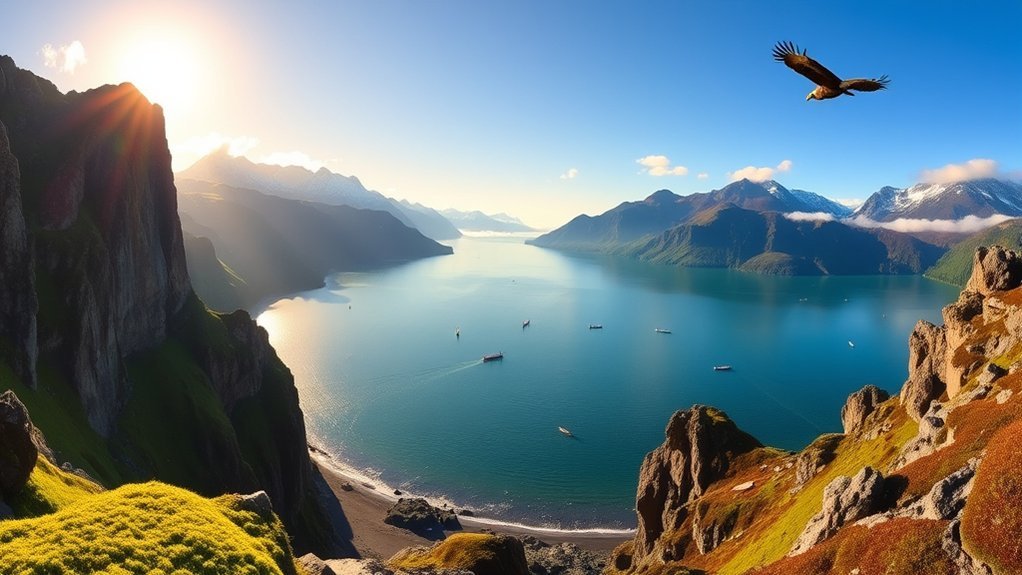
Kachemak Bay State Park gives you mountains, glaciers, forest, wildlife, tidewater, kayaking, and remote hiking within reach of Homer, Alaska—but visiting it takes more planning than driving into a typical state park. Most destinations are across the bay with no road access, so transportation, tides, weather, trail conditions, and backcountry safety should all be arranged before you leave Homer.
Quick Answer
Kachemak Bay State Park is a roadless Alaska wilderness destination best reached from Homer by water taxi, private boat, or suitable air service. Popular activities include hiking to Grewingk Glacier Lake, kayaking protected bays, wildlife watching, camping, and staying in public-use cabins. Always plan around tides, weather, trail conditions, bears, and cold water.
Key Takeaways
- There is no normal road access to most of Kachemak Bay State Park; Homer is the main staging point for water taxis and other transportation.
- Use official Alaska State Parks trail information because routes, crossings, vegetation, flooding, and closures can change.
- Kachemak Bay is cold and strongly influenced by tides and weather, so kayaking requires much more preparation than simply staying near shore.
- Grewingk Glacier Lake has a known landslide-generated wave hazard; follow posted warnings and know how to reach higher ground.
- Camping is possible in much of the park, and public-use cabins are available at several remote locations, subject to current availability.
- Expect wildlife, but never approach or feed animals and keep food and other attractants secured.
Overview of Kachemak Bay State Park
Kachemak Bay State Park, together with the adjoining Kachemak Bay State Wilderness Park, protects a vast roadless landscape of mountains, glaciers, forests, lakes, bays, and coastline across the water from Homer.
The park is known for hiking, camping, kayaking, boating, fishing, photography, wildlife viewing, and mountain recreation. Its remoteness is a major part of the appeal, but it also means you need to be more self-sufficient than you would in a road-accessible park.
Wildlife commonly associated with the area includes sea otters, seals, porpoises, whales, bald eagles, puffins, black bears, moose, mountain goats, coyotes, and wolves. Sightings are never guaranteed, so enjoy animals from a respectful distance rather than approaching them for photographs.
Note: Much of the park is undeveloped, and cell service may be unavailable. Alaska State Parks recommends being prepared to handle emergencies yourself and suggests a satellite communication device for backcountry travel.
Getting There: Access and Transportation
Getting to the park is part of the adventure. Unlike many state parks, you generally cannot drive to the main hiking, camping, and kayaking areas on the south side of Kachemak Bay.
Your trip usually begins in Homer. From there, common access options include:
- Commercial water taxi: One of the most practical choices for hikers and campers. Operators can drop you at marine trailheads and arrange a later pickup.
- Private boat: Experienced boaters can reach numerous beaches, bays, trailheads, and camping areas, but must plan carefully for tides and weather.
- Air service: Appropriate aircraft or air-charter access is available for some locations, subject to park rules and suitable landing areas.
- Guided transportation or tours: Permitted commercial operators may offer water-taxi service, guided kayaking, hiking, sightseeing, and other trips.
- Kayak: Experienced sea kayakers can travel through parts of the bay, but crossing or traveling significant distances from Homer should not be treated as a casual substitute for a water taxi.
A scheduled ferry should not be your default plan for entering Kachemak Bay State Park. Confirm exactly where your transportation provider can drop you off and pick you up before committing to a hiking or camping route.
Pro Tip: When booking a water taxi, plan the pickup before you plan the hike. Ask about the exact beach or trailhead, expected tide conditions, weather cancellation procedures, and what happens if conditions delay your return.
Planning Your Visit: Weather, Tides, and Trail Conditions
Kachemak Bay rewards flexible plans. Weather, tides, trail conditions, and transportation availability can all change your itinerary.
Before leaving Homer:
- Check the current Alaska State Parks information for Kachemak Bay.
- Review the marine-weather forecast and tide information for your route.
- Confirm your water-taxi or other transportation schedule.
- Tell someone where you are going and when you expect to return.
- Carry a map and navigation tools rather than relying only on phone service.
- Build extra time into your itinerary in case weather delays pickup.
- Carry enough food, warm clothing, and emergency supplies for an unexpected additional night.
Trail conditions deserve special attention. Remote routes can be affected by flooding, overgrown vegetation, damaged bridges, difficult creek crossings, blowdowns, landslides, or temporary closures. Check the current park report even if you have hiked the same trail before. For related tips and details, explore our Best Hikes in Kachemak Bay State Park.
Reservation procedures can also change. Alaska State Parks announced a reservation-system transition for fall 2026, so verify the current booking process before reserving a public-use cabin.
Best Hiking Trails to Explore
Kachemak Bay State Park has an extensive backcountry trail network. Distances below are based on official Alaska State Parks trail information, but mileage alone does not tell you how difficult a remote Alaska hike will feel. Mud, brush, creek crossings, weather, elevation, trail maintenance, and boat-access logistics can add substantial difficulty.
| Trail | Official Distance | Elevation / Difficulty | Best For |
|---|---|---|---|
| Glacier Lake Trail | 3.2 miles one way from Glacier Spit | About 200 feet of gain; generally one of the easier major routes | Grewingk Glacier Lake views and a popular day-hike itinerary |
| Saddle Trail | About 1 mile one way | About 200 feet of gain; moderate | Connecting a Grewingk Glacier Lake hike with a separate water-taxi pickup |
| China Poot Lake Trail | 2.8 miles one way | About 500 feet of gain; moderate | Forest hiking, lakes, camping connections, and access toward other trails |
| Grace Ridge Trail | 8.9 miles one way | About 3,100 feet of gain; moderate to difficult | Experienced hikers seeking long alpine views |
| Emerald Lake Loop Trail | 12.6-mile loop | About 2,800 feet of gain; conditions may make sections difficult | Longer backcountry hiking around Emerald Lake and Portlock Plateau |
You can find the park’s official trail collection through the Alaska State Parks trail maps and guides.
Warning: Grewingk Glacier Lake lies in a known landslide-generated wave hazard area. Follow posted tsunami-hazard signs and identify your route to higher ground. Do not climb on glacier ice or enter ice caves unless you have the specialized training and equipment required for glacier travel.
Also treat trail mileage as planning information rather than a guarantee of current accessibility. Remote Alaska trails can change dramatically after storms, flooding, snowmelt, or vegetation growth.
Kayaking Adventures in the Bay
Kayaking can be one of the most memorable ways to experience Kachemak Bay State Park, but it is also one of the activities where preparation matters most. The water is cold, conditions can become rough, and tidal currents can become strong in narrow entrances and passages.
Best Kayaking Areas
Instead of treating towns such as Homer or Seldovia as if they were park paddling routes, focus on actual areas within or immediately along the park:
- Halibut Cove Lagoon: A popular park destination with a public dock, nearby trails, cabins, and protected scenery. Access to the lagoon is strongly affected by tides.
- Glacier Spit and the Grewingk area: Useful for combining marine access with hiking toward Grewingk Glacier Lake.
- China Poot Bay: Gives paddlers access to shoreline scenery and trail connections around the China Poot area.
- Tutka Bay: A remote bay with hiking and public-use cabin access, better suited to paddlers comfortable with longer backcountry trips.
- Sadie Cove: Offers dramatic scenery but demands conservative planning because of exposure, remoteness, and changing marine conditions.
Choose a route that matches your ability rather than the scenery you hope to reach. Beginners may be better served by a guided trip or by using a water taxi to shorten the amount of exposed paddling.
Wildlife Spotting Tips
As you move through Kachemak Bay, watch for sea otters, seals, porpoises, whales, bald eagles, puffins, and other marine birds. On land, black bears, moose, mountain goats, coyotes, and wolves are among the animals found in the region.
Do not chase wildlife with a kayak or boat. Give animals room to choose their own direction and avoid blocking access to shore, feeding areas, resting sites, or young animals. For related tips and details, explore our How to Visit Kachemak Bay State Park: Getting There, When.
Binoculars or a camera with a longer lens let you enjoy wildlife without getting unnecessarily close. Tide, season, weather, food availability, and animal behavior can matter more than a simple “early morning versus evening” rule.
Safety Precautions Needed
The Alaska Office of Boating Safety provides specific cold-water and Kachemak Bay boating guidance. For paddlers, the essentials include:
- Wear a properly fitted life jacket: Do not carry it merely as emergency equipment.
- Prepare for cold-water immersion: Clothing and exposure protection should match the water and weather, not just the air temperature.
- Check weather and tides: Wind opposing tidal flow can make water much rougher.
- Carry navigation information: A chart, map, compass, and reliable navigation method are valuable even when electronics are available.
- File a float plan: Tell someone your route, destination, planned stops, and expected return time.
- Carry communication equipment: Depending on your trip, this may include marine VHF and a satellite communicator or personal locator device.
- Bring emergency supplies: Extra food, warm clothing, first-aid supplies, fire-starting equipment where appropriate, lights, and waterproof storage can matter if weather delays your return.
- Do not force a crossing: Waiting for better weather is often safer than trying to keep a fixed itinerary.
Warning: “Stay close to shore” is not enough as a safety plan. Kachemak Bay’s cold water, tidal currents, exposed shorelines, and rapidly changing weather can turn a short paddle into an emergency.
Wildlife Watching Opportunities
Kachemak Bay State Park is a strong destination for wildlife watching because marine, shoreline, forest, and alpine habitats meet in one area.
From the water you may see sea otters floating and feeding, seals near shore, porpoises, whales, and numerous seabirds. Bald eagles are common around the bay, while puffins and other marine birds occur in the broader Kachemak Bay ecosystem.
On land, watch for black bears, moose, mountain goats, coyotes, and signs of other mammals. Wildlife can appear near trails, campsites, beaches, or waterways, so keep food secured and stay alert even when wildlife photography is not your main goal.
The safest viewing experience is usually the one where the animal barely changes its behavior because of your presence.
Camping Options and Tips
Camping lets you experience Kachemak Bay after day visitors leave, but this is genuine backcountry camping. Transportation delays, wet weather, bears, and limited services should be part of your plan from the start.
Camping and Cabin Options
Camping is allowed in much of Kachemak Bay State Park, and several established areas have facilities such as tent sites, toilets, fire rings, tables, platforms, or bear-resistant food storage. Facilities vary greatly from one location to another. For related tips and details, explore our How to Visit Matanuska Glacier: Getting There, When to Go &.
Useful areas to know include:
- Glacier Spit and the Grewingk area: Popular for hikers combining camping with Grewingk Glacier Lake routes.
- China Poot Lake: Offers trail access and a public-use cabin in addition to backcountry camping opportunities.
- Halibut Cove Lagoon: Provides trail access, a public dock, and multiple public-use cabins.
- Kayak Beach: A marine-access campsite associated with the Grace Ridge area.
- Tutka Bay / Sea Star Cove: Provides a remote public-use cabin and access to the Tutka area.
- Moose Valley: Includes a remote public-use cabin location, although cabin condition and reservation availability should always be checked before planning around it.
Alaska State Parks lists six public-use cabin facilities associated with Kachemak Bay State Park. Availability and condition can change, so do not assume that every listed cabin can be booked for your dates.
Essential Packing Checklist
Pack as if weather or transportation could keep you out longer than planned.
| Essential Gear | Important Extras |
|---|---|
| Tent or confirmed cabin equipment | First-aid kit |
| Warm sleeping bag and sleeping pad | Insect repellent or head net |
| Reliable waterproof rain gear | Sunscreen and eye protection |
| Cooking stove, fuel, and food | Extra food for transportation delays |
| Water and treatment method | Bear-resistant food storage where needed |
| Map, compass, and navigation tools | Satellite communication or other emergency device |
| Warm insulating layers | Headlamp plus spare power |
Natural water should be treated before drinking. Keep critical clothing, electronics, and emergency supplies in waterproof storage if you are traveling by boat or kayak.
Safety and Regulations
- Follow Leave No Trace practices and pack out your garbage.
- Use existing campsites and durable surfaces where practical to reduce damage.
- Secure food, garbage, toiletries, fish, and other wildlife attractants.
- Use bear-resistant storage where it is provided and carry appropriate storage for areas without lockers.
- Follow current fire restrictions and park-specific campfire rules.
- Respect private property and inholdings within the larger park landscape.
- Keep pets under control and follow leash requirements around developed areas.
- Never approach or feed wildlife.
Seasonal Activities and Events
Kachemak Bay changes dramatically through the year, and access conditions matter as much as the activity you want to do.
Spring: Migrating birds become a major attraction around Kachemak Bay. The annual Kachemak Bay Shorebird Festival is an early-May event based in Homer rather than a fall event inside the park. The U.S. Fish & Wildlife Service listed the 2026 festival for May 6–10.
Summer: Long daylight makes this the main season for hiking, kayaking, camping, boating, fishing, and guided trips. Summer does not eliminate cold water, rain, wind, tides, bears, or trail hazards.
Fall: Cooler weather and changing vegetation can make hiking and photography rewarding, but daylight decreases and weather windows can become less forgiving. Confirm water-taxi schedules and cabin availability before traveling.
Winter: Snowshoeing, skiing, and other backcountry travel are possible for properly equipped visitors, but access and rescue become more complicated. Winter travel is best treated as an advanced backcountry trip rather than a casual extension of summer tourism.
Safety Tips for Your Visit
Kachemak Bay State Park is remote enough that small planning mistakes can become serious. Build your trip around the conditions rather than expecting the conditions to fit your itinerary.
- Check official conditions: Review current park and trail reports before departure.
- Check marine weather and tides: Conditions may determine whether your boat or kayak route is reasonable.
- Carry extra food and clothing: Boat pickups can be delayed by weather.
- Have backup navigation: Do not depend solely on phone maps or cellular service.
- Tell someone your itinerary: Include trailheads, camping locations, transportation company, pickup time, and expected return.
- Carry reliable emergency communication: A satellite device can be especially valuable where cell service is absent.
- Stay bear aware: Make your presence known in limited-visibility areas and keep deterrent accessible if you choose to carry it.
- Avoid unsafe glacier travel: Crevasses, unstable ice, ice caves, and glacial streams create hazards that may not be obvious.
- Know Grewingk’s hazard zones: Follow signs directing visitors toward higher ground around Grewingk Glacier Lake.
Warning: If you encounter a bear, do not run. If the bear has not noticed you, quietly leave the area. If it notices you, face it, stay calm, group together, ready your deterrent, and speak calmly. Your response may need to change if the bear acts defensively or persistently approaches, so review official Alaska bear-safety guidance before entering the backcountry.
Frequently Asked Questions
Are there guided tours available in Kachemak Bay State Park?
Yes. Commercial operators in the Homer area offer services such as water taxis, guided kayaking, sightseeing, and hiking trips. Because authorized operators and services can change, confirm current park authorization and exactly what transportation or guiding is included before booking.
What are the best times for photography in the park?
Sunrise and sunset can provide attractive low-angle light, but weather, clouds, tides, and your location may matter just as much. Plan photographs around safe transportation and shoreline conditions rather than staying in an exposed area simply to wait for perfect light.
Are pets allowed in Kachemak Bay State Park?
Yes. Alaska State Parks generally requires pets to be leashed and under control around developed facilities such as campgrounds, trailheads, and similar areas. In undeveloped backcountry areas, dogs may be off leash when they remain under the owner's voice control. Always clean up after your pet and prevent it from disturbing wildlife.
Is fishing permitted, and what regulations apply?
Yes, fishing is a major activity around Kachemak Bay, but rules vary by species, location, season, and fishery. Alaska residents age 18 or older and nonresidents age 16 or older generally need a sport fishing license, and a king salmon stamp may also be required. Check the current Alaska Department of Fish and Game Southcentral regulations and emergency orders before fishing because emergency orders supersede the printed regulation booklet.
What should I do in case of a bear encounter?
Do not run. If a bear has not noticed you, quietly leave the way you came while watching it. If it notices you, face the bear, stay calm, group up, ready your deterrent, and talk calmly. If it approaches, your response depends on whether its behavior is defensive or non-defensive. Review the Alaska Department of Fish and Game bear-safety guidance before your trip so you understand those differences.
Can I drive into Kachemak Bay State Park?
Not to the main backcountry destinations across the bay. Most visitors stage in Homer and continue by water taxi, private boat, or appropriate air service. Decide which marine trailhead or destination you need before arranging transportation.
Do I need to reserve my water-taxi pickup in advance?
Advance arrangements are strongly recommended, especially when your hike begins at one marine trailhead and ends at another. Give the operator your exact pickup location and discuss tides, weather delays, communication procedures, and backup options before departure.
Related Guides
- Alaska Travel Guide: Top Attractions, Itineraries & Tips
- Best Places To Visit In Alaska
- 15 Best Things to Do in Alaska, Alaska
Conclusion
Kachemak Bay State Park is rewarding because it still feels remote. You can hike toward Grewingk Glacier, paddle quiet coves, watch marine wildlife, camp beside the bay, or spend several days linking backcountry trails. The key is to treat access, tides, weather, wildlife, and emergency preparation as part of the trip rather than details to solve after you arrive.
Start in Homer with confirmed transportation, check official trail and marine conditions, carry enough equipment for delays, and choose routes that fit your experience. With that preparation, you can enjoy Kachemak Bay’s wilderness without taking unnecessary risks.
Sources
- Alaska State Parks — Kachemak Bay State Park — official access, activities, facilities, wildlife, and remote-travel information.
- Alaska State Parks — Trail Maps and Guides — official Kachemak Bay trail information and route guides.
- Alaska Office of Boating Safety — Publications — Kachemak Bay boating, cold-water, tide, and navigation safety guidance.
- Alaska Department of Fish and Game — Southcentral Sport Fishing Regulations — current fishing rules and emergency-order guidance.
- Alaska Department of Fish and Game — Safety in Bear Country — official bear-encounter guidance.
- U.S. Fish & Wildlife Service — Kachemak Bay Shorebird Festival — official 2026 festival timing and location.