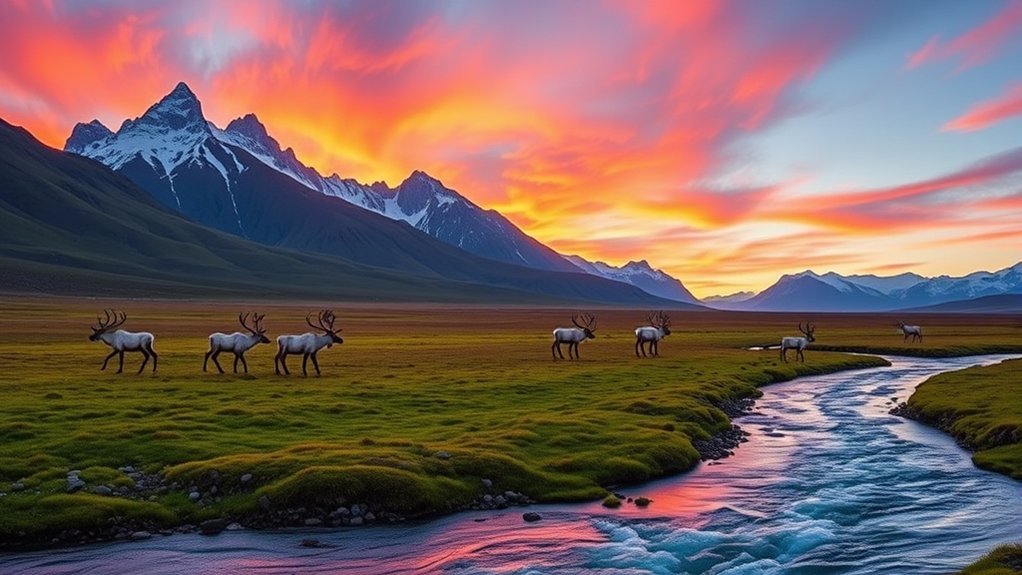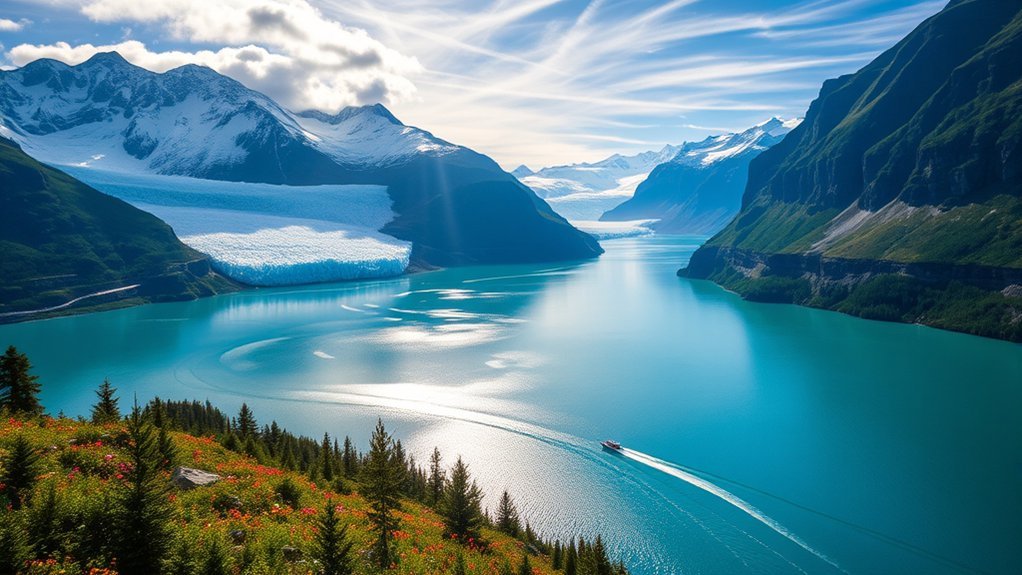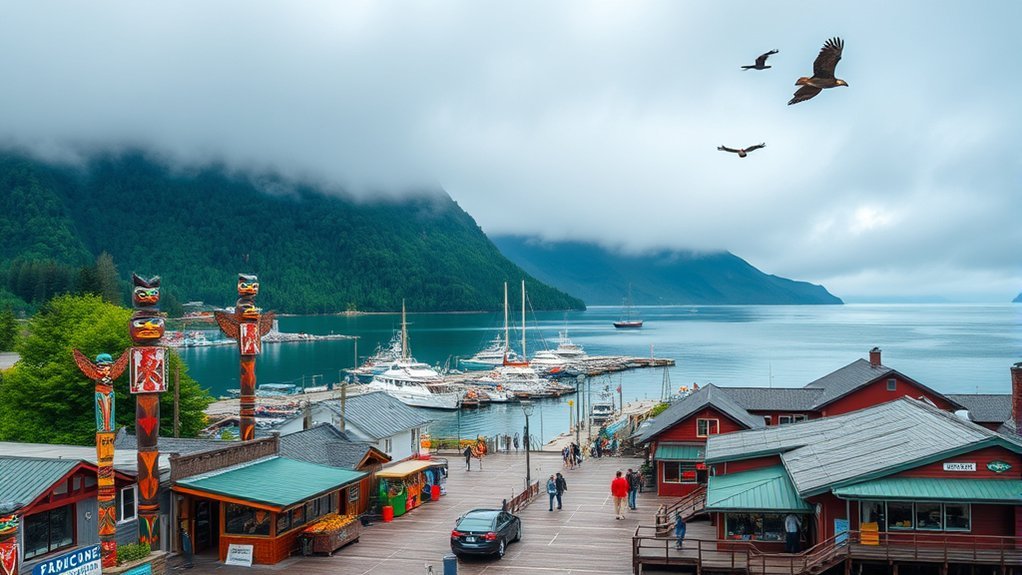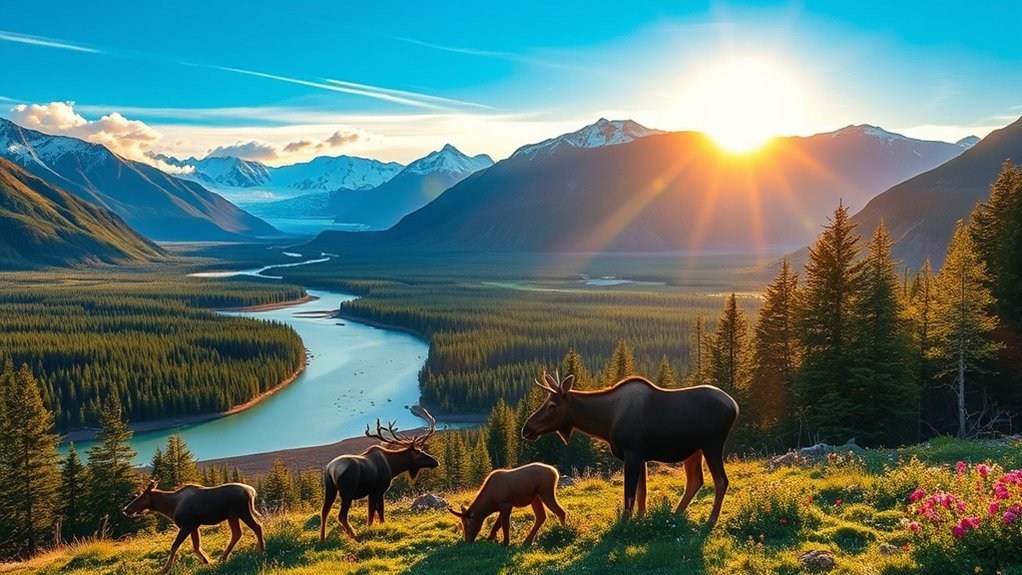
June is one of the easiest months for a first Alaska trip because roads, tours, parks, and visitor services are widely available. You also get very long days for hiking, wildlife watching, glacier cruises, and scenic drives. The tradeoffs are changing weather, mosquitoes, early-season snow on higher trails, and peak-season demand for cars, lodging, and tours.
Quick Answer
June is an excellent time to visit Alaska for long daylight, mild daytime temperatures, open summer services, wildlife tours, and hiking. Expect average highs from the low 60s in coastal cities to the low 70s in Fairbanks, plus rain, wind, mosquitoes, and lingering mountain snow.
Key Takeaways
- June weather varies sharply by region, so plan around the places you will visit instead of using one statewide forecast.
- Anchorage and Juneau usually have average highs in the low 60s, while Fairbanks averages around the low 70s.
- Daylight ranges from roughly 17 hours in Southeast Alaska to 24 hours above the Arctic Circle.
- Higher trails can still hold snow, mud, swift streams, and avalanche hazards in early June.
- Wildlife viewing is strong, but sightings are never guaranteed and Brooks Camp bear numbers are often low in early June.
- Book rental cars, Denali buses, cruises, lodging, and popular tours early.
Alaska June Weather by Region
Alaska is too large for one useful statewide temperature range. Coastal locations stay cooler and wetter, while Interior Alaska is usually warmer and drier. The table below uses 1991–2020 climate normals from the National Weather Service, not a forecast for your travel dates.
| City and Region | Average June High | Average June Low | Normal June Precipitation |
|---|---|---|---|
| Anchorage, Southcentral | 63.4°F | 48.4°F | 1.02 inches |
| Fairbanks, Interior | 71.8°F | 50.2°F | 1.48 inches |
| Juneau, Southeast | 62.4°F | 46.8°F | 3.82 inches |
These averages hide daily swings. A sunny Interior afternoon can feel warm, while a boat tour near glaciers can feel cold even when the town forecast looks mild. Check the local National Weather Service forecast each morning and carry a waterproof outer layer.
Daylight and the Midnight Sun
Long daylight is one of June’s biggest advantages. At the beginning of June, the Alaska Climate Research Center lists about 18 hours 44 minutes of daylight in Anchorage, 20 hours 33 minutes in Fairbanks, and 24 hours in Utqiaġvik. Fairbanks reaches nearly 22 hours of daylight near the June solstice.
The long day gives you more sightseeing time, but it can also disturb sleep. Pack an eye mask and keep a normal bedtime instead of trying to use every hour of light.
Rain, Snow, Wind, Mosquitoes, and Smoke
Rain is possible anywhere, especially in Southeast Alaska and near the Gulf of Alaska. Wind can make coastal trips and glacier cruises feel much colder than the air temperature suggests. Snow is uncommon in most towns, but higher trails can remain snowy well into June.
Mosquitoes are active in early summer, especially near wetlands, tundra, forests, and calm Interior locations. Bring an effective insect repellent and a head net if you will camp or hike in buggy areas. Wildfire smoke can also affect Interior routes during some summers, so check weather, air-quality alerts, and road conditions before a long drive.
Note: June is summer in Alaska, but hypothermia is still possible when rain, wind, cold water, or wet clothing lower your body temperature.
Wildlife Encounters in June
June can be excellent for wildlife because migratory birds have returned, marine tours are operating, and many animals are active with young. Use binoculars or a zoom lens, stay quiet, and remember that no tour can guarantee a sighting.
| Wildlife | Where to Look | June Reality Check |
|---|---|---|
| Brown bears | Katmai’s Pacific coast, Kodiak, and other guided bear-viewing areas | Coastal viewing can be productive in June. Brooks Camp often has few bears in early June, with activity improving when salmon arrive late in the month. July and September are usually stronger at Brooks Camp. |
| Humpback whales, orcas, and sea otters | Kenai Fjords, Resurrection Bay, Prince William Sound, and Southeast Alaska | Humpbacks feed around Kenai Fjords from spring through fall. Orcas and sea otters are possible, but routes and sightings vary with weather and animal movement. |
| Moose | Willow thickets, ponds, marshes, river valleys, and roadsides in Southcentral and Interior Alaska | Cows may have calves and can be highly defensive. Never move between a cow and calf. |
| Bald eagles and seabirds | Coastal Alaska, fishing harbors, cliffs, islands, and marine tours | June is a strong birding month, but nesting areas may have seasonal closures or minimum-distance rules. |
Warning: Do not use the same response for every wildlife encounter. Bear and moose behavior require different actions. Never run from a bear, never approach a moose, and follow the current Alaska Department of Fish and Game or park-specific guidance before entering wildlife habitat.
If a bear has not noticed you, leave quietly the way you came. If it notices you, stay calm, do not run, group together, make yourself known with a calm voice, and keep your deterrent ready. If a moose shows agitation, increase your distance and place a solid object such as a tree or vehicle between you and the animal.
Carry EPA-registered bear spray where it is permitted, keep it accessible, and learn how to use it before your trip. Do not pack a standard bear-spray canister for a commercial flight. The Transportation Security Administration lists bear spray as prohibited in both carry-on and checked baggage, so arrange to buy, rent, return, or dispose of it in Alaska.
Outdoor Activities to Enjoy
June supports a wide range of outdoor activities, but the safest choice depends on your experience, route, and weather.
- Glacier and wildlife cruises: Seward, Whittier, Valdez, Juneau, and other coastal towns offer day cruises. Bring warm layers, rain protection, and motion-sickness medicine if you need it.
- Hiking: Lower trails are often open, but upper routes may still have snow, mud, avalanche exposure, or swollen streams.
- Fishing: Salmon, trout, halibut, and other opportunities vary by region and date. Buy the correct license and check current area regulations and emergency orders before fishing.
- Kayaking and rafting: Cold water, tides, wind, and glacier-calving waves create serious hazards. New paddlers should use a qualified guide and wear the right flotation and immersion protection.
- Camping: Reserve popular campgrounds early, store food and scented items correctly, and use a sleep mask during bright nights.
- Flightseeing: Mountain and glacier flights can be memorable, but weather cancellations are common. Avoid scheduling a flightseeing tour immediately before a cruise departure or flight home.
Pro Tip: Put your most weather-dependent activity near the beginning of your stay. That gives you another day to reschedule if wind, clouds, or rough water cancel the trip.
Best Hiking Trails in Alaska in June
June trail conditions depend on elevation, snowpack, recent rain, and river levels. Check the managing agency’s current conditions page on the day of your hike.
| Trail or Area | Why Go | June Caution |
|---|---|---|
| Harding Icefield Trail, Kenai Fjords | An 8.2-mile round trip with glacier and icefield views; about 3,500 feet of elevation gain | The upper trail is often snowy through late June or early July, and avalanche hazards can exist in early summer. Allow 6–8 hours for the full hike. |
| Denali front-country and backcountry routes | Tundra, mountain views, wildlife habitat, and both marked trails and route-based hiking | In summer 2026, buses travel no farther than Mile 43 because of the Pretty Rocks landslide. Private vehicles normally stop at Mile 15 after summer bus service begins. |
| Crow Pass Trail, Chugach State Park | Glaciers, waterfalls, mining history, and mountain scenery | The full route is 23.2 miles one way and includes unbridged stream and river crossings. It is not a casual day hike, especially when glacial water is high. |
| Kachemak Bay State Park, near Homer | Coastal forest, lakes, glaciers, beaches, and remote backcountry scenery | There is no road access. You need a water taxi, boat, or aircraft, and cell service may be unavailable. Alaska State Parks recommends a satellite device for backcountry travel. |
Safety Tips for Hikers
- Check current trail, weather, avalanche, wildfire, and wildlife-closure reports.
- Tell someone your exact route, turnaround time, and overdue plan.
- Download offline maps and carry a paper map or satellite communication device for remote routes.
- Turn around before weather, water, snow, or fatigue becomes an emergency.
- Stay on constructed trails where required. In areas that allow off-trail travel, use reliable navigation and follow local rules.
- Carry extra food, water, insulation, rain gear, a first-aid kit, and an emergency light even during long daylight.
- Do not attempt a glacial river crossing when the water is deep, fast, opaque, or above your safe ability.
Scenic Drives and Tours
The Seward Highway is one of the best June drives for mountain and water views along Turnagain Arm. Use signed pullouts for wildlife and photos. Never stop in a traffic lane, and watch for roadwork, cyclists, animals, and slow vehicles.
Denali Park Road is different from a normal scenic highway. Most visitors use a park bus beyond the front-country area. For summer 2026, the Pretty Rocks landslide limits buses to the East Fork area at Mile 43, while Eielson Visitor Center and Wonder Lake Campground remain closed. Reserve a bus early and check the park’s current-conditions page before arrival.
Kenai Fjords boat tours from Seward can show glaciers, seabirds, sea otters, seals, sea lions, and whales. Conditions can be colder and rougher than they feel on land, so pack a warm hat, gloves, waterproof outerwear, and a secure camera strap.
Tips for Traveling in June
June is busy enough that waiting until arrival can leave you with expensive or limited choices. Reserve the trip components that are hardest to replace first: lodging in small towns, rental cars, Denali buses, ferries, remote flights, and popular wildlife or glacier tours.
- Allow more driving time than the map suggests. Construction, wildlife stops, fuel stops, and slow traffic can stretch the day.
- Check Alaska 511. It reports road conditions, incidents, construction, closures, cameras, and wildfire information.
- Refuel early. Gas stations can be far apart on remote highways, and some keep limited hours.
- Keep a buffer day. Weather can delay boats, small aircraft, and tours.
- Download important information. Save reservations, maps, addresses, and emergency contacts before leaving reliable service.
- Respect local communities. Park legally, use public facilities, and avoid blocking roads, driveways, docks, or wildlife corridors.
Pro Tip: Build at least one unplanned half-day into your route. It can absorb a weather delay or become time for a beach walk, museum, local market, short trail, or scenic pullout.
A Simple 7- to 10-Day June Route
A road-and-rail trip through Southcentral and Interior Alaska works well for a first visit. Adjust the pace to your arrival city and avoid stacking long drives with major tours on the same day.
- Days 1–2: Anchorage. Recover from travel, explore local trails or museums, and collect rental gear or bear spray.
- Days 3–4: Seward. Drive the Seward Highway, take a Kenai Fjords cruise, and choose a short Exit Glacier walk or a longer hike if conditions match your ability.
- Day 5: Return north. Use this as a flexible travel or weather-buffer day.
- Days 6–7: Denali. Take a park bus, join a ranger program, and hike in the accessible front-country or open backcountry.
- Days 8–10: Fairbanks or extra time. Continue north for Interior scenery and long daylight, or use the extra days for Homer, Talkeetna, or Prince William Sound.
With only seven days, choose two main bases rather than trying to cover Anchorage, Seward, Homer, Denali, and Fairbanks. Alaska rewards slower travel.
What to Pack for Alaska in June
Your packing list should handle sun, rain, wind, cold boats, muddy trails, and warm Interior afternoons.
- Lightweight base layers and comfortable travel clothes
- A fleece or light insulated jacket
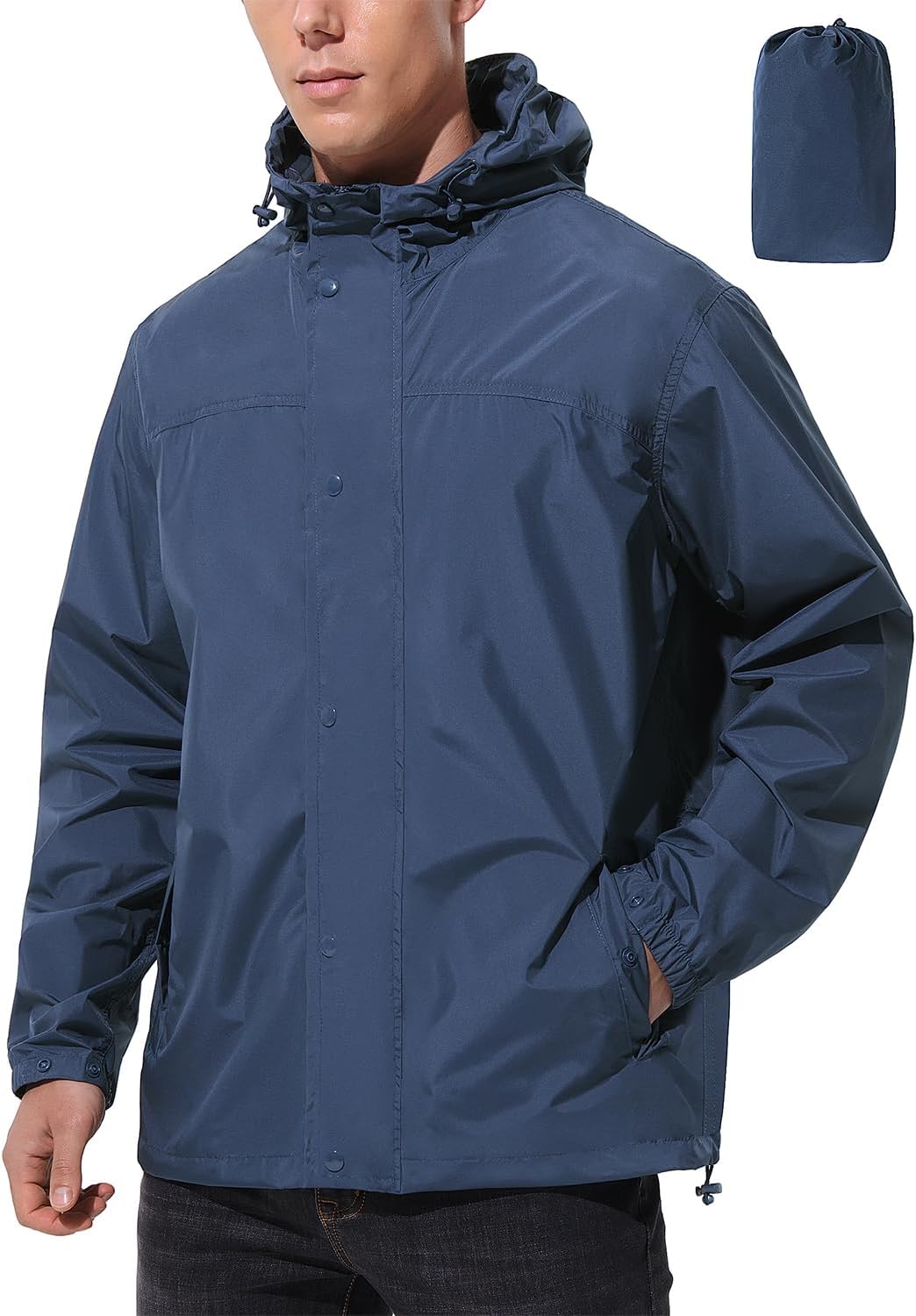
- A waterproof, wind-resistant shell with a hood
- Sturdy walking shoes or hiking boots with good traction
- Warm hat and light gloves for cruises, glaciers, and high trails
- Sun hat, sunglasses, and sunscreen
- Insect repellent and an optional head net
- Refillable water bottle and trail snacks
- Binoculars and a camera with a zoom lens
- Eye mask for bright nights
- Dry bag or waterproof pouch for electronics
- Portable battery pack and offline maps
Pack a small daypack so your rain shell, warm layer, water, snacks, and safety gear stay with you instead of inside a hotel room or tour-bus luggage compartment.
Frequently Asked Questions
Is June a good month to visit Alaska?
Yes. June offers long daylight, open summer services, active wildlife tours, and generally mild daytime weather. It is also a busy month, so you should reserve important lodging, transportation, and tours early.
What is the best time to see the northern lights in June?
You should not plan on seeing the northern lights in Alaska in June because the sky stays too bright. In Fairbanks, the practical aurora-viewing season is roughly late August through late April, with exact darkness varying by location.
Are there festivals or events in Alaska during June?
Yes. Communities often schedule solstice celebrations, markets, cultural programs, races, concerts, and outdoor events. Dates change each year, so check the official calendar for each town shortly before your trip.
What safety precautions should I take around wildlife?
Never feed, follow, crowd, or block wildlife. Use binoculars, follow posted distance rules, keep food secured, and learn the correct response for bears and moose before entering their habitat. If an animal changes its behavior because of you, you are too close.
How do I prepare for sudden weather changes?
Carry a waterproof shell, warm layer, food, water, navigation, and a small emergency kit. Check the forecast before leaving, but set a turnaround time and be ready to change plans when clouds, wind, rain, snow, or water levels worsen.
What clothing should I pack for Alaska in June?
Pack light base layers, comfortable pants, a fleece or insulated layer, a waterproof shell, and sturdy shoes. Add a warm hat and gloves for boats, glaciers, early mornings, and high-elevation hikes.
Are mosquitoes bad in Alaska in June?
They can be. Mosquito pressure varies by weather and habitat, but wetlands, forests, tundra, and calm Interior locations can be buggy. Carry repellent and consider a head net for camping or long hikes.
How far can I travel on Denali Park Road in 2026?
Summer transit and tour buses travel no farther than the East Fork area at Mile 43 because of the Pretty Rocks landslide. Private vehicles normally travel only to Savage River at Mile 15 after summer bus operations begin. Check current conditions before your visit.
Can I fly to Alaska with bear spray?
Do not plan to pack a standard bear-spray canister. TSA lists bear spray as prohibited in carry-on and checked baggage. Buy or rent it after arrival, keep the receipt, and ask the seller how to return or dispose of it before your flight home.
Conclusion
June gives you long days, open summer services, mild temperatures, wildlife opportunities, and access to many of Alaska’s best drives, cruises, and trails. Plan by region, not by one statewide forecast. Reserve the hardest-to-replace parts early, carry layers and rain protection every day, and leave enough flexibility for weather and wildlife.
Sources
- National Weather Service Anchorage climate report — Anchorage June temperature and precipitation normals
- National Weather Service Fairbanks climate report — Fairbanks June temperature and precipitation normals
- National Weather Service Juneau climate report — Juneau June temperature and precipitation normals
- Alaska Climate Research Center — regional daylight patterns across Alaska
- Denali National Park current conditions — 2026 Denali Park Road access and closures
- Alaska Department of Fish and Game bear-country guidance — bear encounters, prevention, and bear-spray use