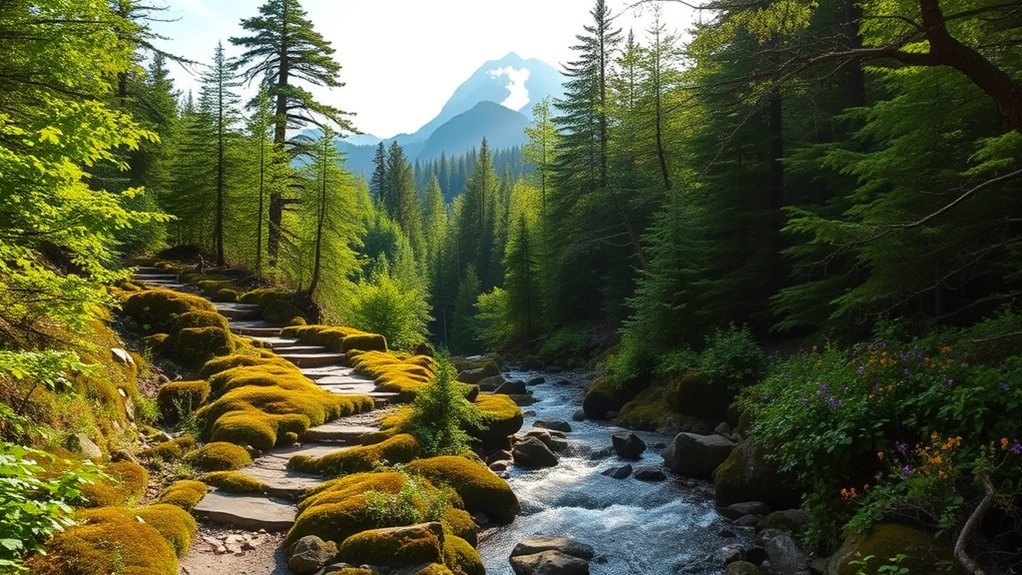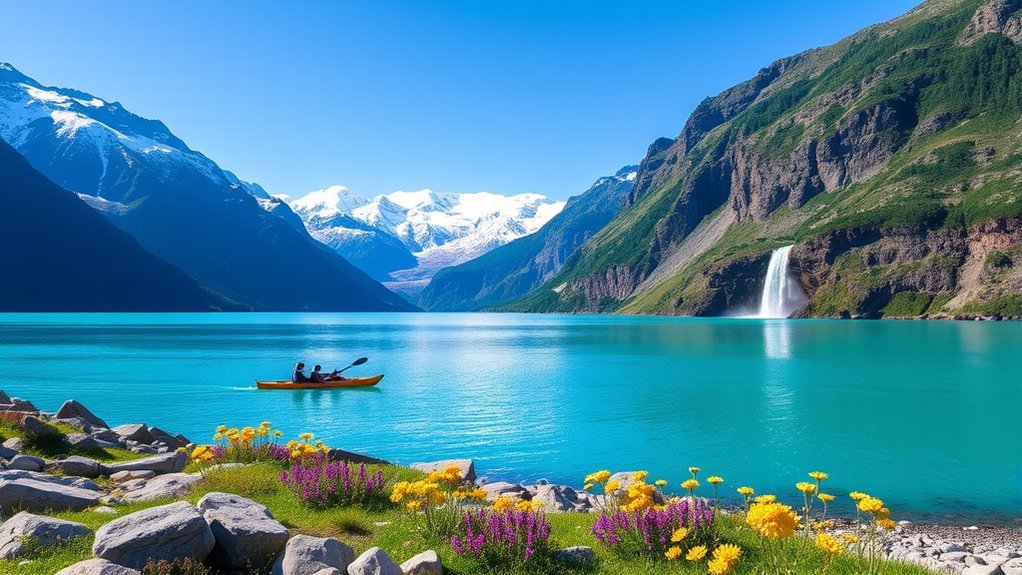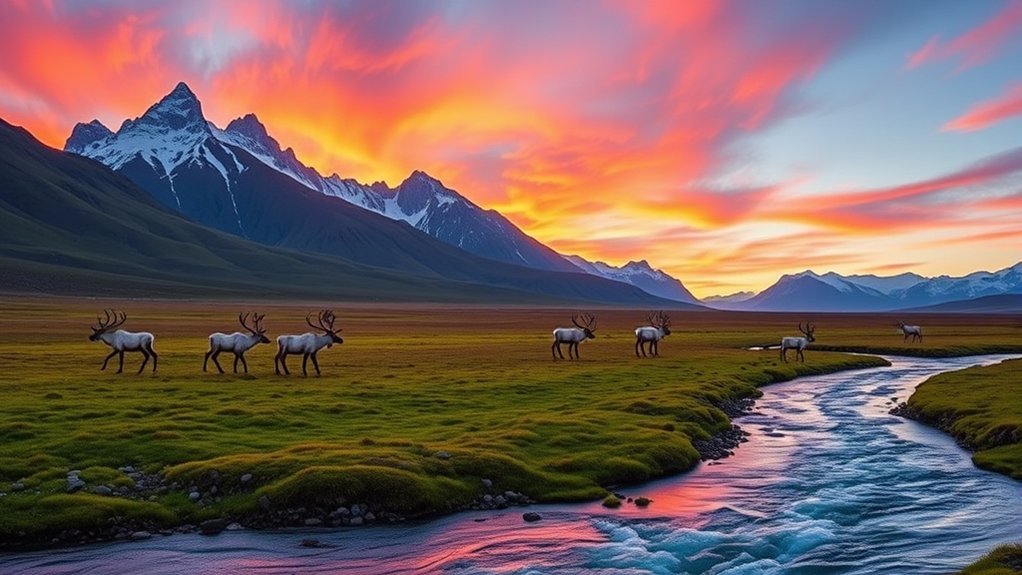
Wildlife viewing in Gates of the Arctic National Park and Preserve is very different from watching animals at a roadside national park. There are no wildlife-viewing pullouts or dependable gathering spots. Instead, you travel through a vast Brooks Range wilderness where caribou, bears, wolves, moose, Dall sheep, foxes, wolverines, muskox, and migratory birds may appear when conditions are right. Good preparation, patience, and safe viewing habits matter as much as knowing where to look.
Quick Answer
Wildlife viewing in Gates of the Arctic is best treated as a wilderness encounter, not a guaranteed safari. Summer and early fall offer practical access and active birdlife, while caribou, bears, wolves, moose, Dall sheep, and smaller animals are widely dispersed. Use binoculars, avoid disturbing wildlife, and prepare for true backcountry conditions.
Key Takeaways
- Wildlife is widely dispersed, so no river valley or mountain pass can guarantee a sighting.
- Summer and early fall are the most practical seasons for most visitors, while migratory birds are especially active during the Arctic summer.
- Never approach wildlife. If an animal notices you, stops feeding, changes direction, or otherwise reacts to you, increase your distance.
- Cell phones do not work in the park, so carry reliable backcountry communication, navigation tools, and a detailed trip plan.
- Overnight visitors must follow bear-resistant food-storage requirements and should understand bear safety before entering the backcountry.
Overview of Wildlife in Gates of the Arctic National Park
Gates of the Arctic protects a huge section of Alaska’s central Brooks Range, including tundra, boreal forest, alpine slopes, rivers, lakes, and broad glacial valleys. Those different habitats support an impressive range of wildlife.
The National Park Service wildlife overview describes caribou, grizzly and black bears, wolves, moose, Dall sheep, wolverines, foxes, small mammals, fish, and many migratory birds as parts of this Arctic ecosystem.
Caribou are among the park’s most recognizable animals. Large northern herds move across the Brooks Range during seasonal migrations, although their routes, timing, and numbers can change from year to year. Wolves, bears, and wolverines also use enormous territories, so simply being in suitable habitat does not mean you will see them.
Dall sheep favor rugged alpine terrain, while moose are more closely associated with productive valleys, shrubs, and lower-elevation habitat. Migratory birds add another layer of activity during the short Arctic summer.
The key expectation is simple: wildlife is widely dispersed. A quiet day with only tracks, distant birds, or a single animal is still normal in this enormous wilderness.
Best Areas for Wildlife Viewing
Gates of the Arctic does not have developed wildlife-viewing areas. Instead, look for productive habitat along river corridors, open tundra, mountain passes, lakes, wetlands, and alpine slopes. The park’s Wild and Scenic Rivers can provide viewing opportunities while hikers and paddlers travel through the wilderness.
The areas below should be treated as habitat examples rather than guaranteed wildlife hotspots.
| Area | Habitat to Watch | Possible Wildlife |
|---|---|---|
| North Fork of the Koyukuk River | River valleys, tundra, foothills, and nearby mountain slopes | Caribou, bears, moose, wolves, birds, and Dall sheep in suitable higher terrain |
| Alatna River | River corridor, boreal vegetation, open valleys, and alpine country | Moose, bears, birds, caribou, and other widely ranging mammals |
| Noatak River headwaters | Open tundra, riparian habitat, wetlands, and broad valleys | Caribou, migratory birds, bears, foxes, and other tundra wildlife |
| Anaktuvuk Pass area | Mountain passes, tundra, rocky slopes, and surrounding valleys | Caribou, Dall sheep, birds, foxes, and other Brooks Range wildlife |
| Tinayguk River and eastern river valleys | Riverbanks, gravel bars, brush, open valleys, and mountain terrain | Bears, caribou, moose, wolves, birds, and smaller mammals may occur |
Note: These are broad habitat suggestions, not guaranteed sighting locations. Animal movements change with food, weather, migration, predators, insects, water levels, and season.
Best Times for Wildlife Viewing
There is no single perfect wildlife-viewing date. Your chances depend on the species, weather, migration patterns, habitat, and where your route takes you.
For most visitors, summer into early fall provides the most practical combination of daylight, transportation access, active birdlife, flowing rivers, and generally more manageable conditions. The park remains open year-round, but winter travel is a serious Arctic undertaking.
Seasonal Migration Patterns
Spring and early summer bring a rapid burst of activity. Migratory birds return to take advantage of long daylight and abundant summer food. Bears emerge from winter dens, small mammals become more active, and caribou movements connect winter ranges south of the Brooks Range with northern summer ranges.
Caribou can move through the Central Brooks Range during these seasonal migrations, but viewing is unpredictable. A herd that crossed one valley in a previous year may use a different route or arrive at a different time the next year.
Summer is especially productive for birding. Aquatic habitats, river corridors, tundra, and alpine areas can hold a wide variety of migratory species. By fall, birds begin departing and mammals prepare for colder conditions. Bears may spend long periods feeding as winter approaches.
Winter can reveal tracks from wolves, foxes, hares, and other animals, but short daylight, severe cold, snow, difficult transportation, and emergency-response limitations make winter wildlife trips appropriate only for properly prepared travelers.
Early Morning Opportunities
Quiet mornings and evenings can be useful viewing periods, particularly for birds. Reduced human activity can also make it easier to hear calls, splashing, movement through brush, or distant animals.
However, the Arctic summer’s extremely long daylight means traditional sunrise and sunset patterns are less useful than they are farther south. Instead of relying on a specific hour, move quietly, stop often, scan large areas with binoculars, and watch likely habitat from a safe distance.
Pro Tip: Spend more time watching and less time walking. Scan open slopes, gravel bars, riverbanks, ridgelines, and valley edges with binoculars before moving closer to an area. You may notice animals that would disappear from view if you walked straight toward them.
Plan for a True Wilderness Trip
Wildlife viewing here requires more preparation than choosing a scenic pullout. Gates of the Arctic has no normal road system or marked trail network within the wilderness, and many visitors reach backcountry destinations by small aircraft, on foot, or by river.
Before entering the backcountry, review the NPS backpacking and hiking guidance. Carry detailed topographic maps, a compass, and an appropriate navigation device. Discuss landing and pickup options with your air-taxi operator before finalizing a route.
Weather can delay flights for hours or days. Pack enough food, medication, fuel, and other necessities to handle an unplanned extension of your trip.
Most importantly, do not depend on your mobile phone. Cellular service does not work in the park. Carry a reliable two-way satellite communication device or satellite phone and know how to use it before leaving your gateway community. Leave a detailed route and return plan with a dependable person.
In Gates of the Arctic, finding wildlife is only part of the challenge. You must also be prepared to navigate, communicate, handle changing weather, and care for yourself far from normal emergency services.
Essential Equipment for Wildlife Photography
A DSLR or mirrorless camera with a telephoto lens can help you photograph wildlife without approaching it. A lens around 300mm or longer is useful for many distant subjects, while a zoom lens gives you more flexibility when animals change position.
A tripod or monopod can improve stability in low light. Bring extra batteries and memory cards, and protect electronics from rain, dust, and sudden weather changes with a weather-resistant camera bag.
Binoculars may be even more useful than a camera because they let you search distant slopes and riverbanks before deciding where to stop. A polarizing filter can sometimes reduce glare from water and deepen contrast, although it is optional.
Your photography kit should never replace wilderness equipment. Navigation tools, insulating layers, rain protection, food, water-treatment equipment, first-aid supplies, bear deterrent, and reliable communication are more important than an extra lens.
Warning: Do not approach an animal to fill the frame. Use your telephoto lens or crop the photograph later. Also remember that launching, landing, or operating a drone in Gates of the Arctic is prohibited under current park rules.
Safety Tips for Wildlife Encounters
Wildlife encounters can change quickly. Bears deserve particular attention because both brown/grizzly and black bears live in Gates of the Arctic.
Follow the park’s current bear-safety guidance before your trip and keep these principles in mind:
- Never approach wildlife: Give every animal enough room to continue feeding, traveling, resting, or caring for young without reacting to you.
- Watch the animal’s behavior: If it stops feeding, repeatedly looks at you, changes direction, becomes agitated, or otherwise reacts to your presence, you are too close. Increase your distance.
- Do not run from a bear: If a bear is aware of you, stay calm and follow the park’s encounter guidance rather than turning and running.
- Avoid surprise encounters: Make your presence known in brush, around blind corners, and near noisy rivers where animals may not hear you coming.
- Carry bear spray accessibly: Bear spray buried inside a backpack is of little use during a sudden encounter. Learn how to deploy it before the trip.
- Do not crowd an escape route: Allow animals room to move away without feeling trapped.
- Never feed wildlife: Feeding or allowing animals to obtain human food creates danger for both visitors and wildlife.
Protect Food and Scented Items
Overnight visitors must follow the park’s bear-resistant food-storage rules. Food, garbage, toiletries, and other scented items must be secured using an approved method. Gates of the Arctic visitor facilities can loan bear-resistant food containers when available.
Keep a clean camp, secure food whenever it is not being used, and never allow a bear to obtain food or garbage. Food-conditioned bears can become dangerous to future visitors as well as themselves.
Warning: Gates of the Arctic is remote enough that a minor mistake can become a serious emergency. Do not rely on immediate rescue, cellular service, nearby facilities, or another hiking party being close enough to help.
Responsible Wildlife Viewing Practices
Responsible viewing protects both you and the animal. Distance should be based on whether your presence affects its behavior, not on how large you want the animal to appear in a photograph.
- Observe from a distance. Binoculars and telephoto lenses let you see details without moving into an animal’s personal space.
- Back away when an animal reacts. A change in feeding, resting, travel, or attention is a signal that you are interfering.
- Never surround or follow wildlife. Give animals an open route to leave.
- Avoid separating adults from young. Never position yourself between an animal and its offspring.
- Do not feed animals or leave food scraps. Pack out garbage and secure attractants.
- Reduce habitat damage. Because there are no designated hiking trails across most of the wilderness, use durable surfaces where possible and follow minimum-impact practices rather than creating repeated informal paths.
- Keep noise reasonable. Make enough noise in bear country to reduce surprise encounters, but avoid shouting or intentionally disturbing wildlife just to make it move or look toward your camera.
Your goal should be to leave the animal behaving as naturally as it was before you arrived.
Frequently Asked Questions
Are There Any Entrance Fees for Gates of the Arctic National Park?
No. The National Park Service does not charge an entrance fee for Gates of the Arctic National Park and Preserve. Visitors are encouraged to receive a backcountry orientation before entering the wilderness. See the official NPS fees and visitor guidance for current information.
Can I Camp Overnight in Gates of the Arctic National Park?
Yes. Backcountry camping is a major way to experience the park, but there are no conventional developed campgrounds across the wilderness. Camp with minimum impact, protect fragile vegetation, follow bear-safety practices, and comply with required bear-resistant food storage.
What Types of Permits Are Required for Backcountry Camping?
Ordinary independent visitors do not need a general backcountry permit simply to enter and camp in Gates of the Arctic. Permits can be required for organized groups, commercial operations, special uses, and certain other activities. Check the current NPS permits and reservations page before your trip.
Are There Guided Wildlife Tours Available in the Park?
Authorized commercial guides, outfitters, and air-taxi operators can take visitors into or through Gates of the Arctic, but services and trip focus vary. Do not expect scheduled ranger-led wildlife safaris. Check current NPS-authorized providers and ask each operator whether wildlife viewing is part of the itinerary.
Is There Cellular Service Within Gates of the Arctic National Park?
No. Do not depend on a mobile phone for communication in the park. Carry an appropriate satellite communication device or satellite phone, leave a detailed trip plan with a reliable person, and understand how emergency communication works before entering the backcountry.
Do I Need a Bear-Resistant Food Container?
Overnight visitors must comply with the park’s bear-resistant food-storage requirements. Approved bear-resistant food containers are the simplest option for most travelers, and park visitor facilities may have containers available to loan on a first-come basis.
Can I Count on Seeing Caribou or Bears?
No. Both occur in Gates of the Arctic, but wildlife is spread across millions of acres and movements change with season, food, weather, migration, and other conditions. Treat every sighting as a possibility rather than a guarantee.
Sources
- National Park Service — Wildlife — park wildlife, summer ecology, caribou, bears, birds, and other species.
- National Park Service — Wild and Scenic Rivers — river corridors and wildlife-viewing opportunities.
- National Park Service — Backpacking and Hiking — navigation, communication, food storage, route planning, and wilderness travel.
- National Park Service — Bear Safety — avoiding surprise encounters and responding safely around bears.
- National Park Service — Fees and Passes — entrance-fee and backcountry-orientation information.
- National Park Service — Permits and Reservations — general permit requirements, organized groups, commercial services, and drone restrictions.
Conclusion
Wildlife viewing in Gates of the Arctic rewards patience more than certainty. You may watch caribou cross an open valley, find Dall sheep high on a rocky slope, hear birds along a river, or complete an entire day with only distant tracks and signs of animals.
That unpredictability is part of the experience. Use binoculars and telephoto lenses instead of approaching wildlife, watch for changes in animal behavior, secure food properly, and prepare for a landscape without normal roads, trails, cellular service, or quick access to help.
With careful planning and a respectful approach, you can experience the park’s wildlife without changing the wild behavior that makes Gates of the Arctic so remarkable.