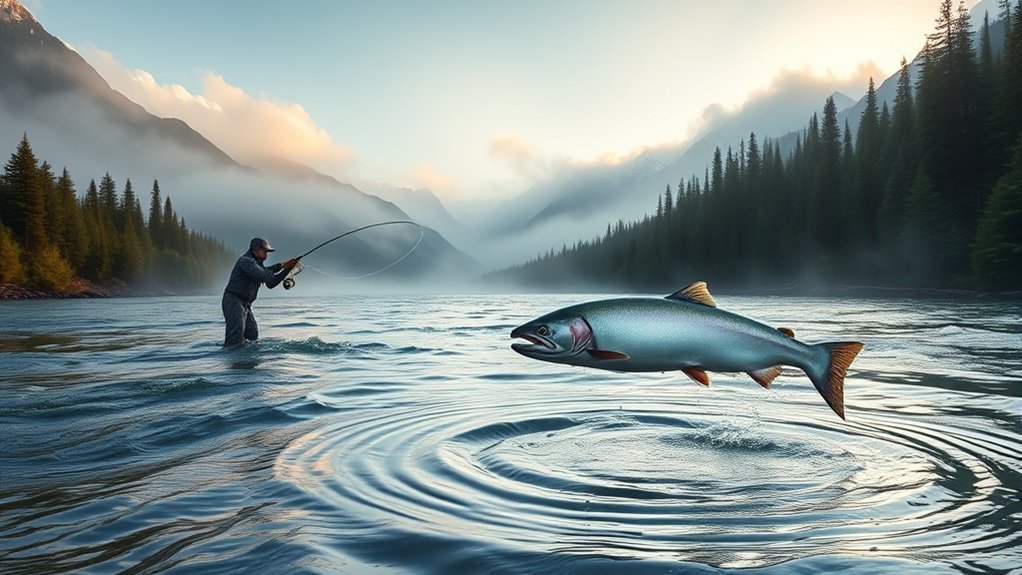
If you’re planning salmon fishing in Alaska, the best trip starts with three decisions: which salmon species you want to catch, which river or coastal area you will fish, and when that specific run normally arrives. Alaska has five major Pacific salmon species, and run timing, legal tackle, bag limits, and open seasons can change by drainage. Use the seasonal ranges below for planning, then check current Alaska Department of Fish and Game regulations and emergency orders before you fish.
Quick Answer
For the widest range of Alaska salmon fishing opportunities, plan around June through September. Sockeye often provide strong summer action, while coho extend opportunities into late summer and fall. Chinook, pink, and chum timing varies greatly by region. Always check current ADF&G regulations and emergency orders because legal seasons may differ from biological run timing.
Key Takeaways
- June through September covers many major salmon runs, but exact timing depends on the river, run, and species.
- Alaska’s five major Pacific salmon are Chinook, sockeye, coho, pink, and chum.
- Run timing does not guarantee that a fishery is legally open; emergency orders can change seasons, limits, areas, bait, and tackle.
- Alaska residents generally need a sport-fishing license at age 18 or older, while nonresidents generally need one at age 16 or older.
- A king salmon stamp is generally required when fishing for king salmon, subject to ADF&G exemptions.
- Cold water, swift rivers, slippery banks, boats, and bears make safety planning as important as tackle selection.
Best Time to Fish for Salmon in Alaska
There is no single statewide salmon season that accurately describes every Alaska fishery. Salmon return to different rivers at different times, and some rivers have separate early and late runs. In addition, a biological run can be present even when retention or all fishing for that species is restricted.
For general trip planning, these broad windows are useful:
| Salmon | Broad Planning Window | What to Know |
|---|---|---|
| Chinook / King | Spring through summer in many systems | Timing and legal opportunity vary sharply by drainage; conservation closures are common in some areas. |
| Sockeye / Red | June through August in many popular fisheries | Some rivers have distinct early and late runs. |
| Coho / Silver | July through fall | Often one of the best choices for late-summer and early-fall trips. |
| Pink / Humpy | Mid-summer through early fall | Odd- and even-year populations are separate; the stronger cycle depends on the stream. |
| Chum / Dog | Summer into early fall in many systems | Run timing varies widely across Alaska’s large geographic range. |
For example, the Alaska Department of Fish and Game’s Kenai, Soldotna, and Homer run-timing guide lists Kenai River Chinook from mid-May through late June for the early run and early July through the end-of-July seasonal closure for the late run. The same guide lists Kenai sockeye mainly from mid-July through mid-August and coho from late July into mid-October.
Those dates describe normal run timing, not a guarantee that fishing or retention is open. For current conditions, review ADF&G fish counts, fishing reports, regulations, and emergency orders for the exact drainage you plan to visit.
Warning: Never use a salmon run-timing chart as proof that fishing is legally open. Alaska emergency orders can close or reopen fisheries, change bag limits, restrict bait or hooks, and alter retention rules during the season. Check the current order for your exact fishing area before each outing.
Top Salmon Fishing Locations
Alaska has productive salmon fisheries from Southeast Alaska to Bristol Bay and the Arctic-draining river systems, but a few destinations are especially useful for trip planning because they offer established access, guides, or multiple salmon species.
Kenai River
The Kenai River is one of Alaska’s best-known salmon rivers and supports Chinook, sockeye, coho, and pink salmon runs. Sockeye are particularly popular with bank anglers during summer, while coho provide later-season opportunities.
Do not assume that the presence of king salmon means king fishing is open. ADF&G used emergency orders to close both early- and late-run Kenai River king salmon fisheries for significant portions of the 2026 season. That makes the Kenai a good example of why current regulations must take priority over historical run calendars.
Kodiak Island
Kodiak Island offers a mix of road-accessible streams, remote rivers, saltwater fishing, and several salmon species. Sockeye, coho, pink, chum, and Chinook opportunities vary by drainage. Kodiak regulations and emergency orders can differ from Southcentral mainland rules, so check the specific stream rather than relying on a statewide limit.
Copper River Basin
The Copper River is famous as a salmon-producing watershed, but sport anglers should plan around specific legal fisheries in the basin rather than treating the main river as one simple fishing destination. Tributaries such as the Gulkana River offer established sport-fishing opportunities, while other Copper River salmon harvests may fall under different personal-use, subsistence, or commercial regulations.
Situk River and Yakutat
Near Yakutat, the Situk River is known for salmon and steelhead fishing and offers relatively concentrated river access compared with many remote Alaska destinations. Because in-season closures and access restrictions can occur around the Situk system, review current Southeast/Yakutat emergency orders before traveling or choosing a fishing reach.
Pro Tip: Choose the species first, then choose the river. A trip built around a specific run, such as Kenai sockeye or late-summer coho, is easier to plan than simply booking “an Alaska salmon trip” and hoping the desired fish are present.
Types of Salmon Species in Alaska
Alaska’s sport fisheries feature five major Pacific salmon species. Learning to identify them is important because bag limits, size rules, seasonal restrictions, and retention requirements may differ by species.
Major Salmon Species
- Chinook (King): The largest Pacific salmon species. Ocean-bright Chinook have black spots on the back and both lobes of the tail, along with a dark mouth and black gumline. They are targeted in both marine and freshwater fisheries where regulations allow.
- Sockeye (Red): Ocean-bright sockeye generally lack the large black spots seen on Chinook, coho, and pink salmon. They turn red with a greenish head as they approach spawning condition. Sockeye are among Alaska’s most popular summer salmon.
- Coho (Silver): Powerful, active fish that are popular with both conventional and fly anglers. Coho generally have spots on the back and upper lobe of the tail and a lighter gumline than Chinook.
- Pink (Humpback or Humpy): The smallest of Alaska’s five Pacific salmon species. Ocean-bright pinks have prominent oval spots on their back and both tail lobes. Mature males develop the characteristic hump.
- Chum (Dog or Keta): Strong-fighting salmon that develop distinctive vertical green, red, and purple bars as they approach spawning condition.
The ADF&G Alaska Salmon Fishing Guide provides identification features and common fishing techniques for all five species.
Unique Fishing Seasons
Each species follows its own migration pattern, but timing also varies among river systems. Kings often provide spring and early-summer opportunities in fisheries that are open. Sockeye dominate many June, July, and August trips. Coho become increasingly important from late July into fall. Chum commonly return during summer, while pink salmon often appear from mid-summer into early fall.
Pink salmon deserve special explanation. Their life cycle lasts two years, creating genetically separate odd-year and even-year populations. One cycle may greatly outnumber the other in a particular stream, but there is no valid statewide rule that pink salmon are simply an “even-year fish.” Check local reports for the water you plan to fish.
Essential Gear and Equipment for Salmon Fishing
Your tackle should match the species, fishing method, river size, and whether you are fishing from shore or a boat. A lightweight setup suited to pink salmon is very different from tackle chosen for large Chinook in heavy current.
Rod and Reel Selection
A 7- to 9-foot spinning or casting rod is a useful starting range for many bank and river techniques, but it is not a universal Alaska salmon specification. Longer rods can improve line control and casting in some fisheries, while shorter, heavier rods may suit boat techniques or large salmon.
- Pink and smaller coho: Medium tackle can make casting lighter spoons, spinners, and flies easier.
- Sockeye: Choose enough rod length and line control for repeated short upstream casts and drifts where that technique is legal.
- Large coho and Chinook: Heavier rods, strong reels, and adequate line capacity help control powerful fish and fast current.
- Boat trolling: Rod, reel, line, terminal tackle, and downrigger setup should match the guide’s or local fishery’s technique.
Use line strong enough to land fish efficiently. Fighting a fish on tackle that is unnecessarily light can prolong the fight, especially when the fish must be released.
Bait and Lures
Effective presentations depend on species and water type. In marine fisheries, trolling herring and artificial lures is common for Chinook and coho. Freshwater anglers may use cured salmon roe, herring, spinners, spoons, flies, jigs, or other presentations where regulations permit them.
Sockeye fishing is different from simply enticing a feeding salmon with scented bait. ADF&G describes a common freshwater sockeye method using a short upstream cast followed by a natural downstream drift with a small fly.
For coho, pink, and chum, moving presentations such as spoons, spinners, jigs, and flies can be effective. Exact lure weight and color depend on current, water clarity, depth, and visibility rather than one universally best color.
Note: Bait, treble hooks, multiple hooks, and particular lure types are restricted in some Alaska fisheries. Check the regulation for the exact water and date before rigging your tackle.
Clothing and Accessories
Alaska weather can change quickly, and cold water remains a hazard even on mild days. Dress in layers and keep rain protection close at hand.
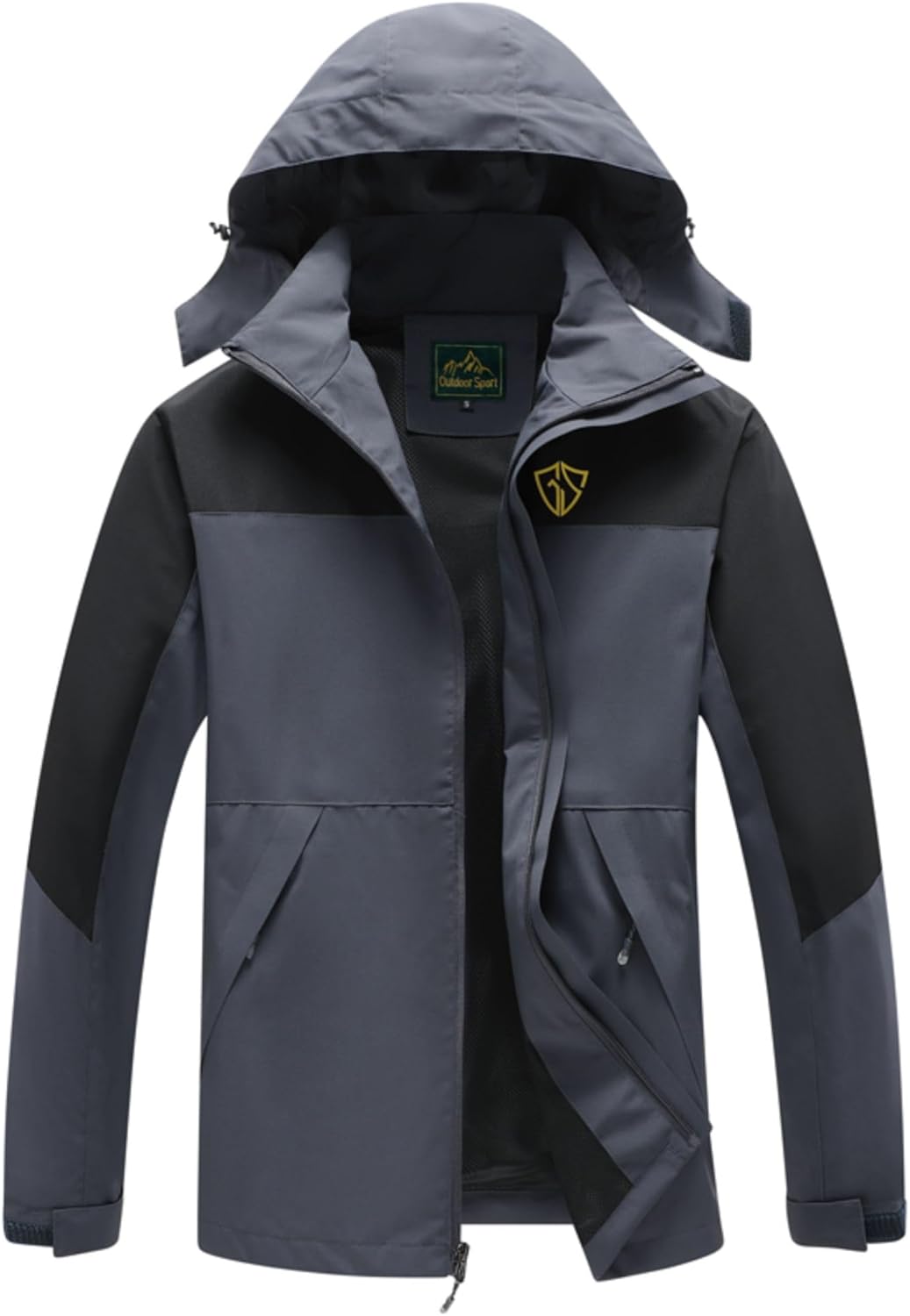
- Waterproof rain jacket: Helps protect against rain, spray, and wind.
- Insulating mid-layer: Fleece or another quick-drying layer adds warmth without excessive bulk.
- Quick-drying pants: More practical around wet banks and boats than absorbent cotton.
- Waders and wading belt: Useful where appropriate, but only when you understand the current and bottom conditions.
- Sturdy boots: Choose traction suitable for wet rocks, mud, gravel, or boat decks.
- Polarized glasses: Reduce glare and help protect your eyes from hooks.
- Landing net and pliers: A rubber or knotless net and hook-removal tool make controlled releases easier.
- Personal flotation device: Essential for boating and valuable around swift or deep water.
Techniques for Successful Salmon Fishing
Successful salmon fishing in Alaska starts with matching the method to the species and location rather than searching for one universal technique.
Freshwater Techniques
- Sockeye: Where legal, anglers commonly make short casts slightly upstream and allow a fly to drift with the current through salmon travel lanes.
- Coho: Cast and retrieve spinners, spoons, jigs, or flies around slower seams, pools, slough mouths, and other holding water.
- Pink salmon: Small spoons, spinners, jigs, and flies can work well when fish are concentrated near river mouths or in freshwater.
- Chum salmon: Flies and lures can produce strong strikes, especially where fish are moving through defined channels.
- Chinook: Depending on the fishery and regulations, techniques may include back-trolling, casting lures, drifting presentations, or fishing cured roe.
Saltwater Techniques
Marine salmon anglers commonly troll with herring or artificial lures, often using flashers and downriggers to control presentation depth. Casting from shore can also produce salmon around some beaches, harbor areas, and terminal fisheries.
Tides, baitfish location, depth, water temperature, current, and fish movement can all influence success. Instead of relying on a rule such as “early morning is always best,” use local reports and adjust your location and presentation to the conditions.
Releasing Salmon Properly
If a salmon must be released, land it as quickly as practical and minimize handling. ADF&G’s proper release guidance recommends keeping fish in the water when possible, wetting your hands before touching a fish, avoiding contact with the eyes and gills, and using appropriate tackle so the fight is not unnecessarily prolonged.
If you are intentionally practicing catch-and-release, consider single hooks or barbless hooks where suitable. ADF&G also advises that bait can cause deeper hooking, so artificial presentations may be preferable when release is the goal and regulations permit them.
Regulations and Licensing for Fishing in Alaska
Alaska salmon regulations are location-specific, and emergency orders can change them during the season. Always identify the management area and exact water you intend to fish before choosing tackle or deciding what fish you may keep.
According to the Alaska Department of Fish and Game sport-fishing license guidance:
- Alaska residents age 18 or older generally need a sport-fishing license.
- Nonresidents age 16 or older generally need a sport-fishing license.
- A king salmon stamp is generally required when fishing for king salmon, except for specified exemptions such as certain young anglers and king salmon in stocked lakes.
- Resident anglers age 60 or older and qualifying disabled veterans may use an ADF&G Identification Card rather than purchasing a standard sport-fishing license if they meet the program requirements.
- Some fisheries with annual harvest limits require anglers who are otherwise license-exempt to carry a free harvest record card and immediately record qualifying harvests.
Before fishing, open the current Alaska Sport Fishing Regulations for your region and then check the current Sport Fishing Emergency Orders.
Verify all of the following for the exact water:
- Whether the species is open to fishing or retention
- Bag and possession limits
- Annual limits and harvest-record requirements
- Minimum or maximum sizes, if any
- Open and closed sections of the river
- Legal fishing hours
- Bait restrictions
- Single-hook, multiple-hook, or artificial-lure requirements
- Special rules for resident and nonresident anglers
The best salmon season is not automatically the legal salmon season. Check the current regulation book and emergency orders for the exact water before every fishing day.
Tips for a Memorable Fishing Experience
A good Alaska fishing trip is easier when logistics are planned around the fish rather than added at the last minute.
- Pick one primary species: Choose your target before selecting travel dates and lodging.
- Check current fish counts: ADF&G sonar, weir, and counting-station data can show whether a monitored run is building, near peak, or fading.
- Recheck emergency orders: Do this shortly before traveling and again before fishing.
- Consider a local guide: A guide can be particularly useful if you are unfamiliar with boat handling, tides, river access, legal fishing areas, or species-specific techniques.
- Pack for cold and wet conditions: Carry rain protection and insulating layers even when the forecast looks mild.
- Protect your catch: If you legally retain salmon, have a plan for bleeding, cooling, storing, and transporting it promptly.
- Carry navigation and communication tools: Remote Alaska fishing locations may have limited mobile coverage.
Bear and Cold-Water Safety
Salmon streams naturally attract bears, and anglers may become focused on the water instead of watching their surroundings. Stay alert, keep fish and food controlled, give wildlife plenty of space, and follow the rules for the land-management area where you are fishing.
Some locations impose specific bear-related fishing rules. For example, the National Park Service’s Brooks River fishing guidance requires anglers to stop fishing when a bear is within the specified safety distance. Rules elsewhere may differ, so use the guidance for your exact destination.
Cold, swift Alaska rivers create separate hazards. Avoid wading water that exceeds your skill level, use a wading belt when appropriate, wear a personal flotation device around boats and hazardous water, and never assume a shallow-looking glacial or silty river is safe to cross.
Warning: Fishing around bears, swift rivers, cold water, tides, and boats can become dangerous quickly. Follow local safety rules, maintain wildlife distance, wear appropriate flotation equipment, and do not enter water that exceeds your wading or boating ability.
Frequently Asked Questions
What Are the Best Bait Options for Salmon Fishing in Alaska?
Herring and cured salmon roe are common bait options in Alaska salmon fisheries where bait is legal. Artificial spoons, spinners, jigs, and flies are also widely used. The best choice depends on the salmon species and whether you are fishing fresh or salt water. Always check local bait and hook restrictions before fishing.
Can I Fish for Salmon From a Boat or Only From Shore?
Both are possible. Many Alaska rivers have productive bank-fishing areas, while boats provide access to additional river reaches and marine salmon fisheries. Some waters have boat, motor, anchoring, or closed-area restrictions, so check the regulations for the exact location.
Are There Guided Fishing Tours Available in Alaska?
Yes. Guided salmon trips are available in many established fishing areas, including the Kenai Peninsula, Kodiak, Southeast Alaska, Bristol Bay, and remote lodge destinations. A guide can be especially useful for first-time visitors who need boat access, tackle, current local knowledge, or help understanding a complex fishery.
What Wildlife Might I Encounter While Salmon Fishing in Alaska?
Wildlife depends on the region, but anglers may encounter bears, bald eagles, moose, marine mammals, and other animals. Bears deserve special attention because salmon streams concentrate both fish and wildlife. Stay alert, control food and harvested fish, maintain appropriate distance, and follow local wildlife-safety rules.
How Do Weather Conditions Affect Salmon Fishing Success?
Weather can change water temperature, river level, turbidity, visibility, and angler access, but there is no rule that rain or sunshine always improves salmon fishing. In coastal areas, tides and marine conditions also matter. Use local fishing reports and adjust depth, location, lure visibility, and presentation to current conditions.
Do I Need an Alaska Fishing License for Salmon?
Alaska residents age 18 or older and nonresidents age 16 or older generally need a valid sport-fishing license. A king salmon stamp is also generally required when fishing for king salmon, subject to ADF&G exemptions. Check the current licensing page before purchasing because your age, residency, fishery, and target species can affect what is required.
What Is the Best Month for Salmon Fishing in Alaska?
July is one of the most versatile months for Alaska salmon fishing because several species may be available somewhere in the state, but it is not automatically the best month for every destination. June can be excellent for early sockeye and some Chinook fisheries, while August and September are often strong for coho. Choose the river and species before choosing the month.
Can I Keep Every Salmon I Catch in Alaska?
No. Retention depends on the species, water, date, fish size in some fisheries, residency status in some areas, bag and possession limits, annual limits, and emergency orders. Some fisheries are catch-and-release only or closed completely for a particular salmon species. Confirm the current rule before fishing and release prohibited fish according to ADF&G handling guidance.
Sources
- Alaska Department of Fish and Game — Sport Fishing Licenses, King Salmon Stamps, IDs and Harvest Record Cards — licensing ages, king salmon stamp requirements, exemptions, and harvest records.
- Alaska Department of Fish and Game — Sport Fishing Regulations — current regional sport-fishing regulations.
- Alaska Department of Fish and Game — Emergency Orders and Press Releases — in-season closures, openings, limit changes, and tackle restrictions.
- Alaska Department of Fish and Game — Alaska Salmon Fishing Guide — salmon identification and common freshwater and marine fishing techniques.
- Alaska Department of Fish and Game — Proper Release Methods — landing, handling, tackle, and release recommendations.
- National Park Service — Fishing Brooks River — salmon-stream bear safety and location-specific fishing precautions.