If you’re planning a trip to Fairbanks, Alaska, you’ll find far more than one famous winter attraction. The city combines Northern Lights viewing, Alaska history, wildlife, museums, hot springs, gold-rush experiences, river travel, dog mushing, and access to the Arctic. Some highlights are seasonal, so planning around your travel dates makes a big difference.
Quick Answer
The best things to do in Fairbanks include watching the Northern Lights, visiting the Museum of the North and Pioneer Park, soaking at Chena Hot Springs, cruising the Chena River, trying gold panning, exploring Creamer’s Field, dog sledding, and taking an Arctic Circle day trip.
Key Takeaways
- Fairbanks’ official Aurora Season runs from August 21 through April 21, although clear, dark skies are still required.
- Summer is ideal for river cruises, Pioneer Park attractions, gold panning, long daylight hours, and road trips.
- Winter brings dog mushing, ice art, deep snow, and some of the longest nights for aurora viewing.
- Chena Hot Springs and the Arctic Circle require more planning because they are well outside central Fairbanks.
Plan Your Fairbanks Visit by Season
Fairbanks changes dramatically with the seasons. During the official Aurora Season, August 21 through April 21, the sky becomes dark enough for potential Northern Lights viewing. Winter activities such as traditional dog sledding and major ice-art events are concentrated during the colder months.
Summer offers very long daylight hours and is particularly convenient for attractions such as Riverboat Discovery, Pioneer Park, gold-panning attractions, wildlife walks, and road trips.
Note: Fairbanks attractions can have dramatically different summer and winter schedules. Check the attraction’s official website before making a special trip, especially for seasonal tours, museums, and events.
Experience the Northern Lights
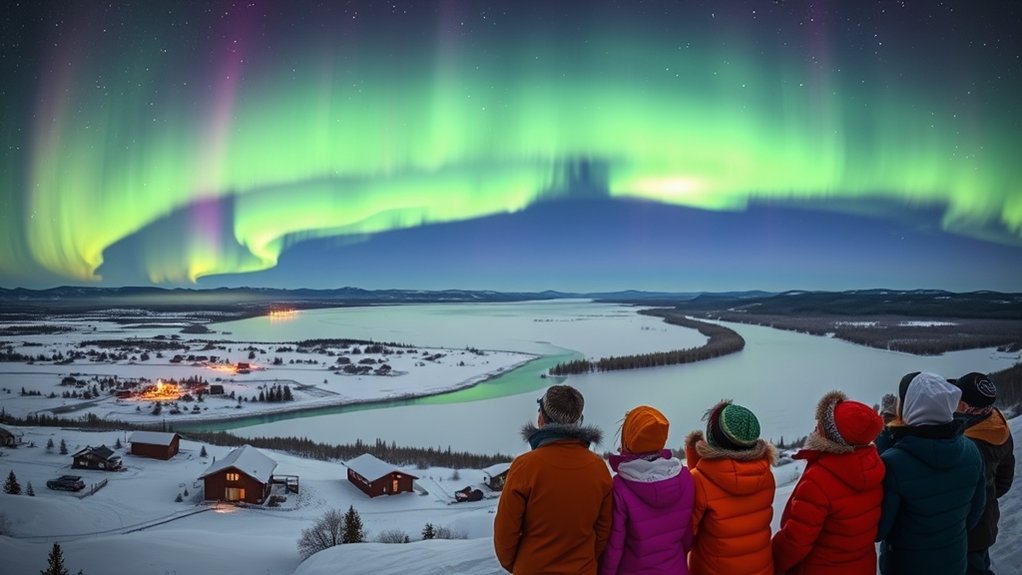
Seeing the Northern Lights, or aurora borealis, is one of Fairbanks’ signature experiences. Green is the most commonly noticed color, although pink, red, and purple hues can also appear depending on atmospheric conditions.
Fairbanks’ recognized Aurora Season runs from August 21 through April 21. Aurora activity occurs year-round, but the bright summer sky makes it difficult or impossible to see during the Midnight Sun period.
For a better viewing experience, head away from bright city lights and give yourself more than one night if possible. Clouds can hide a strong aurora display, and no tour or viewing location can guarantee that the lights will appear.
Pro Tip: Build two or three potential aurora nights into your itinerary instead of depending on a single evening. Check the weather, cloud cover, and aurora forecast before leaving town.
Fairbanks’ Aurora Season lasts from August 21 through April 21, giving visitors many months of potential Northern Lights viewing.
Explore the Museum of the North
The University of Alaska Museum of the North is one of Fairbanks’ strongest cultural attractions. Located on the University of Alaska Fairbanks campus, it brings together Alaska art, natural history, archaeology, wildlife, and cultural collections.
Highlights include the Gallery of Alaska, the Rose Berry Alaska Art Gallery, and unusual exhibits such as Blue Babe, a preserved steppe bison. The museum also maintains research collections that support scientific and cultural study across Alaska.
| Exhibit Type | What to Look For | Suggested Time |
|---|---|---|
| Alaska History & Culture | Regional history, archaeology, Indigenous cultural material | 30-45 minutes |
| Natural History | Wildlife, geology, fossils, and Alaska ecosystems | 30-45 minutes |
| Art Collections | Historic and contemporary Alaska art | 30 minutes |
| Special Exhibits | Rotating displays and museum programs | Variable |
Allow at least a couple of hours if you enjoy museums rather than trying to rush through the galleries.
Visit the University of Alaska Fairbanks
After exploring the Museum of the North, spend some time on the University of Alaska Fairbanks campus. UAF is closely tied to research and education about Alaska, the Arctic, climate, Indigenous issues, engineering, and northern environments.
The campus sits on elevated ground and offers broad views of the surrounding Interior Alaska landscape in clear weather. Visitors interested in Arctic studies can learn about UAF’s interdisciplinary Arctic and Northern Studies program.
You can also walk the campus, visit public areas that are open during your trip, and stop at the bookstore for university and Alaska-themed items. Visitor parking rules and fees can vary, so check UAF information before leaving your vehicle.
Discover Pioneer Park
Pioneer Park is a large historic and recreation park where Fairbanks’ gold-rush and transportation history is presented through museums, preserved buildings, historic equipment, shops, and seasonal attractions.
The grounds can be visited throughout the year, but many museums and individual attractions operate primarily during the summer season.
Families can combine history with outdoor time, while travelers interested in early Fairbanks can spend much longer examining the park’s preserved buildings and museum collections.
Historic Attractions and Exhibits
Several of Pioneer Park’s most interesting features preserve Fairbanks and Interior Alaska history.
Highlights include:
- SS Nenana: A 247-foot wooden-hulled sternwheeler that once transported passengers and freight on Alaska rivers.
- Pioneer Museum: Exhibits covering mining, transportation, communications, farming, tools, and early life in the region.
- Tanana Valley Railroad Museum: A museum focused on Interior Alaska rail history and historic Engine No. 1.
- Kitty Hensley House: A historic home showing aspects of early Fairbanks domestic life.
- Harding Car: A historic railroad car associated with President Warren G. Harding’s 1923 Alaska visit.
Check the official Pioneer Park museum information for current seasonal hours.
Outdoor Activities and Events
Pioneer Park also works well as a casual outdoor stop. You can stroll between historic buildings, enjoy open green areas, take children to recreation areas, and attend seasonal community activities when they are scheduled.
Summer generally offers the widest choice of operating attractions. Winter creates a quieter experience, with snow changing the appearance of the park even when some individual museums or businesses are closed.
Check the park’s current event calendar rather than assuming that concerts, festivals, or special programs occur every day.
Dining and Shopping Options
Seasonal food vendors, shops, and local businesses can add to a summer Pioneer Park visit.
Depending on what is operating during your visit, you may find:
- Alaska-inspired food: Look for local specialties and casual meals.
- Sweet treats: Seasonal snack and dessert options are popular with families.
- Local crafts: Browse work inspired by Alaska and the Interior.
- Souvenirs: Pick up gifts connected to Fairbanks and Alaska history.
- Casual stops: Take a break between museum visits and outdoor exploration.
Because individual businesses can be seasonal, confirm what is open if dining or shopping is an important part of your visit.
Take a Riverboat Tour on the Chena River
A Chena River riverboat tour combines scenery with Fairbanks history. Riverboat Discovery operates an approximately three-hour sternwheeler experience that includes narrated sightseeing and stops connected to Interior Alaska history and culture.
The trip includes views along the Chena River, a bush-pilot demonstration, sled-dog history, and a stop at Chena Village, where Alaska Native guides discuss aspects of Athabascan life and traditions.
Reindeer are part of the experience, but you should treat any additional wild-animal sightings as a bonus rather than an expectation.
Riverboat Discovery generally operates its sightseeing tours from mid-May to mid-September, so winter travelers should choose a different activity.
Learn more from the official Riverboat Discovery website and reserve ahead when traveling during busy summer dates.
Enjoy the Fairbanks Ice Museum
The downtown Fairbanks Ice Museum offers a chance to experience ice art without standing outside in deep winter temperatures.
The museum currently advertises more than 40 life-size ice sculptures and gives visitors a close look at the craft of ice carving. Its downtown location also makes it easier to combine with other central Fairbanks stops.
To make the most of your visit:
- Explore the ice gallery: Examine large sculptures and detailed carvings.
- Look for demonstrations: Ice-carving presentations may be offered depending on the current program.
- See the Crown of Light presentation: Check the current schedule before arriving.
- Bring your camera: The illuminated sculptures are designed for close viewing and photographs.
- Dress for a cold room: Even when the weather outside is mild, the sculpture area must remain cold.
Note: The downtown Fairbanks Ice Museum is different from the Aurora Ice Museum at Chena Hot Springs Resort, which is about 60 road miles from Fairbanks.
Tour Gold Daughters
If you want a hands-on gold-rush activity, Gold Daughters lets visitors learn traditional gold-panning techniques in Fairbanks.
Staff provide a lesson before you begin. Their supplied pay dirt is designed so beginners can experience finding real gold, and visitors keep what they recover.
You can also explore the outdoor mining museum, which displays historic mining and transportation equipment.
After panning, the gift shop can turn your recovered gold into a custom locket or keychain, or you can simply keep the flakes as a souvenir.
This attraction is especially useful for travelers who want a more interactive introduction to Fairbanks’ mining history rather than only viewing artifacts behind glass.
Hike Creamer’s Field Migratory Waterfowl Refuge
Creamer’s Field Migratory Waterfowl Refuge provides an easy way to experience wildlife and nature without traveling far from Fairbanks.
The Alaska Department of Fish and Game describes a roughly three-mile network of nature trails crossing a refuge of about 2,000 acres, with forests, fields, wetlands, and seasonal bird habitat.
Walk quietly and watch from a respectful distance. Wildlife sightings vary by season, weather, and time of day.
Wildlife Observation Opportunities
Creamer’s Field is best known for birding and migratory wildlife viewing.
Depending on the season, you may see:
- Sandhill cranes and other migratory birds
- Ducks and geese using wetland and field habitat
- Songbirds in the boreal forest
- Occasional moose or other mammals
- Signs of smaller animals living around the wetlands and forest
The refuge is a natural area, so no particular species is guaranteed to appear during your visit.
Scenic Trails Exploration
The trails pass through several different habitats, making even a short walk more varied than a typical city path.
You can move between open fields, wetlands, forest, and viewing areas while listening for birds and watching for wildlife tracks.
Trail conditions can change with rain, snow, ice, and spring thaw. Wear footwear appropriate for the season and keep pets under strict control as requested by refuge managers.
See current refuge information from the Alaska Department of Fish and Game.
Relax at Chena Hot Springs Resort
Chena Hot Springs Resort sits about 60 road miles from Fairbanks and works as either a long day trip or an overnight destination.
The main draw is its natural geothermal water, but the resort also offers lodging, seasonal tours, dining, outdoor activities, and the year-round Aurora Ice Museum.
Ways to spend your time include:
- Soak in the hot-springs facilities: Check age restrictions before entering.
- Explore the Aurora Ice Museum: Take a guided tour through a year-round ice environment with sculptures, an ice bar, and other carved spaces.
- Book a massage: Spa services may be available by reservation.
- Dine at the resort: A meal is useful if you are spending several hours away from Fairbanks.
- Watch for the Northern Lights: During Aurora Season, the resort’s distance from central Fairbanks can provide darker skies when conditions cooperate.
Warning: The outdoor hot-springs lake is restricted to guests age 18 and older. Chena Hot Springs states that its water averages about 106°F and that no lifeguard is on duty. Follow posted rules, supervise children in permitted pool areas, and leave the water if you feel dizzy, weak, or overheated.
Check current passes, hours, and transportation information on the Chena Hot Springs Resort website.
Attend the World Ice Art Championships
The World Ice Art Championships turn large blocks of ice into elaborate sculptures created by competitive ice artists.
The event is seasonal rather than a year-round Fairbanks attraction. The 2026 competitions took place from February into March, so travelers visiting later in 2026 should check Ice Alaska for the next announced season rather than relying on old dates.
| Competition Feature | What to Expect |
|---|---|
| Multi-Block Competition | Large-scale sculptures created from multiple blocks of ice |
| Double Block Competition | Artists work within a smaller two-block format |
| Single Block Competition | Detailed sculptures made from one competition block |
| Fairbanks Open | An additional competitive carving category |
| Youth Classic | An ice-carving program for younger participants |
Evening visits can be especially striking when finished sculptures are illuminated. Winter temperatures can be severe, so wear insulated boots, gloves or mittens, a warm hat, and appropriate outerwear.
Check Ice Alaska for the current competition calendar, park dates, tickets, and weather-related updates.
Visit the Alaska Railroad Depot
The Fairbanks Alaska Railroad Depot is most useful for travelers who are arriving or departing by train, but rail enthusiasts may also enjoy stopping by.
Fairbanks is the northern terminus for major Alaska Railroad passenger services, connecting the city with destinations such as Denali and Anchorage on seasonal schedules.
The current depot is at 1031 Alaska Railroad Depot Road and provides ticketing, baggage services, and a gift shop when scheduled passenger operations are running.
While you’re there, you can:
- Watch train activity: Passenger operations vary by season and schedule.
- Visit the gift shop: Browse Alaska Railroad merchandise when it is open.
- Review train routes: Fairbanks connects with Denali, Talkeetna, Anchorage, and other destinations through scheduled services.
- Plan a rail journey: The train itself is a much stronger reason to visit than treating the depot as a major museum.
- Take photographs responsibly: Stay in public passenger areas and follow railroad safety instructions.
Check the Alaska Railroad for current depot hours and train schedules.
Explore the Fairbanks Community Museum
The Fairbanks Community Museum is a smaller local-history museum that focuses closely on the city and the people who shaped it.
Verified exhibit subjects include the Klondike Gold Rush, early Fairbanks, the 1967 flood, winter life, mining, and dog mushing.
The dog-mushing material is particularly useful if you want context about the Yukon Quest, Iditarod figures, historic sleds, and Fairbanks’ connection to Alaska’s state sport.
Historic photographs, documents, artifacts, and displays make this a useful complement to the much larger Museum of the North.
Because this is a smaller community museum, confirm current opening hours before building your day around it.
Discover the Fountainhead Antique Auto Museum
At the Fountainhead Antique Auto Museum, automobiles are presented alongside period clothing, photographs, accessories, exhibits, and archival video.
The collection focuses heavily on the early automotive age, making the museum interesting even if you are more interested in design, fashion, engineering, or social history than cars alone.
The museum has changed its visitor entrance during construction periods, so check the official website for the current address, parking instructions, and hours before going.
Unique Auto Collection
The vintage automobiles are the centerpiece of the museum.
During your visit, you can:
- Examine automobiles dating from the early decades of motoring.
- Look for unusual and rare vehicle designs.
- Learn how automobile technology and styling changed over time.
- Study period photographs, documents, accessories, and interpretive exhibits.
- Compare automotive design with the historic fashions displayed nearby.
The combination of machines and clothing helps place the automobiles in their original cultural setting instead of displaying them as isolated objects.
Exhibits and Historical Context
The museum’s displays use vehicles, historic clothing, photographs, accessories, and archival video to explain the early automotive era.
Rather than assuming visitors can touch or sit inside the historic vehicles, follow museum signs and staff instructions around the collection.
Look beyond individual cars to details such as body design, early engineering solutions, travel equipment, and period fashion. Those connections make the museum useful for visitors who are not dedicated automobile enthusiasts.
Photography rules and any special exhibits can change, so check current visitor information before your trip.
Experience the Arctic Circle
Crossing the Arctic Circle is one of the most ambitious day trips available from Fairbanks. The well-known Arctic Circle sign along the Dalton Highway provides a simple marker for reaching approximately 66.5 degrees north latitude.
This is not a short drive. Travel Alaska advises that the Arctic Circle is about a five-hour drive north of Fairbanks, which can turn a road trip into a very long day.
Possible highlights include:
- Visit the Arctic Circle Sign: Take the traditional photograph at the roadside marker.
- See remote Interior scenery: The route crosses vast stretches of forest, river valleys, and undeveloped land.
- Cross the Yukon River: Many guided trips stop along this important Alaska waterway.
- Follow the Trans-Alaska Pipeline corridor: Portions are visible along the route.
- Experience extreme seasonal daylight: Summer brings extraordinarily long days, while winter brings very limited daylight.
Warning: The Dalton Highway is remote, much of it is gravel, and cell service can be limited or unavailable. Weather and road conditions can change quickly. Carry appropriate supplies, start with enough fuel, tell someone your plan, and consider a guided tour if you are not comfortable with remote Alaska driving.
The Bureau of Land Management maintains the Arctic Circle Campground near the sign during its operating season. A guided van or fly-and-drive excursion can be easier for first-time visitors who do not want to manage the Dalton Highway themselves.
Go Dog Sledding in the Wilderness
Dog mushing remains one of the most recognizable Alaska experiences, and Fairbanks has working kennels and tour operators that introduce visitors to sled dogs and mushing culture.
In winter, teams can pull traditional sleds across snow-covered trails. Depending on the operator, tours range from short introductory rides to longer outings where guests learn more about harnessing dogs, handling a team, and life at a kennel.
The cold air, snowy forest, and sound of dogs moving along the trail create a very different experience from sightseeing by car.
Some tours allow guests to learn basic sled-handling techniques under supervision, while others are designed mainly as passenger rides. Always follow the musher’s safety instructions.
Warm-season visitors do not necessarily have to miss the experience. Some Fairbanks kennels use wheeled carts when there is little or no snow, letting visitors meet sled dogs and learn about mushing outside the traditional winter season.
Choose a reputable operator, dress for the weather, and confirm whether your tour is a passenger ride, hands-on mushing experience, kennel visit, or cart tour before booking.
Frequently Asked Questions
What is the best time to visit Fairbanks for the Northern Lights?
Fairbanks’ official Aurora Season runs from August 21 through April 21. Winter provides especially long periods of darkness, but late August, fall, and early spring can also offer excellent opportunities. Clear skies and aurora activity are still required, so plan more than one viewing night if possible.
Are there any local restaurants or cafes worth trying?
Yes. The Cookie Jar is a long-running Fairbanks restaurant known for breakfast and baked goods, while Pike’s Landing Restaurant & Lounge offers riverside dining with seafood, steaks, burgers, and other choices. The Pump House Restaurant and Saloon is another well-known Chena River option. Check current hours before visiting.
What clothing should I pack for Fairbanks weather?
Pack for the season rather than relying on a general Alaska list. In winter, use insulating base and mid layers, a serious cold-weather outer layer, insulated boots, warm socks, mittens or gloves, and a hat that covers your ears. Summer still calls for layers, a light rain shell, and comfortable walking shoes because temperatures can change during the day.
Is public transportation available in Fairbanks?
Yes. The Fairbanks North Star Borough operates the Metropolitan Area Commuter System, or MACS. Check current route maps and schedules before relying on the bus for sightseeing. A rental car, taxi, shuttle, or guided tour can be more practical for attractions far outside central Fairbanks, including Chena Hot Springs and the Arctic Circle.
Are there guided tours for first-time visitors?
Yes. Fairbanks has guided Northern Lights outings, dog-mushing tours, river excursions, city tours, Chena Hot Springs transportation, and Arctic Circle trips. Guided options are particularly useful for aurora viewing in winter and for the remote Dalton Highway when you do not want to drive yourself.
How many days do you need in Fairbanks?
Three days is enough for several major Fairbanks attractions, but four or five days gives you more flexibility for an Arctic Circle trip, Chena Hot Springs, museums, dog mushing, and multiple chances to see the Northern Lights. Add extra time if aurora viewing is a major reason for your trip.
Can you visit Fairbanks without a rental car?
Yes, especially if you stay near downtown and use MACS buses, taxis, hotel shuttles, and organized tours. A car gives you more flexibility for outlying attractions, but you can avoid driving to remote destinations by booking guided transportation.
Conclusion
Fairbanks rewards travelers who plan around the season. You can watch for the Northern Lights, learn about Alaska at the Museum of the North, walk through local history at Pioneer Park, pan for gold, explore wildlife habitat, ride behind a sled-dog team, or soak at Chena Hot Springs. Summer opens the door to river cruising and long road trips, while winter brings snow, ice art, dog mushing, and long nights. Check current hours and road conditions, leave flexibility in your schedule, and you can build a Fairbanks trip that combines both Alaska’s natural landscape and its distinctive northern culture.
Sources
- Explore Fairbanks: Aurora Season — official Fairbanks aurora-viewing season and trip-planning information.
- University of Alaska Museum of the North — museum location, exhibits, visitor information, and collections.
- Pioneer Park Museums — official information about the SS Nenana, Pioneer Museum, railroad museum, historic houses, and other park exhibits.
- Alaska Department of Fish and Game: Creamer’s Field — refuge size, trails, habitat, and wildlife-viewing information.
- Chena Hot Springs Resort Pool House — hot-springs age restrictions, temperature, facilities, and safety rules.
- U.S. Bureau of Land Management: Arctic Circle Campground — official Arctic Circle area access and campground information.