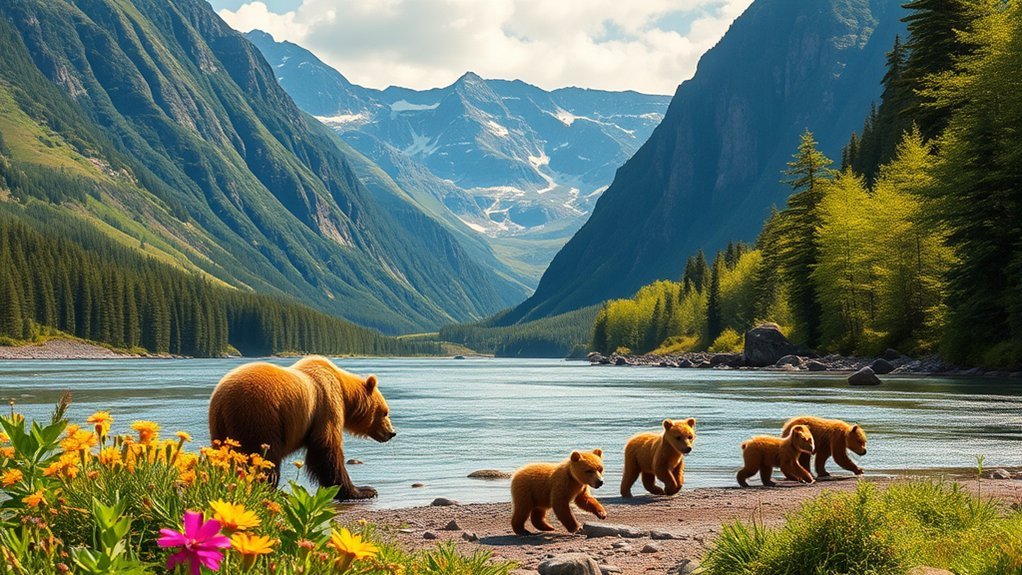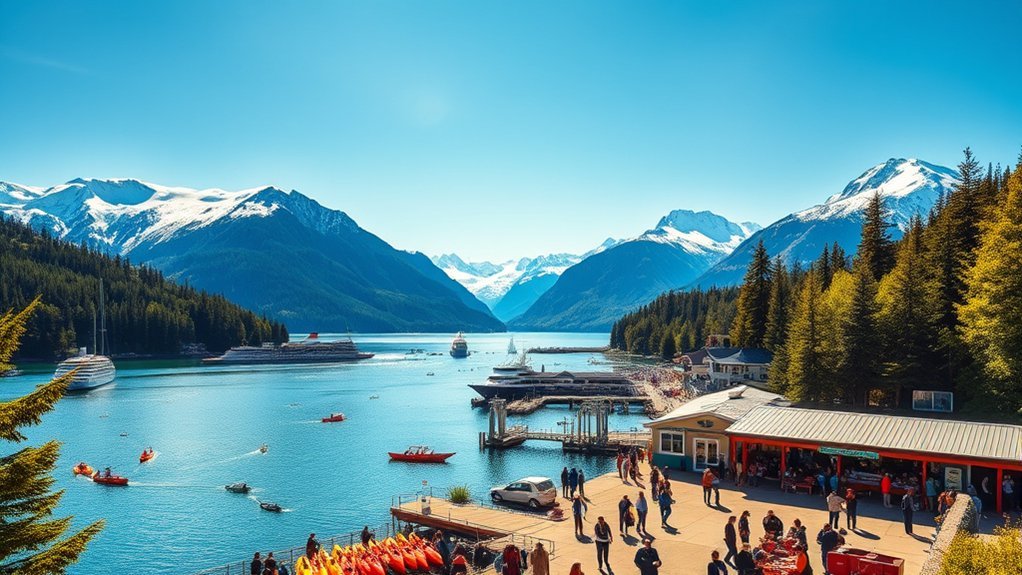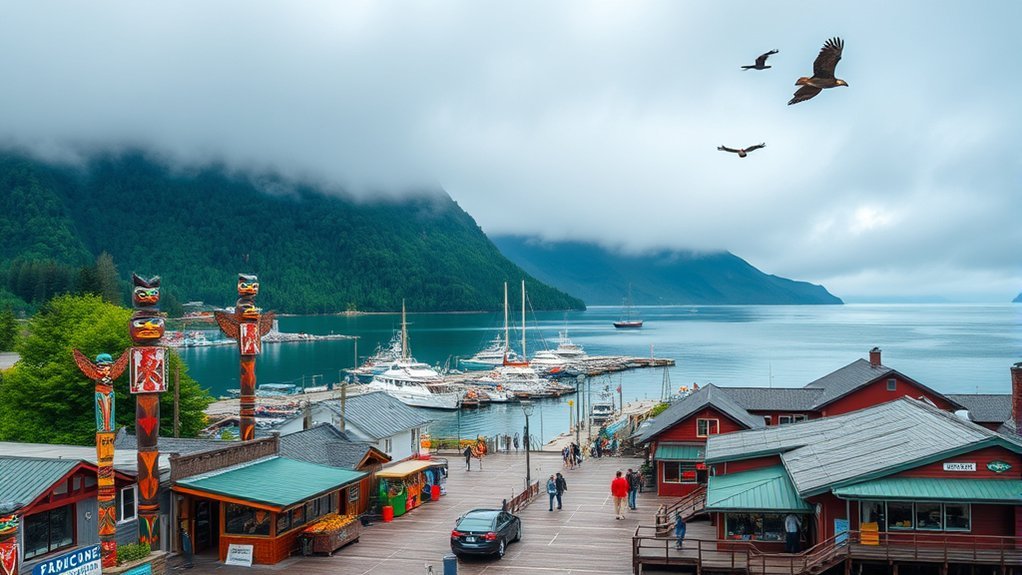
Ketchikan, Alaska, packs an unusual amount of culture, history, rainforest, wildlife, and waterfront scenery into a compact coastal community. You can explore Alaska Native heritage, walk historic Creek Street, head into the Tongass National Forest, book a fishing or wildlife excursion, or travel into Misty Fjords. Some activities are seasonal or weather-dependent, so checking current conditions before you go is important.
Quick Answer
The best things to do in Ketchikan include visiting the Totem Heritage Center and Saxman, exploring Creek Street, touring Misty Fjords, fishing, wildlife watching, seeing the Great Alaskan Lumberjack Show, experiencing the Tongass rainforest, and browsing local art. Reserve major tours ahead and always check weather, trail conditions, and fishing regulations.
Key Takeaways
- Downtown Ketchikan is compact enough to explore on foot, while buses, taxis, shuttles, and tours help you reach attractions farther away.
- For Alaska Native culture, prioritize the Totem Heritage Center, Saxman, or nearby Totem Bight State Historical Park.
- Misty Fjords, wildlife cruises, fishing charters, and floatplane trips are memorable options, but weather and wildlife conditions can change quickly.
- Rainbird Trail remains officially closed following the August 2024 landslide, so check its status before planning a hike.
- Pack waterproof outer layers even in summer and check current schedules, fishing rules, and tour availability before your visit.
Explore the Totem Heritage Center
The Totem Heritage Center is one of Ketchikan’s most important places for understanding Alaska Native art and history. The collection includes original 19th-century totem poles retrieved from uninhabited Tlingit and Haida village sites, along with additional Alaska Native artwork and interpretation.
Take time to read the displays rather than treating the poles simply as decorative objects. Totem poles can preserve clan histories, memorialize people or events, communicate rights and stories, and reflect sophisticated carving traditions. The center also helps visitors understand how carving traditions continue today.
Ketchikan remains part of the ancestral homeland of the Tlingit people, and Tlingit, Haida, and Tsimshian cultures continue to shape the art and identity of Southeast Alaska. Approaching these works as living cultural heritage, rather than as tourist props, makes the visit far more meaningful.
Pro Tip: If you want to compare historic poles with restored or re-carved examples in an outdoor setting, consider pairing the Totem Heritage Center with Saxman or Totem Bight State Historical Park.
Visit Saxman Native Village
Saxman Native Village and Totem Park, south of downtown Ketchikan, offers another opportunity to learn about Tlingit culture and Northwest Coast carving traditions. The site contains an extensive collection of totems as well as a clan house and carving facilities.
Guided cultural programs may include interpretation of the poles, carving demonstrations, Tlingit language, drumming, dancing, or other cultural presentations. What is included depends on the tour or program you book, so check the current itinerary instead of assuming every visit includes a performance.
When photographing people, regalia, performances, or artists at work, follow the host’s instructions and ask before taking close-up photographs when permission is not clear. Purchasing directly from Alaska Native artists is also a meaningful way to support living artistic traditions.
If your schedule allows, Totem Bight State Historical Park, about 10 miles north of Ketchikan, is another worthwhile stop. Its forested waterfront setting contains restored and re-carved Tlingit and Haida poles and a traditional-style community house.
Discover the Southeast Alaska Discovery Center
The Southeast Alaska Discovery Center is a useful introduction to the landscapes and communities of Southeast Alaska. Located in downtown Ketchikan, the U.S. Forest Service facility focuses on the Tongass rainforest, regional wildlife, Alaska Native traditions, natural resources, and the ways people have lived and worked in the Inside Passage.
Interactive exhibits and interpretive displays make it a particularly useful stop before heading into the Tongass National Forest or Misty Fjords. It is also a good rainy-day option when outdoor plans are disrupted.
Note: Hours can vary by season. Check the Forest Service’s current operating information before building the center into a short port-day schedule.
Go on a Wildlife Tour
A wildlife or sightseeing tour gets you beyond downtown and into the channels, islands, coves, and forests surrounding Ketchikan. Depending on the route, season, tide, and luck, you may encounter bald eagles, seals, sea lions, sea otters, whales, or other marine and coastal wildlife.
Choose a tour based on what matters most to you. Some excursions concentrate on marine mammals, while others combine scenery, wildlife, rainforest stops, photography, or cultural attractions.
Warning: Wildlife is wild. No responsible operator can guarantee that you will see a particular species, and animals should never be approached, fed, or disturbed for a photograph.
Spot Local Marine Life
Ketchikan’s surrounding waters support a rich marine ecosystem. On a boat trip, watch the shoreline as carefully as the open water. Eagles may perch above the coast, seals can appear near rocky areas, and marine mammals may surface without much warning.
Binoculars are often more useful than a long list of expected species. They let you observe animals without encouraging the boat to approach too closely. A knowledgeable naturalist or captain can also explain seasonal behavior, habitat, and responsible viewing practices.
Experience Scenic Boat Rides
Even when wildlife is quiet, a scenic boat ride can be worthwhile for the landscape alone. Forested islands, rocky shorelines, narrow channels, waterfalls, and mountain views surround Ketchikan.
Conditions on the water can feel much colder than conditions at the dock, so bring a waterproof outer layer and something warm underneath. Tour routes may change because of wind, visibility, tides, or wildlife activity.
Experience the Great Alaskan Lumberjack Show
The Great Alaskan Lumberjack Show turns Southeast Alaska’s logging history into a fast-paced timber-sports performance. Competitors demonstrate skills associated with lumberjack sports, including chopping, sawing, climbing, axe events, and log-based competitions.
The show mixes athletic competition with humor and storytelling, making it an easy choice for families or visitors who want an activity that does not require a long boat ride or wilderness excursion.
The operator currently advertises Ketchikan-area performances at both its downtown venue and a Ward Cove location, so confirm which venue applies to your cruise ship or booking before setting out.
Take a Scenic Floatplane Tour
A scenic floatplane flight offers a dramatically different view of Southeast Alaska. From above, Ketchikan’s islands, waterways, forested mountains, lakes, and fjords form a landscape that is difficult to appreciate from street level.
Many flightseeing visitors choose routes toward Misty Fjords National Monument Wilderness, where steep glacially carved terrain and remote waterways dominate the scenery. Flight routes, landing opportunities, and total duration vary by operator.
| Feature | What to Expect | Planning Note |
|---|---|---|
| Mountain and fjord views | Aerial views that are inaccessible from downtown | Visibility depends on weather |
| Remote lakes and waterways | A sense of the scale of Southeast Alaska | Landing options vary by tour |
| Possible wildlife | Animals may occasionally be visible from the air | Sightings are never guaranteed |
| Small-aircraft experience | An intimate scenic flight rather than a conventional airliner trip | Ask about mobility and weight restrictions before booking |
Flightseeing is highly weather-dependent. If this is your highest-priority activity, leave some flexibility in your schedule and review the operator’s cancellation and weather policies before paying.
Stroll Along Creek Street
Creek Street is one of the easiest Ketchikan attractions to explore independently. The historic boardwalk follows Ketchikan Creek on pilings and is lined with colorful buildings that now hold galleries, shops, restaurants, and small attractions.
The district is also tied to a less polished chapter of Ketchikan’s history. Creek Street became the city’s well-known red-light district during the early 20th century, and several surviving buildings preserve pieces of that story. Dolly’s House is one of the best-known historic properties associated with that era.
During the salmon run, the creek itself becomes part of the attraction. The Alaska Department of Fish and Game notes that spawning salmon typically fill Ketchikan Creek during July and August.
Creek Street is close enough to downtown cruise berths to work well as a flexible activity before or after a scheduled excursion.
Check the Rainbird Trail Closure and Choose an Alternative Hike
The Rainbird Trail has long been known for rainforest scenery and elevated views over Ketchikan and Tongass Narrows. Historically, the trail offered a moderate forest hike close to town.
Warning: The Ketchikan Gateway Borough currently lists Rainbird Trail as indefinitely closed because of the landslide that occurred on August 25, 2024. Do not enter the closed trail. Check the official Borough trail-status page for any future reopening announcement.
If Rainbird is still closed during your visit, consider Ward Lake Nature Trail. The U.S. Forest Service describes it as a relatively flat, easy rainforest walk of roughly 1.5 miles. Visitors seeking a more strenuous hike can research Deer Mountain, but conditions, maintenance work, weather, and personal fitness should all be considered before heading onto steeper trails.
Go Fishing in Ketchikan’s Waters
Fishing is deeply connected to Ketchikan’s history and modern economy, and the surrounding marine and freshwater areas offer opportunities for salmon, halibut, rockfish, trout, and other species.
A charter can be the simplest option for a short visit because the captain provides local knowledge, transportation on the water, and fishing equipment. However, species availability, legal harvest, bag limits, and fishing quality vary by season and exact location.
Local Fishing Charters
Local fishing charters range from short trips designed around cruise-port schedules to longer excursions. Depending on the season and legal openings, anglers may target:
- Salmon: Ketchikan-area waters support all five species of Pacific salmon, but run timing and regulations differ.
- Halibut: A popular target on marine charters, subject to federal and state regulations.
- Rockfish: Several species occur in Southeast Alaska and require careful identification and handling.
- Trout and Dolly Varden: Freshwater opportunities are available in several road-accessible lakes and streams.
Ask a prospective charter what is included in the price, how much actual fishing time you receive, whether fish processing or shipping is available, and what happens if weather prevents the trip.
Best Fishing Seasons
There is no single Ketchikan fishing season that is best for every species. King salmon, pink salmon, coho, halibut, trout, and other fish follow different seasonal patterns, and fishing success can vary substantially from year to year.
Summer is the most common period for visiting anglers, but current reports matter more than a generic month-by-month promise. For example, the Alaska Department of Fish and Game’s August 2026 Ketchikan report described saltwater coho fishing as below average at that point in the season while expecting improvement as August progressed.
Warning: Always check the current Ketchikan fishing report, Southeast Alaska sport-fishing regulations, and emergency orders before fishing. Regulations can change during the season. Beginning in 2026, qualifying adult anglers fishing from a charter vessel and intending to retain Pacific halibut in Southeast Alaska may also need the federal charter halibut stamp required by NOAA Fisheries.
Visit the Alaska Rainforest Sanctuary
The Alaska Rainforest Sanctuary near Herring Cove is a private guided attraction rather than a public national-forest visitor area. The operator describes the property as a 40-acre temperate-rainforest preserve bordering the Tongass National Forest.
Guided walks focus on rainforest ecology and may also include a historic sawmill area, totem displays, carving, and wildlife-viewing opportunities depending on the tour package.
Wildlife such as bald eagles, black bears, and other animals may use the broader Herring Cove ecosystem, particularly when salmon are present, but visitors should not book solely on the assumption that a bear or any other specific animal will appear.
This attraction works best for travelers who prefer a structured naturalist-led experience rather than navigating a forest trail independently.
Take a Day Trip to Misty Fjords National Monument
Misty Fjords National Monument Wilderness is one of the signature wilderness experiences accessible from Ketchikan. Its landscape includes steep glacially carved fjords, forested mountains, lakes, cliffs, waterfalls, and remote waterways.
Because there is no ordinary sightseeing road through the monument, visitors generally experience Misty Fjords by boat, floatplane, or a combination excursion. A boat provides a water-level view of the landscape, while flightseeing covers more distance and emphasizes the scale of the terrain.
Either option requires more time than walking around downtown, so cruise passengers should compare the excursion duration carefully with their ship’s all-aboard time.
Weather can alter routes or cancel excursions. Keep essential medication and valuables with you, dress in layers, and avoid scheduling an independent return so close to departure that a minor delay could cause problems.
Experience Local Art at the Ketchikan Arts and Humanities Council
Ketchikan has an active year-round arts community, and the Ketchikan Area Arts and Humanities Council is a useful starting point for finding exhibitions and performances.
The Council operates Main Street Gallery at 330 Main Street, where changing exhibitions highlight local and regional artists. Its broader calendar includes concerts, performances, Art Walks, workshops, artist events, and seasonal programs.
Depending on your visit, you may be able to:
- See a local exhibition: Main Street Gallery regularly rotates shows.
- Attend live music: Summer and year-round performances appear on the community calendar.
- Meet working artists: Openings, workshops, and special programs sometimes provide direct interaction.
- Buy locally made work: Galleries and shops around downtown feature carving, jewelry, photography, textiles, paintings, and other art.
Check the live calendar shortly before your trip because event schedules change throughout the year.
Enjoy Alaska Seafood at Local Eateries
Ketchikan’s connection to commercial and sport fishing makes seafood a natural part of a visit. Menus around town may feature salmon, halibut, rockfish, crab, shellfish, chowders, or fish and chips, depending on the restaurant and season.
Rather than assuming every dish was caught locally that morning, ask the restaurant where a particular fish came from if provenance matters to you. Alaska seafood can reach restaurants through several commercial supply channels, and availability changes.
For a casual stop, fish and chips can fit easily between downtown attractions. Travelers who want a full seafood dinner should consider reservations when several cruise ships or large tour groups are in town.
Explore the Tongass National Forest
The Tongass National Forest surrounds much of Southeast Alaska and is the largest national forest in the United States. Around Ketchikan, it provides access to temperate rainforest, lakes, streams, trails, wildlife habitat, and coastal scenery.
You do not need to undertake a difficult backcountry hike to experience it. Options around the Ketchikan road system include:
- Walk Ward Lake Nature Trail: An easier forest option near Ward Lake.
- Explore other maintained trails: Check current Forest Service conditions before leaving town.
- Watch for wildlife responsibly: Give animals plenty of space and never feed them.
- Learn about rainforest ecology: The Southeast Alaska Discovery Center provides useful context before an outdoor excursion.
More strenuous trails require suitable footwear, weather preparation, navigation awareness, and enough time to return safely. Wet roots, mud, rock, and rapidly changing conditions can make even relatively short rainforest hikes more challenging than the mileage suggests.
Attend Local Festivals and Events
Ketchikan’s event calendar changes throughout the year, so checking current listings is more reliable than planning around an old festival list. The Ketchikan Area Arts and Humanities Council calendar is one of the best sources for current arts and cultural events.
Recurring community programs include the Blueberry Arts Festival, Art Walks, the Winter Arts Faire, gallery exhibitions, Story SLAM events, live music, and other performances. The annual Blueberry Arts Festival is traditionally associated with the first weekend of August and celebrates Ketchikan’s arts community through booths, activities, performances, and other events.
Do not confuse Ketchikan’s local festivals with Salmonfest, the separate Alaska music festival held in Ninilchik on the Kenai Peninsula.
If your trip dates are flexible, checking the live events calendar before booking can add a genuinely local experience to your visit.
Plan Your Ketchikan Visit
Downtown Ketchikan is compact and easy to explore on foot, making Creek Street, galleries, shops, the Southeast Alaska Discovery Center, and several historic areas practical for independent visitors. Attractions farther along the road system may require a bus, taxi, rental vehicle, shuttle, or organized excursion.
The community also operates public transit, and a free downtown shuttle typically runs during the main visitor season. Routes and schedules can change, so check the Ketchikan Gateway Borough transit information before relying on a particular connection.
Ketchikan’s coastal weather can change quickly. Even a summer day may bring sun, clouds, wind, and rain, so waterproof footwear or shoes with good traction, a rain shell, and removable warm layers are more useful than dressing for a single forecast.
Pro Tip: On a short cruise stop, choose one major time-sensitive excursion, such as Misty Fjords, fishing, flightseeing, or a cultural tour, then use flexible downtown attractions like Creek Street and galleries to fill the remaining time. This reduces the risk of overbooking your day.
Frequently Asked Questions
What is the best time of year to visit Ketchikan?
May through September is the main visitor season and generally offers the widest choice of sightseeing tours, fishing trips, cruise service, and seasonal attractions. Summer weather is mild rather than hot, and rain is possible at any time. Spring and fall can be quieter, but some visitor services operate on reduced schedules.
Are there guided tours available in Ketchikan?
Yes. Options include Alaska Native cultural tours, wildlife and sightseeing cruises, fishing charters, rainforest walks, flightseeing, Misty Fjords excursions, private driving tours, and combination excursions. Reserve high-priority tours in advance during busy summer dates.
How do I get around Ketchikan without a car?
Much of downtown is walkable. Ketchikan also has public buses, taxis, tour transportation, and a seasonal downtown shuttle. Attractions farther from the center, such as Saxman, Totem Bight, Ward Lake, and Herring Cove, require more planning, so check current transit routes before your visit.
What accommodations are available for visitors in Ketchikan?
Ketchikan has hotels, inns, bed-and-breakfast properties, vacation rentals, lodges, and fishing-oriented accommodations. Location matters: downtown lodging is convenient for walking, while properties farther from the center may be better for guests prioritizing fishing, quiet surroundings, or access to the road system.
Are there local customs or etiquette I should know?
Treat Alaska Native cultural sites, clan histories, regalia, carvings, and performances with respect. Follow photography instructions and do not touch cultural objects unless invited. When outdoors, give wildlife plenty of space, stay on legal routes, pack out trash, and follow closures and posted regulations.
What should I pack for a day in Ketchikan?
Bring a waterproof outer layer, comfortable shoes with good traction, and warm layers that can be added or removed. A small dry bag or waterproof phone protection is useful on boat trips. Binoculars are valuable for wildlife viewing, while sunscreen can still be useful on clear days.
Can I see bears or whales in Ketchikan?
Both bears and whales occur in the Ketchikan region, but sightings depend on location, season, food availability, weather, and chance. Choose a reputable wildlife-focused tour if seeing animals is a priority, but do not expect any operator to guarantee a particular species.
Is Rainbird Trail open?
No current reopening has been announced. The Ketchikan Gateway Borough lists Rainbird Trail as indefinitely closed following the August 25, 2024 landslide. Check the Borough’s official Rainbird Trail page before your trip because the status may eventually change.
Sources
- City of Ketchikan Museums — Totem Heritage Center information and Alaska Native cultural context.
- U.S. Forest Service, Tongass National Forest — national forest, recreation, trails, Misty Fjords, and visitor information.
- Ketchikan Gateway Borough, Rainbird Trail — current official trail-closure status.
- Alaska Department of Fish and Game, Ketchikan Fishing Report — current fishing conditions, species information, and regulation reminders.
- NOAA Fisheries, Sport Halibut Fishing in Alaska — federal charter-halibut regulations.
- Ketchikan Area Arts and Humanities Council Events Calendar — current festivals, exhibitions, performances, and community arts events.