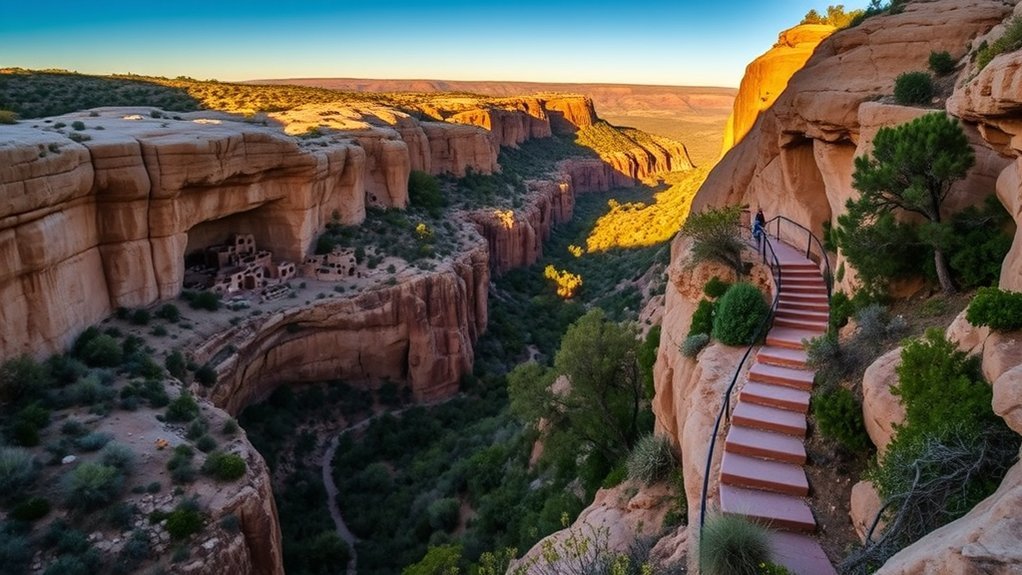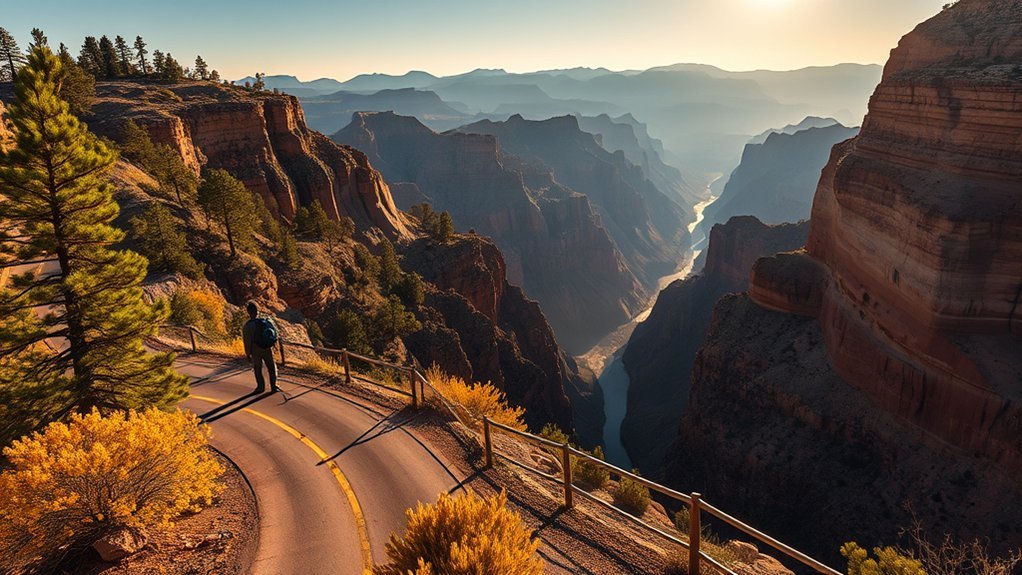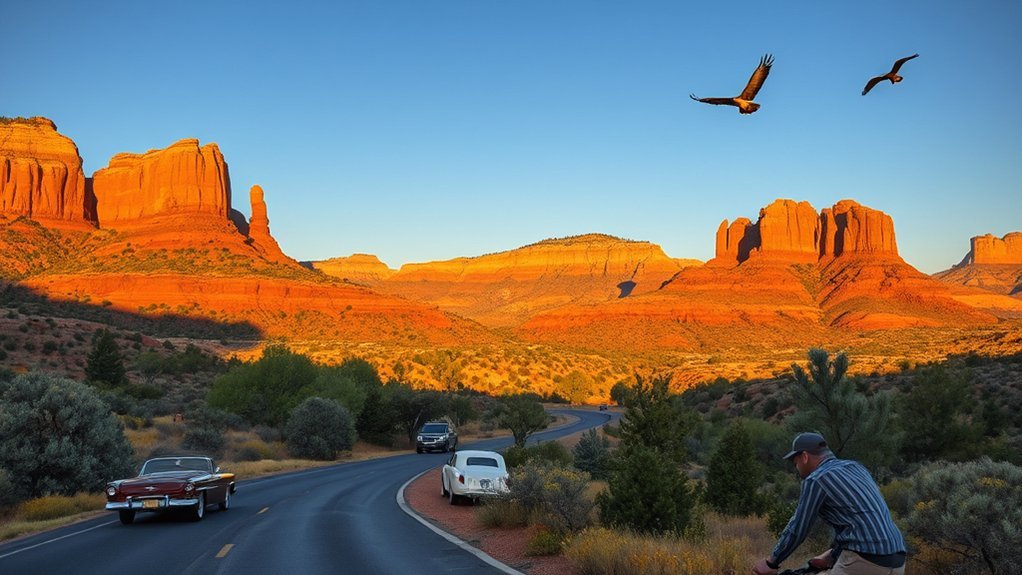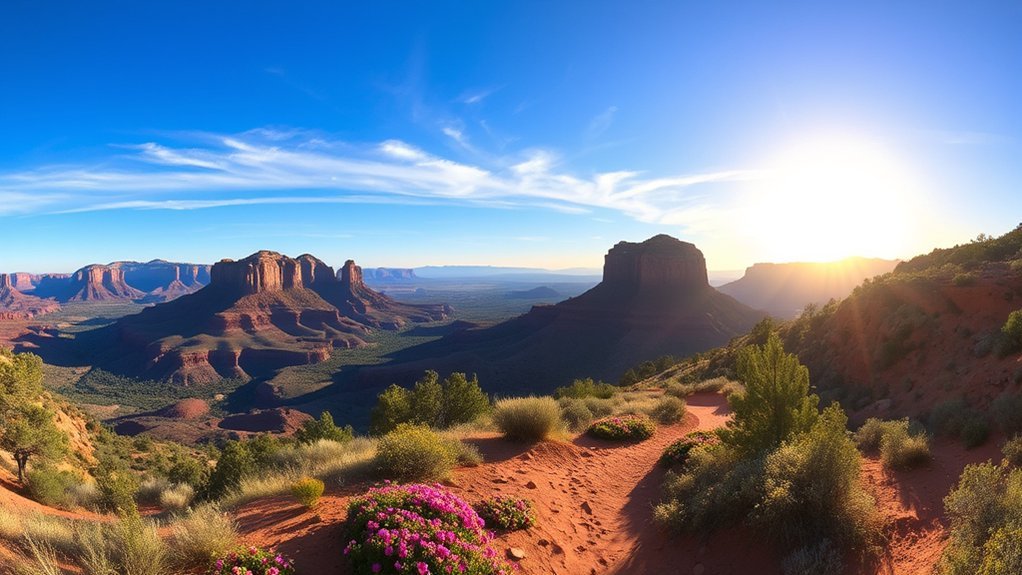
Arizona packs desert cities, red-rock country, pine forests, Indigenous history, Route 66, and the Grand Canyon into one state, but seeing Phoenix, Sedona, the Grand Canyon, Flagstaff, and Tucson in only five days requires careful planning. This itinerary keeps the original highlights while giving you a realistic route, safer hiking advice, and enough detail to know where the long driving days actually fall.
Quick Answer
Five days is enough for a fast Arizona road trip linking Phoenix, Sedona, the Grand Canyon South Rim, Flagstaff, and Tucson, but the pace is demanding. Keep Sedona and Grand Canyon days focused, then use Day 4 as a Flagstaff sightseeing and transfer day so you wake up in Tucson for Day 5.
Key Takeaways
- A car is strongly recommended for this Phoenix-Sedona-Grand Canyon-Flagstaff-Tucson route.
- Day 4 is the hardest travel day because you visit Flagstaff and then continue roughly 260 miles south to Tucson.
- Treat Camelback Mountain and below-rim Grand Canyon hikes as serious hikes, not casual sightseeing walks.
- Arizona’s weather changes dramatically with elevation, so pack for both desert heat and cooler northern temperatures.
- If you dislike long driving days, turn this into a six-day trip and spend an extra night in Flagstaff.
At a Glance
| Time Required | 5 days; 6 days is more comfortable |
| Pace | Fast, with sightseeing every day and one long transfer day |
| Transportation | Rental or personal vehicle strongly recommended |
| Route | Phoenix → Sedona → Grand Canyon South Rim → Flagstaff → Tucson |
| Approximate Driving | Roughly 575 to 600 miles between the main bases, plus local sightseeing |
| Cost | Varies widely with lodging, rental car, fuel, meals, park admission, and paid attractions |
Warning: Arizona heat can make an easy-looking walk dangerous. Carry water, avoid exposed desert hiking during the hottest part of the day, turn around before you become exhausted, and follow current park or city trail closures. Phoenix can restrict access to major trails during Extreme Heat Warnings.
Day 1: Arrival in Phoenix
Begin in Phoenix, where desert scenery sits beside museums, public art, restaurants, and historic neighborhoods. How much you should attempt on arrival day depends on your flight time and the weather.
If temperatures are comfortable and you are an experienced hiker, Camelback Mountain is one of the city’s signature outdoor landmarks. However, its summit routes are difficult rather than casual walks. The City of Phoenix lists the mountain’s general hours as sunrise to sunset and can restrict trail access during extreme heat. Check the City of Phoenix Camelback Mountain information before leaving your hotel.
During hot weather, skip a strenuous afternoon hike and spend more time exploring Phoenix’s cultural side. Downtown and central Phoenix offer murals, galleries, restaurants, and museums. The Heard Museum is a strong choice for travelers interested in American Indian art and culture, while S’edav Va’aki Museum focuses on the Ancestral O’Odham landscape and archaeology of the Salt River Valley.
Finish the evening with Southwestern or Mexican-influenced Arizona cooking. This is also a good night to organize hiking water, sun protection, snacks, and an early departure for Sedona.
Day 2: Exploring Sedona
Drive north from Phoenix into the Verde Valley and Sedona’s red-rock landscape. A direct trip normally takes around two hours before traffic or stops, so leaving Phoenix early gives you most of the day in Sedona.
Cathedral Rock and Bell Rock are two of the area’s best-known formations. Rather than trying to complete several major hikes, choose one trail that matches your fitness, footwear, weather, and available time. Sedona’s official tourism site lists hiking, photography, scenic overlooks, and the Chapel of the Holy Cross among the area’s major experiences.
Visit the Chapel of the Holy Cross if you want an architectural and scenic stop that does not require a long backcountry hike. Then spend some time in Sedona’s galleries, shops, or cafés before sunset.
Sedona is also associated with spiritual beliefs about energy vortexes. You will hear these ideas frequently in local tourism, but they are best presented as spiritual or personal beliefs rather than scientific claims. Whether or not that interests you, the area’s geology, views, and desert vegetation provide plenty of reasons to explore.
Pro Tip: Do not build your Sedona day around three or four major hikes. One hike, the Chapel of the Holy Cross, some town time, and a sunset viewpoint creates a much more realistic day before your Grand Canyon transfer the next morning.
Day 3: Grand Canyon National Park
Leave Sedona early for Grand Canyon National Park’s South Rim. The National Park Service lists Sedona at approximately 119 miles from the South Rim, so this is a substantial morning drive rather than a quick side trip.
Start near the Grand Canyon Visitor Center and Mather Point. From there, spend time walking sections of the Rim Trail, using overlooks to experience changing perspectives without committing to a strenuous descent into the canyon.
The South Rim’s free shuttle system is especially useful when parking is busy or when you want to connect viewpoints without repeatedly moving your car. Current routes and seasonal operations are published on the National Park Service South Rim shuttle page.
If ranger programs are running during your visit, they can add useful context about geology, wildlife, cultural history, and the night sky. Check the day’s National Park Service schedule rather than assuming a specific program will run at a particular time.
Be conservative about below-rim hiking. Walking downhill feels easier than returning uphill, and heat exposure increases quickly as you descend. A short rim walk can be a better choice for a five-day road trip than exhausting yourself with a long canyon hike.
At the Grand Canyon, distance alone does not tell you how difficult a hike will feel. Elevation change, exposure, heat, and the uphill return matter just as much as mileage.
Day 4: Flagstaff, Route 66, and the Transfer to Tucson
Day 4 is the itinerary’s biggest logistics day. Drive south from the Grand Canyon to Flagstaff, about 81 miles from the South Rim, and spend the first part of the day exploring the city before continuing to Tucson.
Flagstaff’s historic downtown and Route 66 corridor provide restaurants, murals, shops, railroad history, and classic roadside character. The original itinerary’s “Route 66 Museum” reference should not be used because Flagstaff does not have the attraction described under that name. Instead, stop at the Flagstaff Visitor Center in the historic train station and explore the city’s official Route 66 attractions.
If you prefer nature, spend part of the morning or early afternoon in the surrounding Coconino National Forest. Keep the outing short because Tucson is still several hours away.
The drive from Flagstaff to Tucson is roughly 260 miles. Plan on a long afternoon or evening transfer and arrive in Tucson in time to sleep before your final sightseeing day.
Note: If several hours of driving after a Flagstaff visit sounds unpleasant, add a sixth day. Overnight in Flagstaff on Day 4, drive to Tucson on Day 5, and explore Tucson on Day 6.
If you choose to stay in Flagstaff instead of continuing south, a legal campground campfire can be an enjoyable evening activity, but never assume fires are permitted. Northern Arizona regularly experiences seasonal fire restrictions, so check current rules before lighting any fire.
Day 5: Discovering Tucson
Wake up in Tucson and focus on the Sonoran Desert. Trying to complete every Tucson attraction in one day would create another rushed schedule, so choose two or three priorities.
Must-See Attractions
Begin early at Saguaro National Park, where giant saguaros dominate parts of the landscape east and west of Tucson. Short trails and scenic drives make it possible to experience the park without committing to a long desert hike.
Next, consider the Arizona-Sonora Desert Museum, which combines wildlife, botanical, and natural-history experiences. Much of the attraction is outdoors, so an early visit is preferable during hot months.
Old Tucson is another option for travelers interested in Western film history and entertainment. It operates on a seasonal schedule with studio tours and special events, so check the official Old Tucson calendar before choosing it over the Desert Museum.
Downtown Tucson’s murals and historic streets offer a useful contrast to the national park. Rather than squeezing all of these attractions into the same day, choose the combination that matches your interests.
Culinary Delights
Tucson is one of the best places on this route to build sightseeing around food. Start with breakfast at a local café and look for dishes influenced by the food traditions of southern Arizona and northern Mexico.
Mercado San Agustín is an open-air public market with locally operated restaurants, shops, and specialty-food businesses. It works well for lunch or a relaxed afternoon stop.
A Sonoran hot dog is one of Tucson’s best-known casual foods: typically a bacon-wrapped hot dog served in a soft bun with beans and a variety of toppings. You may also encounter tortillas, carne asada, tamales, regional chile dishes, and prickly pear products.
Outdoor Adventures
If hiking is your priority, spend more time in Saguaro National Park rather than rushing to several distant attractions. Start early, carry water, and choose distance based on the day’s temperature.
Cyclists can use the Rillito River Park and connected portions of Tucson’s extensive shared-use path network. This is a better fit for many visitors than trying to combine a full desert hike with another strenuous activity.
Mount Lemmon offers a dramatic change in elevation and scenery northeast of Tucson. Technical rock climbing is available in the broader mountain area, but inexperienced climbers should use qualified instruction or guiding rather than treating climbing as an impromptu tourist activity.
For sunset, Gates Pass is a popular scenic option west of Tucson. Leave enough time to reach your viewpoint safely before dark and never stop your vehicle where parking is prohibited.
Outdoor Adventures and Activities
Arizona supports everything from easy scenic walks to technical climbing and major backcountry trips. Match the activity to your experience instead of assuming every famous outdoor attraction is beginner-friendly.
- Hiking at the Grand Canyon: Rim walking can be relatively accessible, while below-rim routes quickly become strenuous because every descent must be followed by an uphill return.
- Rock climbing around Sedona: The red-rock region has established technical climbing, but proper skills, equipment, route knowledge, and responsible use of the landscape are essential.
- Kayaking at Lake Powell: Lake Powell offers paddling opportunities, but it is far outside this five-day Phoenix-Sedona-Grand Canyon-Flagstaff-Tucson route. Treat it as an extension requiring additional travel time rather than squeezing it into these five days.
You can also mountain bike in Sedona, cycle Tucson’s shared-use paths, walk forest trails near Flagstaff, or choose short interpretive trails in national parks. A good Arizona itinerary balances ambitious activities with recovery time and driving.
Local Cuisine and Dining Experiences
Arizona’s food reflects Indigenous, Mexican, Sonoran, Southwestern, and broader American influences. Rather than searching for a single “Arizona cuisine,” use each stop to try food connected to its region.
In Phoenix and Tucson, look for tortillas, chile-based dishes, tacos, carne asada, and Sonoran-style cooking. Tucson is particularly associated with the Sonoran hot dog.
Prickly pear fruit appears in syrups, drinks, candies, sauces, and desserts. Availability varies, so think of it as a regional ingredient rather than a required dish.
Fry bread and Navajo tacos may appear at Native-owned restaurants, markets, cultural events, or tribal destinations. When you are visiting Native communities, supporting Native-owned businesses is a better approach than treating Indigenous foods simply as roadside novelties.
Fresh tortillas, grilled meats, salsas, tamales, and regional chile dishes are easy additions to the road trip. Give yourself time for at least one relaxed meal rather than eating every meal between attractions.
Cultural and Historical Attractions
Arizona’s cultural history cannot be separated from the Native nations whose homelands extend across the state. Archaeological sites, tribal parks, museums, Spanish colonial missions, railroad towns, and Route 66 all tell different parts of that story.
Native American Heritage Sites
- Montezuma Castle National Monument: Located near the I-17 corridor between Phoenix and northern Arizona, the monument protects dwellings associated archaeologically with the Southern Sinagua. It can work as an additional stop if you have enough time on your Phoenix-to-Sedona travel day.
- Hopi Cultural Center and Hopi lands: Visiting Hopi communities requires a meaningful detour from this core itinerary. Follow community rules, photography restrictions, and access requirements rather than treating villages as ordinary sightseeing attractions.
- Navajo Nation and Monument Valley: Monument Valley Navajo Tribal Park is one of Arizona’s most recognizable landscapes, but it is well outside this five-day route. Add at least another day if you want to include it and follow Navajo Nation park rules, fees, closures, and permit requirements.
Whenever you visit tribal lands, remember that you are entering living communities rather than museum exhibits. Follow posted rules and tribal regulations, and use authorized guides where required.
Historic Missions Exploration
Near Tucson, Mission San Xavier del Bac offers a chance to see an active historic Catholic mission located on the Tohono O’odham Nation. Visit respectfully because it remains a place of worship and community significance.
Farther south, Mission San José de Tumacácori is preserved within Tumacácori National Historical Park. The site’s story includes O’odham communities, Spanish Jesuit and Franciscan missionaries, settlers, soldiers, conflict, cultural exchange, and centuries of change. It is better approached as a complex cultural landscape than simply as a romantic mission ruin.
Arizona Museums Worth Adding
- Arizona Museum of Natural History: Located in Mesa, the museum covers paleontology, natural history, archaeology, and regional cultural history.
- Heard Museum: Located in Phoenix, the museum focuses on American Indian art and culture and can be an excellent indoor alternative to a hot afternoon hike.
- S’edav Va’aki Museum: Formerly called Pueblo Grande Museum, this City of Phoenix museum interprets an Ancestral O’Odham archaeological site. The city officially adopted the current name in 2023. Learn more through the City of Phoenix S’edav Va’aki Museum.
Tips for Traveling in Arizona
- Carry more water than you expect to need. Dry air, sun, and physical activity can increase dehydration risk quickly.
- Do not plan desert hikes around midday in extreme heat. Start early and obey trail closures or restrictions.
- Pack layers. Phoenix and Tucson may be hot while Flagstaff and the Grand Canyon are much cooler, especially after sunset.
- Check current conditions. Monsoon storms, snow, wildfire restrictions, road work, and park closures can affect plans.
- Use sun protection. Sunscreen, a hat, sunglasses, and lightweight protective clothing are useful throughout much of the state.
- Wear appropriate shoes. Red-rock trails, canyon paths, and desert surfaces are not good places for unstable footwear.
- Respect wildlife. Give animals space and never put your hands or feet where you cannot see them clearly in rocky desert terrain.
- Respect tribal lands and cultural sites. Rules governing access, photography, hiking, guides, and permits can differ from federal or state parks.
- Reserve popular lodging early. Sedona and Grand Canyon accommodations can fill well in advance during busy seasons.
- Do not overpack the itinerary. Arizona distances are large, and a route that looks simple on a state map can involve hours of driving.
Frequently Asked Questions
What is the best time of year to visit Arizona?
There is no single best season for the entire state. Phoenix and Tucson are generally most comfortable from fall through spring, while Flagstaff and northern Arizona are especially popular in the warmer months. Spring and fall can offer a useful compromise for a statewide road trip, but always check the climate of each destination.
Are there safety concerns while hiking in Arizona?
Yes. Heat, dehydration, sun exposure, steep terrain, elevation change, thunderstorms, flash flooding, wildlife, and getting off route can all become serious problems. Carry water, check conditions, use suitable footwear, tell someone your plan for remote hikes, and turn around before exhaustion becomes a problem.
How can I get around Arizona without a car?
Phoenix, Tucson, and Flagstaff have local transportation options, and private shuttles or buses can connect some cities and tourist areas. Grand Canyon’s South Rim also has free in-park shuttles. However, completing this exact five-day route without a car is complicated, so a rental vehicle or organized multi-day tour is the most practical choice.
What local dishes should I try in Arizona?
Good options include Sonoran hot dogs, regional tacos and carne asada, tamales, chile-based Southwestern dishes, fresh tortillas, and prickly pear products. You may also find fry bread and Navajo tacos at Native-owned restaurants, markets, or cultural events.
Are there festivals or events during my visit?
Arizona has art walks, food events, tribal cultural events, Route 66 celebrations, sporting events, music festivals, and seasonal programs throughout the year. Dates change annually, so check the official event calendars for Phoenix, Sedona, Grand Canyon National Park, Flagstaff, and Tucson once your travel dates are fixed.
Is five days enough for Phoenix, Sedona, the Grand Canyon, Flagstaff, and Tucson?
Yes, but only if you accept a fast pace. Day 4 is especially demanding because you need to explore Flagstaff and continue south to Tucson. Six days is a better choice if you want longer hikes, slower meals, or a full night in Flagstaff.
Where should I stay each night?
A practical pattern is Phoenix after Day 1, Sedona after Day 2, the Grand Canyon South Rim or nearby Tusayan after Day 3, and Tucson after completing the Flagstaff visit and southbound transfer on Day 4. Stay in Tucson after Day 5 unless your onward travel requires returning elsewhere.
Sources
- National Park Service: Grand Canyon South Rim Directions — supports South Rim travel distances and route planning.
- City of Phoenix: Camelback Mountain — supports trail access, hours, and hiking planning.
- Discover Flagstaff: Route 66 — supports current Flagstaff Route 66 attractions.
- National Park Service: Saguaro National Park — supports Tucson-area national park information.
- City of Phoenix: S’edav Va’aki Museum — supports the museum’s current name and archaeological context.
- Old Tucson: Park Hours and Calendar — supports current seasonal operation and visit planning.
Conclusion
A five-day Arizona road trip can take you from Phoenix’s Sonoran Desert to Sedona’s red rocks, the Grand Canyon’s South Rim, Flagstaff’s Route 66 history, and Tucson’s saguaros, but the distances deserve as much attention as the attractions. Keep hikes realistic, start early in hot weather, and treat Day 4 as your main transfer day. If you have one extra day, spend it in Flagstaff or Tucson and turn this fast itinerary into a much more relaxed Arizona journey.