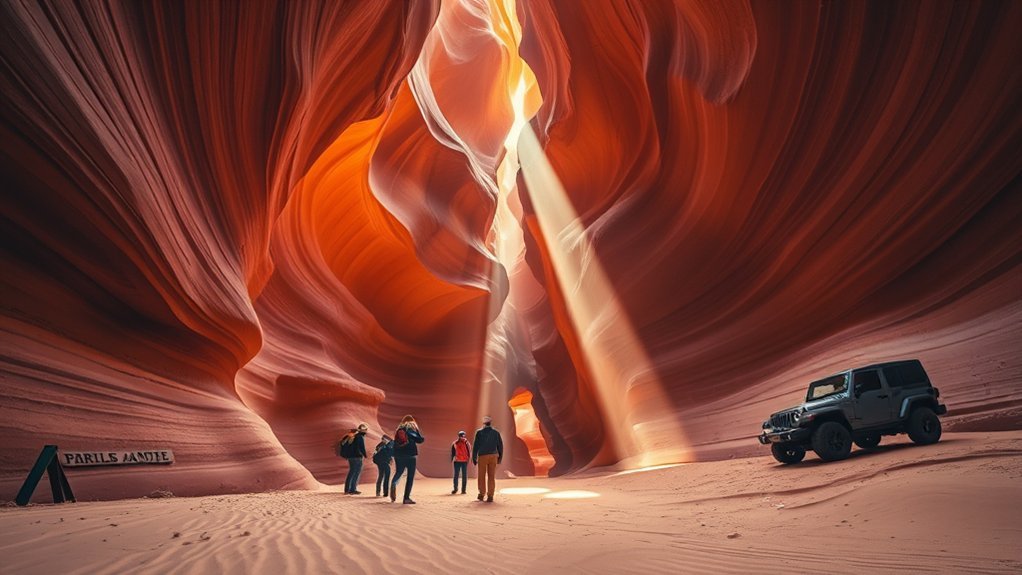
Sunlight can turn Antelope Canyon’s sculpted sandstone into glowing bands of orange, copper, pink, and violet, but a good visit depends on more than arriving with a camera. You need an authorized guided tour, the right canyon for your mobility and photography goals, and careful timing for weather and light. This guide compares Upper Antelope Canyon, Lower Antelope Canyon, and Canyon X, with current booking, accessibility, safety, photography, and nearby-attraction information.
Quick Answer
Choose Upper Antelope Canyon for the classic summer light-beam experience, Lower for a more active route with steep stairs, or Canyon X for a quieter guided hike and a dedicated photography-tour option. All Antelope Canyon locations require an authorized guide. Book popular times early, confirm your operator’s bag rules, and never ignore weather or flash-flood warnings.
Key Takeaways
- Guided access is mandatory: Navajo Nation Parks requires visitors to enter Antelope Canyon locations with authorized tour operators.
- Upper is best known for classic light beams: summer midday tours offer the strongest chance, although beams are never guaranteed.
- Upper is not wheelchair accessible: the slot itself has a ground-level entrance, but the current full route includes an outside return hike, stairs, sand, and elevation gain.
- Lower requires more stair work: expect steep stairs or ladders and uneven footing.
- Canyon X has a quieter feel: its standard tour uses uneven terrain and railroad-tie stairs, while its separate photography tour currently allows a tripod.
- Check your exact operator’s rules: bag policies, prices, check-in times, and reservation requirements are not identical.
At a Glance
| Time Required | About 1 to 2 hours for a standard canyon tour, plus check-in and travel time; specialized photography tours can be longer. |
| Difficulty | Upper: moderate overall despite easy canyon entry; Lower: more demanding because of steep stairs; Canyon X: moderate with uneven terrain and railroad-tie stairs. |
| Tools Needed | Comfortable closed-toe shoes, permitted water container, weather-appropriate layers, and a phone or handheld camera. Check operator rules before bringing any bag or support gear. |
| Cost | Varies by operator and date. As of August 2026, examples include Canyon X at $47 adult plus a $15 hiking permit for ages 8+, Ken’s Lower General Tour at $80.50, and one Upper operator from $92 adult plus a $15 Navajo Park Fee and additional booking charges. |
About Antelope Canyon and Navajo Land
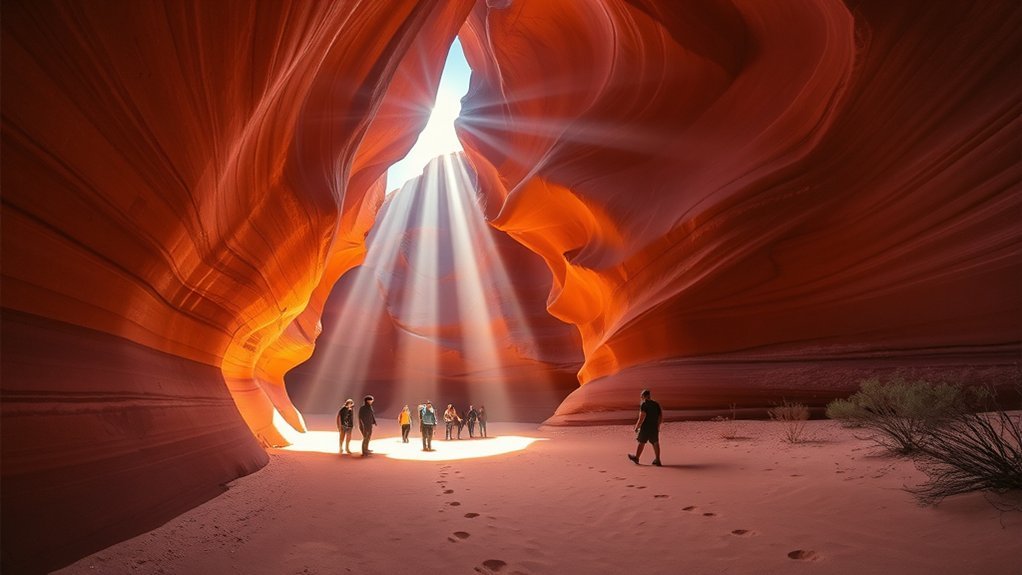
Antelope Canyon lies on Navajo land near Page, Arizona. Its narrow sandstone passages were shaped by flowing water and flash floods, creating the smooth walls, curves, and changing colors that make the canyon famous.
You cannot simply park and walk into Antelope Canyon on your own. Navajo Nation Parks and Recreation states that Antelope Canyon locations are accessible only by guided tour and lists authorized operators for Upper, Lower, Canyon X, and other nearby canyon experiences.
Navajo Nation Parks currently lists a $15 entry fee per person, per location, per day, with guided-tour charges additional. Individual operator checkout pages may apply the park or hiking fee differently by age, so use the total shown by your chosen operator rather than relying on an old flat-fee estimate.
Note: Tour businesses around Page commonly operate on Arizona/Phoenix time, which does not observe daylight saving time. Parts of the Navajo Nation do observe daylight saving time, so your phone’s clock can change while you travel. Follow the time zone stated in your booking confirmation.
Upper vs Lower Antelope Canyon vs Canyon X
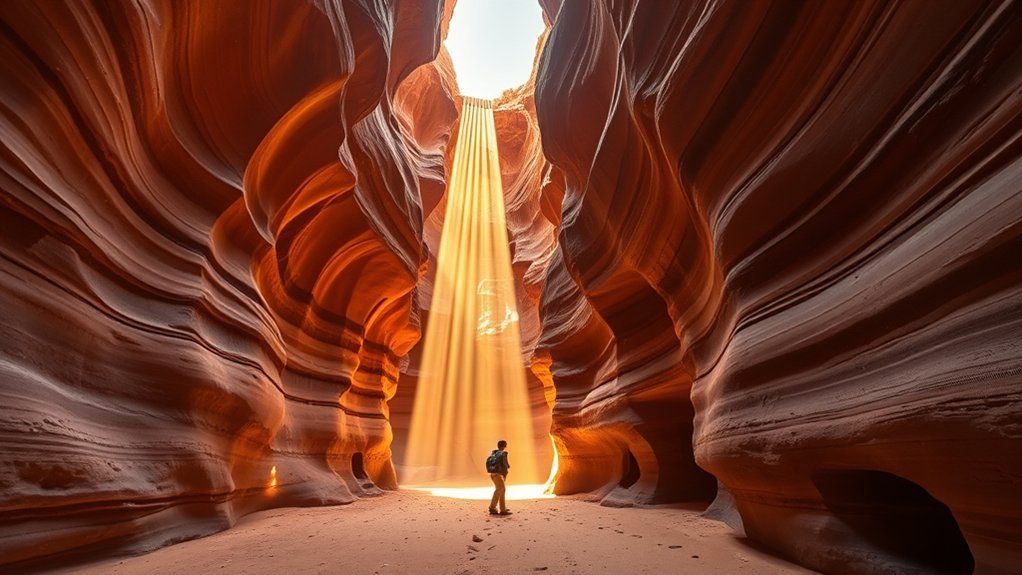
The best canyon depends on what matters most to you. Upper Antelope Canyon is the classic choice for strong summer light beams. Lower Antelope Canyon gives you a more active route through a V-shaped slot with steep stairs. Canyon X offers a guided visit through two slot sections with one primary operator and is often chosen by travelers who want a quieter atmosphere or a specialized photography tour.
| Canyon | Best For | Terrain | Photography |
| Upper | Classic beams and iconic wide-bottom canyon views | Flat inside the slot, but current return route includes sand, stairs, ramps, and elevation gain | Strongest choice for famous summer midday beams; handheld photography on normal tours |
| Lower | More physical adventure and twisting passages | Steep stairs or ladders and uneven paths | Excellent reflected color and wall textures; not the most reliable choice for classic Upper-style beams |
| Canyon X | Smaller-group feel and longer specialized photo option | Uneven surfaces, slopes, and railroad-tie stairs; no ropes or ladders on the standard hiking tour | Standard tour is handheld; separate photography tour currently permits a tripod and one camera bag |
Products Worth Considering

Compact & Packable: This 20L hiking backpack measures 11.4 × 5.1 × 18.5 inches, weighs only 0.64 lbs, and folds down to just 6.3 × 7.1 inches. It easily packs into its own inner pocket and fits neatly in your suitcase, larger backpack, or car

Unique Strap Design: Our small backpack features an innovative strap design with a zippered phone pocket on the left and a drawstring pocket on the right. The breathable mesh shoulder straps ensure comfort during your outdoor adventures, while reinforced stress points prevent strap breakage.

Lightweight 12 L Hydration Backpack: Super lightweight 8.5 oz hydration pack backpack with 2 L water bladder. Waterproof and tear-resistant fabric, PU coated nylon hydration pack bears 25 lbs
Accessibility & Terrain
All three options involve desert terrain, sand, or uneven surfaces. Upper has the easiest entrance into the actual slot because there are no ladders or stairs inside the canyon. However, that does not make the full modern tour wheelchair accessible. One current Upper operator’s route continues outside the canyon over a return trail with stairs, ramps, soft sand, and approximately 200 feet of elevation change.
Lower requires much more stair work. Ken’s Tours advises visitors that Lower includes stairs and uneven paths, and its visitor guidance describes several sets of steep stairs or ladders.
Canyon X sits between the two in overall feel. Taadidiin Tours says standard-tour guests must walk unassisted on uneven surfaces and use railroad-tie stairs to reach the canyon. There are no ropes or ladders on its normal hiking tour.
Light & Photo Timing
If the famous shaft-of-light photographs are your top priority, Upper Antelope Canyon remains the strongest choice. Current guidance from an authorized Upper operator says the most dramatic beam season is generally during the warmer months, with roughly May through September offering strong conditions. Around 11 AM to 1:30 PM is a common target window when the sun is high enough to shine into the canyon.
Those beams depend on sun angle, clouds, dust, season, and weather, so no operator can guarantee them. Upper is still photogenic outside that window because reflected light changes the sandstone from orange and gold to pink and purple tones.
Lower rewards you with tighter shapes, reflected color, and changing contrast throughout the day. Canyon X combines brighter chambers and shadowed passages, and its separate photography tour gives serious photographers more time than a standard sightseeing tour.
Crowd Levels & Costs
Upper usually attracts the highest demand around peak summer beam times. Lower is also extremely popular, while Canyon X markets its standard tour around smaller groups and a quieter experience. Rather than relying on fixed visitor-count claims, compare the number of open tour times and remaining seats for your actual travel date.
Prices also change by operator, season, tour time, taxes, and booking fees. Current examples checked in August 2026 include:
- Upper Antelope Canyon: one authorized operator lists adult base fares from $92, plus a $15 Navajo Park Fee for ages 8+ and additional booking/credit-card charges. Its most in-demand midday departure can cost more.
- Lower Antelope Canyon: Ken’s Tours currently lists its General Tour at $80.50 and approximately 50–60 minutes.
- Canyon X: Taadidiin Tours currently lists the standard adult hiking tour at $47, plus a $15 hiking permit for ages 8+, with a duration of about 1.5 hours.
Use these figures as planning examples rather than permanent rates. Always verify the final checkout total for your date.
When to Visit for Best Light and Fewer Crowds
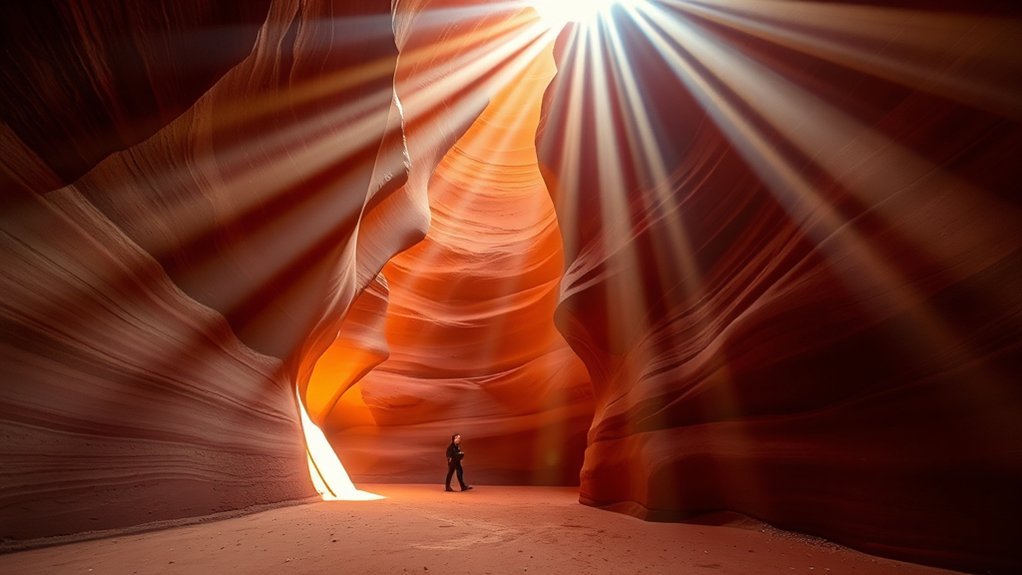
There is no single best month for every visitor. Your ideal time depends on whether you care most about Upper’s famous beams, lower temperatures, softer colors, or avoiding the busiest tour slots.
- May through September: strongest general period for Upper Antelope Canyon’s classic light-beam conditions, especially near midday.
- July and August: excellent sun angles but also hot weather, summer demand, and northern Arizona monsoon activity.
- Spring and fall: comfortable transitional periods with attractive light and fewer heat concerns.
- Late fall and winter: weaker or absent classic beams, but beautiful reflected colors and potentially more flexible booking options.
Pro Tip: If beams matter most, book an Upper tour that places you inside the canyon close to midday in late spring or summer. If your priority is calmer pacing, color, or cooler conditions, do not automatically pay a premium for the busiest midday slot.
How to Get There and Parking Tips
Antelope Canyon is near Page, Arizona, but there is no single public parking lot that works for every canyon tour. Your check-in location depends on the operator you book.
For example, Antelope Canyon Tours currently checks Upper guests in at its Page office at 22 S Lake Powell Boulevard and transports them to the canyon in authorized tour vehicles. Your private vehicle stays at the office.
Taadidiin Tours checks Canyon X guests in at its facility near Milepost 308 on Highway 98 and provides transportation to the canyon area. Parking is available there, including space for vehicles pulling boats or trailers.
Lower Antelope Canyon operators have their own visitor/check-in areas near Lower Canyon. Use the address in your confirmation rather than simply entering “Antelope Canyon” into navigation.
Upper and Canyon X operators currently request check-in about 30 minutes before departure. Other operators may use a different deadline, so follow the time shown on your reservation.
Warning: Double-check the time zone before leaving your hotel. Page follows Arizona/Phoenix time year-round, while clocks elsewhere on the Navajo Nation can differ during daylight saving time. Missing check-in can mean missing the tour without a refund.
Booking Tours: Costs, Operators, and Permits
The most important booking rule is simple: you need an authorized guide to enter Antelope Canyon. Use the official Navajo Nation Parks operator directory to confirm that a company is authorized.
Upper currently has several authorized operators. Lower currently lists Ken’s Tours and Dixie’s Lower Antelope Canyon Tours. Canyon X is operated by Taadidiin Tours.
Do not confuse mandatory guided access with mandatory advance reservations. Popular Upper departures often sell out and some Upper operators require advance reservations. Canyon X currently says walk-ins may be accommodated when space is available, although advance booking is still the safer choice for a specific date or time.
- Choose Upper, Lower, or Canyon X based on terrain and photography goals.
- Use an operator listed by Navajo Nation Parks.
- Compare the full checkout total, including park or hiking fees and booking charges.
- Read cancellation and weather policies before paying.
- Confirm your check-in location and Arizona/Phoenix time.
- Review bag, camera, child-seat, and mobility requirements for your exact tour.
- Keep your booking confirmation available when you arrive.
What to Expect on a Guided Tour
A standard Antelope Canyon visit is structured and guided from beginning to end. Depending on the canyon and operator, you may begin with a check-in and vehicle ride, then walk through the slot while your guide manages the group’s pace, explains the landscape and Navajo context, and points out useful photo angles.
One current Upper operator lists about 1 hour 45 minutes overall, including transportation, with roughly 30–40 minutes inside the canyon and additional time on the return hike. Ken’s Lower General Tour is currently about 50–60 minutes through the canyon. Canyon X’s standard guided hiking tour is about 1.5 hours.
Do not expect to explore independently or remain behind after your group. Guides must manage timing, weather risk, canyon traffic, and protected-land rules.
What to Pack and What to Leave Behind
Antelope Canyon is dusty, sandy, and tightly controlled, so packing less is usually easier. The exact rules differ by operator.
- Closed-toe walking shoes: choose footwear that stays stable on sand, stairs, and uneven ground.
- Water: bring water in the form permitted by your operator and hydrate before hot-weather tours.
- Sun protection: sunscreen, sunglasses, and a hat help during outdoor check-in, transfers, and return walks.
- Layers: temperatures inside shaded slots can feel different from exposed desert areas.
- Phone or camera: regular sightseeing tours are generally designed for handheld photography.
- Dust protection: avoid changing lenses inside the canyon and protect your camera when sand is blowing.
Do not assume a small bag is acceptable. One Upper operator currently allows transparent bags but not opaque purses or backpacks. Canyon X’s standard hiking tour currently prohibits bags of any size, including clear bags and camera bags.
Tripods, monopods, selfie sticks, drones, strollers, and similar equipment are prohibited on many standard tours. Canyon X has a separate photography tour with different camera-equipment rules.
Accessibility, Stairs, and Physical Requirements
Do not choose a canyon based only on how its entrance looks. Consider the entire tour route, including the return to the vehicle or visitor area.
Wheelchair Access Limits
Upper Antelope Canyon: Upper has a ground-level entrance and no ladders or stairs inside the slot itself. However, one major current operator uses a one-way route that requires an outside return hike with soft sand, ramps, stairs, a roughly 200-foot elevation change, and a timed uphill section. That operator explicitly states that its tour is not wheelchair accessible.
Lower Antelope Canyon: Lower involves steep stairways or ladders and uneven paths. It is generally unsuitable for wheelchair users and may be difficult for people with knee, hip, balance, or height concerns.
Canyon X: Taadidiin Tours requires standard-tour participants to walk unassisted across uneven surfaces. The route includes railroad-tie stairs and elevation changes, so it is not an appropriate choice for someone who cannot manage that terrain independently.
If you have recent knee, hip, back, or other mobility problems, contact your operator before booking rather than assuming the easiest-looking canyon will be manageable.
Stairs and Ladders
The stair experience differs sharply among the three main choices:
- Upper: no ladders or stairs inside the canyon, but stairs and ramps are part of the current outside return route used by some tours.
- Lower: multiple steep stair or ladder sections are part of the experience.
- Canyon X: no ropes or ladders on the standard hiking tour, but railroad-tie stairs and uneven terrain are required.
Choose based on your ability to complete the entire route, not simply the canyon floor.
Antelope Canyon Weather and Flash-Flood Safety
Flash flooding is the most serious natural hazard associated with a narrow slot canyon. Rain does not have to fall directly over the entrance for runoff from storms elsewhere in the drainage to create dangerous conditions.
The National Weather Service in Flagstaff identifies flash flooding as a major northern Arizona monsoon hazard. Taadidiin Tours states that Canyon X tours are canceled when NOAA issues a flash-flood warning for the area, and other authorized operators also make weather-based safety decisions.
Warning: Never try to enter a closed canyon, bypass a guide, or argue with a weather cancellation. A blue sky above Page does not prove that the canyon drainage is safe. Check messages from your operator before leaving for your tour, especially during summer monsoon conditions.
Nearby Attractions: Horseshoe Bend, Lake Powell, and More
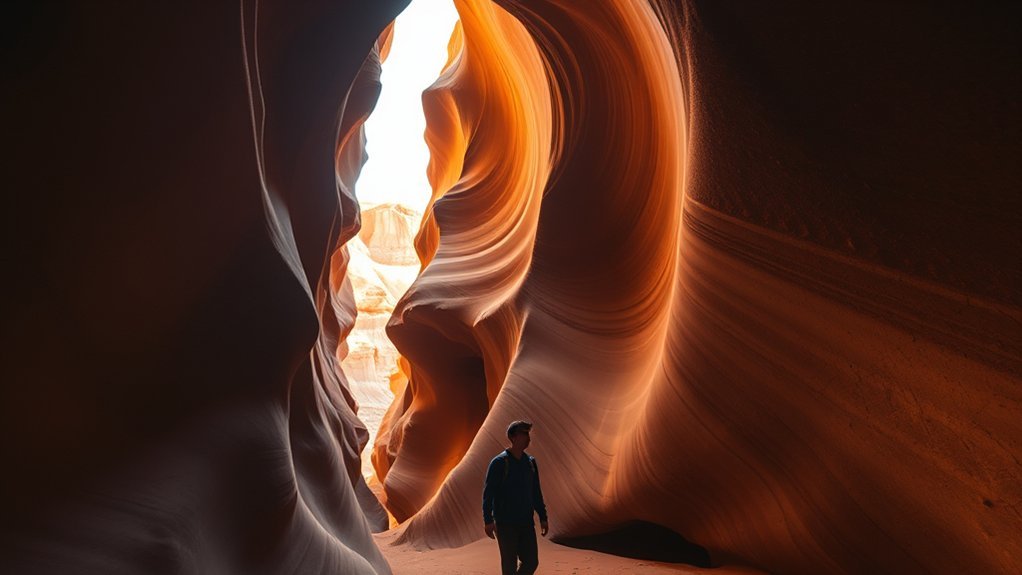
Page has enough nearby scenery to turn an Antelope Canyon tour into a full day or multi-day trip.
Horseshoe Bend: The National Park Service lists the trail to the overlook as 1.5 miles round trip on a hardened path. There are two shade structures along the trail but no shade structure at the overlook. The Colorado River sits roughly 1,000 feet below the rim. The City of Page operates the parking area and charges a parking fee; America the Beautiful and NPS passes do not cover that city parking fee.
Lake Powell: Boating, paddling, and shoreline recreation are available within Glen Canyon National Recreation Area, but reservoir levels can significantly change ramp access, channels, parking, and services. NPS lists 1,960 miles of shoreline at full pool, not as a fixed current shoreline measurement. Check current lake levels and launch conditions before planning a water activity.
Glen Canyon Dam: The dam and surrounding Glen Canyon area add useful context to the Colorado River and Lake Powell landscape.
Navajo Bridge and Lees Ferry: These are farther southwest of Page and work better as part of a driving loop than as a quick stop immediately beside Antelope Canyon.
Monument Valley and Navajo National Monument can also fit a longer northern Arizona itinerary, but allow enough driving time rather than treating them as nearby Page attractions.
Photography Tips and Rules for Capturing the Canyon
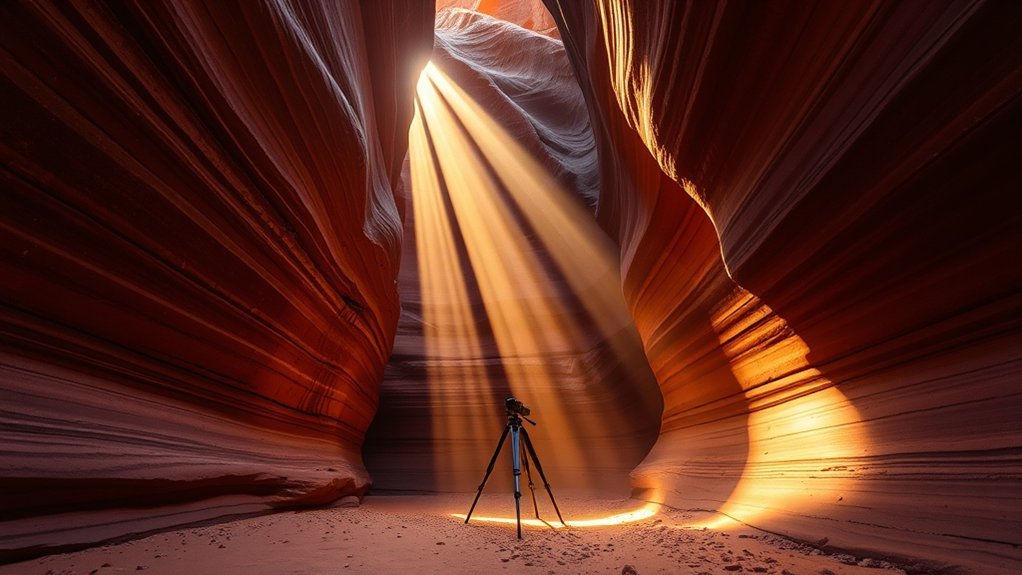
Antelope Canyon is highly photogenic, but regular sightseeing tours are paced experiences rather than open-ended photography sessions. You will often be shooting handheld while other visitors move through the same passages.
Allowed Gear and Restrictions
On standard tours, plan for a phone or handheld camera. Tripods, monopods, selfie sticks, drones, and bulky equipment are commonly prohibited. Bag rules vary, so read the exact operator instructions before arriving.
One important exception is the Antelope Canyon X Photography Tour. Taadidiin Tours currently offers a three-hour photography option for ages 8+ that allows a tripod and one camera bag. It is separate from the standard Canyon X hiking tour. Special shoots such as wedding or styled sessions may require additional permits.
- Bring the minimum equipment permitted by your tour.
- Do not change lenses unnecessarily in blowing sand.
- Keep passages clear while composing photographs.
- Follow your guide’s directions immediately when the group needs to move.
Best Camera Settings
There is no single perfect exposure because brightness changes dramatically from one chamber to the next. On a standard handheld tour, prioritize a shutter speed fast enough to avoid blur before chasing an extremely low ISO.
| Setting | Starting Point | Why |
| Lens | Wide or standard-wide lens, roughly 16–35mm on full frame | Fits sweeping walls and tight passages into the frame |
| Aperture | Around f/4–f/8 handheld | Balances depth of field with the limited light available |
| ISO | Auto ISO or roughly ISO 400–1600 as needed | A little noise is usually better than motion blur from an unusably slow shutter |
| Shutter | Aim near 1/60 second or faster when possible | Helps control camera shake during handheld shooting |
| Exposure | Protect bright highlights and shoot RAW if available | Makes it easier to recover shadow detail without clipping bright beams |
If you book Canyon X’s dedicated tripod-friendly photo tour, lower ISO, smaller apertures, and longer exposures become more practical because the tour is designed for that kind of equipment.
Composition and Lighting Tips
Look in every direction rather than photographing only the famous ceiling beams. Reflected light along the walls creates some of the canyon’s best color.
- Shoot vertically: tall compositions emphasize flowing walls and narrow openings.
- Use curves as leading lines: follow the sandstone edges through the frame.
- Protect highlights: bright openings and beams can overexpose much faster than shaded walls.
- Try close details: small ripples, textures, and color transitions can be as striking as wide scenes.
- Include people selectively: a person can provide useful scale when your guide allows enough space.
- Keep moving when asked: no photograph is worth blocking the group or interfering with canyon safety.
Frequently Asked Questions
What is the best way to visit Antelope Canyon?
Choose the canyon that matches your mobility and photography priorities, then book through an operator authorized by Navajo Nation Parks. Confirm the operator’s check-in location, Arizona/Phoenix time, weather policy, bag restrictions, and full price before you travel.
How much time do you need at Antelope Canyon?
Allow about two hours for many standard visits once check-in, transportation, walking, and the canyon tour are considered. Actual tour durations vary. Current examples range from about 50–60 minutes for Ken’s Lower General Tour to about 1.5 hours for Canyon X and roughly 1 hour 45 minutes for one Upper tour.
What is the best month to visit Antelope Canyon?
There is no universal best month. If Upper Antelope Canyon’s classic light beams are your priority, roughly May through September, especially summer near midday, offers the strongest chance. Spring and fall can provide comfortable conditions, while late fall and winter bring softer light and different sandstone colors.
Which Antelope Canyon tour is better?
Upper is usually best for travelers chasing classic summer beams. Lower suits visitors comfortable with steep stairs who want a more active route. Canyon X is a strong choice for travelers who want a quieter guided experience or a dedicated photography-tour option.
Can you visit Antelope Canyon without a guide?
No. Navajo Nation Parks requires guided access to Antelope Canyon locations. Book with an authorized operator rather than attempting to enter independently.
Is Upper Antelope Canyon wheelchair accessible?
Do not assume so because the canyon entrance is at ground level. One current Upper operator states that its full one-way route is not wheelchair accessible because the return includes sand, stairs, ramps, an uphill section, and about 200 feet of elevation change.
Can you bring a tripod or camera bag into Antelope Canyon?
Usually not on standard sightseeing tours. Tripods and camera bags are restricted by many operators, and bag rules differ by canyon. Canyon X currently offers a separate three-hour photography tour that permits a tripod and one camera bag.
What time zone do Antelope Canyon tours use?
Many Page-area operators, including current Upper and Canyon X operators cited in this guide, run on Arizona/Phoenix time year-round. Because daylight-saving rules can differ elsewhere on the Navajo Nation, use the time stated in your booking confirmation rather than relying on your phone after crossing jurisdictional boundaries.
Conclusion
Antelope Canyon rewards careful planning. Choose Upper if classic summer beams are your priority, Lower if you are comfortable with steep stairs and want a more physical route, or Canyon X if a smaller-group atmosphere or specialized photography tour appeals to you. Book through an authorized operator, confirm the current price and equipment rules, arrive on the correct Arizona/Phoenix time, and treat every weather cancellation seriously. With those details handled, you can focus on the changing light, sculpted sandstone, and Navajo landscape that make the canyon unforgettable.
Sources
- Navajo Nation Parks & Recreation: Antelope Canyon Tour Operators — authorized operators, mandatory guided access, and current entry-fee information.
- Antelope Canyon Tours: Upper Antelope Canyon Sightseeing Tour — current Upper pricing example, tour length, walking route, accessibility, check-in, bag rules, and photography restrictions.
- Ken’s Tours Lower Antelope Canyon — current Lower general-tour price, duration, terrain, and visitor guidance.
- Taadidiin Tours: Antelope Canyon X Hiking Tour — current Canyon X pricing, permit, duration, terrain, bag restrictions, weather cancellation policy, and check-in rules.
- National Park Service: Horseshoe Bend — trail length, parking, overlook information, and visitor safety.
- National Weather Service Flagstaff: Northern Arizona Monsoon — flash-flood and monsoon safety guidance.