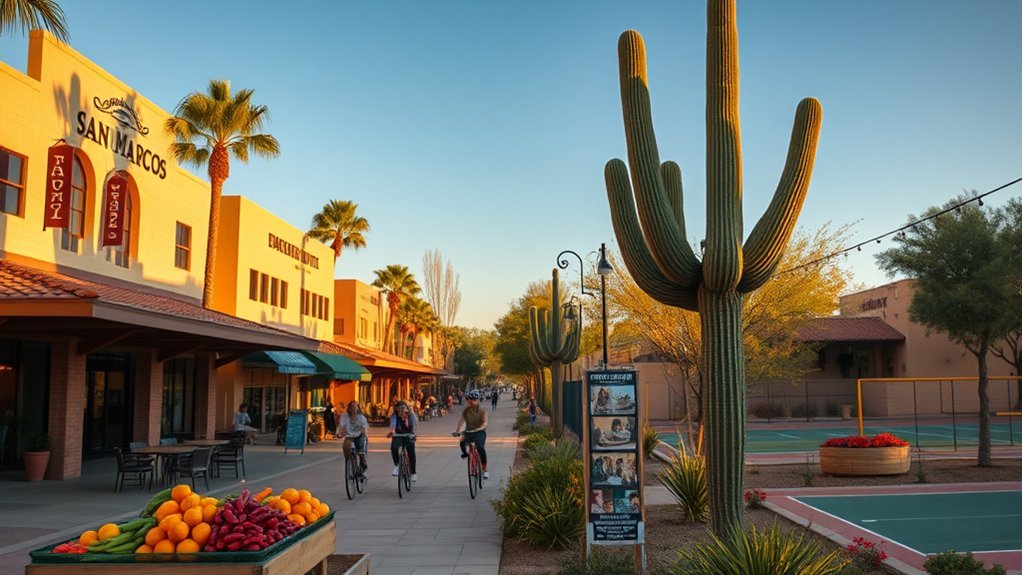
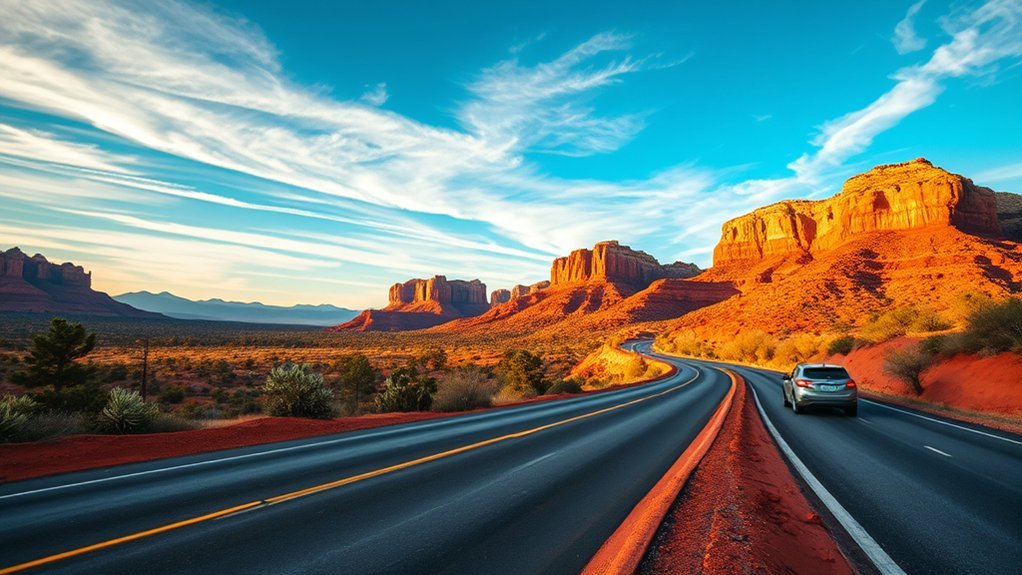
Nestled between the red rocks of Sedona and the high-desert plateaus of Mingus Mountain, the Verde Valley Wine Trail connects travelers to northern Arizona’s premier viticultural destination. Spanning charming historic towns like Cottonwood, Clarkdale, Jerome, and Cornville, this designated American Viticultural Area (AVA) pairs dramatic desert canyons with lush, spring-fed riparian vineyards. Whether you are seeking bold Rhône-style reds, mineral-driven whites, or sunlit patio tastings beside rushing waters, planning your itinerary with the right stops, dining pairings, and transportation ensures an unforgettable high-desert wine country escape.
Quick Answer
The Verde Valley Wine Trail features over 25 commercial wineries and tasting rooms centered around Cottonwood, Clarkdale, Jerome, and Cornville, Arizona. Famous for Mediterranean and Rhône varietals like Syrah, Grenache, Viognier, and Malvasia Bianca, the trail is best visited from September to May, using Old Town Cottonwood or Sedona as a central base.
Key Takeaways
- Official AVA Status: Established as a federal American Viticultural Area in 2021, the Verde Valley features volcanic soils, limestone deposits, and 30°F+ diurnal temperature swings.
- Trail Hubs: Tasting rooms cluster in four main zones: Page Springs Road (Cornville), historic Old Town Cottonwood, hillside Jerome, and historic Clarkdale.
- Signature Varietals: The region excels at warm-climate grapes including Syrah, Petite Sirah, Grenache, Tempranillo, Sangiovese, Vermentino, and Malvasia Bianca.
- Pacing & Logistics: Plan for 2 to 3 winery visits per day; book private drivers or guided shuttle tours to safely navigate canyon roads.
Why Visit the Verde Valley Wine Trail
Unlike traditional, crowded wine corridors, the Verde Valley delivers an intimate, unpretentious wine culture set against panoramic Southwestern scenery. In November 2021, the Alcohol and Tobacco Tax and Trade Bureau (TTB) officially designated the Verde Valley as a recognized American Viticultural Area (AVA), cementing its status on the world wine map. Spanning roughly 219 square miles in Yavapai County, the region’s elevation (ranging from 3,000 to over 5,000 feet) generates warm, sun-drenched days followed by crisp desert nights.
This dramatic diurnal temperature shift preserves natural acidity in the fruit, allowing vintners to produce balanced, complex wines. Local winemakers focus heavily on Mediterranean, Iberian, and Rhône valley varietals that thrive in limestone-rich, alluvial soil. Along the trail, you will regularly encounter the head winemakers pouring flights in their own cellars, providing educational, personal experiences that are increasingly rare in larger wine regions.
“The Verde Valley’s combination of high-desert sunshine, cool mountain night breezes, and mineral-dense limestone gives Arizona wines their signature balance of ripe fruit and vibrant acidity.”
Best Time to Plan Your Wine Trail Visit
While the Verde Valley welcomes visitors year-round, timing your trip around seasonal vineyard cycles and high-desert temperatures will maximize your comfort and tasting options.
Peak Harvest Months
The energy in the valley peaks during harvest season, which runs from August through October. Early ripening white varietals such as Malvasia Bianca, Viognier, and Chardonnay are picked first in late summer, while hearty reds like Syrah, Cabernet Sauvignon, and Petite Sirah hang on the vines through October. Visiting during these months allows you to witness grape sorting, crushing, and active fermentation inside working cellars.
| Month | Activity Level | What to Expect | Featured Varietals |
|---|---|---|---|
| August | Moderate to High | Early dawn picking, white grape crush, tank fermentation | Viognier, Malvasia Bianca, Sauvignon Blanc |
| September | Peak | Full harvest operations, community festivals, vineyard tours | Syrah, Grenache, Sangiovese, Tempranillo |
| October | High | Late red harvest, pressing, fall foliage along the Verde River | Cabernet Sauvignon, Petite Sirah, Mourvèdre |
Weekday Vs Weekend
Your choice between a weekday and weekend visit significantly shapes your tasting experience:
- Weekdays (Monday–Thursday): Ideal for wine connoisseurs seeking in-depth conversations with winemakers, uncrowded patios, flexible walk-in tastings, and relaxed photography.
- Weekends (Friday–Sunday): Best for lively social atmospheres, live outdoor music, pop-up food trucks, and seasonal vineyard events. Reservations are strongly recommended for weekend tastings.
Pro Tip: Download the official digital passport from the Verde Valley Wine Consortium on your mobile device before you head out to earn check-in stamps, unlock tasting discounts, and enter quarterly raffles.
Weather and Events
Spring (March to May) and Fall (September to November) offer optimal daytime temperatures averaging between 70°F and 85°F, making outdoor tasting decks exceptionally pleasant. Summer brings hot afternoons often exceeding 95°F, making early morning tastings and shaded, misted river patios a necessity. Winter is crisp and quiet (highs in the 50s–60s°F), offering peaceful cellar tastings and uncrowded tasting rooms.
Top Wineries to Stop Along the Trail
The Verde Valley Wine Trail spans several distinct geographic clusters. Here are the top estate vineyards and boutique tasting rooms to prioritize on your itinerary:
1. Page Springs Road (Cornville)
- Page Springs Cellars: Situated directly on the banks of Oak Creek, this flagship estate features estate-grown Rhône varietals, expansive creekside tasting decks, artisan pizza, and on-site massage therapy. Try their estate Syrah and crisp Counoise Rosé.
- DA Ranch Estate Vineyards: A historic family-owned ranch featuring a serene pond, 100-year-old cottonwood trees, and 100% estate-grown fruit. Known for their handcrafted Tannat, Petite Sirah, and Seyval Blanc.
- Oak Creek Vineyards & Winery: A laid-back, dog-friendly patio vineyard serving diverse flights paired with charcuterie and cheese boards.
- Javelina Leap Vineyard & Winery: A boutique family estate with a full-production crush pad, stone-accented tasting room, and acclaimed Zinfandels and Barberas.
2. Old Town Cottonwood Hub
- Merkin Vineyards Osteria & Tasting Room: Founded by Maynard James Keenan, this hilltop complex showcases estate wines made from 100% Arizona-grown grapes, alongside scratch-made pasta, wood-fired pizza, and panoramic valley views.
- Arizona Stronghold Vineyards: One of the pioneers of the modern Arizona wine movement, pouring approachable, award-winning blends like “Nachise” and “Dala.”
- Tantrum Wines: A vibrant, female-owned tasting room featuring bright, fruit-forward wines and a chic, welcoming lounge space.
3. Clarkdale & Jerome Mountain Wineries
- Chateau Tumbleweed (Clarkdale): An edgy, artisanal winery operated by two winemaking couples. Specializes in adventurous varietals like Graciano, Montepulciano, and high-acid Vermentino.
- Southwest Wine Center at Yavapai College (Clarkdale): A state-of-the-art teaching winery where students train in viticulture and enology. Tastings here offer a preview of the next generation of Arizona winemaking talent.
- Caduceus Cellars (Jerome): Perched on the historic, steep cliffs of Jerome, this boutique tasting room pours complex, low-yield Italian and Spanish varietals grown in high-elevation volcanic soils.
- Alcantara Vineyards (Camp Verde): Boasting over 20,000 vines where Oak Creek merges with the Verde River, this Tuscan-style villa offers rolling vineyard views and private beach access.
Tasting Experience Tips and Etiquette
Maximizing your enjoyment across multiple winery stops requires thoughtful pacing and basic high-desert tasting etiquette:
- Hold by the Stem: Always grip your wine glass by the stem rather than the bowl. This prevents your body heat from warming chilled whites and avoids leaving fingerprints on the glass.
- The 1:1 Hydration Rule: Arizona’s arid mountain climate dehydrates you quickly. Drink one full 8-ounce glass of water for every tasting pour you consume.
- Use the Dump Bucket: Pouring out remainder wine or using the spittoon is standard industry practice, not an insult to the vintner. It keeps your palate sharp across 3 to 4 stops.
- Avoid Heavy Perfumes: Strong colognes, scented lotions, and perfumes mask delicate wine aromas for both you and fellow tasters.
- Tip Your Server: Tasting room attendants provide education, history, and tailored recommendations. Standard gratuity is 18% to 20%, or $3 to $5 per flight.
Transportation and Safety Options
Because the trail traverses winding canyon passes and rural county roads, organizing reliable transportation before your trip is essential.
Warning: Arizona enforces strict zero-tolerance Driving Under the Influence (DUI) laws. Blood alcohol limits are strictly monitored, and cellular service can drop unexpectedly along rural mountain roads between Clarkdale, Jerome, and Page Springs.
Designated Driver Services
Selecting the right transportation option depends on your group size and budget:
| Service Type | Best For | Key Advantage |
|---|---|---|
| Guided Wine Tour Vans | Couples & small groups | Pre-arranged itineraries, built-in reservations, local wine guides |
| Private Chauffeur / Shuttle | Large groups & celebrations | Full itinerary customization and door-to-door hotel service |
| Designated Driver Services | Travelers with their own vehicle | A licensed professional drives your personal car for a flat hourly rate |
| Rideshare (Uber/Lyft) | In-town Cottonwood/Sedona | Affordable for short hops; unreliable in rural Cornville/Camp Verde |
Emergency Preparedness Plans
Before departing, download offline Google Maps or Apple Maps of Yavapai County, as canyon corridors between Cornville and Jerome frequently lose LTE signals. Always store at least two gallons of drinking water in your trunk, pack a portable phone battery pack, and designate a set meeting location in case group members get separated at sprawling vineyard estates.
Where to Eat Near the Wineries
Pairing your tasting day with substantive local meals helps pace alcohol absorption and introduces you to Arizona’s vibrant farm-to-table cuisine. The Verde Valley boasts an impressive culinary corridor concentrated in Old Town Cottonwood and surrounding historic communities.
| Restaurant | Location | Culinary Style | Must-Try Dish |
|---|---|---|---|
| Merkin Vineyards Osteria | Cottonwood | Farm-to-table Italian & house pasta | Handmade gnocchi with regional lamb ragù |
| Up the Creek Bistro | Cornville | Creekside fine dining & curated cellar | Pecan-crusted ruby trout with local white wine |
| The Tavern Grille | Cottonwood | Classic American pub & steaks | Tavern prime rib dip with crispy onion straws |
| Colt 804 Grill | Cottonwood | Smoked craft barbecue | Smoked brisket platter with cornbread |
| The Haunted Hamburger | Jerome | Gourmet burgers & sweeping views | Haunted Burger topped with bacon and guacamole |
Nearby Activities and Scenic Stops
The Verde Valley provides rich cultural, historical, and outdoor adventures to complement your wine itinerary:
- Water to Wine Kayaking: Book a guided paddle down the Verde River that finishes directly at the private beach of Alcantara Vineyards for an open-air tasting.
- Tuzigoot National Monument: Tour a preserved 1,000-year-old multi-story Sinagua pueblo citadel situated between Cottonwood and Clarkdale.
- Verde Canyon Railroad (Clarkdale): Board a scenic wilderness train journey through protected canyon corridors featuring open-air viewing cars and local wine selections.
- Dead Horse Ranch State Park: Hike or bike along shaded cottonwood canopies and tranquil lagoons along the Verde River.
- Jerome Historic Ghost Town: Explore art galleries, mine shafts, and historic architecture perched high on the slopes of Cleopatra Hill.
Note: Most National Monument sites (Tuzigoot and nearby Montezuma Castle) accept the America the Beautiful Interagency National Park Pass.
Packing List and Practical Prep
Be prepared for shifting high-desert weather conditions by packing the following essentials:
- Insulated Wine Travel Bag: Arizona vehicle interiors heat up rapidly; never leave purchased wine bottles in a warm trunk. Keep an insulated cooler with ice packs in your car.
- Sun Protection: Wide-brim sun hat, UV-blocking sunglasses, and broad-spectrum mineral SPF (sun exposure is intense at 3,500+ feet).
- Footwear: Flat walking shoes, supportive boots, or dress sneakers suitable for dirt paths, gravel crush pads, and uneven historic stairs.
- Layered Clothing: Breathable cotton or linen shirts for warm afternoons, topped with a medium fleece or denim jacket for sudden post-sunset temperature drops.
- Wine Bottle Protectors: Inflatable bottle sleeves if you plan to pack Arizona wines in checked luggage for air travel.
Frequently Asked Questions
Are dogs allowed inside Verde Valley tasting rooms?
Most wineries along the Verde Valley Wine Trail welcome leashed, well-behaved dogs on their outdoor patios and vineyard grounds (including Page Springs Cellars, Oak Creek Vineyards, and Alcantara Vineyards). However, due to Arizona health codes, pets are generally restricted from indoor tasting bars and food preparation areas. Service animals are permitted in all areas.
Do wineries offer private group tastings or event rentals?
Yes. Many estate wineries, such as DA Ranch, Alcantara Vineyards, and Page Springs Cellars, offer private cabanas, VIP barrel room tours, and dedicated event spaces for weddings and private parties. Groups of six or more should make advance reservations at all trail stops.
Are there winery memberships or wine clubs available?
Yes. Nearly all Verde Valley producers operate wine clubs providing quarterly shipments, 15% to 25% discounts on bottle purchases, complimentary tasting flights for members and guests, and exclusive access to limited-production library releases and harvest parties.
Do any Verde Valley wineries produce sparkling or dessert wines?
Yes. Several producers craft traditional method and pet-nat sparkling wines, as well as port-style fortified and late-harvest dessert wines. Wineries like Chateau Tumbleweed and Page Springs Cellars regularly release sparkling and late-harvest selections in their seasonal flights.
Is photography or drone use permitted on winery grounds?
Personal handheld photography and smartphone photos are warmly encouraged at all locations. However, commercial photoshoots, tripods, and drone operation require prior written approval and permits from winery management to protect guest privacy and comply with local airspace rules.
Conclusion
Exploring the Verde Valley Wine Trail reveals a distinctive, rapidly ascending corner of American viticulture. With official AVA status, passionate boutique winemakers, and striking high-desert vistas, the region balances world-class Rhône and Mediterranean varietals with relaxed Southwestern hospitality. By choosing a central home base in Cottonwood or Sedona, pacing your tastings with farm-to-table dining, and securing safe transportation, your journey through Arizona wine country will be both memorable and seamless.
Sources
- Alcohol and Tobacco Tax and Trade Bureau (TTB) — Official establishment of the Verde Valley Viticultural Area (27 CFR Part 9).
- Verde Valley Wine Consortium — Official trail map, winery roster, and regional passport directory.
- Arizona Wine Growers Association (AWGA) — Arizona viticulture statistics, varietal profiles, and harvest data.
- Arizona Office of Tourism — Regional travel logistics, scenic parks, and historic landmark guides.