Container gardening has emerged as a popular solution for urban dwellers and those with limited outdoor space. This method allows individuals to cultivate a variety of plants, including vegetables, herbs, and flowers, in pots or other types of containers. The appeal of container gardening lies in its versatility; it can be practiced on balconies, patios, or even indoors, making it accessible to anyone with a desire to grow their own food.
The concept is simple: by using containers, gardeners can create a controlled environment that can be tailored to the specific needs of the plants they wish to grow.
For instance, growing potatoes in containers has gained traction among gardening enthusiasts.
This method not only maximizes space but also simplifies the harvesting process. Container gardening allows for better soil management, improved drainage, and easier pest control, making it an ideal choice for novice and experienced gardeners alike. As we delve deeper into the specifics of growing potatoes in containers, we will explore the numerous benefits and practical steps involved in this rewarding endeavor.
Key Takeaways
- Container gardening is a great way to grow plants in small spaces, including potatoes.
- Growing potatoes in containers offers benefits such as space-saving, convenience, and control over soil quality.
- When choosing a container for potatoes, consider size, drainage, and material such as fabric, plastic, or wood.
- Select potato varieties suited for container growing, such as fingerling or small-sized potatoes.
- Prepare the soil for container-grown potatoes by using a well-draining mix with added compost or fertilizer.
Benefits of Growing Potatoes in Small Spaces
Growing potatoes in small spaces offers a multitude of advantages that cater to both novice and seasoned gardeners. One of the primary benefits is the efficient use of limited space. Traditional potato cultivation requires a significant amount of ground area, which can be a challenge for those living in urban environments or with small backyards.
By utilizing containers, gardeners can grow potatoes on balconies, patios, or even indoors, effectively transforming any small area into a productive garden. Another significant benefit is the ease of maintenance that container gardening provides. Potatoes grown in containers are less susceptible to soil-borne diseases and pests that often plague traditional garden beds.
The controlled environment of a container allows for better management of soil quality and moisture levels, which are crucial for healthy potato growth. Additionally, container gardening simplifies the harvesting process; once the potatoes are ready, gardeners can simply tip over the container to collect their bounty without the need for extensive digging. This convenience makes growing potatoes in containers an attractive option for those who may have physical limitations or simply prefer a less labor-intensive approach.
Choosing the Right Container for Potatoes
Selecting the appropriate container is a critical step in successfully growing potatoes. The ideal container should be large enough to accommodate the growth of the potato plants while providing adequate drainage. A container with a capacity of at least 5 gallons is recommended for growing a single potato plant, while larger containers can support multiple plants.
Common choices include plastic pots, fabric grow bags, and wooden barrels, each offering unique benefits. Drainage is paramount when choosing a container for potatoes. Excess moisture can lead to rot and other issues that can compromise plant health.
Therefore, it is essential to select containers with drainage holes at the bottom or to create them if necessary. Additionally, using materials that retain heat, such as dark-colored plastic or wood, can help maintain optimal soil temperatures for potato growth. Ultimately, the right container will not only support healthy plant development but also enhance the overall aesthetic of your gardening space.
Selecting the Right Potato Variety for Containers
| Potato Variety | Yield | Growth Habit | Maturity |
|---|---|---|---|
| Russet | High | Upright | Mid-season |
| Yukon Gold | Medium | Upright | Early |
| Red Pontiac | High | Upright | Mid-season |
| Fingerling | Low | Spreading | Late |
When it comes to growing potatoes in containers, selecting the right variety is crucial for achieving a successful harvest. There are numerous potato varieties available, each with its own unique characteristics and growth requirements. Generally, smaller or early-maturing varieties are best suited for container gardening due to their compact size and shorter growing season.
Varieties such as ‘Red Pontiac,’ ‘Yukon Gold,’ and ‘Fingerling’ potatoes are popular choices among container gardeners. In addition to size and maturity, flavor and culinary use should also be considered when selecting potato varieties. For instance, waxy potatoes like ‘New Potatoes’ are excellent for boiling and salads, while starchy varieties like ‘Russet’ are ideal for baking and frying.
Understanding the intended use of your potatoes will help guide your selection process. Furthermore, local climate conditions may influence which varieties thrive best in your area; consulting with local gardening experts or extension services can provide valuable insights into the most suitable options for your specific environment.
Preparing the Soil for Potatoes in Containers
Soil preparation is a vital aspect of successful potato cultivation in containers. The right soil mix will provide essential nutrients while ensuring proper drainage and aeration. A well-balanced potting mix typically consists of equal parts compost, peat moss or coconut coir, and perlite or vermiculite.
This combination promotes healthy root development and allows for adequate moisture retention without becoming waterlogged. Before planting, it is advisable to amend the soil with organic fertilizers rich in potassium and phosphorus, as these nutrients are particularly beneficial for potato growth. Bone meal or fish emulsion can be excellent choices for enhancing soil fertility.
Additionally, incorporating a slow-release fertilizer into the mix can provide ongoing nourishment throughout the growing season. Proper soil preparation sets the foundation for robust plant growth and ultimately leads to a more bountiful harvest.
Planting Potatoes in Containers
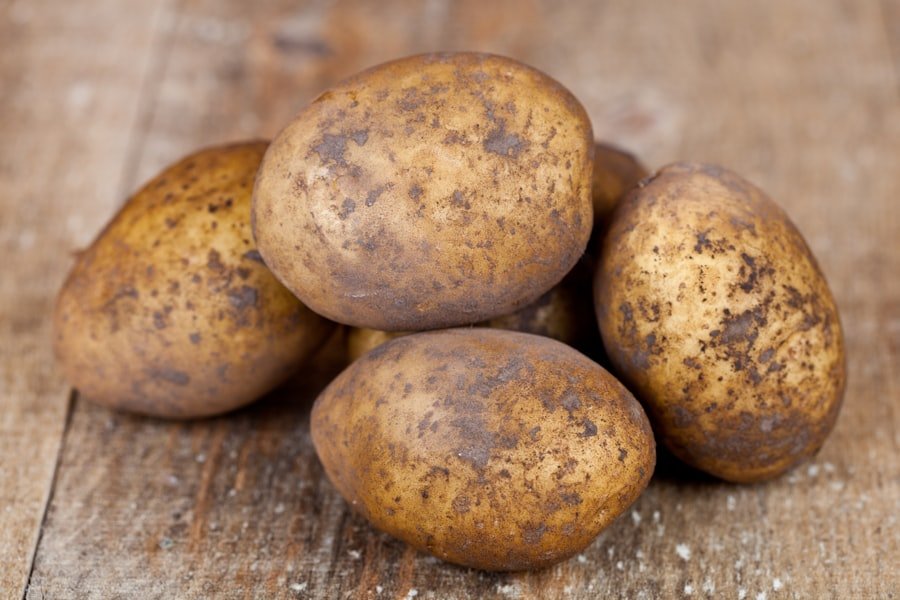
The planting process for potatoes in containers is straightforward yet requires attention to detail to ensure optimal growth. Begin by filling your chosen container with the prepared soil mix, leaving about 4-6 inches of space at the top. Next, select seed potatoes that are firm and free from blemishes or signs of disease.
If using larger seed potatoes, consider cutting them into smaller pieces, ensuring each piece has at least one “eye” or sprout. Once your seed potatoes are ready, place them on top of the soil in the container, spacing them about 12 inches apart if planting multiple pieces. Cover them with an additional 4-6 inches of soil mix, ensuring they are well buried but not too deep to hinder sprouting.
Water thoroughly after planting to settle the soil around the seed potatoes and initiate the germination process. As shoots begin to emerge from the soil, you may need to add more soil to encourage healthy growth—a technique known as “hilling.”
Caring for Potatoes in Containers
Caring for container-grown potatoes involves regular monitoring and maintenance to ensure healthy plant development. One key aspect is providing adequate sunlight; potatoes require at least six hours of direct sunlight each day for optimal growth. If your container is placed in a shaded area, consider relocating it to a sunnier spot or using reflective materials to enhance light exposure.
In addition to sunlight, regular inspections for pests and diseases are essential components of potato care. Container-grown plants can still fall victim to common pests such as aphids or Colorado potato beetles. Handpicking pests or using organic insecticidal soap can help manage infestations without resorting to harsh chemicals.
Furthermore, maintaining good air circulation around your plants can reduce the risk of fungal diseases that thrive in humid conditions.
Watering and Fertilizing Potatoes in Containers
Watering practices play a crucial role in the health of container-grown potatoes.
The soil should be kept evenly moist but not soggy; overwatering can lead to root rot while underwatering can stunt growth and reduce yields.
Fertilization is another important aspect of potato care in containers. As mentioned earlier, incorporating slow-release fertilizers during soil preparation provides initial nutrients; however, additional feeding may be necessary as plants mature. A balanced liquid fertilizer applied every few weeks can help sustain healthy growth throughout the season.
Monitoring plant health will guide your fertilization schedule; yellowing leaves may indicate nutrient deficiencies that require immediate attention.
Dealing with Pests and Diseases in Container-Grown Potatoes
Despite their advantages, container-grown potatoes are not immune to pests and diseases that can threaten their health and productivity. Common pests include aphids, spider mites, and beetles that feed on foliage or tubers. Regularly inspecting plants for signs of infestation is crucial; early detection allows for prompt intervention before populations escalate.
In terms of diseases, fungal infections such as blight can pose significant risks to potato crops. To mitigate these threats, practicing good hygiene by removing any diseased foliage promptly is essential. Additionally, rotating crops between different containers each season can help prevent disease buildup in the soil.
Utilizing organic treatments like neem oil or diatomaceous earth can also provide effective pest control without harming beneficial insects.
Harvesting Potatoes from Containers
Harvesting potatoes from containers is one of the most rewarding aspects of this gardening method. The timing of harvest depends on whether you prefer new potatoes or fully mature tubers. New potatoes are typically ready about two to three weeks after flowering begins; they will be smaller but tender and flavorful.
For mature potatoes, wait until the foliage has died back completely before harvesting. To harvest, simply tip over the container onto a clean surface or gently dig through the soil with your hands to retrieve the tubers without damaging them. It’s advisable to do this on a dry day to minimize moisture exposure during handling.
After harvesting, allow any remaining soil on the tubers to dry before storing them in a cool, dark place to prolong shelf life.
Tips for Success with Container-Grown Potatoes
To maximize success with container-grown potatoes, several best practices should be followed throughout the growing season. First and foremost is selecting high-quality seed potatoes from reputable sources; this reduces the risk of introducing diseases into your garden. Additionally, maintaining consistent watering schedules while avoiding waterlogged conditions will promote healthy root systems.
Another tip is to experiment with different varieties and planting times throughout the growing season; staggered planting can yield multiple harvests from spring through fall. Finally, keeping detailed records of your planting dates, varieties used, and care practices will help refine your approach over time and lead to even greater success in future seasons. By embracing these strategies and understanding the unique requirements of container-grown potatoes, gardeners can enjoy a fruitful harvest even in limited spaces.
FAQs
What are container-grown potatoes?
Container-grown potatoes are potatoes that are grown in containers such as pots, bags, or barrels instead of in the ground. This method is popular for gardeners with limited space or poor soil conditions.
What type of container is best for growing potatoes?
Containers for growing potatoes should be at least 16 inches deep and have drainage holes to prevent waterlogging. Options include large pots, fabric grow bags, or even repurposed barrels.
How do you plant potatoes in a container?
To plant potatoes in a container, start by filling the container with a few inches of soil. Place seed potatoes on top of the soil and cover with a few more inches of soil. As the plants grow, continue to add soil to cover the stems, leaving a few inches of foliage above the soil.
What are the best varieties of potatoes for container growing?
Some popular varieties of potatoes for container growing include Yukon Gold, Red Pontiac, and Kennebec. These varieties are known for their high yields and adaptability to container growing.
How do you care for container-grown potatoes?
Container-grown potatoes require regular watering to keep the soil consistently moist. They also benefit from regular fertilization and should be protected from pests and diseases.
When and how do you harvest potatoes from containers?
Potatoes can be harvested from containers once the plants have flowered and the foliage begins to yellow and die back. Carefully dig through the soil to harvest the potatoes, being careful not to damage the tubers.