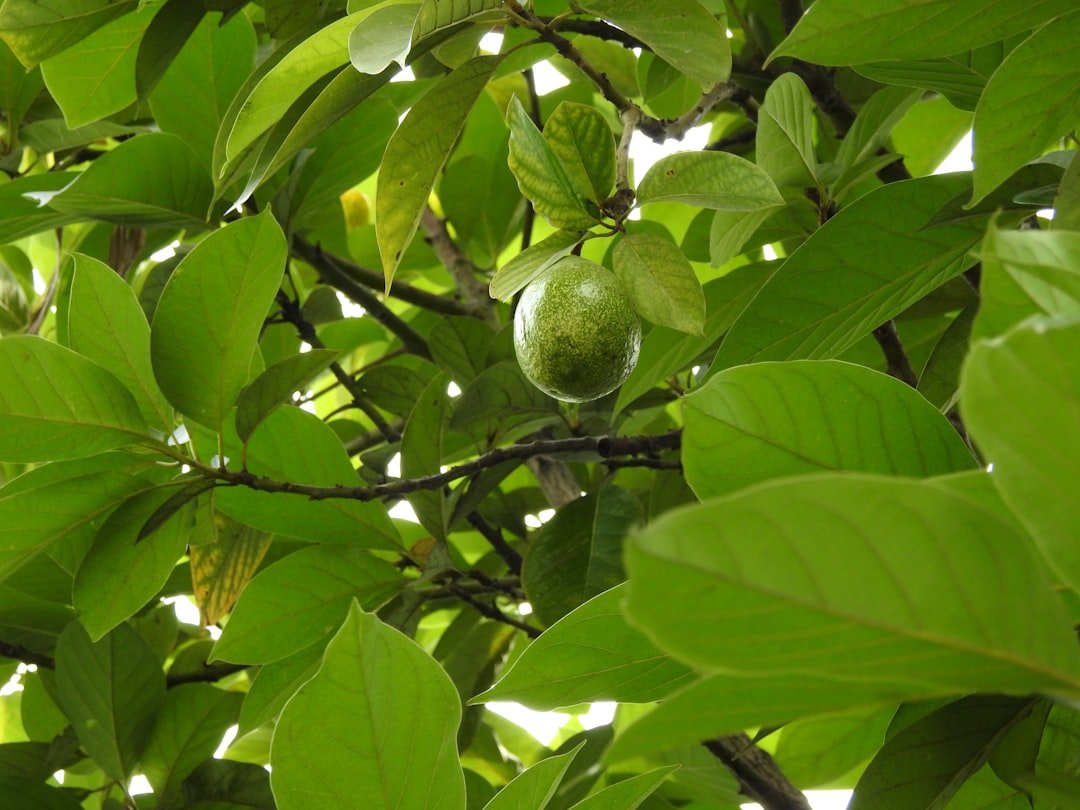
White guava, scientifically known as Psidium guajava, is a tropical fruit that has captured the hearts and palates of many around the world. This fruit is characterized by its smooth, pale green to yellow skin and its creamy white flesh, which is dotted with tiny edible seeds. The flavor profile of white guava is a delightful blend of sweetness and tartness, making it a versatile ingredient in various culinary applications.
Its aromatic scent and juicy texture contribute to its popularity, not only as a fresh snack but also as a key component in numerous dishes and beverages. Originating from Central America, white guava has spread to tropical and subtropical regions globally, thriving in warm climates. The fruit is not only enjoyed for its taste but also revered for its nutritional value and health benefits.
Rich in vitamins, minerals, and antioxidants, white guava is a powerhouse of nutrition that can enhance overall well-being. As we delve deeper into the history, benefits, and uses of this remarkable fruit, it becomes evident why white guava deserves a prominent place in both our diets and our cultural practices.
Key Takeaways
- White guava is a tropical fruit known for its sweet and fragrant flavor, and it is packed with nutrients and health benefits.
- The history of white guava dates back to ancient times, and it has been enjoyed for its taste and medicinal properties.
- White guava is rich in vitamin C, fiber, and antioxidants, making it beneficial for boosting immunity and improving digestion.
- When selecting white guava, look for fruits that are firm and free of blemishes, and store them at room temperature until ripe, then refrigerate.
- White guava can be enjoyed fresh, in smoothies, salads, desserts, and even used in beauty and skincare products, showcasing its versatility and deliciousness.
The History of White Guava
The history of white guava is as rich and diverse as the regions it inhabits. Native to the tropical regions of Central America, particularly Mexico and the Caribbean, this fruit has been cultivated for centuries. Archaeological evidence suggests that guava was domesticated by indigenous peoples long before the arrival of European colonizers.
The fruit was not only a staple food source but also held cultural significance in various rituals and traditions. As explorers ventured into the New World, they encountered this exotic fruit and subsequently introduced it to other parts of the world. By the 17th century, white guava had made its way to Asia, particularly India and Southeast Asia, where it quickly adapted to local growing conditions.
The fruit became an integral part of local diets and agricultural practices. In India, for instance, guava is often referred to as “amrood” and is celebrated for its health benefits and culinary versatility. The spread of white guava continued throughout the 19th and 20th centuries, reaching Africa and other tropical regions.
Today, it is cultivated in countries such as Brazil, Thailand, and the Philippines, each adding its unique twist to the cultivation and consumption of this beloved fruit.
The Health Benefits of White Guava
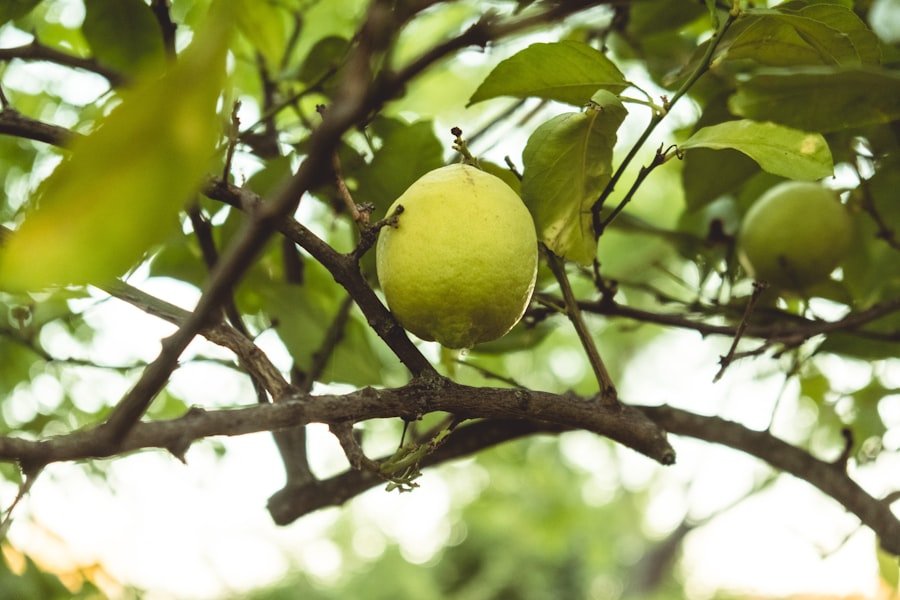
White guava is not just a delicious treat; it is also a nutritional powerhouse that offers numerous health benefits. One of the most notable aspects of white guava is its high vitamin C content. A single serving can provide more than double the daily recommended intake of this essential vitamin, which plays a crucial role in boosting the immune system, promoting skin health, and aiding in the absorption of iron from plant-based foods.
Additionally, vitamin C acts as a potent antioxidant, helping to combat oxidative stress and reduce inflammation in the body. Beyond vitamin C, white guava is rich in dietary fiber, which is essential for maintaining digestive health. Fiber aids in regular bowel movements and can help prevent constipation.
Furthermore, it contributes to a feeling of fullness, making it an excellent choice for those looking to manage their weight. The presence of dietary fiber also supports heart health by helping to lower cholesterol levels and regulate blood sugar levels. Moreover, white guava contains various phytonutrients, including carotenoids and polyphenols, which have been linked to reduced risks of chronic diseases such as heart disease and certain types of cancer.
How to Select and Store White Guava
| Aspect | Guidelines |
|---|---|
| Selection | Choose white guavas that are firm, without any soft spots or blemishes. |
| Ripeness | Look for white guavas that give slightly to pressure, indicating ripeness. |
| Color | Opt for white guavas with a pale yellow or greenish skin, avoiding those with a brownish tinge. |
| Storage | Store white guavas at room temperature until ripe, then refrigerate to prolong freshness. |
| Shelf Life | White guavas can be stored in the refrigerator for up to 4 days. |
Selecting the perfect white guava requires a keen eye for ripeness and quality. When shopping for this fruit, look for specimens that are slightly soft to the touch but not overly mushy. The skin should be smooth and free from blemishes or dark spots, indicating freshness.
A ripe white guava will emit a sweet aroma, signaling that it is ready to be enjoyed. If you come across guavas that are still firm, you can allow them to ripen at room temperature for a few days until they reach the desired softness. Once you have selected your white guavas, proper storage is essential to maintain their freshness.
If you plan to consume them within a few days, simply keep them at room temperature away from direct sunlight. However, if you want to extend their shelf life, refrigeration is recommended. Place the ripe guavas in a perforated plastic bag or a container with ventilation holes to prevent moisture buildup while allowing air circulation.
Stored this way, white guavas can last up to a week in the refrigerator. For longer storage options, consider freezing the fruit after peeling and slicing it; frozen guavas can be used later in smoothies or desserts.
Different Ways to Enjoy White Guava
The versatility of white guava makes it an exciting addition to various culinary creations. One of the simplest ways to enjoy this fruit is by eating it fresh. Simply wash the fruit thoroughly, slice it open, and savor its juicy flesh along with its tiny seeds.
The refreshing taste makes it an ideal snack on hot summer days or as part of a healthy breakfast. In addition to being eaten raw, white guava can be incorporated into salads for an added burst of flavor.
Furthermore, white guava can be used in desserts such as tarts or puddings, where its natural sweetness shines through when paired with complementary flavors like coconut or lime.
White Guava in Culinary Delights
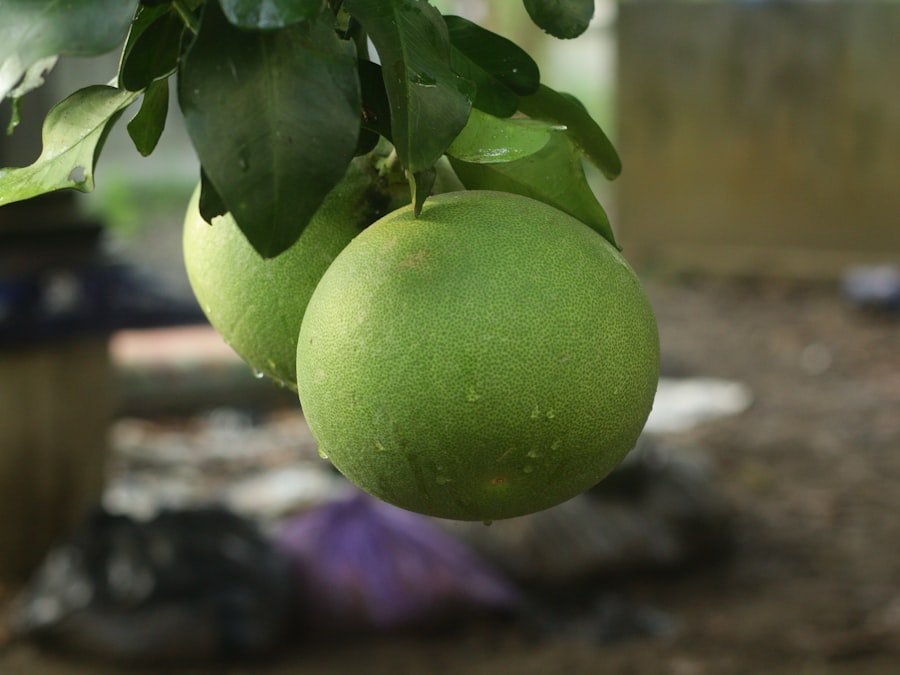
White guava’s unique flavor profile lends itself well to various culinary delights beyond simple snacking. In many cultures, this fruit is transformed into jams and jellies that capture its essence in a spreadable form. The process typically involves cooking down the fruit with sugar and pectin until it reaches a thick consistency.
These spreads can be enjoyed on toast or used as fillings for pastries. Moreover, white guava can be used in savory dishes as well. In some Latin American cuisines, it is incorporated into salsas or chutneys that accompany grilled meats or fish.
The sweet-tart flavor of white guava complements spicy elements beautifully, creating a harmonious balance on the palate. Additionally, it can be blended into sauces or marinades that enhance the overall flavor profile of various dishes.
White Guava in Beverages
The refreshing nature of white guava makes it an excellent ingredient for beverages. One popular way to enjoy this fruit is by juicing it. Freshly squeezed white guava juice captures the essence of the fruit while providing a nutritious drink option that is rich in vitamins and minerals.
This juice can be enjoyed on its own or mixed with other tropical fruits like pineapple or mango for a vibrant smoothie. In addition to juices, white guava can be used to create cocktails that showcase its unique flavor. Bartenders often incorporate white guava puree into tropical cocktails or mocktails, adding an exotic twist to classic recipes.
For instance, blending white guava with rum or vodka creates a refreshing drink perfect for summer gatherings or beach parties.
White Guava in Beauty and Skincare
Beyond its culinary uses, white guava has found its way into beauty and skincare products due to its rich nutrient profile. The high vitamin C content makes it an excellent ingredient for brightening skin tone and promoting collagen production. Many skincare brands have started incorporating white guava extract into their formulations for serums and creams aimed at reducing signs of aging.
Additionally, the antioxidants present in white guava help protect the skin from environmental stressors such as pollution and UV rays. Face masks made from pureed white guava can provide hydration while delivering essential nutrients directly to the skin. This natural approach to skincare aligns with the growing trend towards using plant-based ingredients in beauty routines.
White Guava in Traditional Medicine
In various cultures around the world, white guava has been utilized in traditional medicine for its therapeutic properties. In Ayurvedic practices, for instance, different parts of the guava plant—such as leaves and bark—are used to treat ailments ranging from digestive issues to respiratory problems. Guava leaves are often brewed into teas believed to have anti-inflammatory effects and aid digestion.
Similarly, traditional Chinese medicine recognizes the benefits of white guava for promoting overall health. The fruit is thought to possess cooling properties that can help alleviate symptoms associated with heat-related conditions such as fever or inflammation. These traditional uses highlight the deep-rooted connection between food and medicine in many cultures.
White Guava in Tropical Agriculture
The cultivation of white guava plays a significant role in tropical agriculture due to its adaptability and economic potential. Farmers across tropical regions have embraced this fruit as a viable cash crop due to its relatively low maintenance requirements compared to other fruits. White guava trees thrive in well-drained soils with ample sunlight and can produce fruit within two years of planting.
Moreover, the demand for white guava has been steadily increasing both locally and internationally due to its health benefits and culinary versatility. This growing market has encouraged farmers to adopt sustainable agricultural practices that promote soil health while minimizing environmental impact. As consumers become more aware of the nutritional value of tropical fruits like white guava, there is potential for further growth in this sector.
Embracing the Tropical Delight of White Guava
White guava stands out not only for its delightful taste but also for its myriad health benefits and cultural significance across different regions. From its historical roots in Central America to its modern-day applications in culinary arts and skincare products, this tropical fruit continues to enchant people worldwide.
Incorporating white guava into our diets not only enhances our meals but also connects us with diverse cultural practices that celebrate this remarkable fruit’s legacy. As we continue to discover new ways to utilize white guava—from beverages to beauty products—we honor its journey through history while enjoying all that it has to offer today.
FAQs
What is a tropical white guava?
Tropical white guava is a type of guava fruit that is known for its sweet and aromatic flavor. It is a tropical fruit that is commonly found in regions with warm climates.
What does a tropical white guava look like?
The tropical white guava is typically round or oval in shape with a greenish-yellow skin when ripe. The flesh inside is usually white or pale yellow with small seeds at the center.
How does a tropical white guava taste?
Tropical white guava has a sweet and fragrant flavor with a hint of tartness. The texture of the flesh is smooth and creamy, making it a popular choice for eating fresh or using in various culinary applications.
Where is tropical white guava grown?
Tropical white guava is grown in tropical and subtropical regions around the world, including countries like India, Mexico, Brazil, and the Philippines. It thrives in warm climates with well-drained soil and plenty of sunlight.
How is tropical white guava used?
Tropical white guava can be eaten fresh, juiced, or used in a variety of culinary dishes such as desserts, jams, and sauces. It is also a popular ingredient in smoothies and cocktails.
Is tropical white guava nutritious?
Yes, tropical white guava is a nutritious fruit that is high in vitamin C, fiber, and antioxidants. It is also low in calories and contains small amounts of other essential nutrients like vitamin A, potassium, and magnesium.