Selecting the appropriate variety of fruit or vegetable is a critical first step in successful gardening. The choice often hinges on several factors, including climate, soil type, and personal preference. For instance, if you live in a region with a short growing season, opting for early-maturing varieties can be advantageous.
For example, in cooler climates, varieties like ‘Early Girl’ tomatoes or ‘Sugar Snap’ peas are known for their quick maturation and can yield a harvest before the first frost. Conversely, in warmer areas, heat-tolerant varieties such as ‘Heatwave’ tomatoes or ‘Cascadia’ snap peas thrive and produce abundantly. Additionally, consider the specific characteristics of the varieties you choose.
Some plants are bred for disease resistance, while others may be selected for their flavor or size. Heirloom varieties often offer unique tastes and colors but may require more care and attention than hybrid varieties. For example, heirloom tomatoes like ‘Brandywine’ are celebrated for their rich flavor but can be more susceptible to diseases compared to hybrids like ‘Celebrity.’ Understanding these nuances can help you make informed decisions that align with your gardening goals.
Key Takeaways
- Choose the right variety of plants based on your climate and soil conditions to ensure a successful harvest
- Prepare the soil by removing weeds, adding organic matter, and testing the pH level to create an optimal growing environment
- Use proper planting techniques such as spacing the plants correctly and planting at the right depth to promote healthy growth
- Water and fertilize your plants regularly to ensure they receive the nutrients and moisture they need to thrive
- Use mulch to retain moisture in the soil and prevent weed growth, leading to healthier plants and better yields
Preparing the Soil
Soil preparation is foundational to successful gardening, as it directly influences plant health and productivity. The first step in this process is to conduct a soil test, which provides valuable information about pH levels and nutrient content. Most vegetables prefer a slightly acidic to neutral pH (around 6.0 to 7.0), while some fruits may thrive in slightly different conditions.
Based on the results of your soil test, you can amend your soil with lime to raise pH or sulfur to lower it, ensuring optimal conditions for your chosen plants. Once the pH is adjusted, the next step is to enrich the soil with organic matter. This can be achieved by incorporating well-rotted compost or aged manure into the top layer of soil.
Organic matter not only improves soil structure but also enhances its ability to retain moisture and nutrients. For instance, adding compost increases microbial activity, which is essential for breaking down organic materials and making nutrients available to plants. Additionally, tilling the soil to a depth of at least 12 inches helps aerate it and allows roots to penetrate more easily, promoting healthier growth.
Planting Techniques
The method of planting can significantly impact the success of your garden. Direct sowing seeds into the ground is a common technique for many crops, but it requires careful attention to timing and soil conditions. For example, crops like carrots and radishes thrive when sown directly into well-prepared soil in early spring.
However, some plants benefit from starting indoors or using seed trays, particularly those with longer growing seasons or those sensitive to frost. Starting seeds indoors allows for an earlier start and can lead to stronger plants when transplanted outside. Transplanting seedlings requires specific techniques to minimize shock and promote healthy growth. When moving seedlings from pots to the garden, it’s essential to handle them gently by their leaves rather than the stem to avoid damage. Digging a hole that is slightly larger than the root ball ensures that roots have room to spread out.
After placing the seedling in the hole, backfill with soil and water thoroughly to eliminate air pockets. This careful approach helps establish a strong foundation for the plant as it grows.
Watering and Fertilizing
| Plant | Watering Frequency | Fertilizing Schedule |
|---|---|---|
| Rose | Twice a week | Every 4 weeks |
| Tomato | Every other day | Every 2 weeks |
| Lavender | Once a week | Every 6 weeks |
Watering is a critical aspect of plant care that requires a balance between providing enough moisture and avoiding overwatering. Most plants prefer deep watering sessions that encourage roots to grow downwards in search of moisture rather than frequent shallow watering that keeps roots near the surface. A general rule of thumb is to provide about an inch of water per week, either through rainfall or irrigation.
However, factors such as plant type, soil composition, and weather conditions can influence these needs.
Fertilizing is equally important for ensuring that plants receive essential nutrients throughout their growth cycle.
The choice of fertilizer—whether organic or synthetic—depends on personal preference and gardening philosophy. Organic options like fish emulsion or bone meal release nutrients slowly and improve soil health over time. In contrast, synthetic fertilizers provide immediate nutrient availability but may lead to nutrient leaching if not applied correctly.
Understanding the nutrient requirements of specific plants can guide your fertilization strategy; for example, leafy greens often benefit from higher nitrogen levels, while fruiting plants like tomatoes require more phosphorus and potassium.
Mulching for Moisture Retention
Mulching serves multiple purposes in the garden, with moisture retention being one of its most significant benefits. A layer of organic mulch—such as straw, wood chips, or shredded leaves—helps reduce evaporation from the soil surface, keeping it moist for longer periods. This is particularly beneficial during hot summer months when water loss can be rapid.
Additionally, mulch acts as an insulating layer that moderates soil temperature fluctuations, creating a more stable environment for plant roots. Beyond moisture retention, mulch also suppresses weed growth by blocking sunlight from reaching weed seeds in the soil. This reduces competition for nutrients and water between your plants and unwanted weeds.
Furthermore, as organic mulch breaks down over time, it contributes valuable nutrients back into the soil, enhancing its fertility. For instance, using grass clippings as mulch not only retains moisture but also adds nitrogen as they decompose, benefiting nearby plants.
Pruning for Better Yield
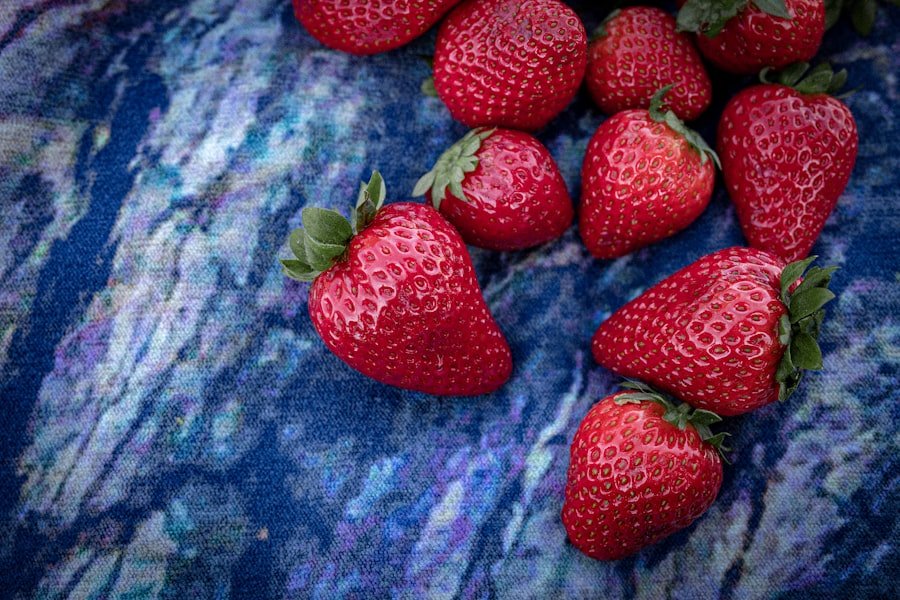
Pruning is an essential practice that can significantly enhance plant health and yield when done correctly. For many fruit-bearing plants like tomatoes and peppers, removing suckers—small shoots that grow in the leaf axils—can redirect energy towards fruit production rather than foliage growth. This practice not only improves air circulation around the plant but also allows sunlight to reach more parts of the plant, promoting even ripening of fruits.
In addition to improving yields, pruning can help manage plant size and shape, making harvesting easier and reducing disease risk by improving airflow. For example, grapevines benefit from strategic pruning that encourages strong growth while maintaining an open canopy structure. Similarly, fruit trees require careful pruning to remove dead or diseased branches and shape the tree for optimal sunlight exposure.
Understanding the specific pruning needs of each plant type is crucial; improper pruning can lead to reduced yields or even plant stress.
Pest and Disease Management
Effective pest and disease management is vital for maintaining a healthy garden ecosystem. Integrated Pest Management (IPM) strategies combine cultural practices, biological controls, and chemical methods when necessary to minimize pest damage while protecting beneficial organisms. Regular monitoring of plants for signs of pests—such as aphids or caterpillars—allows gardeners to take action before infestations become severe.
For instance, introducing beneficial insects like ladybugs can help control aphid populations naturally. Cultural practices also play a significant role in disease prevention. Crop rotation is one effective method; by changing the location of specific crops each year, you can disrupt pest life cycles and reduce disease incidence associated with particular plants.
Additionally, ensuring proper spacing between plants improves airflow and reduces humidity levels around foliage, which can help prevent fungal diseases like powdery mildew or blight.
Protecting from Birds and Squirrels
Birds and squirrels can pose significant challenges for gardeners looking to protect their harvests. These creatures are often attracted to ripe fruits and vegetables, leading to potential losses if not managed effectively. One common method of deterring birds is using reflective materials such as aluminum foil strips or old CDs hung around the garden; these create movement and light reflections that scare birds away without causing harm.
For squirrels, physical barriers can be particularly effective. Installing mesh netting around vulnerable crops or using row covers can prevent these critters from accessing your plants while still allowing sunlight and rain through. Additionally, planting sacrificial crops—such as sunflowers or corn—away from your main garden can divert squirrels’ attention away from your prized vegetables and fruits.
Harvesting at the Right Time
Timing is crucial when it comes to harvesting fruits and vegetables; picking them at their peak ripeness ensures optimal flavor and nutritional value. Each crop has its own indicators of readiness; for example, tomatoes should be harvested when they are fully colored but still firm to the touch, while cucumbers are best picked when they are still small and tender before they begin to turn yellow or develop seeds. Understanding these signs not only enhances your culinary experience but also encourages continued production from your plants.
Many crops will produce more fruit if harvested regularly; for instance, regularly picking beans encourages the plant to produce more pods throughout the growing season. Conversely, leaving fruits on the vine too long can lead to overripening or attract pests.
Storing and Preserving
Once harvested, proper storage techniques are essential for maintaining freshness and extending shelf life.
Preserving excess harvest through methods such as canning, freezing, or drying allows gardeners to enjoy their bounty long after the growing season has ended.
Canning involves sealing food in jars under high heat to kill bacteria and enzymes that cause spoilage; this method works well for tomatoes and pickles. Freezing is another popular option that retains flavor and nutrients; blanching vegetables before freezing helps preserve color and texture by stopping enzyme action.
Troubleshooting Common Issues
Even with careful planning and execution, gardeners may encounter various challenges throughout the growing season. Identifying common issues early on is key to effective resolution. For instance, yellowing leaves may indicate nutrient deficiencies or overwatering; assessing soil moisture levels can help determine if adjustments are needed in watering practices or fertilization.
Pest infestations often require immediate attention; recognizing signs such as chewed leaves or webbing can prompt timely intervention before damage escalates. Implementing preventive measures—such as companion planting or using organic pesticides—can mitigate future problems while maintaining a healthy garden ecosystem. By staying vigilant and informed about potential issues, gardeners can cultivate thriving gardens year after year.
FAQs
What is a strawberry Ozark Beauty?
The strawberry Ozark Beauty is a popular variety of strawberry known for its large, sweet, and flavorful berries. It is a June-bearing type of strawberry, meaning it produces a single large crop of fruit in late spring to early summer.
How do you grow strawberry Ozark Beauty?
Strawberry Ozark Beauty plants prefer well-drained, fertile soil and full sun. They should be planted in early spring and spaced about 12-18 inches apart. Regular watering and mulching are important for healthy plant growth.
How do you care for strawberry Ozark Beauty plants?
To care for strawberry Ozark Beauty plants, it is important to regularly water them, especially during dry periods. Mulching around the plants can help retain moisture and suppress weeds. Additionally, it is recommended to fertilize the plants in early spring and after the fruit has been harvested.
When is the best time to harvest strawberry Ozark Beauty?
The best time to harvest strawberry Ozark Beauty is when the berries are fully red and ripe. This typically occurs in late spring to early summer, depending on the local climate. It is important to pick the berries carefully to avoid damaging the plants.
What are some common pests and diseases that affect strawberry Ozark Beauty plants?
Common pests that can affect strawberry Ozark Beauty plants include aphids, spider mites, and slugs. Diseases such as powdery mildew, gray mold, and root rot can also impact the plants. Proper care, including regular inspection and appropriate pest and disease management, can help prevent and address these issues.