Chinese long beans, also known as yard-long beans or asparagus beans, belong to the Vigna unguiculata species. This legume is a staple in many Asian cuisines, particularly in China, where it is celebrated for its unique texture and flavor. Unlike traditional green beans, which are typically harvested when young and tender, Chinese long beans can grow to impressive lengths, often reaching up to 36 inches.
Their elongated shape and crisp texture make them a popular choice for stir-fries, salads, and various other dishes. The plant itself is a vigorous climber, often requiring support as it grows. It thrives in warm climates and is sensitive to frost, making it an ideal crop for regions with long growing seasons.
The leaves of the Chinese long bean plant are broad and lush, providing ample shade for the developing pods. The flowers are small and typically white or purple, eventually giving way to the long, slender pods that are the hallmark of this vegetable. Understanding the growth habits and requirements of Chinese long beans is essential for successful cultivation.
Key Takeaways
- Chinese long beans are a type of legume that are also known as yard-long beans or asparagus beans.
- When selecting seeds for Chinese long beans, it is important to choose varieties that are suitable for your climate and growing conditions.
- Factors to consider when choosing seeds include disease resistance, yield potential, and the length and color of the beans.
- To prepare the soil for planting Chinese long beans, it is important to ensure that the soil is well-drained and rich in organic matter.
- Planting Chinese long beans involves sowing the seeds directly into the soil and providing support for the plants as they grow.
Selecting the Right Seeds for Chinese Long Beans
When embarking on the journey of growing Chinese long beans, selecting the right seeds is a critical first step. There are several varieties available, each with its own unique characteristics. Some popular varieties include ‘Red Noodle,’ which features striking red pods, and ‘Green Noodle,’ known for its vibrant green color and tender texture.
The choice of variety can influence not only the aesthetic appeal of your harvest but also the flavor profile and culinary applications of the beans. In addition to variety, it is essential to consider the source of your seeds. Purchasing from reputable seed companies or local nurseries ensures that you receive high-quality seeds that are free from diseases and pests.
Organic seeds are also an excellent option for those looking to cultivate their beans without synthetic pesticides or fertilizers. Furthermore, checking for seed viability is crucial; seeds that have been stored improperly may have reduced germination rates. By selecting the right seeds, you lay a solid foundation for a successful growing season.
Factors to Consider When Choosing Seeds
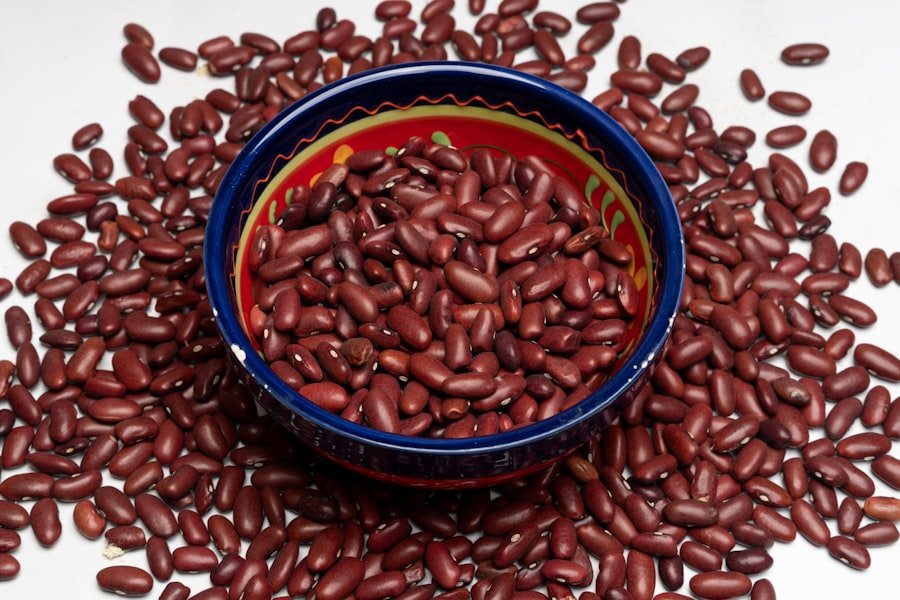
Several factors come into play when choosing seeds for Chinese long beans beyond just variety and source. One important consideration is the climate in which you will be growing them. Chinese long beans thrive in warm temperatures, ideally between 70°F and 90°F (21°C to 32°C).
If you live in a cooler region, look for varieties that are known to mature quickly or can tolerate slightly lower temperatures. Another factor to consider is the intended use of the beans. If you plan to use them fresh in salads or stir-fries, select varieties known for their tenderness and flavor.
Conversely, if you intend to use them for preservation or cooking in stews, you might prioritize varieties that hold up well during cooking. Additionally, consider your available space; some varieties may require more room to grow than others due to their climbing nature. By taking these factors into account, you can make an informed decision that aligns with your gardening goals.
How to Prepare the Soil for Planting
| Soil Preparation Step | Description |
|---|---|
| Clear the area | Remove any weeds, rocks, or debris from the planting area. |
| Loosen the soil | Use a shovel or garden fork to loosen the soil to a depth of 12-18 inches. |
| Amend the soil | Add organic matter such as compost or aged manure to improve soil structure and fertility. |
| Test the soil | Use a soil test kit to determine the pH and nutrient levels of the soil. |
| Adjust soil pH | If necessary, add lime to raise the pH or sulfur to lower the pH to the appropriate level for the plants being grown. |
| Level the soil | Rake the soil to create a smooth, level surface for planting. |
Preparing the soil for planting Chinese long beans is a vital step that significantly impacts their growth and yield. Start by selecting a location that receives full sun for at least six hours a day, as this will promote healthy growth and pod development. The soil should be well-draining and rich in organic matter; sandy loam or loamy soil is ideal.
Conducting a soil test can provide valuable insights into pH levels and nutrient content, allowing you to amend the soil accordingly. To prepare the soil, begin by clearing any debris or weeds from the planting area.
Incorporate organic matter such as compost or well-rotted manure to enhance soil fertility and improve drainage. Aim for a pH level between 6.0 and 7.0 for optimal growth.
Planting Chinese Long Beans: Step-by-Step Guide
Planting Chinese long beans involves several key steps that ensure successful germination and growth. Begin by waiting until all danger of frost has passed, as these plants are sensitive to cold temperatures. Once conditions are favorable, create rows spaced about 3 feet apart to allow ample room for growth and airflow.
Plant seeds approximately 1 inch deep and 4 to 6 inches apart within the rows. After planting, gently water the area to settle the soil around the seeds without washing them away. It’s advisable to cover the planting area with a light mulch to retain moisture and suppress weeds as they begin to germinate.
Keep an eye on the weather; if conditions are particularly dry, additional watering may be necessary during this initial germination phase. As seedlings emerge, thin them out if necessary to ensure adequate spacing for healthy growth.
Caring for Chinese Long Bean Plants
Caring for Chinese long bean plants involves regular monitoring and maintenance throughout their growing season. As these plants are vigorous climbers, providing adequate support is crucial for their development. Installing trellises or stakes early on will encourage upward growth and help prevent diseases associated with overcrowding and poor air circulation.
Ensure that the support structures are sturdy enough to handle the weight of mature plants laden with pods. In addition to structural support, regular inspections of the plants are essential for identifying any signs of stress or disease early on. Look for yellowing leaves or stunted growth, which may indicate nutrient deficiencies or pest infestations.
Pruning any dead or damaged leaves can also promote better airflow around the plants, reducing the risk of fungal diseases. By staying attentive to your plants’ needs, you can foster a healthy growing environment that maximizes yield.
Watering and Fertilizing Chinese Long Beans
Watering practices play a pivotal role in the health of Chinese long bean plants. These legumes prefer consistent moisture but are susceptible to root rot if overwatered. A general rule of thumb is to provide about 1 inch of water per week, either through rainfall or supplemental irrigation.
During particularly hot spells or dry periods, you may need to increase watering frequency while ensuring that water penetrates deeply into the soil. Fertilization is another critical aspect of care for Chinese long beans. While they can thrive in moderately fertile soil due to their nitrogen-fixing capabilities as legumes, additional nutrients can enhance growth and pod production.
A balanced fertilizer with equal parts nitrogen, phosphorus, and potassium can be applied at planting time and again when plants begin flowering. Organic options such as compost tea or fish emulsion can also provide essential nutrients without risking chemical buildup in the soil.
Dealing with Pests and Diseases
Like any crop, Chinese long beans are susceptible to various pests and diseases that can hinder their growth and productivity. Common pests include aphids, spider mites, and bean beetles, which can damage leaves and pods if left unchecked. Regularly inspecting your plants for signs of infestation is crucial; early detection allows for more effective management strategies such as introducing beneficial insects like ladybugs or using insecticidal soap.
Diseases such as powdery mildew and root rot can also pose significant threats to your crop. Powdery mildew thrives in humid conditions and can be mitigated by ensuring proper spacing between plants for airflow and avoiding overhead watering that keeps foliage wet. Root rot often results from overwatering; thus, maintaining well-draining soil is essential in preventing this issue.
Implementing crop rotation practices can further reduce disease incidence by disrupting pest life cycles.
Supporting Chinese Long Bean Plants
Providing adequate support for Chinese long bean plants is essential due to their climbing nature. As they grow taller, they require structures that allow them to reach their full potential while keeping their pods off the ground where they might be susceptible to pests or rot. Trellises made from wood or metal can be constructed in various forms—A-frame structures or vertical grids work particularly well.
When installing supports, do so at planting time or shortly after seedlings emerge to avoid disturbing their roots later on. As plants grow, gently guide them towards the trellis or support structure using soft ties or twine if necessary; this helps prevent breakage during windy conditions or heavy rainfalls. Regularly check that plants are securely attached as they grow taller; this proactive approach ensures that they remain upright throughout their growing season.
Harvesting Chinese Long Beans
Harvesting Chinese long beans requires careful timing to ensure optimal flavor and texture. The pods should be picked when they are young and tender—typically when they reach about 12-18 inches in length—before they begin to mature fully and develop hard seeds inside. Waiting too long can result in tough pods that are less desirable for culinary use.
To harvest, use sharp scissors or garden shears to cut the pods from the vine cleanly without damaging the plant itself. Regular harvesting encourages continued pod production; if left unpicked, plants may slow down their output as they focus energy on maturing existing pods rather than producing new ones. Aim to harvest every few days during peak production times for the best quality beans.
Storing and Using Chinese Long Beans
Once harvested, proper storage techniques will help maintain the freshness of Chinese long beans until they are ready for use. Ideally, they should be stored in a perforated plastic bag in the refrigerator’s crisper drawer where they can remain fresh for up to a week. Avoid washing them before storage; excess moisture can lead to spoilage.
In terms of culinary applications, Chinese long beans are incredibly versatile. They can be stir-fried with garlic and soy sauce for a quick side dish or added to soups and stews for added texture and nutrition. Their unique length makes them visually appealing when served whole in salads or as part of vegetable platters.
Additionally, they can be blanched and frozen for later use, allowing you to enjoy their flavor even out of season while preserving their nutritional value effectively. By understanding each aspect of growing Chinese long beans—from seed selection through harvesting—you can cultivate a bountiful crop that enhances your culinary repertoire while enjoying the satisfaction of home gardening.
FAQs
What are Chinese long beans seeds?
Chinese long beans seeds are the seeds of the Vigna unguiculata subsp. sesquipedalis plant, also known as the Chinese long bean or yardlong bean. These seeds are used for growing the long, slender, and slightly curved beans that are commonly used in Asian cuisine.
How do you plant Chinese long beans seeds?
Chinese long beans seeds should be planted in well-drained soil with full sun exposure. They should be sown directly into the ground or in containers, with a spacing of about 6 inches between seeds. The seeds should be planted 1 inch deep and kept moist until they germinate.
How long does it take for Chinese long beans to grow from seeds?
Chinese long beans typically take about 60-90 days to grow from seeds to harvest. The exact time may vary depending on growing conditions and climate.
Where can I buy Chinese long beans seeds?
Chinese long beans seeds can be purchased from garden centers, nurseries, or online seed retailers. They are often available in both traditional and organic varieties.
What are the ideal growing conditions for Chinese long beans?
Chinese long beans thrive in warm, tropical climates and require well-drained soil, full sun, and regular watering. They are sensitive to cold temperatures and should be protected from frost.
Are Chinese long beans easy to grow from seeds?
Chinese long beans are relatively easy to grow from seeds, as long as they are provided with the right growing conditions. They are a low-maintenance crop and can be grown in gardens or containers.