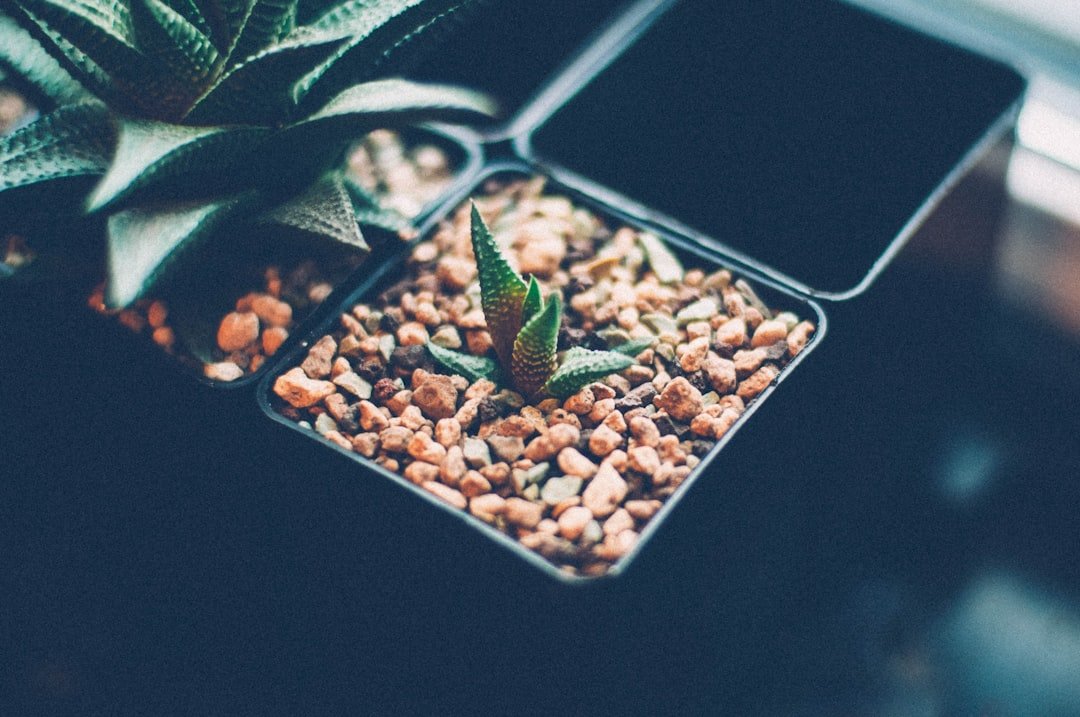
When embarking on the journey of growing potatoes, the first step is selecting an appropriate planter. The choice of planter can significantly influence the growth and yield of your potato crop. Various options are available, ranging from traditional garden beds to containers and grow bags.
Each type of planter has its own set of advantages and disadvantages, which should be carefully considered based on your available space, climate, and personal preferences. For those with limited space, containers can be an excellent choice. They come in various sizes and materials, including plastic, wood, and metal.
A container that is at least 12 inches deep is ideal for potatoes, as it allows for adequate root development. Additionally, using a container provides the advantage of mobility; you can move your plants to take advantage of sunlight or protect them from harsh weather conditions. On the other hand, traditional garden beds offer a more permanent solution and can accommodate larger quantities of potatoes.
Raised beds are particularly beneficial as they improve drainage and soil quality, which are crucial for healthy potato growth.
Key Takeaways
- Choose a planter with good drainage and sufficient space for potato growth
- Select potato varieties suited to your climate and desired taste and texture
- Prepare a well-draining potting mix with a balanced blend of nutrients
- Plant potatoes in the planter with eyes facing up and cover with soil
- Water regularly and fertilize as needed to support healthy potato growth
Selecting the Right Potato Variety
The selection of potato variety is a critical factor that can determine the success of your potato-growing endeavor.
Some popular categories include waxy potatoes, which hold their shape well when cooked, and starchy potatoes, which are ideal for mashing and frying.
In addition to culinary qualities, consider the growing season of each variety. Early-season potatoes mature quickly and can be harvested in as little as 60 days, making them ideal for regions with shorter growing seasons.
Mid-season varieties typically take around 70 to 90 days to mature, while late-season potatoes require more than 90 days. If you live in an area with a longer growing season, you might opt for late-season varieties that often yield larger tubers. Furthermore, local climate conditions can also influence your choice; some varieties are more resistant to diseases prevalent in certain regions or can thrive better in specific soil types.
Preparing the Potting Mix
The foundation of successful potato cultivation lies in the quality of the potting mix used. Potatoes thrive in loose, well-draining soil that is rich in organic matter. A suitable potting mix should ideally consist of a blend of high-quality compost, peat moss or coconut coir, and perlite or vermiculite to enhance aeration and drainage.
This combination not only provides essential nutrients but also ensures that the soil retains moisture without becoming waterlogged. Before planting, it is advisable to amend your potting mix with additional nutrients. Incorporating a balanced fertilizer or organic amendments such as bone meal or fish emulsion can provide the necessary nutrients for robust growth.
Testing the pH level of your soil is also beneficial; potatoes prefer slightly acidic conditions with a pH between 5.5 and 6.5. If your soil is too alkaline, adding sulfur can help lower the pH to a more suitable level. Properly preparing your potting mix sets the stage for healthy root development and ultimately leads to a bountiful harvest.
Planting the Potatoes
| Year | Number of Potatoes Planted | Average Size of Potatoes | Yield per Acre |
|---|---|---|---|
| 2018 | 10,000 | 2 inches | 8,000 lbs |
| 2019 | 12,000 | 2.5 inches | 9,600 lbs |
| 2020 | 15,000 | 3 inches | 12,000 lbs |
Once you have selected your planter and prepared the potting mix, it is time to plant your potatoes. The planting process begins with chitting, which involves allowing seed potatoes to sprout before planting them in the soil. This step can enhance yields by giving the plants a head start.
To chit potatoes, place them in a cool, light area for a few weeks until they develop short green shoots. When planting, ensure that you space the seed potatoes adequately to allow for proper growth. A general rule of thumb is to plant them about 12 inches apart and at a depth of 4 to 6 inches in the potting mix.
If you are using larger containers or raised beds, you may be able to plant them closer together. Cover the seed potatoes with soil and water them gently to settle the mix around them. It is essential to avoid compacting the soil too much, as this can hinder root expansion and water drainage.
Watering and Fertilizing
Watering is a crucial aspect of potato cultivation that requires careful attention throughout the growing season. Potatoes need consistent moisture to develop properly; however, overwatering can lead to rot and other diseases. The key is to maintain evenly moist soil without allowing it to become soggy.
A good practice is to check the top inch of soil; if it feels dry to the touch, it’s time to water. Fertilization should also be approached thoughtfully. While initial amendments to the potting mix provide a solid nutrient base, additional feeding may be necessary as the plants grow.
A balanced fertilizer with equal parts nitrogen, phosphorus, and potassium can support healthy foliage and tuber development. Applying fertilizer every four to six weeks during the growing season can help ensure that your plants receive adequate nutrients. Be cautious not to over-fertilize, as this can lead to excessive foliage growth at the expense of tuber formation.
Providing Adequate Sunlight
Choosing the Right Location
When selecting a spot for your potato planters or containers, make sure it receives ample sunlight throughout the day. Insufficient light can lead to weak and leggy plants with poor yields.
Maximizing Sun Exposure
If you’re growing potatoes in containers or raised beds, consider rotating their position throughout the growing season to maximize sun exposure. This is especially important if you live in an area with intense heat during summer months.
Monitoring for Signs of Inadequate Light
Keep an eye on your plants for signs of inadequate light, such as pale leaves or slow growth. If you notice any of these signs, make adjustments to ensure your potatoes receive the sunlight they need to thrive.
Monitoring for Pests and Diseases
As with any crop, potatoes are susceptible to various pests and diseases that can threaten their health and yield. Common pests include aphids, Colorado potato beetles, and wireworms, all of which can cause significant damage if left unchecked. Regularly inspecting your plants for signs of infestation is essential; look for discolored leaves or visible insects on stems and foliage.
In addition to pests, diseases such as blight and scab can also affect potato crops. Blight is particularly notorious for causing rapid damage during humid conditions; it manifests as dark spots on leaves and stems. To mitigate these risks, practice crop rotation by not planting potatoes in the same location year after year and ensuring good air circulation around your plants by spacing them appropriately.
Organic pest control methods such as introducing beneficial insects or using insecticidal soap can also be effective in managing pest populations without harming beneficial organisms.
Hilling the Potatoes
Hilling is a critical technique in potato cultivation that involves mounding soil around the base of potato plants as they grow. This practice serves multiple purposes: it encourages tuber development by burying them deeper in the soil where they are less likely to be exposed to sunlight (which can cause greening), improves drainage around the roots, and helps suppress weeds that compete for nutrients and moisture. Typically, hilling should begin when the potato plants reach about 6 inches in height.
Use a hoe or shovel to gently mound soil around the base of each plant without damaging the stems or leaves. Repeat this process every few weeks as the plants continue to grow; aim for a final hill height of about 8 inches above ground level by mid-summer. This technique not only promotes healthier tuber formation but also helps protect against potential pest infestations by creating a barrier around the base of each plant.
Harvesting the Potatoes
The time for harvesting potatoes depends largely on the variety planted and desired maturity level. Early-season varieties are typically ready for harvest about 60 days after planting when their foliage begins to yellow and die back. Mid- and late-season varieties may take longer but will yield larger tubers if allowed to mature fully before harvesting.
To harvest potatoes, gently dig around each plant using a spading fork or shovel, being careful not to puncture any tubers in the process. Once you have unearthed them, brush off excess soil without washing them until you are ready to store or use them; this helps preserve their natural protective skin layer. After harvesting, allow them to cure in a cool, dark place for a few days before moving them into storage; this process helps toughen their skins and prolongs shelf life.
Storing the Potatoes
Proper storage is essential for maintaining the quality and longevity of harvested potatoes. Ideally, they should be stored in a cool (around 45-50°F), dark place with good ventilation; basements or root cellars often serve as excellent storage locations. Avoid exposing harvested potatoes to direct sunlight or high temperatures, as this can lead to sprouting or spoilage.
It’s important to keep harvested potatoes away from other fruits and vegetables that emit ethylene gas—such as apples—since this gas can accelerate ripening and spoilage in potatoes. Regularly check stored potatoes for signs of rot or sprouting; any affected tubers should be removed immediately to prevent spreading decay to healthy ones. With proper care, stored potatoes can last several months into winter.
Troubleshooting Common Issues
Even with careful planning and execution, challenges may arise during potato cultivation that require troubleshooting skills. One common issue is poor tuber development due to insufficient watering or nutrient deficiencies; if plants appear healthy but produce small or few tubers, reassess your watering schedule and fertilization practices. Another frequent problem is greening of tubers caused by exposure to sunlight during growth; this not only affects flavor but also makes potatoes toxic if consumed in large quantities due to solanine production.
To prevent greening, ensure proper hilling techniques are followed throughout the growing season and consider using opaque containers if growing in pots. By understanding these common issues and their solutions, you can enhance your potato-growing experience and increase your chances of a successful harvest while enjoying homegrown produce throughout the year.
FAQs
What are the benefits of growing potatoes in planters?
Growing potatoes in planters allows for better control of soil quality, drainage, and sunlight exposure. It also saves space and makes it easier to harvest the potatoes.
What type of planters are best for growing potatoes?
Large, deep planters such as fabric grow bags or plastic containers with drainage holes are ideal for growing potatoes. These allow for proper root development and drainage.
What kind of soil should be used for growing potatoes in planters?
Potatoes thrive in well-draining, loose soil with a slightly acidic pH. A mix of potting soil, compost, and perlite or sand is recommended for growing potatoes in planters.
How should potatoes be planted in planters?
Potatoes should be planted in planters with the eyes facing upward, about 4-6 inches deep. As the plants grow, more soil should be added to cover the stems, leaving only the top few inches exposed.
How often should potatoes in planters be watered?
Potatoes in planters should be watered regularly to keep the soil consistently moist but not waterlogged. The frequency of watering will depend on the climate and the moisture retention of the soil.
What are some common pests and diseases that affect potatoes in planters?
Common pests that can affect potatoes in planters include potato beetles, aphids, and nematodes. Diseases such as late blight, early blight, and potato scab can also impact potato plants.
When and how should potatoes in planters be harvested?
Potatoes can be harvested from planters once the plants have flowered and the foliage begins to yellow and die back. Carefully dig around the plant to harvest the potatoes, being careful not to damage them.