
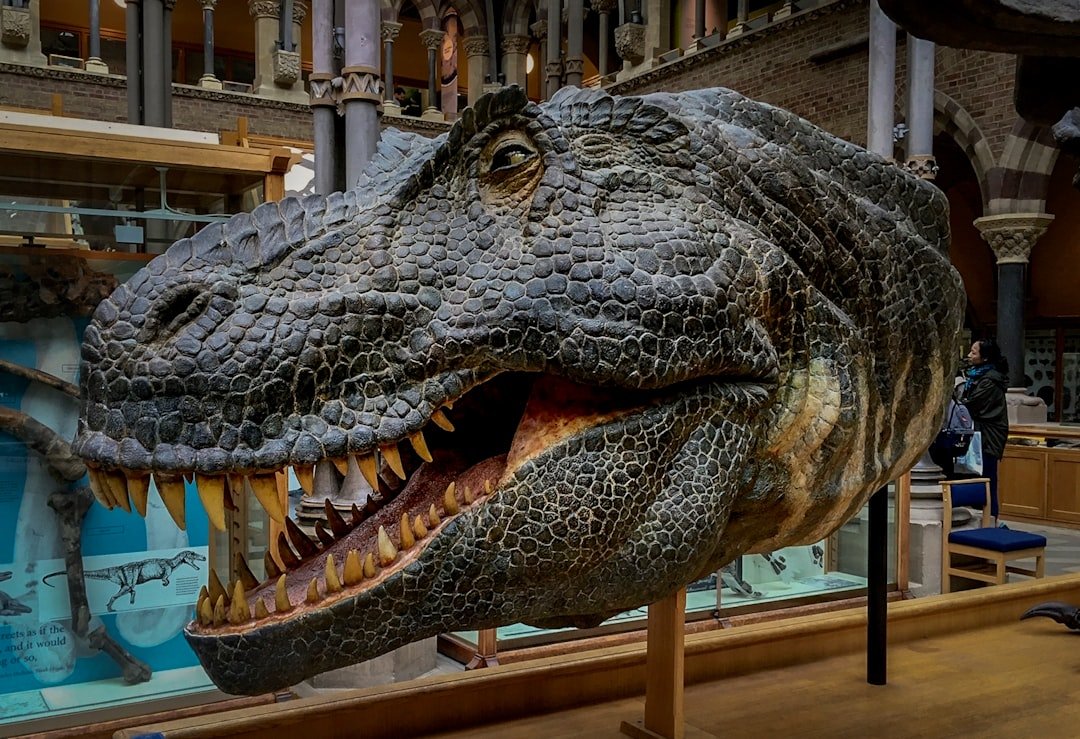
Finding the best time to visit the Natural History Museum in London is mostly about avoiding the busiest family periods, not finding a cheaper admission day. The permanent galleries are free, but queues and gallery crowding can change substantially with weekends, school holidays and major exhibitions.
Quick Answer
For the quietest visit, choose a weekday during school term and aim for the 10:00 opening. Avoid weekends and half-term weeks when possible. General admission is free, but booking a free entry ticket can guarantee entry and reduce queuing during busy periods.
Last checked: 1 October 2026. Dates and figures were verified against official sources.
Key Takeaways
- The Museum specifically warns that weekends and school holidays can be busy, even though its main galleries are free.
- The local 2026 autumn half-term is recommended for 26–30 October, while the Christmas school break begins 21 December.
- The South Kensington Museum is closed on 9 October 2026 for a charity gala and on 24–26 December.
- Wildlife Photographer of the Year opens on 16 October 2026, adding another major reason to visit during autumn.
- Weather affects your journey and the outdoor gardens, but the school calendar and day of the week are more useful crowd-planning factors.
Best Time to Visit Natural History Museum London
The strongest choice is a term-time weekday near the 10:00 opening. The Museum says weekends and school holidays can become busy, while Visit London also recommends weekdays or early mornings for visitors who want to avoid larger crowds.
The Natural History Museum visitor information currently lists normal opening hours as 10:00–17:50, with last entry at 17:30. General galleries are free to explore, and a free advance ticket can guarantee entry during busy periods.
| Season | Typical Heathrow daytime high | Crowd pattern | Best strategy |
|---|---|---|---|
| Spring: March–May | About 11.7–18.4°C | Quieter in term time; busier around Easter, half-term and bank holidays | Choose a midweek term-time morning |
| Summer: June–August | About 21.6–23.9°C | School summer holidays can increase family visits | Arrive at opening and reserve free entry |
| Autumn: September–November | About 11.5–20.2°C | Good outside October half-term; major exhibitions can add demand | Target September, early October or November term-time weekdays |
| Winter: December–February | About 8.4–9.0°C | Quieter on term-time weekdays but busy around Christmas and February half-term | Choose a January or February term-time weekday |
The temperature figures above use the Met Office’s 1991–2020 Heathrow climate averages. They are useful for planning your journey and time in the gardens rather than predicting exact museum attendance.
Peak Season and the Busiest Times
The busiest periods are most reliably identified by the school calendar and day of the week. The Museum specifically warns that weekends and school holidays can produce queues, so these are the periods to avoid if a quiet visit matters more than convenience.
Summer holidays naturally bring more families with children into central London attractions. Half-term breaks, Easter holidays and the Christmas school break can also create concentrated demand even when the wider tourist season is quieter.
For 2026, the Royal Borough of Kensington and Chelsea recommends an autumn half-term from 26–30 October. Its Christmas school holiday begins on 21 December 2026, although individual schools can set different dates.
The RBKC school term calendar also confirms that school dates are recommendations and can vary by school. That matters if you are trying to plan around family crowds from across London.
Off-Peak Season and Quieter Visits
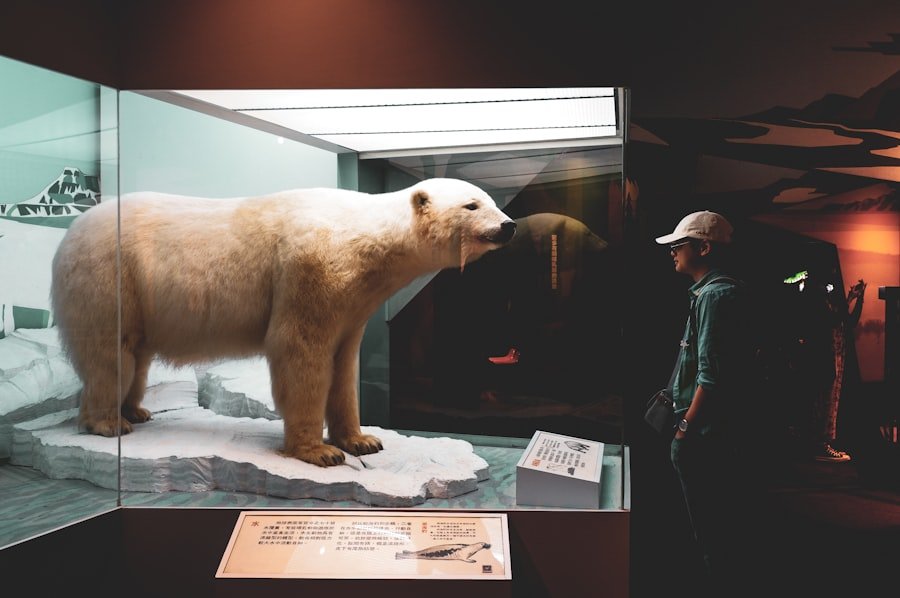
The quietest opportunities are generally term-time weekdays outside major holiday periods. Autumn and winter can work especially well, but broad labels such as “off-peak season” are less useful than checking whether schools are actually in session.
September, early October and much of November can provide good weekday options. January and early February are also attractive once the Christmas holiday period has ended and before February half-term begins.
Do not assume all of autumn is quiet. The 2026 local half-term falls in the final week of October, and a major annual photography exhibition opens earlier that month.
Weather Considerations
Weather matters mainly because it changes the comfort of your journey and any time you spend outdoors. The Natural History Museum is primarily an indoor attraction, so a rainy or cold day can still work well, but weather alone is not a reliable crowd forecast.
London’s seasonal temperatures vary considerably. Met Office Heathrow averages show typical daytime highs around 23–24°C in July and August, compared with roughly 8–9°C in December through February.
If you want to explore the museum gardens as well as the galleries, daylight becomes more relevant in winter. The Nature Discovery Garden can have shorter opening hours because lighting is limited to protect wildlife.
Special Events and Exhibitions
Temporary exhibitions can make particular dates more attractive even outside traditional tourist peaks. They also require separate planning because some exhibitions are paid even though the permanent museum galleries remain free.
Wildlife Photographer of the Year opens on 16 October 2026 and runs until 11 July 2027. The 2026 exhibition presents 100 awarded images, and the Museum notes that weekends for the exhibition can sell out quickly.
Jurassic Oceans: Monsters of the Deep runs from 22 May 2026 to 3 January 2027. Entry times are available from 10:00 to 16:30 daily, with adult off-peak tickets listed from £15 at the time of checking.
If one of these exhibitions is the main reason for your visit, book the exhibition time first and build your free-gallery visit around it. That is more reliable than arriving spontaneously on a popular weekend.
Spring, Summer, Autumn and Winter Compared
Each season can work well if you choose the right day. The key is separating ordinary term-time weekdays from school breaks, because a cold February half-term can be busier than a pleasant weekday in September.
Spring: March to May
Spring is a good choice during normal school weeks. Crowds can rise sharply around Easter, spring half-term and May bank-holiday periods, so a Tuesday-to-Thursday visit outside those breaks is usually the more comfortable option.
For 2027, the local recommended Easter school holiday runs from 26 March to 9 April. Spring half-term is recommended for 31 May to 4 June.
Summer: June to August
Summer gives you the best conditions for combining the museum with its gardens, but school holidays can bring more family visitors. If summer is your only option, reserve free entry and arrive at opening rather than relying on a quieter afternoon.
The gardens are free, as are the main permanent galleries. Paid temporary exhibitions remain optional, so families can spend most of the day at the museum without buying exhibition tickets.
Autumn: September to November
Autumn offers some of the strongest combinations of comfortable weather and term-time weekdays. September, early October and November are particularly useful if you can avoid weekends and the late-October school break.
There are two important 2026 exceptions. The South Kensington Museum is closed on Friday 9 October 2026 for a charity gala, and Wildlife Photographer of the Year opens on 16 October.
Winter: December to February
Winter term-time weekdays can be excellent for a calmer visit. Christmas holidays and February half-term are the main periods to avoid if your priority is lower crowd levels.
The Museum is closed on 24–26 December. The local recommended Christmas school holiday runs from 21 December 2026 to 1 January 2027, while the next February half-term is recommended for 15–19 February 2027.
School Holidays and Weekends
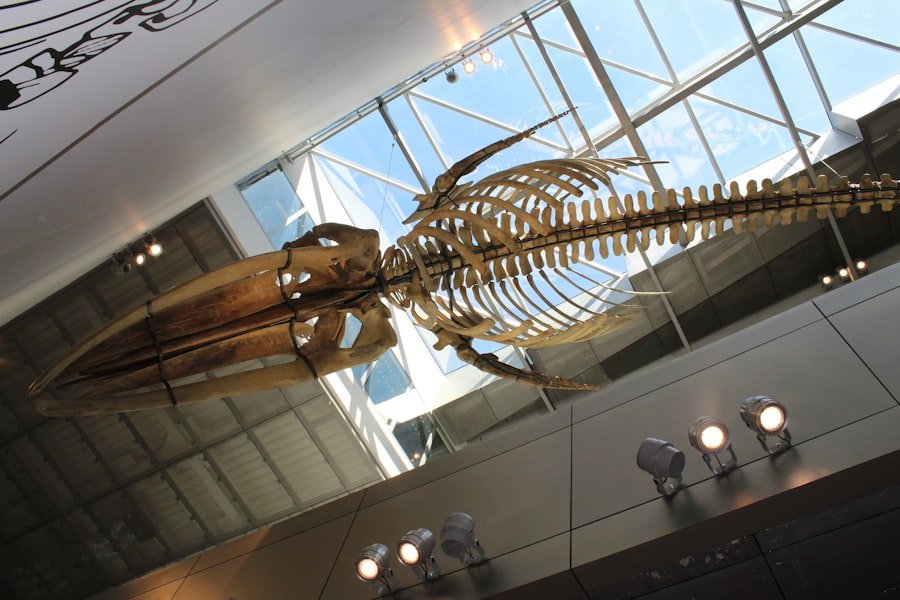
School holidays and weekends are the clearest high-demand periods to plan around. Families naturally have more freedom to visit then, and the Museum itself warns that you may have to queue during weekends and school holidays.
That does not mean you should skip the museum if a weekend is your only option. Book a free timed entry ticket, arrive near opening, and decide which gallery matters most before you walk through the doors.
Weekday vs Weekend
A weekday during school term usually gives you the better chance of a relaxed visit. You may still encounter organised school groups, but overall family leisure traffic is generally lower than on Saturdays, Sundays and holiday dates.
Visit London’s Natural History Museum visitor guide likewise recommends weekdays or early mornings for avoiding larger crowds. That makes a weekday opening-time visit the most practical default choice.
Best Times for Families with Children
Families should aim for the 10:00 opening on a term-time weekday whenever possible. Children are starting the visit fresh, and you can go directly to a high-priority gallery before more visitors accumulate through the day.
Choose one or two must-see areas rather than trying to cover the entire museum immediately. Dinosaurs, fossils, mammals and the main hall can easily fill a substantial part of a family visit.
If you need a break from noise or crowds, the Museum identifies several areas that usually have lower noise levels and fewer people. Its facilities information lists the Minerals Gallery, Images of Nature, the Contemplation Room and Nature Discovery Garden among its quieter spaces.
Best Times for Adult Visitors
Adults who want time to read displays closely should also favour term-time weekdays. A quieter morning makes it easier to spend longer in geology, minerals, human evolution or other detailed collections without constantly moving around groups.
Special exhibitions can also justify planning around a timed ticket rather than crowd levels alone. For example, an adult interested in wildlife photography may reasonably prefer an October-to-July visit while Wildlife Photographer of the Year is running.
If architecture interests you, allow time for the building itself. Alfred Waterhouse used extensive terracotta decoration and natural-history motifs throughout the structure, so quieter galleries and halls reward slower exploration.
Tips for Avoiding Crowds
You cannot guarantee an empty Natural History Museum, but a few choices can reduce unnecessary waiting. The biggest gains come from choosing the right date, reserving admission and knowing what you want to see first.
- Choose a term-time weekday. Avoid school half-terms and major holiday periods when your schedule allows.
- Aim for the 10:00 opening. Early arrival gives you the full day and lets you reach a priority gallery before later visitors arrive.
- Book a free entry ticket. The galleries are free, but a reservation guarantees entry and helps during busy periods.
- Visit your priority gallery first. Do not spend the quietest part of the morning deciding where to go.
- Separate free galleries from paid exhibitions. Timed exhibitions should be planned around their booked entry slot.
- Use quieter spaces when you need a break. The Museum provides several lower-noise areas with seating.
Conclusion and Recommendations
For most visitors, the best combination is a term-time weekday at or near the 10:00 opening. Reserve free entry, avoid half-term weeks when possible, and plan paid exhibitions separately.
If you must visit on a weekend or during a school holiday, the museum can still be worthwhile. Arrive early, prioritise the galleries that matter most, and allow extra flexibility for queues and busy spaces.
Frequently Asked Questions
What are the operating hours of the Natural History Museum?
The Natural History Museum in South Kensington is normally open daily from 10:00 to 17:50, with last entry at 17:30. In 2026 it is also closed on 9 October for a charity gala and on 24–26 December.
When is the best time to visit the Natural History Museum to avoid crowds?
The best time to avoid crowds is a term-time weekday, with 10:00 opening a particularly useful target. Weekends and school holidays are the periods the Museum itself warns can be busy, so a free timed entry ticket is worth booking.
Are there special events or exhibits that may affect the best time to visit?
Yes. Wildlife Photographer of the Year opens on 16 October 2026 and runs to 11 July 2027, while Jurassic Oceans: Monsters of the Deep runs to 3 January 2027. Paid exhibitions can add demand around popular dates, so book those tickets separately.
Is there a peak tourist season at the Natural History Museum?
The busiest pattern is tied more closely to weekends and school holidays than to a single official “peak season.” Summer holidays, half-term weeks, Christmas breaks, and bank-holiday weekends are the safest periods to treat as high-demand.
What is the best time to visit the Natural History Museum for families with children?
For families with children, arrive for the 10:00 opening on a term-time weekday if your schedule allows. Start with your highest-priority gallery before the building gets busier, and book a free entry ticket so you are not relying on walk-in capacity.
Do you need to book the Natural History Museum in advance?
General admission is free, and walk-ins are possible, but booking a free entry ticket is recommended. The Museum says weekends and school holidays can be busy and ticket holders can skip the entry queue.
Is the Natural History Museum free?
Yes. The permanent galleries are free to explore, but some temporary exhibitions, tours, and events charge separately. In 2026, Jurassic Oceans and Wildlife Photographer of the Year are paid exhibitions.
For information about how this website handles personal information, read the privacy policy.
Sources
- Natural History Museum – Plan Your Visit: opening hours, free admission, busy periods, advance tickets and 2026 closure dates.
- Visit London – Natural History Museum: weekday and early-morning crowd guidance.
- Royal Borough of Kensington and Chelsea – School Term Dates: 2026–27 local school holidays and term dates.
- Met Office – Heathrow Climate Averages: 1991–2020 monthly temperature averages used in the seasonal table.
- Natural History Museum – Wildlife Photographer of the Year: 2026–27 exhibition dates and visitor information.
- Natural History Museum – Jurassic Oceans: exhibition dates, entry hours and ticket information.
- Natural History Museum – Facilities: quieter spaces, seating and visitor facilities.


[…] strategies, you can greatly improve usability and user satisfaction. Additionally, understanding peak vs. off-peak times can help tailor user experiences to avoid overwhelming […]