The cost of public transport in London depends on the service, fare zones, time of travel, and how you pay. In 2026, most adult visitors can keep costs predictable by using contactless or Oyster pay as you go, which applies daily and weekly caps automatically on eligible journeys. Central London travel in Zones 1–2 is capped at £8.90 per day, while buses and trams currently cost £1.75 per adult journey.
Quick Answer
For most adults, contactless or Oyster pay as you go is the simplest way to control London transport costs. The Zones 1–2 daily cap is £8.90 in 2026. A Zone 1 rail journey costs £3.10 peak or £3.00 off-peak, while the adult bus and tram fare is £1.75 through 31 October 2026.
Last checked: October 1, 2026. Dates and figures were verified against official sources.
Key Takeaways
- Contactless and Oyster pay as you go use fare capping, so you do not need to buy a Day Travelcard just to receive a daily limit.
- Always use the same card or device for every touch. A phone, watch, and physical bank card are treated as separate payment methods.
- Peak rail fares normally apply from 06:30–09:29 and 16:00–18:59 Monday to Friday, excluding public holidays.
- Some children, students, London residents aged 60+, disabled passengers, Railcard holders, and other eligible groups can receive free or discounted travel.
What Public Transport Options Are Available in London?
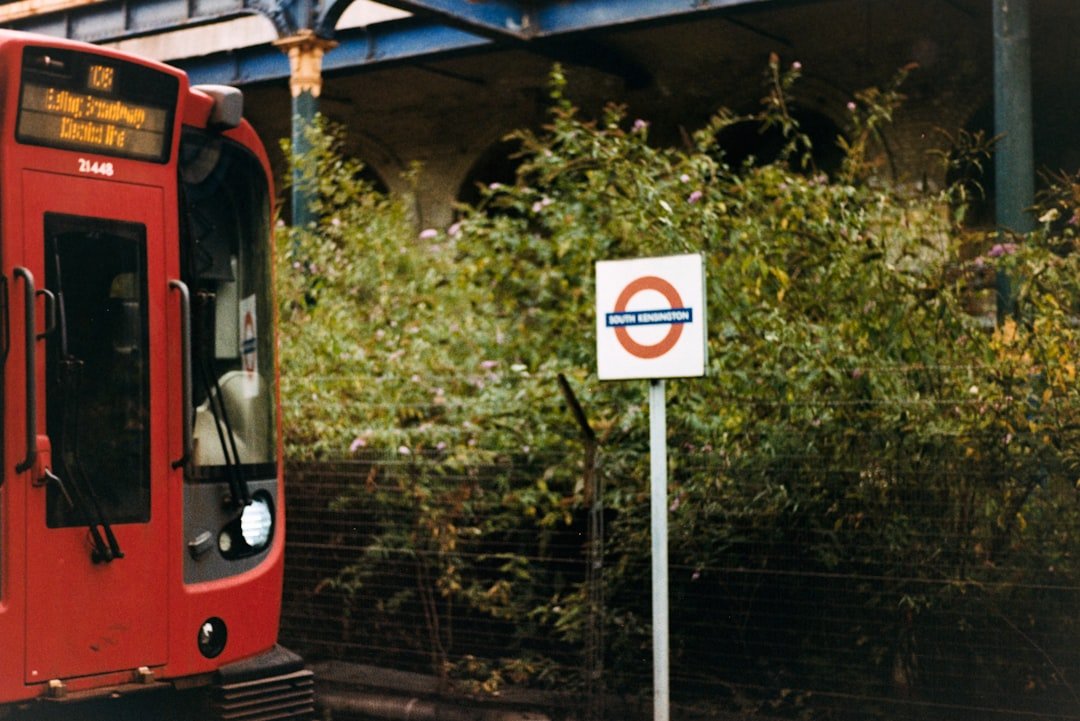
London has an extensive mix of rail, bus, tram, and river services. For most everyday journeys, you can move between several TfL-operated services using the same Oyster card or contactless payment method.
According to Transport for London’s network information, the London Underground has 11 lines covering 402 km and serving 272 stations. TfL also manages a bus fleet of around 9,000 vehicles operating across approximately 675 routes.
- London Underground: Usually the quickest option for many journeys across central and inner London.
- London buses: Cover central and outer London and use a flat adult fare rather than the Tube’s zonal rail pricing.
- London Overground: Connects many areas around and across London, including places not directly served by the Tube.
- Elizabeth line: Runs across London and serves Heathrow as well as major central stations.
- Docklands Light Railway (DLR): Serves Docklands, Canary Wharf, Greenwich-area connections, and parts of east London.
- Trams: Operate mainly in south London.
- River Bus: Provides paid passenger services along the Thames, but its fares follow different rules from normal TfL fare capping.
How Much Does Public Transport in London Cost in 2026?
For adults, the most useful figures are the pay-as-you-go fares and caps rather than the price of every individual journey. Rail fares depend on zones and time, while buses and trams use a flat fare.

TfL’s 2026 fare information confirms that Zone 1 pay-as-you-go rail fares increased on 1 March 2026, while adult daily and weekly rail caps remain frozen until 2027.
| Fare or journey | Adult 2026 price | What it means |
|---|---|---|
| Zone 1 rail journey | £3.10 peak / £3.00 off-peak | Pay as you go on applicable Tube and rail journeys |
| Single-zone rail journey outside Zone 1 | £2.30 peak / £2.20 off-peak | Applies where TfL’s zonal pay-as-you-go fare is used |
| Bus or tram | £1.75 | Current adult fare through 31 October 2026 |
| Elizabeth line, Zone 1 to Heathrow | £15.50 | Adult pay-as-you-go fare stated by TfL for 2026 |
| Paper single, Zones 1–6 | £7 | Where the TfL cash/paper fare applies |
2026 Daily and Weekly Fare Caps
A fare cap limits what you pay for eligible pay-as-you-go journeys once your spending reaches the cap for the zones used. Daily caps are especially useful for visitors making several Tube, Overground, DLR, Elizabeth line, or eligible National Rail journeys in one day.
| Zones used | Daily cap | Monday–Sunday cap |
|---|---|---|
| Zone 1 only / Zones 1–2 | £8.90 | £44.70 |
| Zones 1–3 | £10.50 | £52.50 |
| Zones 1–4 | £12.80 | £64.20 |
| Zones 1–5 | £15.30 | £76.40 |
| Zones 1–6 | £16.30 | £81.60 |
When Do Peak and Off-Peak Fares Apply?
For most pay-as-you-go rail travel, peak fares apply from 06:30 to 09:29 and 16:00 to 18:59 Monday to Friday, excluding public holidays. Other times are normally off-peak.
Your individual fare can also depend on the stations, route, direction, and zones used. For an exact journey, TfL’s Single Fare Finder calculates the applicable rail fare between two stations.
Oyster, Contactless, or Travelcard: Which Ticket Option Makes Sense?
Contactless and Oyster pay as you go are the most flexible choices for many adults because eligible journeys are capped automatically. A Travelcard can still make sense in specific circumstances, especially for travellers who want a season ticket or need a product that works differently from ordinary pay as you go.
| Option | How it works | Useful for |
|---|---|---|
| Contactless | Tap a bank card, phone, or compatible device. Adult pay-as-you-go fares and caps are calculated automatically. | Adults who already have a compatible contactless payment method |
| Oyster | Load pay-as-you-go credit or eligible season tickets onto the card. | People who cannot or do not want to use bank-card contactless, or who need an Oyster-only discount |
| Visitor Oyster | Works with pay-as-you-go credit and daily capping. It must be obtained separately. | Some overseas visitors, including families who need a Young Visitor discount |
| Travelcard | Allows unlimited eligible travel within the zones and period covered by the ticket. | Some regular commuters, concession holders, or travellers with a specific ticketing need |
| Paper single | A separate ticket for one journey. | Occasional cases where Oyster or contactless cannot be used |
For comparison, the 2026 adult Zones 1–2 weekly Travelcard is £44.70, the same as the Monday-to-Sunday pay-as-you-go cap for those zones. A Day Travelcard covering Zones 1–4 costs £16.60, considerably more than the £8.90 Zones 1–2 daily pay-as-you-go cap if your travel stays within central London.
TfL’s official Visitor Oyster and contactless comparison also notes that each traveller normally needs their own card or payment method. A Visitor Oyster can be useful for children aged 11–15 because a Young Visitor discount can be added.
How Weekly Capping Works
Weekly pay-as-you-go capping runs from Monday to Sunday. This matters if your visit starts late in the week: travel from Wednesday through the following Tuesday crosses two separate capping weeks rather than one seven-day period.
You must keep using the same card or device. Tapping in with a physical bank card and later using the same card through a phone wallet can cause TfL to treat the payments separately.
Discounts and Concessions for London Public Transport
Several groups can qualify for reduced or free travel, but the benefit depends on age, residence, service, and the card held. The original claim that everyone over 60 receives a Freedom Pass is too broad; London has separate 60+ Oyster and Freedom Pass schemes.
TfL lists the current eligibility categories on its free and discounted travel guidance.
Children
Children aged 5–10 travel free on buses and trams. Up to four children under 11 can also travel free with a fare-paying adult on the Tube, DLR, London Overground, Elizabeth line, and some National Rail services.
Children aged 11–15 can use an 11–15 Zip Oyster photocard for free bus and tram travel and discounted fares on other eligible services. Visitors aged 11–15 can instead have a Young Visitor discount added to an eligible Oyster or Visitor Oyster card for temporary half-adult pay-as-you-go fares.
Students and Railcard Holders
An eligible 18+ Student Oyster photocard gives a 30% discount on adult-rate Travelcard and Bus & Tram Pass season tickets. The student photocard alone does not reduce ordinary pay-as-you-go fares.
Eligible holders of Railcards such as the 16–25 or 26–30 Railcard can have a qualifying discount added to an Oyster card. This can reduce eligible off-peak rail pay-as-you-go fares and off-peak caps by one third. National Railcard discounts do not reduce ordinary bus or tram fares.
Older and Disabled London Residents
The 60+ London Oyster photocard is intended for eligible London residents aged 60 or over who are not yet eligible for an Older Person’s Freedom Pass. Time and service restrictions apply.
Freedom Pass arrangements cover eligible older and disabled London residents, while TfL also offers other concession schemes for groups such as eligible veterans, care leavers, and Jobcentre Plus customers.
What Happens to Bus and Tram Fares on 1 November 2026?
Adult bus and tram fares are scheduled to increase on 1 November 2026. Until 31 October, the adult pay-as-you-go fare remains £1.75, with a £5.25 daily cap and £24.70 Monday-to-Sunday cap.

TfL’s current bus and tram fare table lists the new prices that take effect from 1 November.
| Adult bus/tram fare | Through 31 Oct 2026 | From 1 Nov 2026 |
|---|---|---|
| Pay as you go | £1.75 | £1.85 |
| Daily cap | £5.25 | £5.55 |
| Weekly cap | £24.70 | £26.10 |
| One Day Bus & Tram Pass | £6.00 | £6.40 |
How the Hopper Fare Changes the Cost of Bus Travel
The standard Hopper fare lets you make unlimited bus and tram journeys within one hour of first touching in while paying one pay-as-you-go fare. You must use the same Oyster card, contactless card, or device for each touch.
This can make a bus journey involving a transfer cost the same as one bus journey, provided every qualifying touch occurs inside the Hopper window.
How to Avoid Paying More Than Necessary
Most accidental overcharging comes from payment mistakes rather than the advertised fare itself. Using the correct card consistently and touching correctly is therefore as important as choosing between Oyster and contactless.
- Use the same card or device throughout the journey. Do not touch in with your phone and touch out with the physical card linked to it.
- Touch in and out on rail services. Tube, DLR, London Overground, Elizabeth line, and applicable National Rail journeys normally require both.
- Only touch in on buses and trams. You do not touch out when leaving.
- Travel off-peak when practical. Individual rail fares can be lower outside weekday peak periods.
- Let capping work before buying a Day Travelcard. Compare the zones and travel pattern you actually expect to use.
- Use pink readers when your route requires them. They can show TfL that you travelled around Zone 1 rather than through it.
TfL explains these rules in its guidance on paying the correct fare. Missing a touch can result in a maximum fare, while using two different payment methods prevents the journeys from being combined correctly for capping.
Pro Tip: If your bank card was issued outside the UK, check whether your bank charges foreign-transaction fees. TfL controls the transport fare, but your bank may add its own fee to contactless transactions.
Do River Bus Journeys Count Toward TfL Fare Caps?
No. Oyster and contactless can be used on the Uber Boat by Thames Clippers River Bus, but those journeys are not included in ordinary TfL pay-as-you-go caps. River fares are therefore an extra cost even if you have already reached a Tube or bus cap.
TfL’s River Bus fare guidance also explains that Travelcard holders can receive discounts on eligible River Bus and sightseeing river services.
Frequently Asked Questions
What is the cost of public transport in London?
The cost depends on the service, zones, time, and payment method. In 2026, the Zones 1–2 adult pay-as-you-go daily cap is £8.90. A Zone 1 rail journey is £3.10 peak or £3.00 off-peak, while an adult bus or tram journey costs £1.75 through 31 October 2026.
What are the main modes of public transport in London?
London public transport includes the Underground, buses, trams, Docklands Light Railway, London Overground, Elizabeth line, and river services. National Rail also carries many passengers within London. Oyster or contactless works on most of these services, although fare and capping rules can differ between them.
How do I pay for public transport in London?
You can pay for most London journeys with an Oyster card, contactless bank card, or compatible phone or watch. Touch in and out for rail journeys and touch in only on buses and trams. London buses do not accept cash fares, although some rail journeys can still be bought as paper tickets.
Are discounts available for public transport in London?
Yes. TfL has free or discounted travel schemes for eligible children, students, apprentices, Railcard holders, London residents aged 60+, disabled passengers, veterans, care leavers, and some Jobcentre Plus customers. Eligibility and permitted travel times vary, so the exact saving depends on the concession and service used.
What are the peak and off-peak times in London?
Peak pay-as-you-go rail fares normally apply from 06:30 to 09:29 and 16:00 to 18:59 Monday to Friday, excluding public holidays. Off-peak fares normally apply at other times. The exact fare can still depend on your route, zones, direction, and the stations where you touch in.
Is Oyster cheaper than contactless in London?
For standard adult pay-as-you-go journeys, Oyster and contactless generally use the same TfL fares and caps. Oyster can still be more useful if you need a qualifying Railcard discount, Young Visitor discount, or another Oyster-based concession. Contactless avoids buying and topping up a separate travel card.
How will London bus fares change on 1 November 2026?
The adult pay-as-you-go bus and tram fare is scheduled to rise from £1.75 to £1.85 on 1 November 2026. The daily cap will rise from £5.25 to £5.55, and the Monday-to-Sunday cap from £24.70 to £26.10. The standard Hopper principle will continue to apply.
If you are also browsing the site’s other articles, you can read this