Ten days in London gives you enough time to see the famous landmarks without racing from one attraction to the next. The easiest approach is to group each day by neighborhood, mix paid sights with free museums and parks, and leave a little flexibility for weather, ticket availability, meals, and discoveries you make along the way.
Quick Answer
For 10 days in London, spend your first week exploring Westminster, the Tower of London, Bloomsbury, the South Bank, South Kensington, Notting Hill, and East London. Use one day for Windsor, one for Greenwich, and your final day for Kew Gardens and anything you missed. Group nearby attractions to reduce unnecessary travel.
Key Takeaways
- Plan each day around one part of London instead of crossing the city repeatedly.
- Prioritize major landmarks such as Westminster Abbey, Buckingham Palace, the Tower of London, Tower Bridge, and the British Museum.
- Balance paid attractions with free museums, markets, parks, neighborhoods, and riverside walks.
- Use contactless pay as you go or Oyster for most London transport, and always use the same card or device for a journey.
- Reserve high-demand attractions, West End shows, and major day trips before your travel dates when possible.
- Keep some flexibility. London is full of small markets, cafés, pubs, street performances, temporary exhibitions, and neighborhood events that are easy to add when you have spare time.
10-Day London Itinerary at a Glance
| Day 1 | Westminster, St James’s Park, Buckingham Palace and the West End |
| Day 2 | Tower of London, Tower Bridge, Leadenhall Market and Postman’s Park |
| Day 3 | British Museum, Bloomsbury, Charles Dickens Museum and Covent Garden |
| Day 4 | Borough Market, Shakespeare’s Globe, Tate Modern and the South Bank |
| Day 5 | South Kensington museums and Hyde Park |
| Day 6 | Notting Hill, Portobello Road, Oxford Street and Regent Street |
| Day 7 | Shoreditch, Brick Lane and an evening of live music or nightlife |
| Day 8 | Windsor Castle day trip |
| Day 9 | Greenwich, Cutty Sark, Royal Observatory and Greenwich Park |
| Day 10 | Kew Gardens, a flexible final afternoon and a West End finale |
How to Plan Your 10 Days in London
Start by deciding which experiences matter most to you. History lovers may want extra time at Westminster Abbey, the Tower of London, Windsor Castle, and the British Museum. Art fans can prioritize Tate Modern, the V&A, and temporary exhibitions. Food-focused travelers may prefer Borough Market, Brick Lane, afternoon tea, traditional pubs, and one special dinner.
Geography matters just as much as your interests. London is large, and crossing the city several times a day wastes time and energy. Westminster sights belong together. The Tower of London works naturally with Tower Bridge, Leadenhall Market, and the City. Borough Market, Shakespeare’s Globe, Tate Modern, and the South Bank make another easy cluster.
If you have not chosen a hotel yet, staying in or near Bloomsbury, Covent Garden, the South Bank, Westminster, Paddington, or another well-connected Zone 1 area can make a first visit easier. You do not need to stay beside every attraction; good Tube, bus, Elizabeth line, Overground, DLR, and rail connections matter more.
Note: London attraction hours, rail schedules, ceremonies, strikes, planned engineering work, and temporary closures can change. Recheck each official website shortly before your visit rather than relying on a saved itinerary alone.
Day 1: Westminster, Buckingham Palace and Royal London
Use your first day for London’s most recognizable political and royal sights. Start around Westminster so you can see the Houses of Parliament, Elizabeth Tower, Parliament Square, and Westminster Abbey without spending your morning on public transport.
Westminster Abbey deserves more than a quick photograph if history is one of your interests. It has been the setting for coronations since 1066 and contains royal tombs, memorials, Poets’ Corner, and centuries of British history. Buying a timed admission ticket ahead of a busy travel period can make your day more predictable.
Walk through St James’s Park toward Buckingham Palace. Buckingham Palace is the King’s official London residence and a working royal palace. The State Rooms are not open every day of the year. For 2026, the main summer opening runs from 9 July through 27 September, with some areas affected by reservicing work. Check the Royal Collection Trust’s current Buckingham Palace visitor information before building your day around interior access.
The Changing of the Guard is another popular experience, but do not assume it happens every day. Ceremony dates and formats vary. Check the current schedule shortly before your trip and arrive early if seeing it is a priority.
Finish your afternoon around Trafalgar Square, Whitehall, or Covent Garden. In the evening, you can have dinner in Soho or Covent Garden and see a West End production if you want a full first day.
Pro Tip: Do not schedule Westminster Abbey, a full Buckingham Palace interior visit, a long museum visit, and a matinee on the same day. Choose two major ticketed experiences and treat nearby outdoor sights as flexible stops.
Day 2: Tower of London, Tower Bridge and the City
The Tower of London is one of the best places to spend a substantial morning. The fortress has served as a royal palace, prison, armory, treasury, and defensive stronghold during its long history. Today you can see the Crown Jewels, explore historic buildings, and hear stories from the Yeoman Warders, also known as Beefeaters.
Official Yeoman Warder tours are included with Tower admission and operate regularly during opening hours, although schedules can be adjusted for weather, crowding, and operational reasons. Check Historic Royal Palaces before your visit.
After the Tower, walk to Tower Bridge. Allow extra time if you want to visit the bridge exhibition and high-level walkways rather than simply photographing the bridge from the riverfront.
From here, continue into the City of London. Leadenhall Market is an ornate historic market surrounded by the modern financial district. It is a good place for a short architectural stop, lunch, or coffee rather than an entire afternoon.
Postman’s Park is another small but memorable City stop. Its Watts Memorial commemorates people who died while trying to save others. The park’s quiet setting offers a contrast to nearby offices and traffic.
If you still have energy, continue toward St Paul’s Cathedral, walk along the Thames, or head toward Brick Lane and Spitalfields for dinner.
Day 3: British Museum, Bloomsbury and Covent Garden
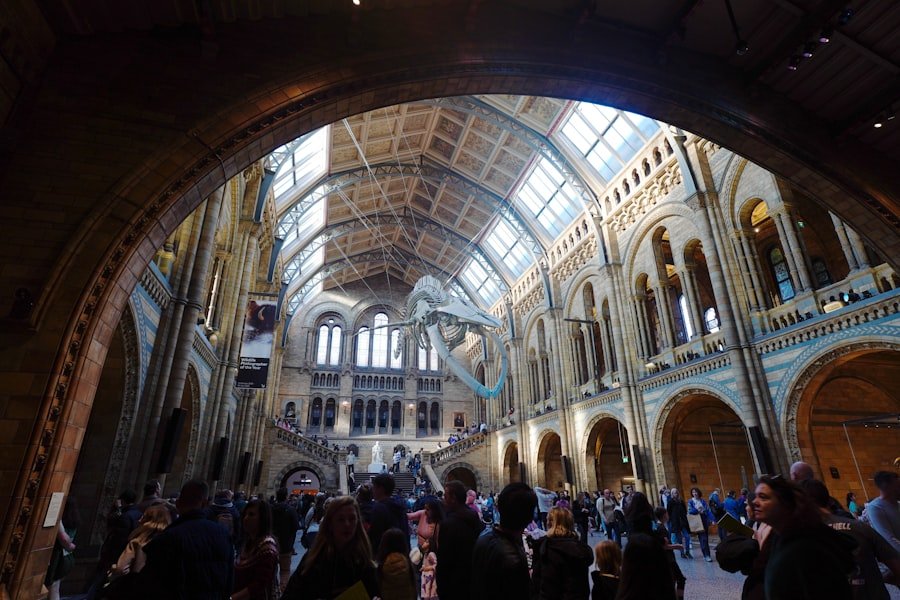
London’s history is woven through its museums, streets, churches, houses, and neighborhoods. Day 3 is deliberately museum-heavy, so start early and avoid trying to see every gallery.
The British Museum is one of the world’s major collections of human history and culture. Highlights include the Rosetta Stone and the Parthenon Sculptures. General admission is free, although special exhibitions may require paid tickets. Check the British Museum’s official visitor information for current entry arrangements and gallery closures.
A strong visit can take two or three hours, while serious museum lovers could spend most of the day there. Choose a few galleries instead of treating the museum like a checklist. Its collection also creates important conversations about archaeology, empire, collecting practices, and disputed cultural property.
Afterward, explore Bloomsbury. The neighborhood is closely associated with London’s literary and academic history. If Charles Dickens interests you, the Charles Dickens Museum at 48 Doughty Street occupies one of his former homes and contains material connected with his life and writing.
London’s literary history extends well beyond Dickens. Virginia Woolf and the Bloomsbury Group are strongly associated with this part of the city, while writers including George Orwell have connections across London.
Spend the evening in Covent Garden. You can browse shops, watch street performers when they are present, have dinner, or attend a performance at the Royal Opera House or a nearby West End theater.
Day 4: Borough Market, Shakespeare’s Globe, Tate Modern and the South Bank
Begin around London Bridge and Borough Market. London’s food scene reflects communities and cuisines from across the world, and Borough Market is one of the easiest places to sample that diversity in one stop. You will find produce, baked goods, cheese, prepared food, coffee, and international dishes, although the exact traders and opening arrangements vary.
From Borough Market, walk toward Shakespeare’s Globe. Depending on your interests and schedule, you can join a theater tour, attend a performance, or simply explore the riverside area.
Continue to Tate Modern, housed in the former Bankside Power Station. The museum is one of London’s major destinations for modern and contemporary art. Large parts of the permanent collection are free, while some exhibitions require tickets.
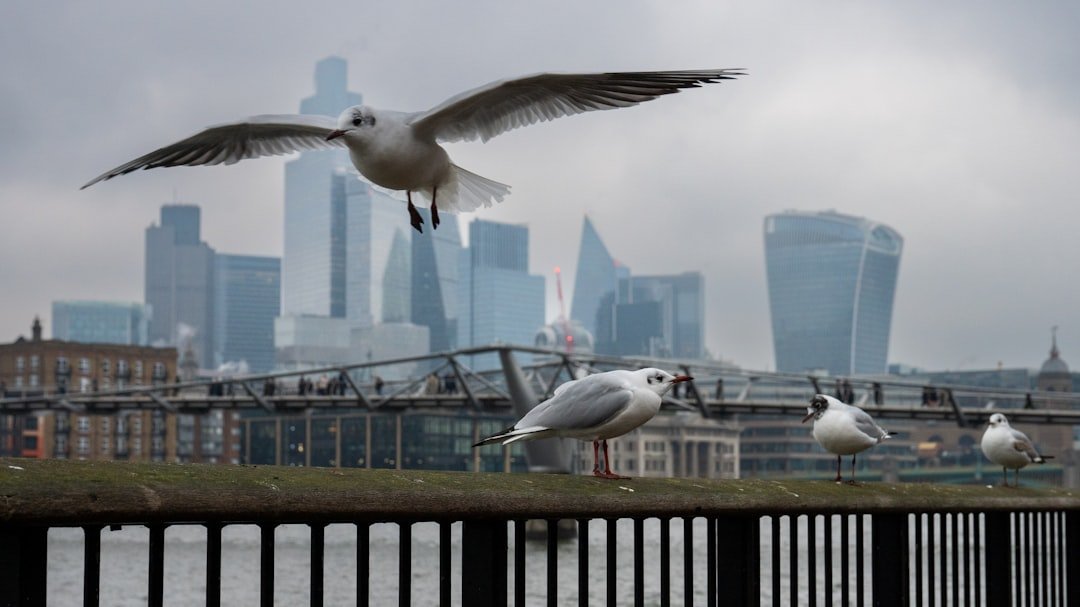
After Tate Modern, continue along the South Bank. The riverside walk gives you views of St Paul’s Cathedral, bridges, the City skyline, and several cultural venues. Farther west, you can reach the Southbank Centre and the London Eye.
The London Eye works best when you treat it as an optional paid viewpoint rather than a compulsory stop. If you prefer to spend the money on theater, a major museum exhibition, or a special meal, the South Bank itself still gives you a rewarding afternoon.
Day 5: South Kensington Museums and Hyde Park
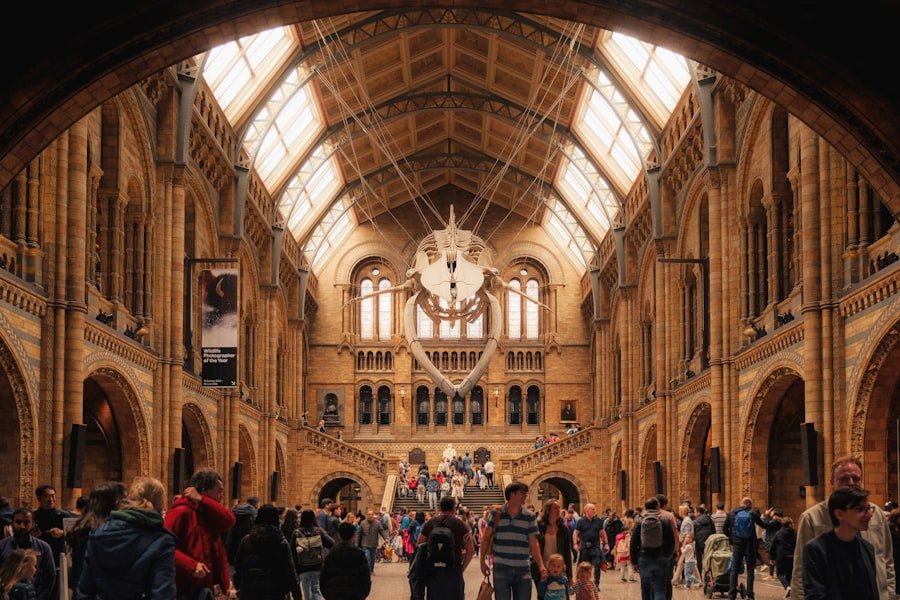
South Kensington gives you three major museums within a compact area: the Natural History Museum, the Victoria and Albert Museum, and the Science Museum. Trying to explore all three in depth in one day is unrealistic, so choose one main museum and use the others for shorter visits if time allows.
The Natural History Museum is especially strong for geology, biodiversity, evolution, fossils, and family visits. General museum admission is free, although temporary exhibitions and special experiences may carry a charge.
The V&A focuses on art, design, fashion, decorative arts, photography, furniture, textiles, and cultural objects. General admission is also free, with some temporary exhibitions ticketed separately.
After the museums, walk into Hyde Park. It is one of central London’s largest green spaces and provides a useful break after several indoor days. Depending on the season, you can walk beside the Serpentine, relax on the lawns, or use seasonal recreation facilities.
If you still want more culture, walk toward Kensington Gardens or return toward Knightsbridge. If you need a slower day, finish early and save your energy for dinner.
Day 6: Notting Hill, Portobello Road and Central London Shopping
Start in Notting Hill, known for colorful streets, independent businesses, cafés, and Portobello Road Market. Market activity changes by day, and Saturdays are generally the busiest time for antiques and market browsing, so check the current schedule if the market itself is a priority.
Portobello Road works well for antiques, vintage items, small gifts, food stops, and casual photography. It is more enjoyable when you allow time to browse instead of treating it as another attraction to complete quickly.
Notting Hill is also home to The Ledbury, one of London’s best-known fine-dining restaurants. Restaurant Gordon Ramsay in Chelsea is another famous high-end option. Restaurants at this level can require reservations well in advance, and menus and prices change, so check directly with the restaurant before planning around a particular dish or tasting menu.
In the afternoon, continue toward London’s major shopping streets. Oxford Street has large high-street brands and department stores, while Regent Street combines major international names with grand architecture. Liberty London is close to Regent Street, while Hamleys is a popular stop for families.
If luxury shopping is your priority, Knightsbridge is home to Harrods and Harvey Nichols. If vintage clothing and independent shops are more appealing, save some shopping time for Shoreditch and Brick Lane on Day 7.
Day 7: Shoreditch, Brick Lane, Street Art and Nightlife
Spend Day 7 in East London, where the atmosphere is very different from Westminster or Kensington. Shoreditch and Brick Lane are known for independent shops, street art, markets, cafés, nightlife, and an eclectic mix of food.
Brick Lane is a good place to look for vintage clothing, small shops, street food, and restaurants. Nearby Spitalfields adds another market and shopping option without requiring a long journey.
Instead of rushing from one landmark to another, use this day for slower neighborhood exploration. Street art changes frequently, which is part of the appeal. A guided street-art walk can add context, but wandering independently also works well.
London’s nightlife covers almost every style. Soho has cocktail bars, pubs, restaurants, theaters, and LGBTQ+ nightlife. Camden is well known for live music and late-night venues. KOKO and the Roundhouse regularly host concerts and events, while Ronnie Scott’s in Soho is a long-established jazz venue.
High-level bars and viewing venues can give you a different perspective on the skyline after dark. Sky Garden is one popular option, but access arrangements and booking requirements can change, so confirm the current system before going.
Day 8: Windsor Castle Day Trip
Windsor is one of the easiest major day trips from central London. Great Western Railway currently lists journeys from London Paddington to Windsor & Eton Central at around 35 minutes, normally with a change at Slough. Actual travel time varies by service, engineering work, and the day you travel.
Windsor Castle is an official royal residence and the oldest and largest occupied castle in the world. It has been associated with 40 monarchs and remains a working royal palace. Highlights include the State Apartments, St George’s Chapel, the castle precincts, and royal collections. Check Royal Collection Trust’s Windsor Castle page because chapel access, ceremonial activity, and individual rooms can change.
The town of Windsor itself has shops, cafés, pedestrian streets, riverside areas, and views toward Windsor Great Park. Allowing a full day means you do not have to rush straight back to London after leaving the castle.
Pro Tip: Windsor is usually a simpler first day trip than trying to combine Stonehenge, Bath, and another destination in one organized marathon. Keep the day focused unless you deliberately prefer a fast-paced coach tour.
Day 9: Greenwich, Maritime London and the Prime Meridian
Greenwich gives you a full London day that feels separate from the busy center. You can reach it by DLR, rail, bus, or river service, making the journey part of the experience.
Start around the historic waterfront. Cutty Sark preserves one of the world’s most famous surviving tea clippers and lets you explore above and beneath the ship. Nearby, the National Maritime Museum and Queen’s House provide additional maritime and art history.
Walk uphill through Greenwich Park to the Royal Observatory. The Observatory is associated with the Prime Meridian and the history of navigation, astronomy, timekeeping, and longitude. The hill also provides one of London’s best-known skyline views.
Greenwich is a useful day for families because you can mix museums, open space, food, river views, and paid attractions rather than spending the whole day indoors.
Day 10: Kew Gardens and a Flexible London Finale
Use the morning and early afternoon at Kew Gardens. The Royal Botanic Gardens at Kew form a UNESCO World Heritage Site and contain more than 50,000 living plants. Major features include historic glasshouses, landscaped gardens, galleries, seasonal displays, and the Treetop Walkway.
Kew’s opening times and individual attraction availability vary by season, weather, maintenance, and special events. Check Kew Gardens’ official visitor information shortly before visiting rather than relying on fixed hours printed in an itinerary.
Do not pack your final evening with something complicated. Return to central London and use the remaining time for an attraction you missed, a favorite neighborhood, afternoon tea, shopping, dinner, or a West End performance.
A flexible final block is valuable because weather, jet lag, ticket availability, museum fatigue, or an unexpected discovery earlier in the trip can easily change your priorities.
More Day Trips and Excursions from London
Windsor is not your only option. If royal history is less important to you, replace Day 8 with Bath, Oxford, Cambridge, Stonehenge, or the Warner Bros. Studio Tour London.
Bath
Bath is known for its Roman heritage and Georgian architecture. Great Western Railway currently lists London Paddington to Bath Spa at about 1 hour 20 minutes on the normal journey, considerably faster than the two-hour estimate often quoted in older guides.
Once there, major sights include the Roman Baths, Bath Abbey, Pulteney Bridge, and the Royal Crescent. Because there is plenty to see, Bath works better as a full-day destination than as a rushed half-day add-on.
Bath Abbey and the Royal Crescent make the city worth exploring beyond the Roman Baths, so give yourself enough time to walk through the historic center rather than arriving only for one attraction.
Oxford or Cambridge
Both university cities can work as independent day trips. Choose Oxford if its colleges, museums, libraries, and architecture appeal to you; choose Cambridge if you prefer its historic colleges, River Cam scenery, and compact center. Avoid trying to do both properly in one day.
Stonehenge
Stonehenge is possible as a day trip, but the final transfer from London is less direct than Windsor or Bath. It is often easiest with a planned rail-and-bus combination or organized excursion. Advance admission booking can be useful during busy periods.
Warner Bros. Studio Tour London
Harry Potter fans can substitute the Warner Bros. Studio Tour London for another day. The nearest railway station is Watford Junction, with direct services from London Euston on some routes, followed by the Studio Tour shuttle. Entry itself requires a dated ticket, so this is not a good attraction to leave until the last minute.
London’s Dining and Culinary Scene
London’s food scene ranges from inexpensive market meals and neighborhood cafés to traditional pubs, afternoon tea, tasting menus, and restaurants representing cuisines from around the world.
Borough Market is convenient because you can combine sightseeing with lunch rather than creating a separate food-only trip. Brick Lane and Shoreditch offer another mix of casual food, bakeries, restaurants, markets, and nightlife.
Traditional British dishes worth trying can include fish and chips, pies, Sunday roast, sausage and mash, and a full English breakfast, but you do not need to eat only British food to experience London. The city’s South Asian, Middle Eastern, Caribbean, African, Chinese, Japanese, European, and other communities are central to its modern food culture.
If you want one fine-dining meal, The Ledbury or Restaurant Gordon Ramsay are well-known options. Book high-demand restaurants well ahead of your trip and check current menus, dress expectations, cancellation terms, and pricing before committing.
London’s Arts and Entertainment Scene
The West End is one of the world’s major theater districts. Large productions at venues such as the Lyceum Theatre attract international audiences, while smaller theaters including The Old Vic present a different mix of classic and contemporary work.
Covent Garden’s Royal Opera House is a leading venue for opera and ballet. Shakespeare’s Globe offers another kind of theater experience on the South Bank.
For visual art, Tate Modern is an obvious starting point, but London has many other choices, including the National Gallery, the National Portrait Gallery, the V&A, commercial galleries, artist-run spaces, and temporary exhibitions.
Frieze London is a major annual contemporary-art event held in Regent’s Park in autumn. Because dates change each year, check the current event calendar if your visit falls during that period.
Hidden Gems and Off-the-Beaten-Path London
Famous landmarks deserve time, but a 10-day trip gives you room for smaller places too. Leadenhall Market and Postman’s Park are two examples that fit naturally into the Tower and City day rather than requiring separate journeys.
Neighborhood exploration can be just as rewarding. Walk beyond the busiest parts of Shoreditch, Bloomsbury, Notting Hill, Greenwich, or the South Bank and you are likely to find independent cafés, small gardens, unusual architecture, bookshops, markets, and local events.
The important point is not to chase “secret” places across the city. Add hidden gems that sit near the main route for that day. This keeps the itinerary interesting without adding unnecessary transport.
Shopping and Fashion in London
London caters to almost every kind of shopper. Oxford Street is dominated by major retail brands, while Regent Street offers flagship stores and striking architecture. Liberty London is nearby, and Hamleys remains a popular stop for toys.
For luxury shopping, Knightsbridge is home to Harrods and Harvey Nichols. Covent Garden combines global brands with smaller shops in a walkable setting.
If you prefer vintage clothing, antiques, or independent businesses, spend more time around Portobello Road, Shoreditch, Brick Lane, and Spitalfields rather than devoting an entire day to the West End’s largest stores.
London’s Parks and Outdoor Spaces
London’s parks are useful itinerary tools, not just attractions. St James’s Park breaks up the Westminster day, Hyde Park gives you a low-pressure afternoon after South Kensington’s museums, Greenwich Park creates space around the Observatory, and Kew can fill most of a day.
Hyde Park includes broad lawns, walking routes, the Serpentine, memorials, and seasonal recreation. Kew is more structured and botanical, with major glasshouses, specialist collections, historic buildings, and elevated views from the Treetop Walkway when it is open.
Outdoor time also gives you backup options when you become tired of museums. Keep at least one park or riverside walk in your plan every few days.
Nightlife and Evening Entertainment
Soho and Covent Garden are convenient for central evening plans because restaurants, bars, theaters, and public transport are close together. Traditional pubs can be found throughout central London, while cocktail bars range from casual neighborhood venues to expensive hotel bars.
Camden is particularly well known for live music. Venues including the Roundhouse and KOKO host touring performers and established acts, while Ronnie Scott’s in Soho is a classic choice for jazz.
Rooftop bars and high-level viewing venues can offer skyline views, but reservations, minimum spending rules, age policies, and dress expectations vary. Check the venue directly before traveling across London for a specific bar.
How to Get Around London Efficiently
For most visitors, public transport is faster and easier than taxis for routine sightseeing. The Tube is only one part of the system; buses, the Elizabeth line, London Overground, DLR, National Rail, river services, and walking can all be useful.
Transport for London recommends pay-as-you-go contactless, Oyster, or Visitor Oyster as convenient options for visitors. Pay as you go can apply daily and weekly caps depending on the travel and payment method.
When using contactless, use the same physical card, phone, or watch throughout the journey. A phone and the physical card linked to that phone can be treated as different payment methods, even if they draw from the same bank account.
On rail services where touching in and out is required, make sure you use the correct reader. On buses and trams, you normally touch in only.
Note: An overseas bank may charge foreign transaction or contactless fees. Compare those costs with Oyster if your card has expensive international charges.
Accessibility and Step-Free Travel
Do not assume every Tube journey is step-free from street to train. If stairs, escalators, long walking distances, luggage, a stroller, or mobility limitations are important factors, use TfL’s accessibility tools and step-free journey planning before leaving your hotel.
TfL’s official journey planner and TfL Go app can filter for step-free routes and show current lift or service disruptions. The TfL accessible journey guidance is a useful starting point.
Tips for Making the Most of Your 10 Days in London
- Book your highest-priority attractions first. Once you know the dates for a palace visit, Tower admission, theater show, or day trip, build flexible sightseeing around those fixed times.
- Group attractions geographically. A good London itinerary minimizes backtracking rather than maximizing the number of attractions listed per day.
- Do not overbook museums. One major museum plus a neighborhood walk is often more enjoyable than three rushed museums.
- Use walking strategically. Many central attractions are closer on foot than the Tube map makes them appear.
- Leave space for meals. A sit-down lunch, afternoon tea, pub meal, or market visit can easily consume more time than expected.
- Check closures the night before. Transport disruptions, private events, weather, ceremonies, strikes, and maintenance can change a perfect plan.
- Keep Day 10 flexible. Use it to catch an attraction you missed rather than forcing every item into the first nine days.
Some of the best London memories come from things you did not schedule: finding a quiet café, hearing a street performer, entering a small gallery, walking through a neighborhood you had only planned to cross, or staying longer in a museum than expected. A 10-day visit gives you enough time to allow those moments without sacrificing the major sights.
Before paying for any ticket, tour, accommodation, or travel service online, read the seller’s cancellation rules, booking conditions, and refund policy. If you are using Tagline Today itself, you can review its conditions of use.
Frequently Asked Questions
What are the must-see attractions during 10 days in London?
For a first visit, prioritize Westminster Abbey and the Westminster area, Buckingham Palace, the Tower of London, Tower Bridge, the British Museum, the South Bank, at least one major art or design museum, and one neighborhood such as Notting Hill, Shoreditch, or Greenwich.
Is 10 days too long to spend in London?
No. Ten days lets you explore London at a more comfortable pace, visit several museums and neighborhoods, see evening entertainment, and still have time for one or two day trips without turning every day into a race.
What are the best day trips from London?
Popular choices include Windsor, Bath, Oxford, Cambridge, Stonehenge, and the Warner Bros. Studio Tour London. Windsor is one of the easiest options for a first trip because the rail journey from Paddington can take around 35 minutes on the normal routing.
What is the best way to get around London?
Most visitors combine walking with the Tube, buses, Elizabeth line, Overground, DLR, and other public transport. Contactless pay as you go or Oyster is usually more convenient than buying individual paper tickets for each trip.
What are London’s best shopping areas?
Oxford Street and Regent Street are useful for major brands, Knightsbridge for luxury stores such as Harrods and Harvey Nichols, Covent Garden for a walkable mix of shops, Portobello Road for antiques and market browsing, and Shoreditch or Brick Lane for vintage and independent businesses.
What dining experiences should I try in London?
Try at least one traditional pub meal, a food market such as Borough Market, food from one of London’s many international communities, and afternoon tea if it interests you. Travelers who enjoy fine dining can also reserve a tasting-menu restaurant well in advance.
What cultural experiences are worth adding?
Strong choices include the British Museum, Tate Modern, the V&A, the National Gallery, Shakespeare’s Globe, the Royal Opera House, a West End show, live music, and neighborhood-based experiences in areas such as Bloomsbury, Shoreditch, Greenwich, and the South Bank.
How far in advance should I book London attractions?
Book anything that would disappoint you to miss as soon as your travel dates are firm. Palace interiors, the Tower of London at busy times, popular West End shows, special exhibitions, fine-dining restaurants, and Warner Bros. Studio Tour tickets are stronger candidates for advance booking than free parks and neighborhood walks.
Sources
- Transport for London — visitor payment guidance and accessible journey planning — backs up contactless, Oyster, capping, and accessibility advice.
- Historic Royal Palaces — Tower of London Yeoman Warder tours — backs up Tower visitor and tour information.
- Royal Collection Trust — Buckingham Palace and Windsor Castle — backs up royal residence, opening, and visitor information.
- British Museum — official visitor information — backs up museum access and planning information.
- Great Western Railway — London to Windsor and London to Bath — backs up typical rail journey times.
- Royal Botanic Gardens, Kew — Kew Gardens — backs up Kew’s UNESCO status, plant collection, and visitor information.