London blends more than two thousand years of history with a modern cultural scene, world-class museums, theater, galleries, markets, architecture, and food from around the globe. Roman remains sit within the same city as Buckingham Palace and modern towers, while the West End is famous for theater and institutions such as the British Museum and Tate Modern display art and artifacts from many cultures. Festivals focused on literature, food, music, and the arts add to a city shaped by many languages, traditions, and cuisines. In three days, you cannot see everything, but you can build a balanced first-time itinerary around the city’s classic landmarks, its multicultural food scene, and a quieter group of hidden gems.
The key is to group sights by area and avoid treating every famous attraction as a full interior visit. London is large, and security lines, timed tickets, meals, and transport all take time. This itinerary keeps the original highlights while showing where to prioritize, where to pre-book, and where to stay flexible.
Quick Answer
Three days in London is enough for a strong first visit: spend Day 1 on major landmarks, Day 2 on Borough Market, Brick Lane, and Soho, and Day 3 on quieter City of London gems. Pre-book any must-see interiors, group nearby sights together, and use contactless or Oyster pay as you go.
Key Takeaways
- London is rich in history and culture, so three days works best when you choose a few priority interiors instead of trying to enter every attraction.
- Day 1 covers classic landmarks: the Tower of London, Tower Bridge, Westminster and Big Ben, Buckingham Palace, plus the British Museum if your timing allows.
- Day 2 focuses on London’s food scene, moving from Borough Market to Brick Lane and then Soho.
- Day 3 explores quieter places such as Leadenhall Market, Postman’s Park, and St. Dunstan in the East, with optional time for other neighborhoods.
- The Tube, buses, walking, and contactless or Oyster pay as you go make it straightforward to move between the main areas.
3-Day London Itinerary at a Glance
| Day 1 | Tower of London and Tower Bridge, then Westminster, Big Ben, Buckingham Palace, and an optional British Museum highlights visit. |
| Day 2 | Borough Market, Brick Lane, and Soho for a broad taste of London’s food culture. |
| Day 3 | Leadenhall Market, Postman’s Park, St. Dunstan in the East, then optional shopping, neighborhoods, Little Venice, or an offbeat attraction. |
Before You Start: Bookings, Hours, and Pace
London rewards advance planning, but it also rewards leaving breathing room. Timed-entry attractions, security screening, transit delays, and long meals can quickly turn an ambitious schedule into a rushed one. If the Tower of London, Buckingham Palace State Rooms, or a tour inside Parliament is a must, check the official schedule and reserve it before building the rest of the day around it.
Note: Buckingham Palace is a working royal residence, and public access to the State Rooms is seasonal. For 2026, the main summer opening runs from July 9 through September 27, with selected guided-tour dates outside that period.
Also check the day of the week before assigning Borough Market to Day 2. Its regular schedule currently has the market closed on Mondays, although some bank-holiday and December schedules differ. If your second day is a Monday, swap Days 2 and 3 or move the food-market portion to another open day.
Day 1: Exploring London’s Classic Landmarks
Dedicate the first day to the landmarks that shape London’s historical narrative and skyline. Start in the east at the Tower of London. Originally developed as a royal fortress, the complex later served many roles, including palace, prison, armory, and treasury. The Crown Jewels remain one of its major visitor draws, and a Yeoman Warder tour adds stories about the fortress, its traditions, and some of its famous prisoners.
From the Tower of London, walk to Tower Bridge. The bridge officially opened in 1894 and remains a working bascule bridge. Its Victorian Gothic-inspired appearance is one of London’s most recognizable sights. If you buy admission to the attraction inside the bridge, the high-level walkways include glass-floor sections that look down toward the roadway and river.
After Tower Bridge, do not treat Westminster as the next stop on a short riverside stroll. The two areas are several miles apart. Use the Tube, a river service, a bus, or a longer walk only if you deliberately want the extra sightseeing time.
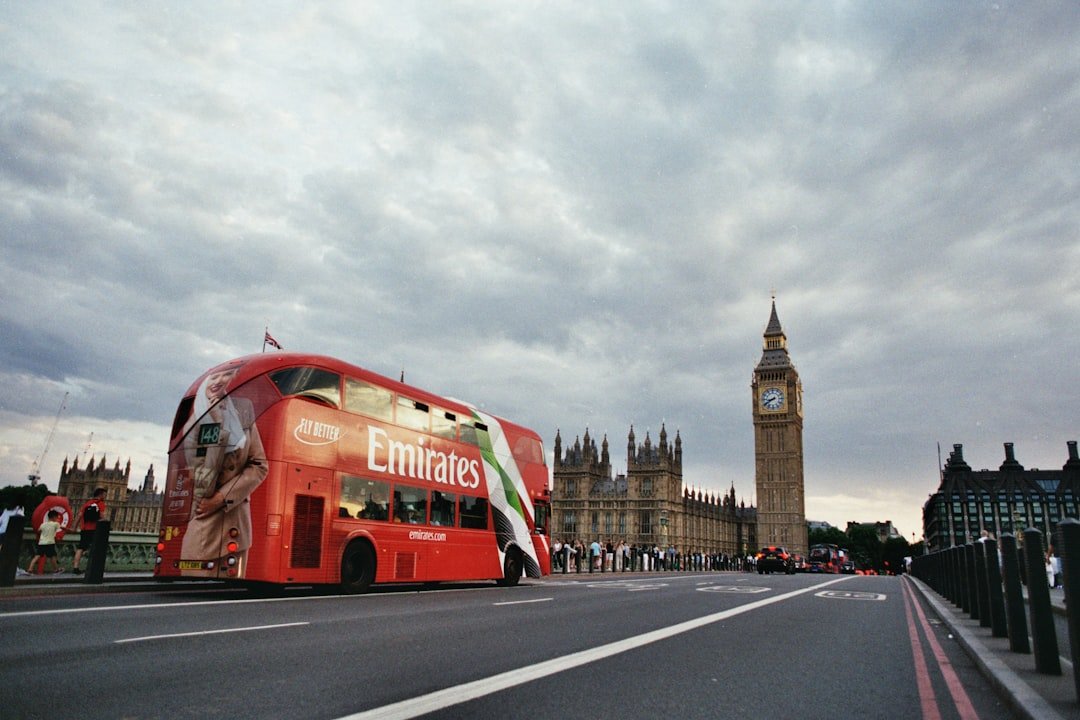
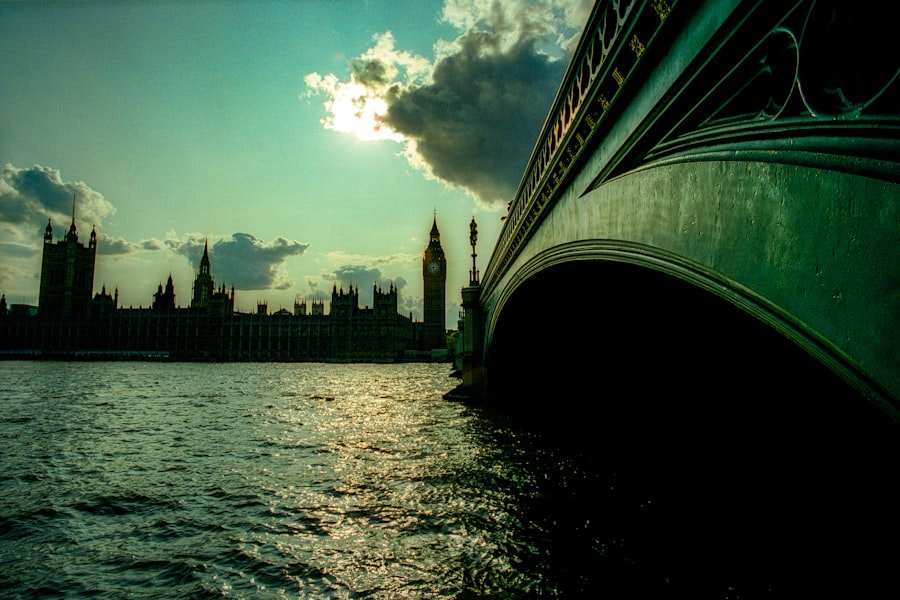
In Westminster, see the Palace of Westminster and Elizabeth Tower. The Gothic Revival architecture makes the parliamentary complex one of the city’s defining landmarks. Big Ben is the nickname of the Great Bell inside the tower, although the name is widely used for the whole landmark.
An interior tour of Parliament can offer a closer look at the House of Commons, House of Lords, Westminster Hall, and the workings of British politics, but it should be treated as a major scheduled activity rather than a quick add-on. If you book one, allow time for security and consider dropping another interior visit from the day.
Continue through Westminster and St. James’s toward Buckingham Palace. Seeing the exterior works year-round, while access inside the State Rooms depends on the official opening calendar.
From here, decide whether you still have the energy and opening-hours window for the British Museum. The museum is not next door to Buckingham Palace, so use public transport or allow additional walking time. If seeing its global collection is one of your main priorities, give it a focused highlights visit rather than trying to cover every gallery.
Pro Tip: For a realistic Day 1, choose one or two major interiors. A Tower of London visit plus a Parliament tour plus a full British Museum visit can make the day feel rushed. If museum time matters most, see Parliament and Buckingham Palace mainly from outside.
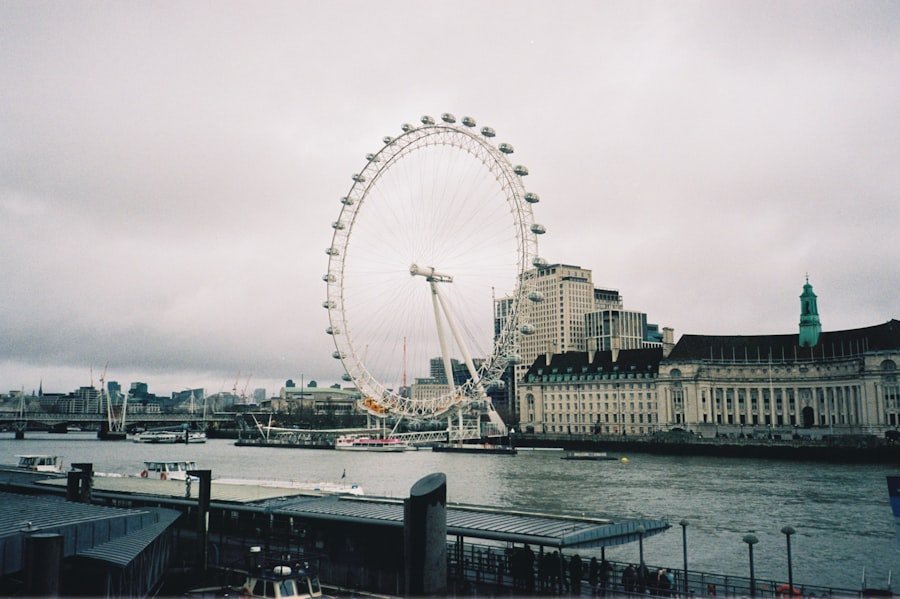
If you still want one more classic view, the London Eye can fit near Westminster as an optional stop. Add it only if it matches your priorities; the day is already full without it.
Day 2: Indulging in London’s Food Scene
On the second day, food enthusiasts can move through three different parts of London’s diverse gastronomic landscape. Begin at Borough Market, a historic food market beside London Bridge Station. It brings together produce sellers, specialist food traders, street-food vendors, restaurants, and bars, making it an easy place to sample several styles of food in one stop.
Check the official Borough Market schedule before you go. Regular hours currently run Tuesday through Sunday, with Monday normally closed, and special schedules can apply around bank holidays and December. Arriving earlier in the trading day usually gives you more time to browse without turning lunch into the whole afternoon.
At Borough Market, sample what looks best that day rather than chasing one supposedly essential item. Artisanal cheese, bread, baked goods, produce, and international street food all fit the market’s character. The original version of this itinerary placed a “famous salt beef bagel” here, but that makes more sense in the Brick Lane portion of the day.
After Borough Market, head toward Brick Lane. The area is known for South Asian food, street art, vintage shopping, and long-running bagel shops. You can choose a curry, biryani, another regional South Asian dish, or a salt-beef bagel depending on your appetite. Because restaurant quality and menus change, it is better to compare current menus and recent reviews than assume every curry house offers the same experience.
If you want dessert instead, a bakery or bagel shop can provide a lighter stop before continuing west.
Finish the food day in Soho, where the compact streets offer restaurants, pubs, bars, dessert stops, and cuisines from around the world. If you want a traditional British ending, look for a pub or restaurant serving dishes such as fish and chips, pie, or sticky toffee pudding. If you are already full, Soho also works well for a drink and an evening walk rather than another full meal.
Day 3: Discovering London’s Hidden Gems
Use the final day to slow the pace and explore places that are easy to miss on a first visit. Start with Leadenhall Market in the City of London. Its ornate Victorian covered architecture creates a very different atmosphere from London’s large shopping streets. You can browse shops, stop for coffee, admire the roof and decorative details, and use the surrounding lanes to connect with nearby historic sights.
From there, continue to Postman’s Park, a small green space best known for the Memorial to Heroic Self-Sacrifice, which commemorates people who died while trying to save others. It is a quiet place for a short pause rather than a major half-day attraction.
Nearby, St. Dunstan in the East offers another unusual contrast. The former church was badly damaged during the Second World War, and its surviving ruins now frame a public garden. Greenery and seasonal flowers grow through the stone arches, creating a peaceful retreat from the surrounding streets.
If you still have time, branch out according to your interests. Neal’s Yard in Covent Garden gives you a colorful courtyard stop; Shoreditch adds street art and independent businesses; Little Venice offers canals and houseboats; and a neighborhood market can provide a final shopping stop. Trying to fit all of these into the same afternoon is unnecessary—choose one area and enjoy it.
Getting Around: Transportation Tips for Navigating London
London’s transport network is extensive, but the basic visitor strategy is simple. Transport for London currently describes the London Underground as 11 lines covering 402 kilometers and serving 272 stations. The Tube connects most major sightseeing areas, while buses are useful when you want to see the city above ground.
For most visitors, contactless or Oyster pay as you go is easier than buying individual paper tickets. TfL says pay as you go is cheaper than single tickets and applies daily and weekly capping. With contactless, use the same card or device consistently so the system can calculate the correct fare. On buses and trams you normally touch in only; on the Tube and most rail services within the system, follow the touch-in and touch-out rules.
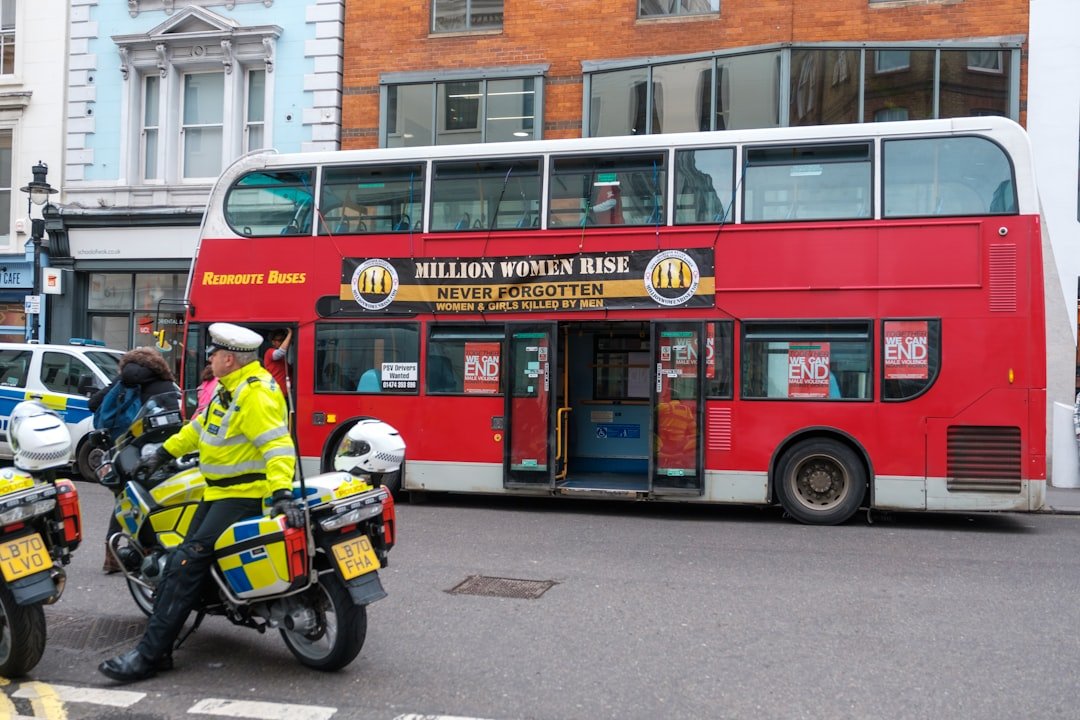
Red double-decker buses are part of the everyday transport network and offer a useful above-ground view of London. However, avoid building a sightseeing plan around one specific route number months in advance because routes, stops, and diversions can change. Check TfL’s current journey planner on the day.
Walking is often the best option inside compact clusters such as Westminster, Covent Garden, Soho, or the City. Santander Cycles can also be useful for confident riders, and London has many cycle lanes, but central traffic can still be demanding. If you are unfamiliar with the roads, walking and public transport are usually the easier first-visit combination.
Pro Tip: If you use a foreign contactless card, check whether your bank charges international transaction fees. TfL accepts contactless cards and mobile devices, but your own card issuer can still add charges.
Where to Stay: Accommodation Options for Every Budget
London has accommodation at nearly every price point, but for a three-day trip, location often matters more than getting the absolute lowest room rate. Staying near a Tube station or within walking distance of one of your main sightseeing clusters can save valuable time every morning and evening.
Luxury travelers can consider landmark five-star properties such as The Savoy or The Ritz. These hotels are known for high-end service, fine dining, spa or wellness options, and central locations near major sights.
Mid-range travelers may prefer boutique hotels in neighborhoods such as Shoreditch, Covent Garden, South Bank, or Bloomsbury, where modern amenities, restaurants, attractions, and nightlife can be close at hand.
Budget-conscious travelers can find hostels, simple hotels, and smaller guest accommodations across London. Kensington and Camden can offer useful transport connections, but compare the exact address rather than choosing by neighborhood name alone. A cheaper room far from a convenient station can cost you time and extra transport every day.
Dining in London: Must-Try Restaurants and Local Eateries
London’s dining scene reflects the city’s multicultural population. Traditional British dishes remain easy to find, but the city’s strongest food experiences also include Indian, Middle Eastern, East Asian, African, Caribbean, European, and modern British cooking.
For a historic British dining experience, Rules in Covent Garden is a notable choice. The restaurant traces its history to 1798 and is known for classic British cooking, including game, pies, roasts, and other traditional dishes.
For Indian food, Dishoom draws inspiration from Bombay’s Irani cafés and is one of several popular options for visitors who want a polished sit-down meal.
London’s food scene works best when you mix one or two planned meals with flexible stops at markets, bakeries, pubs, and neighborhood restaurants.
For a more theatrical dining environment, Sketch in Mayfair is known for distinctive interiors and themed spaces. If you would rather sample several cuisines without committing to a long sit-down meal, Camden Market and food markets around the South Bank provide plenty of casual options.
For classic London foods, consider fish and chips, a full English breakfast, afternoon tea, meat pies, Sunday roast when available, and sticky toffee pudding. None of these needs to appear in every itinerary; choose what fits your schedule and appetite.
Shopping in London: From High-End Boutiques to Quirky Markets
Shopping in London ranges from major retail streets to neighborhood markets. Oxford Street is known for large stores and high-street brands, while nearby Regent Street adds flagship shops and historic storefronts. Hamleys on Regent Street remains a popular family stop for toys.
For more eclectic browsing, Portobello Road Market in Notting Hill is associated with antiques, vintage items, fashion, food stalls, and a lively street atmosphere that can include performers. Spitalfields Market is another useful option for independent designers, gifts, food vendors, and easy access to the East End.
Market schedules and the mix of traders can vary by day, so check the current schedule before crossing the city for one specific market. If your three-day visit is already packed, choose the shopping area closest to the rest of that day’s route.
Nightlife in London: Bars, Clubs, and Live Music Venues
After dark, London offers pubs, cocktail bars, clubs, theater, comedy, and live music across many neighborhoods. Soho is one of the easiest areas for a first-time visitor because restaurants, pubs, bars, and theaters sit close together. Shoreditch has a more nightlife-focused mix of bars and late venues, while Mayfair tends toward higher-priced, more polished settings.
For large concerts, The O2 Arena hosts major touring acts and events. For a more intimate live-music experience, Ronnie Scott’s Jazz Club is a long-running Soho venue. Ticketed shows can sell out, so check the official venue schedule before assuming you can walk in.
If nightlife is not your priority, an evening walk along the Thames, a West End performance, or a quiet pub can be just as memorable as dancing late into the night. The best choice depends on the energy you have left after a full sightseeing day.
Off the Beaten Path: Unique Experiences in London
Beyond the major tourist circuit, London has unusual places that reveal more of its creative character. God’s Own Junkyard in Walthamstow is known for neon signs, vintage-style signage, and colorful art installations, making it a distinctive stop for photography and design lovers. Because independent attractions can have limited opening days, check current hours before traveling across London specifically to visit.
Little Venice offers a different mood: canals, colorful houseboats, waterside paths, and cafés create a calmer setting away from the busiest central streets. A walk along the waterways can be enough, or you can look for a canal-boat trip if the schedule suits your day.
Immersive theater is another distinctly London-style option. Productions and venues change over time, so treat this as a category to explore rather than a single permanent attraction. If a current production appeals to you, it can replace a conventional evening show and create a more participatory experience that blurs the line between audience and performance.
Making the Most of Your 3 Days in London
A three-day visit to London gives you enough time to experience major history, food, neighborhoods, and a few places that feel more personal than the standard sightseeing checklist. The most successful plan is not the one with the most pins on a map; it is the one that keeps each day geographically sensible and leaves enough time to enjoy the places you chose.
Day 1 works best as the classic-landmark day, Day 2 as the food-focused day, and Day 3 as the slower hidden-gems day. Efficient public transport, a centrally useful base, and a willingness to skip an extra interior visit when the schedule gets tight will make the trip feel much more relaxed.
Whether you are eating traditional British food, browsing a quirky market, watching the city from a historic bridge, or finding a quiet garden among old ruins, London offers more than enough variety to make three days memorable—and enough left over to justify another visit.
If you’re looking for more travel inspiration, check out this article on Tagline Today featuring a list of unique and off-the-beaten-path destinations to add to your bucket list. From hidden gems to underrated cities, this article can spark ideas for future trips.
London 3 Days Itinerary: Classics, Food & Hidden Gems is just the beginning of your travel adventures.
Sources
- Transport for London — What we do — current London Underground network figures.
- Transport for London — Best ways for visitors to pay — contactless, Oyster, pay as you go, and fare capping guidance.
- Borough Market — Plan your visit — current regular opening days, hours, location, and visitor information.
- Tower Bridge — About us — opening year and the bridge’s continuing role as a working bridge.
- UK Parliament — Tours — visitor tours, booking guidance, and access to the Palace of Westminster.
- Royal Collection Trust — Buckingham Palace — current public-opening information for the State Rooms.
Frequently Asked Questions
What are the classic attractions to visit in London in 3 days?
A strong first-time list includes the Tower of London, Tower Bridge, the Palace of Westminster and Big Ben, Buckingham Palace, and the British Museum. The London Eye is an easy optional addition near Westminster. To keep the day realistic, choose only one or two major interior visits.
What are some must-try foods in London?
Popular choices include fish and chips, a full English breakfast, afternoon tea, pies, Sunday roast when available, and sticky toffee pudding. London’s international food scene is just as important, so consider Indian food, market stalls, bakeries, and neighborhood restaurants too.
What are some hidden gems to explore in London?
Leadenhall Market, Postman’s Park, St. Dunstan in the East, Neal’s Yard, Little Venice, and Shoreditch street art all offer a change from the major landmark circuit. Pick one cluster rather than crossing the city to see every option.
What is the best way to get around London for sightseeing?
Use a mix of the Tube, buses, and walking. Contactless or Oyster pay as you go is usually the simplest payment method for visitors. Walk inside compact areas such as Westminster, Soho, and the City, then use public transport for longer transfers.
What is the best time of year to visit London?
London is a year-round destination. Spring and early autumn often offer comfortable sightseeing weather, summer brings long daylight hours and heavy visitor demand, and December is popular for holiday events. Crowd levels and weather vary, so choose the season that best matches your interests and budget.
Is 3 days enough for a first trip to London?
Yes, three days is enough for a useful introduction if you group attractions by area and limit the number of full interior visits. You will not see everything, but you can cover the major landmarks, enjoy London’s food scene, and still make time for quieter neighborhoods or hidden gems.
Should I use Oyster or contactless in London?
Both can work well. Contactless is convenient if your card or mobile wallet is accepted and your bank does not add unwanted foreign transaction fees. Oyster is useful for travelers who prefer a dedicated travel card. With either method, follow TfL’s touch-in and touch-out rules and use the same contactless card or device consistently.