A visit to the Natural History Museum London is easiest when you plan around free admission, a few priority galleries, and the size of the building. Most permanent galleries are free, while some temporary exhibitions and events require paid tickets. The Museum is in South Kensington at Cromwell Road, London SW7 5BD.
Quick Answer
For a smooth Natural History Museum London visit, book free general admission in advance, choose a few priority galleries, and allow at least two hours. The Museum is open 10:00–17:50 with last entry at 17:30. Most permanent galleries are free, while some exhibitions and events cost extra. It is closed on 9 October 2026 and 24–26 December.
Last checked: October 1, 2026. Dates and figures were verified against official sources.
Key Takeaways
- General admission to the permanent galleries is free, but booking a free timed ticket in advance helps guarantee entry during busy periods.
- South Kensington is the nearest Tube station, about a five-minute walk from the main entrances.
- For a short visit, concentrate on Hintze Hall, the Dinosaurs Gallery, and one or two galleries that match your interests instead of trying to see everything.
- Families can use official self-guided routes, while visitors who need a quieter visit can use seating, quiet spaces, accessible facilities, and free wheelchair loans subject to availability.
- Personal photography is generally allowed, but restrictions apply to flash, tripods, selfie sticks, tours, and certain objects or exhibitions.
Plan Your Natural History Museum London Visit
The most useful things to know before you go are the opening hours, admission policy, address, and known closure dates. The Natural History Museum visitor information confirms the current details below.
| Visitor detail | Current information |
|---|---|
| Opening hours | 10:00–17:50 daily; last entry 17:30 |
| General admission | Free for the permanent galleries; some exhibitions and events are paid |
| 2026 closures | 9 October and 24–26 December |
| Address | Cromwell Road, London SW7 5BD |
Walk-in visitors may be admitted when capacity allows, but weekends and school holidays can be busy. Booking free general admission before your visit is the safer option if you have a fixed date or limited time.
If you prefer a less crowded visit, a weekday outside school holidays is generally easier than a busy weekend. Decide in advance whether your priority is dinosaurs, mammals, human evolution, Earth sciences, minerals, or a temporary exhibition.
Navigating the Museum’s Layout
The building is large enough that a simple route will save you time and unnecessary walking. Use the official Museum map and gallery guide to locate galleries, entrances, lifts, toilets, restaurants, shops, and quieter areas.
Hintze Hall is a useful central reference point. From there, you can branch into areas covering dinosaurs and fossils, mammals and other animals, human evolution, minerals, Earth science, natural-history collections, and the Museum’s gardens.
Instead of trying to cover every gallery, choose two or three main areas. The Museum also publishes self-guided routes for families, returning visitors, adults, and solo travelers, which can give you a logical order to follow.
Pro Tip: Take a screenshot of the Museum map before you arrive. It is easier to check your next stop quickly than to repeatedly cross the building looking for a gallery.
Must-See Exhibits at the Natural History Museum
)
The best exhibits depend on your interests, but first-time visitors usually benefit from starting with the Museum’s signature spaces. Hintze Hall, the Dinosaurs Gallery, Earth and mineral displays, mammals, and the human-evolution collections give you a broad introduction without requiring you to see every room.
Hintze Hall and Hope the Blue Whale
Hintze Hall is one of the most recognizable parts of the Museum and makes a natural first stop. Its centerpiece is Hope, a 25-meter blue whale skeleton suspended above the hall.
The official Hintze Hall guide also identifies meteorites, mammals, fish, birds, minerals, plants, insects, and dinosaur material among the specimens displayed in and around the space.
Dinosaurs Gallery
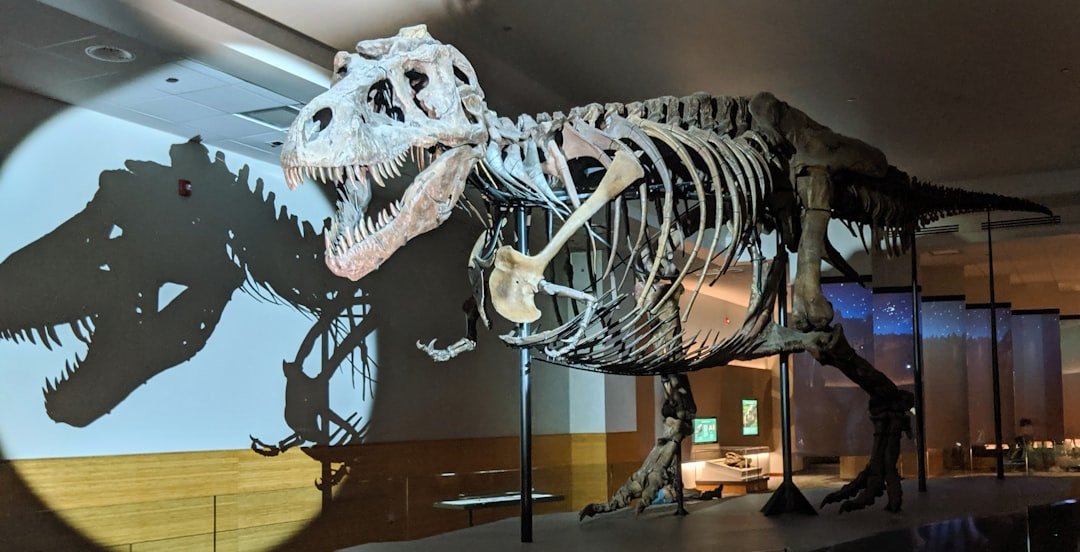
The Dinosaurs Gallery is one of the Museum’s most popular permanent galleries and is free to enter with general admission. Displays include T. rex material, a Triceratops skull, other dinosaur fossils, and the well-known animatronic T. rex.
If dinosaurs are your main reason for visiting, go there relatively early in your route rather than leaving the gallery until the end of the day. That keeps your highest-priority exhibit from being squeezed by meal breaks, tired children, or closing time.
Minerals, Gems, and Earth Science
The historic Minerals Gallery is a strong choice for visitors interested in geology. Its traditional display cases contain gems, raw minerals, meteorites, and other geological specimens, while other Earth-focused galleries explain processes that have shaped the planet.
These areas also work well if you want a change of pace after the busier dinosaur exhibits. The variety of objects makes them useful for both quick browsing and a slower, detail-focused visit.
Mammals, Fossils, and Human Evolution
The Museum’s wider collections go far beyond dinosaurs. You can see mammals ranging from extinct species to familiar living animals, marine-reptile fossils associated with the history of paleontology, and displays tracing human evolution.
Choosing one of these themes after the headline attractions gives your visit more depth without forcing you to rush across every floor.
Tips for Making the Most of Your Time at the Museum
Your best strategy is to match your route to the amount of time and energy you actually have. A focused two-hour visit can cover major highlights, while a longer stay lets you explore specialist galleries, gardens, food stops, and temporary exhibitions at a more comfortable pace.
- With about two hours: choose one official self-guided route or focus on Hintze Hall, Dinosaurs, and one additional subject area.
- With half a day: add several galleries from one wing, a food break, and time for the gardens or a quieter gallery.
- With most of the day: explore several themes, take longer breaks, and include a paid exhibition or scheduled activity if one interests you.
Put your must-see galleries first and leave optional areas for later. This is especially useful with children, because a large museum can become tiring long before you run out of exhibits.
Short breaks also help you absorb what you have seen. Seating is available in many parts of the building, so you do not have to wait until lunch to rest.
Understanding the Museum’s Educational Programs and Events
The Natural History Museum offers more than permanent displays. Its program can include talks, family activities, school sessions, tours, after-hours events, temporary exhibitions, and other experiences built around natural history and Museum research.
For a first visit, decide whether you want a scheduled activity to shape your day or whether you would rather explore independently. If you choose an event or paid exhibition, build the rest of your route around its start time instead of trying to fit it in at the last minute.
Self-guided routes are a useful alternative when a guided activity does not match your schedule. They give you a structured sequence while still allowing you to spend longer at the objects that interest you most.
Exploring the Museum with Children
)
The Museum is well suited to families because many galleries combine large specimens, interactive elements, and clear visual displays. Dinosaurs, mammals, fossils, volcanoes, minerals, and the gardens can all work well for younger visitors.
Children under 14 must be accompanied by an adult. Letting children choose one or two priority galleries can also make the day feel more manageable and give them a clear reason to keep exploring.
Rather than asking children to absorb every information panel, mix observation with simple questions: Which fossil looks oldest? Which animal is largest? What features would help an animal survive in its environment? Small challenges turn the visit into an active experience.
The Museum’s family-focused self-guided material can also help you build a route around major sights instead of wandering randomly through the building.
Pro Tip: With younger children, plan your food and toilet stops before everyone is tired or hungry. The Museum map marks toilets, baby-changing facilities, cafes, and the lower-ground-floor Picnic Area.
Dining and Shopping Options at the Natural History Museum
You can eat inside the Museum without leaving the building, and you may also bring your own food. The official cafes, restaurants, and shops guide lists the current venues and facilities.
Options include the Central Cafe, Earth Hall Cafe, T. rex Restaurant, and Garden Kitchen. Some locations provide high chairs, baby-care facilities, accessible toilets, water-bottle refill points, or children’s meals.
If you bring a packed lunch, use the Picnic Area on the lower ground floor rather than eating in a gallery. During term time, the Museum reserves that Picnic Area for school groups on weekdays from 11:00 to 14:00. The gardens are another option for a picnic.
The Museum also operates several gift shops selling nature- and dinosaur-themed books, toys, gifts, prints, and other products. Purchases support the Museum’s work.
Accessible Features for Visitors with Disabilities
The Natural History Museum provides step-free routes, lifts, accessible toilets, wheelchairs, hearing loops, seating, large-print materials, and other accessibility resources. Because individual lifts or spaces can occasionally be unavailable, accessibility needs are worth planning before you arrive.
The Museum’s South Kensington accessibility guide says most areas are wheelchair accessible. A limited number of manual wheelchairs can be borrowed free from cloakrooms on a first-come, first-served basis.
Hearing loops are installed at information desks and selected points around the building. The Museum also has wheelchair-accessible toilets, baby-changing facilities, a Changing Places toilet, seating throughout many galleries, and folding stools that can be borrowed when available.
Visitors who need a quieter environment can use calmer galleries and quiet spaces. Visual guides and audio resources can also help visitors prepare for the building, exhibitions, and routes before arrival.
How to Get to the Natural History Museum
Public transportation is usually the simplest way to reach the Museum. The nearest Tube station is South Kensington, which is about a five-minute walk from the Central and East entrances.
According to the official transport and entrance information, South Kensington is served by the Piccadilly, District, and Circle lines. Gloucester Road is another option and is within walking distance of the Museum.
There is no general visitor parking on site, and nearby parking is limited. The Museum has a very limited number of bookable on-site spaces for Blue Badge holders, while additional Blue Badge bays are available on Exhibition Road under local parking rules.
The Central Entrance on Cromwell Road has a step-free ramp, although the ramp is steep. The East Entrance on Exhibition Road is not step-free at street level, but a lift connects its entrance lobby with the galleries.
Understanding the Museum’s Rules and Regulations
A few rules protect visitors, staff, the building, and the collections. The Natural History Museum visitor admissions policy covers entry, security, food, photography, children, and acceptable behavior.
- Bags may be searched when you enter.
- Food and drink should not be consumed inside galleries.
- Children under 14 must be accompanied by an adult.
- Smoking and vaping are not allowed in Museum buildings or gardens.
- Personal, non-commercial photography and filming are generally allowed unless a display or exhibition has specific restrictions.
- Flash, additional lighting, tripods, monopods, gimbals, camera stands, easels, and selfie sticks require permission.
- Photography or filming of tours inside the Museum is not permitted.
- You should follow barriers, signs, and staff instructions around objects and displays.
Large or wheeled suitcases cannot be carried through the building and must be left in a cloakroom if space is available. If you can avoid bringing luggage, your entry and movement through the Museum will be easier.
Making the Most of Your Visit with a Guided or Self-Guided Tour
A structured route is useful if you want context rather than simply moving from display to display. A guide can explain why particular specimens matter, while a self-guided route gives you more control over your pace and breaks.
For an independent visit, choose a Museum route that matches your group. Family-focused routes emphasize large, memorable displays, while routes for adults or repeat visitors can lead you toward less obvious objects and galleries.
If you join a scheduled guided tour, arrive at its meeting point with enough time to avoid missing the start. Build the rest of your day around the tour instead of planning a long gallery route immediately beforehand.
Supporting the Natural History Museum through Membership and Donations
Membership can be useful if you expect to visit repeatedly or want access to several ticketed exhibitions. Donations provide another way to support the Museum’s collections, research, education, and public programs.
The Museum’s membership information lists benefits including queue skipping, free unlimited entry to ticketed exhibitions, member events, shop and cafe discounts, and access to the Anning Rooms.
For an occasional visitor who only wants the permanent galleries, free general admission may be all you need. If you expect multiple visits or several paid exhibitions, compare those plans with the current membership benefits before deciding.
Frequently Asked Questions
What are the opening hours of the Natural History Museum London?
The Natural History Museum London is open daily from 10:00 to 17:50, with last entry at 17:30. In 2026, the South Kensington museum is also closed on 9 October and from 24 to 26 December. Exceptional closures can still occur.
Is the Natural History Museum London free, and do I need a ticket?
General admission to the Museum’s permanent galleries is free, although some exhibitions and events require paid tickets. You can arrive without a general-admission booking when capacity allows, but booking a free timed ticket in advance helps guarantee entry during busy periods.
What is the best way to get to the Natural History Museum?
The Tube is usually the easiest option, with South Kensington about a five-minute walk from the main entrances. Piccadilly, District, and Circle line trains serve the station. The Museum has no general on-site visitor parking, so driving is usually less convenient.
How long should I spend at the Natural History Museum London?
Allow at least two hours for a focused highlights visit. A half day or longer is more comfortable if you want to explore several major galleries, eat inside the Museum, visit the gardens, or add a temporary exhibition without rushing between displays.
What are the must-see exhibits at the Natural History Museum?
For a first visit, start with Hope the blue whale in Hintze Hall, the Dinosaurs Gallery, and one or two galleries covering mammals, fossils, minerals, Earth science, or human evolution. Choosing a few priorities gives you more time to enjoy each display.
Are guided tours available at the Natural History Museum?
The Museum offers guided experiences on selected dates as well as self-guided routes that you can follow at your own pace. Self-guided options are useful when a scheduled tour does not fit your visit and can be matched to families, adults, or returning visitors.
Is photography allowed inside the Natural History Museum?
Personal, non-commercial photography is generally allowed, but individual objects and exhibitions can have restrictions. Flash, additional lighting, tripods, monopods, gimbals, camera stands, easels, and selfie sticks require permission, and visitors may not photograph or film tours inside the Museum.
Can I bring food to the Natural History Museum?
Yes, you can bring your own food, but you should not eat or drink inside the galleries. The lower-ground-floor Picnic Area is provided for packed lunches, although it is reserved for school groups on weekdays from 11:00 to 14:00 during term time.
For more museum-related travel ideas, you can also visit Tagline Today.
Sources
- Natural History Museum visitor information: opening hours, admission, address, busy periods, and 2026 closure dates.
- Natural History Museum getting here guide: entrances, Tube stations, parking, cycling, and transport information.
- Natural History Museum map and attractions: galleries, self-guided routes, facilities, gardens, and visitor layout.
- Natural History Museum Hintze Hall guide: Hope the blue whale and other Hintze Hall specimens.
- Natural History Museum accessibility guide: wheelchairs, lifts, hearing loops, toilets, seating, and accessible entrances.
- Natural History Museum visitor admissions policy: photography, children, food, security, smoking, and entry rules.
- Natural History Museum cafes, restaurants, and shops: dining venues, packed lunches, Picnic Area hours, and shops.
- Natural History Museum membership: member entry, exhibition access, discounts, and other benefits.