Before booking, compare the exact hotel location with the places you plan to visit most. A family-friendly neighbourhood can still be inconvenient if your hotel is far from the station, has stairs at the entrance, or requires several transport changes every day.
Quick Answer
For most families, start with South Kensington for free museums and parks, Covent Garden for a central West End base, or Greenwich for maritime attractions and more open space. Notting Hill, Marylebone, Richmond, Hampstead, and Canary Wharf are better fits when markets, playgrounds, nature, or a quieter evening atmosphere matter more.
Last checked: October 1, 2026. Dates and figures were verified against official sources.
Key Takeaways
- Choose the area around your family’s main daily activities, not just the cheapest room.
- South Kensington combines free major museums with easy access to Kensington Gardens.
- Greenwich and Richmond give children more room to run, but journeys to central attractions can take longer.
- Covent Garden is convenient for theatre and central sightseeing, but it is lively and can feel crowded.
- Families using a pushchair should check the exact station and hotel entrance for step-free access before booking.
How to Choose Among the Best Areas to Stay in London for Families
The right London base is the one that reduces tiring journeys and keeps food, transport, and a place to rest within easy reach. For a short visit, central convenience may matter most; for a longer stay, a park, playground, or quieter neighbourhood can become more valuable.
Transport costs also change the calculation. According to Transport for London’s guidance for families, children under 11 travel free on buses and trams, and up to four children under 11 can travel free with a fare-paying adult on the Tube, DLR, London Overground, Elizabeth line, and some National Rail services. Children aged 11 to 15 need a ticket, but visitor discounts may be available.
With younger children, look closely at walking distance, lift access, toilets, supermarkets, and nearby parks. With older children or teenagers, being close to theatres, markets, museums, and evening dining may matter more than having a playground outside the hotel.
| Area | Best for | Family highlights | Main trade-off |
|---|---|---|---|
| South Kensington | Museums and first visits | Natural History Museum, Science Museum, Kensington Gardens | Accommodation can be expensive |
| Covent Garden | Theatre and central sightseeing | Market, street performers, London Transport Museum | Busy streets and less green space |
| Greenwich | History and open space | Royal Observatory, Cutty Sark, Greenwich Park | Farther from many West End sights |
| Notting Hill | Markets and neighbourhood atmosphere | Portobello Road, colourful streets, Holland Park nearby | Market days can be crowded |
| Marylebone | A calmer central stay | Regent’s Park, Madame Tussauds, cafés and shops | Less packed with headline sights |
| Richmond | Nature and longer stays | Richmond Park, riverside walks, wildlife | Longer trips into central London |
| Hampstead | Leafy streets and Heath time | Hampstead Heath, Parliament Hill, village cafés | Hills can be tiring with a pushchair |
| Canary Wharf | Modern transport and Docklands | Waterfront walks, London Museum Docklands, shopping | Business-district feel |
South Kensington: Best for Museums, Parks, and Younger Children
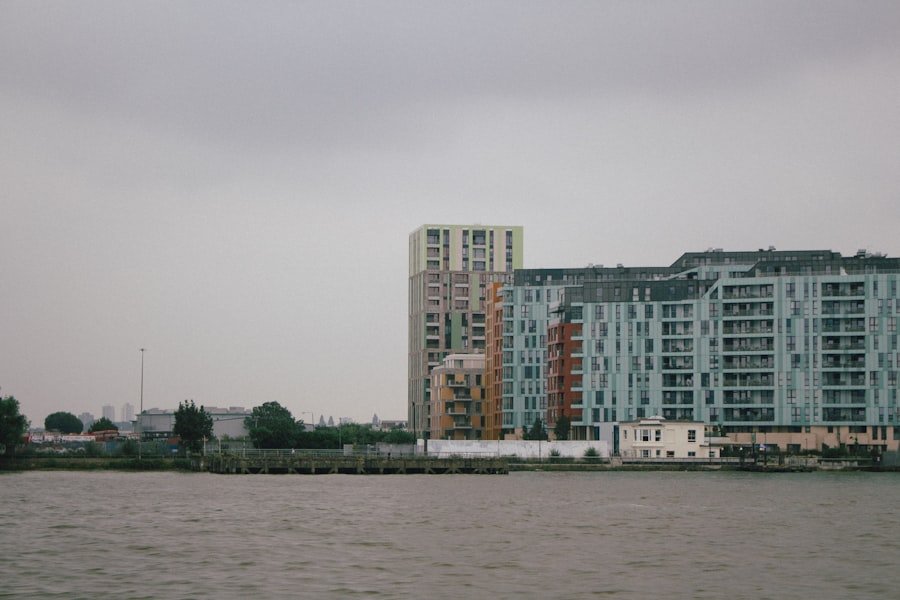
South Kensington is one of the easiest family bases when museums are high on your list. The Natural History Museum, Science Museum, and V&A South Kensington sit close together, while Kensington Gardens gives children room to move after an indoor visit.
The Natural History Museum’s visitor information confirms that its main galleries are free to explore. It is open daily from 10:00 to 17:50, with a 17:30 last entry, although it lists specific closure dates, including 9 October 2026 and 24–26 December. The Science Museum and V&A also offer free general admission, though some exhibitions and activities cost extra.
Kensington Gardens adds an important break from sightseeing. The Diana, Princess of Wales Memorial Playground reopened on 5 August 2026 after a major renewal and remains free. Its new galleon and play areas are aimed at children, and only adults supervising children up to age 12 are admitted.
Best fit: first-time visitors, museum-loving children, and families who want a central base without spending every day on transport. The main drawback is cost: this is a high-demand central area, so family rooms can be less budget-friendly than in outer neighbourhoods.
Covent Garden: Best for Theatre, Street Entertainment, and Walkability
Covent Garden suits families who want to step outside and immediately feel central London around them. The market, street performers, theatres, restaurants, and nearby West End streets give older children and teenagers plenty to see without building every day around a Tube journey.
The London Transport Museum is one of the strongest indoor family attractions in the neighbourhood, especially for children interested in buses, trains, and the history of London travel. Families can also walk toward Leicester Square, Trafalgar Square, the Thames, and many West End theatres from this part of central London.
Best fit: short trips, theatre-focused stays, and families with older children who enjoy a lively setting. It is less suitable if you want large parks outside the hotel or a residential atmosphere at night.
Greenwich: Best for Maritime History and Open Space
Greenwich gives families a different London experience: historic attractions sit beside a large Royal Park and a calmer riverside setting. It is a particularly good choice if your children enjoy ships, astronomy, maps, or wide outdoor spaces.
Maritime Greenwich is one UNESCO World Heritage Site, not several separate World Heritage Sites. The Royal Observatory, Cutty Sark, National Maritime Museum, Queen’s House, Greenwich Park, and the historic town centre can fill more than one day without repeated trips across London.
Current Royal Museums Greenwich ticket information lists free entry to the National Maritime Museum and Queen’s House. As of October 1, 2026, the Royal Observatory is listed at £24 for adults and £12 for children, while a combined Observatory and Cutty Sark Day Pass is £38 for adults and £19 for children. Prices and temporary offers can change, so these figures apply to the date checked.
Notting Hill: Best for Markets, Colourful Streets, and Park Breaks
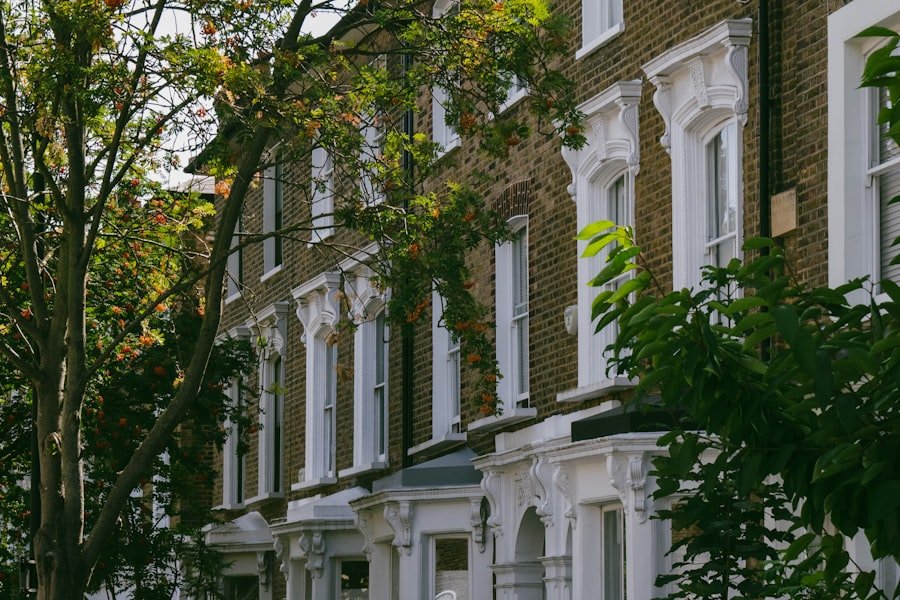
Notting Hill is a good family base if you prefer neighbourhood character to being surrounded by headline attractions. Portobello Road Market, colourful terraces, cafés, and independent shops give you plenty to explore on foot, while central London remains easy to reach.
Market days can be crowded, so families with pushchairs may prefer an earlier start or a quieter weekday wander. Portobello Road is still worth visiting outside the busiest trading periods because the surrounding streets and food options remain part of the experience.
For a longer outdoor break, Holland Park is within reach from the southern side of the neighbourhood. The council’s Holland Park adventure playground listing says the playground is free, designed for ages 5 to 14, and includes swings, slides, a zip-wire, multi-play units, and accessible equipment. It is listed as open daily from 7:30am until 30 minutes before dusk.
Best fit: families who like markets, cafés, photography, and a more residential feel. If your priority is walking to many major attractions, Covent Garden or South Kensington will usually be more convenient.
Marylebone: Best for a Calmer Central Stay
Marylebone offers a useful middle ground between central convenience and a more relaxed neighbourhood feel. Its cafés, independent shops, and residential streets make it easier to slow the pace without moving far from the West End.
Madame Tussauds London is the best-known family attraction in the area, and Regent’s Park is close enough for picnics, walks, and playground time. Marylebone Green Playground, in the southern part of Regent’s Park, includes climbing equipment, swings, sand play, and other features for children.
The neighbourhood also works well for mixed-age families. Adults can enjoy Marylebone High Street and nearby dining, while children have Regent’s Park as a reliable reset between sightseeing blocks.
Best fit: families who want central London without staying in its busiest entertainment streets. It is not as attraction-dense as South Kensington or Covent Garden, but that can be part of its appeal.
Richmond: Best for Nature, Riverside Walks, and Longer Stays
Richmond is a strong choice for families who want London to feel less urban at the end of the day. The town has a riverside setting, shops and restaurants, while Richmond Park offers a scale of open space that central neighbourhoods cannot match.
Richmond Park is the largest of London’s Royal Parks and contains free-roaming red and fallow deer. The Royal Parks’ wildlife guidance says the park covers about 2,500 acres and has a herd of roughly 630 deer. Visitors should keep at least 50 metres from deer and never feed them.
That wildlife makes Richmond memorable for children, but it also means the park is not a petting-zoo experience. Give animals space, keep food away from deer, and expect long walks if you want to explore more than one part of the park.
Best fit: longer stays, nature-loving families, and travellers who do not need to be in Zone 1 every evening. The main compromise is travel time to central sights, so Richmond works best when the slower pace is part of the plan.
Hampstead: Best for Leafy Streets and Hampstead Heath
Hampstead is a peaceful, character-filled choice for families who want green space and village-style streets while remaining within London. Hampstead Heath is the main draw, with broad open areas, Parliament Hill views, playgrounds, and walking routes that feel far removed from the West End.
The area is hillier than many central neighbourhoods, which can matter with a heavy pushchair or tired younger children. Families should also treat the Heath’s swimming ponds as planned swimming facilities rather than casual paddling spots.
The City of London’s Mixed Pond guidance states that children under 16 cannot attend alone and must be accompanied by an adult. Opening, booking, and payment arrangements vary seasonally, so swimming needs more planning than a normal park visit.
Best fit: families who value walks, cafés, and outdoor time more than being next to major tourist sights. If you have a pushchair, check your exact route from the station to the accommodation because hills can add effort to short-looking distances.
Canary Wharf: Best for Modern Transport, Waterfront Space, and Docklands
Canary Wharf gives families a modern, business-district version of London with wide public spaces, shopping, restaurants, and strong rail connections. It can feel quieter outside the working day than Covent Garden or the West End, which some families prefer.
The most useful nearby family attraction is London Museum Docklands at West India Quay. Its official visitor page lists free entry, no advance booking requirement for the free galleries, and daily opening from 10am to 5pm. The museum is a short walk from West India Quay DLR and Canary Wharf stations.
Waterfront paths and landscaped spaces make the area easy for a slower afternoon between sightseeing days. The trade-off is atmosphere: families seeking historic streets, traditional markets, or a classic London neighbourhood may find Canary Wharf more functional than charming.
Best fit: families who value modern transport, indoor shopping, Docklands history, and a calmer evening base. It also works well when your itinerary includes Greenwich or other East London attractions.
Finding the Right London Area for Your Family
There is no single neighbourhood that suits every family. Choose South Kensington for museum-heavy days, Covent Garden for central entertainment, Greenwich for history and park space, Notting Hill for markets, Marylebone for calm central convenience, Richmond or Hampstead for nature, and Canary Wharf for modern transport and Docklands access.
Before paying for a room, map two or three journeys you expect to make every day and check the final walk from the station. A slightly more expensive hotel can be better value if it saves repeated transfers, long walks with children, or late-night taxis.
If you’re looking for more ideas beyond accommodation, the existing Tagline Today guide to family-friendly activities in London can help you match your hotel area to the attractions your children will enjoy most.
Frequently Asked Questions
What are the best areas to stay in London for families?
South Kensington, Covent Garden, Greenwich, Notting Hill, Marylebone, Richmond, Hampstead, and Canary Wharf all suit different family trips. South Kensington is especially practical for museums and parks; Covent Garden works for central entertainment; Greenwich and Richmond offer more open space.
What makes South Kensington a great area for families to stay in London?
South Kensington puts the Natural History Museum, Science Museum, and V&A close together, with Kensington Gardens nearby for outdoor breaks. It is especially convenient for first-time visitors and younger children, although accommodation can cost more than in less central areas.
Why is Covent Garden a good choice for families visiting London?
Covent Garden is a good choice for families who want theatres, street performers, restaurants, shops, and central attractions within easy walking distance. It is lively rather than quiet, so families with very young children may prefer a calmer base for longer stays.
What makes Notting Hill a family-friendly area to stay in London?
Notting Hill gives families colourful streets, Portobello Road Market, cafés, and access to Holland Park without the constant intensity of the West End. It suits travellers who want neighbourhood atmosphere, though the market area can become crowded on busy trading days.
Do children travel free on public transport in London?
Children under 11 travel free on London buses and trams. Up to four children under 11 can also travel free with a fare-paying adult on the Tube, DLR, London Overground, Elizabeth line, and some National Rail services; children aged 11 to 15 need a ticket.
Sources
- Transport for London: child travel rules and visitor fare guidance.
- Natural History Museum: admission, opening times, and 2026 closure information.
- The Royal Parks — Diana Memorial Playground: reopening, admission, age rules, and facilities.
- Royal Museums Greenwich: current admission prices and free-entry sites.
- Royal Borough of Kensington and Chelsea: Holland Park adventure playground ages, hours, and facilities.
- The Royal Parks — Richmond Park wildlife: park size, deer population, and deer safety guidance.
- City of London — Hampstead Heath Mixed Pond: age, accompaniment, opening, and booking guidance.
- London Museum Docklands: free entry, opening hours, and transport information.