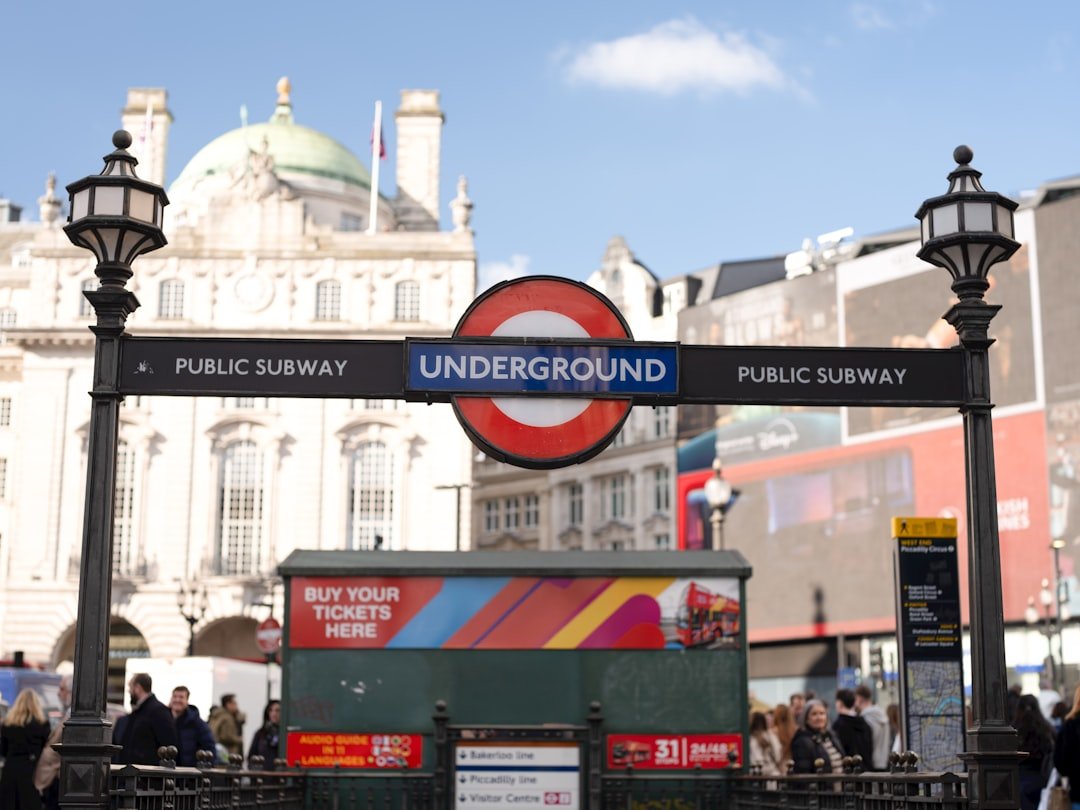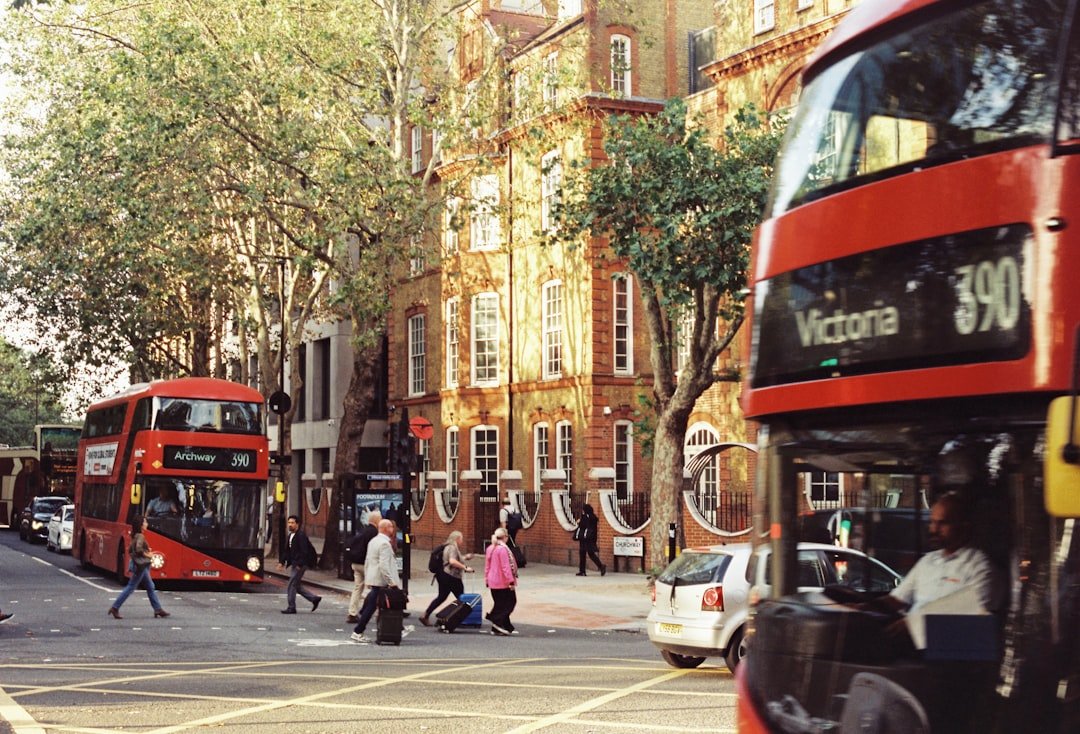
Four days in London gives you enough time to see major museums, explore two of the city’s best-known markets, take one rewarding day trip, and still spend a full day with classic London landmarks. The key is to group sights sensibly, avoid criss-crossing the city, and leave enough time for queues, meals, and walking.
Quick Answer
A balanced four-day London itinerary can combine the British Museum and National Gallery on Day 1, Borough and Camden markets on Day 2, Windsor or Oxford on Day 3, and Westminster, the South Bank, and other iconic central sights on Day 4.
Key Takeaways
- London rewards a neighborhood-based plan because its major attractions are spread across a large city.
- Day 1 works well for the British Museum and National Gallery, both of which offer free general admission.
- Day 2 can focus on Borough Market for food and Camden Market for independent shops, street food, and alternative culture.
- Use Day 3 for one day trip: choose Windsor for royal history or Oxford for colleges, libraries, and literary heritage.
- Keep Day 4 in central London for Westminster, the Thames, the South Bank, and other headline sights you have not yet seen.
At a Glance
| Time Required | 4 full sightseeing days |
| Difficulty | Moderate; expect substantial walking plus public transport |
| Tools Needed | Contactless card or Oyster card, comfortable shoes, maps app, and any pre-booked attraction tickets |
| Cost | Flexible: major museums can be free, while day trips, food, theatre, and ticketed landmarks increase the total |
Day 1: Explore the Museums
Start your first full day with two of London’s most important cultural institutions. Many major museums and galleries in the city offer free general admission, which makes Day 1 both rich in content and easy to adjust to your budget.
Begin at the British Museum in Bloomsbury. Its collection covers roughly two million years of human history and includes famous objects such as the Rosetta Stone and the Parthenon sculptures. The museum was established in 1753 and opened to the public in 1759 as the world’s first free national public museum. General admission remains free, although some special exhibitions require tickets. See the British Museum’s official history for background and current visitor information.
Give yourself at least a couple of hours rather than trying to see every gallery. The museum holds millions of objects, so it is more enjoyable to choose a few areas that genuinely interest you, such as ancient Egypt, Greece and Rome, or Mesopotamia.
After lunch, continue to Trafalgar Square for the National Gallery. Its collection focuses on Western European painting from the late medieval period into the early 20th century. General admission is free, and the collection includes works by artists such as Leonardo, Botticelli, Rembrandt, Turner, Monet, and Van Gogh. The Gallery’s official visitor admissions policy confirms free general entry and current opening information.
Pro Tip: Do not try to “complete” either museum. Pick a short must-see list, take a proper lunch break, and leave time to enjoy Trafalgar Square or Covent Garden between stops.
The British Museum
The British Museum is more than a collection of artifacts; it presents objects from cultures across the world and helps visitors trace human history across continents and centuries. Established by an Act of Parliament in 1753, it became the first national public museum of its kind and opened in 1759.
The building is also part of the experience. The Queen Elizabeth II Great Court, designed by Foster and Partners and opened in 2000, surrounds the historic Reading Room beneath a sweeping glass-and-steel roof.
Among the museum’s best-known objects is the Rosetta Stone, which provided a key to deciphering ancient Egyptian hieroglyphs. The galleries also include Egyptian mummies, Assyrian reliefs, Greek sculpture, coins, manuscripts, and objects from many other regions and periods.
The British Museum’s collection contains about eight million objects and spans roughly two million years of human history.
The National Gallery
Located in Trafalgar Square, the National Gallery is a strong second stop for visitors who want to move from archaeology and world history into painting. Its national collection includes more than 2,400 works and represents major traditions of Western European painting.
Visitors can see works by Botticelli, Rembrandt, Turner, Leonardo da Vinci, Monet, and many other major artists. Van Gogh’s Sunflowers is one of the Gallery’s best-known paintings, while Monet’s large Water-Lilies offers a very different late-career approach to color, reflection, and scale.
The Gallery also runs talks, tours, displays, and temporary exhibitions. Some temporary exhibitions may be ticketed even though general admission to the permanent collection is free.
Day 2: Discover the Markets
Use Day 2 to experience a different side of London through food, independent retail, and lively neighborhoods. Start south of the Thames at Borough Market, then travel north to Camden for an afternoon and evening with a more alternative feel.
Borough Market sits beside London Bridge and is one of the city’s best-known food markets. Its stalls and shops sell produce, baked goods, cheese, prepared dishes, and ingredients from Britain and around the world. Regular opening is Tuesday through Sunday, with Monday normally closed outside specified holiday periods. Check the official Borough Market visitor page for current hours.
After lunch, head to Camden Market. Camden is known for independent shops, street food, fashion, crafts, music culture, and a dense market environment around Camden Lock and the Stables. It is a very different experience from Borough, which makes the two markets complementary rather than repetitive.
Borough Market
A World of Flavors
Borough Market is at its best when you treat it as a place to taste rather than a checklist of stalls. You can find fresh produce, breads, cheeses, specialty ingredients, desserts, and prepared dishes that draw on many culinary traditions.
Because regular hours do not include Monday, plan this itinerary so Day 2 falls between Tuesday and Sunday. Saturdays are especially busy, while weekdays can be easier if you prefer more room to browse.
A Vibrant Atmosphere
Part of the appeal is the direct contact with traders and producers. Many vendors can explain where ingredients come from, how a product is made, or how to serve it. That makes the market useful not only for lunch but also for travelers interested in British food culture and specialty ingredients.
Events and Celebrations
Borough Market also hosts seasonal events, demonstrations, tastings, and other food-focused programming during the year. The schedule changes, so the official market calendar is the best place to confirm what is happening during your visit.
Note: Borough Market’s normal weekly schedule is not “daily.” Regular trading is Tuesday through Sunday, and special holiday schedules can differ.
Camden Market
Camden Market is closely associated with London’s alternative and creative culture. The wider market area combines fashion, vintage-style finds, artwork, crafts, gifts, food, and independent businesses in a network of indoor and outdoor spaces.
Food is one of Camden’s biggest draws. You will usually find a broad mix of cuisines and dietary options, making the area useful for groups that want different things without booking one restaurant. Music venues, nightlife, street activity, and the nearby Regent’s Canal add to the neighborhood’s energy.
Individual businesses can keep different hours, so use Camden as a flexible afternoon stop rather than planning around one specific stall unless you have already confirmed it.
Day 3: Take a Day Trip
For Day 3, choose one destination rather than trying to combine two major day trips. Windsor is the better choice if your priority is monarchy, royal architecture, and castle history. Oxford is better if you prefer university buildings, libraries, literary history, and a compact historic center.
Windsor Castle is an official residence of King Charles III and the oldest and largest occupied castle in the world. It was founded by William the Conqueror in the 11th century and has been home to 40 monarchs. Visitors can explore the State Apartments, St George’s Chapel when open to sightseeing, and the Castle precincts. Because it remains a working royal palace, visitor access can change at short notice. Use the Royal Collection Trust’s official Windsor Castle page before traveling.
Oxford offers a different kind of history. The University of Oxford is the oldest university in the English-speaking world, with evidence of teaching dating to 1096. The city center is filled with colleges, libraries, chapels, courtyards, and historic streets. The University’s official history page provides context for its long academic tradition.
Windsor Castle Day Trip
Windsor Castle has been connected with British kings and queens for nearly 1,000 years. Today it remains a working royal palace as well as one of Britain’s most important visitor attractions.
The State Apartments display historic interiors, furniture, paintings, and objects from the Royal Collection. St George’s Chapel is both an architectural highlight and a place of worship. It is also associated with the Order of the Garter and contains the burial places of monarchs including Henry VIII, Charles I, and Queen Elizabeth II.
Changing the Guard is another popular feature, but it does not take place every day and can be affected by weather or official duties. Do not make it the only reason for your visit.
Warning: Windsor Castle is a working royal residence. Entire areas can close at short notice, and St George’s Chapel is not open to sightseeing on Sundays. Check official closure information before you leave London.
Oxford Day Trip
Oxford gives you the chance to step into one of England’s most important academic cities. Its colleges and university buildings span centuries, and popular sights include the Radcliffe Camera, Bodleian Library area, Christ Church, and Magdalen College.
The city also has deep literary connections. Lewis Carroll studied and taught at Christ Church, while J.R.R. Tolkien and C.S. Lewis were part of the Inklings literary circle. The Eagle and Child pub is famous for its association with the group, but it is closed for restoration in 2026, so treat it as a historic exterior stop rather than planning a meal or drink there.
Finish your day with a walk through the historic center, a riverside stroll, a museum visit, or—when conditions and operators allow—a punt on the River Cherwell. Oxford is compact enough that a day trip can feel full without needing to rush between distant neighborhoods.
Day 4: See Iconic Central London
Use your final day for the famous central London sights that the original three-day plan missed. Start around Westminster, where you can see the Houses of Parliament, Big Ben, Westminster Abbey, and Parliament Square within a compact area.
From Westminster, walk through St James’s Park toward Buckingham Palace, then return toward the river or continue through Whitehall and Trafalgar Square. If you want to go inside a major paid attraction, choose one rather than stacking several timed entries into the same morning.
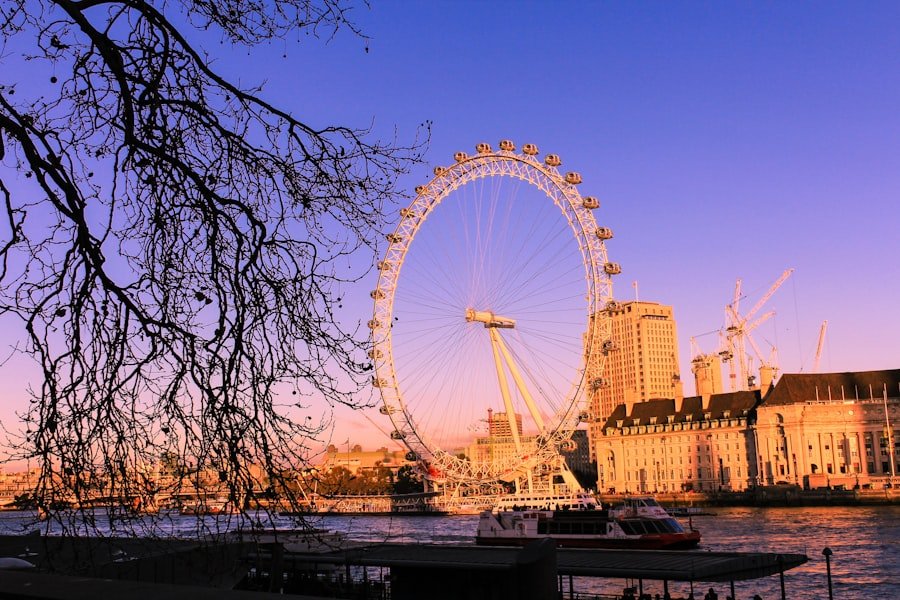
In the afternoon, cross the Thames and follow the South Bank. The riverside walk gives you views of the London Eye, the Palace of Westminster, bridges, performance venues, and the changing skyline. If you still have energy, continue east toward Tate Modern and the Millennium Bridge, or use the Tube to reach the Tower Bridge area.
This final day adds the classic London landmarks that most first-time visitors expect while keeping the museums, markets, and day trip from the earlier days intact.
Getting Around London Efficiently
London’s public transport system makes this itinerary practical without a car. For most visitors, pay as you go with a contactless bank card, mobile device, or Oyster card is the simplest option. Transport for London applies daily and weekly caps to eligible pay-as-you-go travel, so repeated journeys within the relevant zones do not keep charging indefinitely.
Use the same card or device every time you touch in and out. Mixing a physical card with a phone or watch linked to that card can prevent the system from calculating the correct fare. See Transport for London’s official pay-as-you-go guidance for current rules and fare information.
Comfortable shoes matter just as much as transport. London sightseeing often involves long station corridors, stairs, museum galleries, and extended outdoor walks even when you use the Tube between neighborhoods.
Making the Most of Your 4 Days in London
With four full days, you can experience several sides of London without turning the trip into a race. Museums introduce the city’s global collections and art, markets add food and neighborhood energy, a day trip brings in royal or academic history, and the final central-London day covers the landmarks many first-time visitors came to see.
The most useful planning rule is to protect your main activity for each half-day and keep the rest flexible. Allow room for queues, weather, transport delays, spontaneous stops, and meals. That creates a more realistic trip than trying to move from one famous attraction to another every hour.
If you are looking for more travel inspiration beyond London, compare other European destinations by the same factors used here: history, food, walkability, museums, day-trip options, and how much can realistically fit into each day.
Frequently Asked Questions
What are the must-visit museums in London for a 4-day itinerary?
The British Museum and National Gallery are excellent first choices because they cover very different subjects and offer free general admission. If you want more museum time, the Victoria and Albert Museum and Tate Modern are also strong options, but avoid trying to fit every major museum into four days.
What are the popular markets to visit in London during a 4-day itinerary?
Borough Market and Camden Market make a useful pair because one centers heavily on food and produce while the other mixes food with independent shops and alternative culture. Portobello Road and Covent Garden are additional options if they fit your route.
What are some recommended day trips from London for a 4-day itinerary?
Windsor and Oxford are the best fits for this itinerary. Bath and the Cotswolds are also popular, but they generally require more travel time. For a four-day first visit, choose one day trip so you still have enough time for London itself.
Is four days enough for a first trip to London?
Four full days is enough for a strong first visit if you group sights by area and accept that you will not see everything. This plan balances museums, markets, one day trip, and central landmarks without requiring constant cross-city travel.
Should I choose Windsor or Oxford for Day 3?
Choose Windsor if you are most interested in royalty, castles, and St George’s Chapel. Choose Oxford if you prefer university architecture, libraries, literary history, and a walkable historic center.
What is the easiest way to get around London for four days?
For most visitors, pay as you go with the same contactless card, mobile device, or Oyster card is the simplest option. Combine the Tube and buses with walking, and keep each day focused on nearby areas to reduce unnecessary travel time.
Sources
- British Museum — History — museum founding, public access, collection history, and Great Court background.
- National Gallery — Visitor Admissions Policy — free general admission, collection period, and visitor policy.
- Borough Market — Plan Your Visit — regular opening days, hours, and location.
- Royal Collection Trust — Windsor Castle — royal residence status, castle history, highlights, and visitor information.
- University of Oxford — History — Oxford’s age and evidence of teaching from 1096.
- Transport for London — Pay as You Go — contactless and Oyster use, fare capping, and touch-in/touch-out guidance.