Four days in London is enough to see the city’s biggest historic sights, world-class museums, food markets, green spaces, and a West End show without turning every day into a race. The key is to group attractions by area, book the busiest ticketed sights ahead, and leave a little room for weather, queues, and spontaneous stops.
Quick Answer
A practical four-day London itinerary starts with the Tower of London, Tower Bridge, Westminster, and Buckingham Palace; uses Day 2 for the British Museum, Covent Garden, and the National Gallery; spends Day 3 around Borough Market, the Thames, Tate Modern, and the West End; and saves Day 4 for Hyde Park and Kew Gardens.
Key Takeaways
- Group nearby sights together so you spend more time exploring and less time crossing London.
- Book major paid attractions and popular West End performances in advance, especially during school holidays and summer.
- Use contactless pay as you go or Oyster for most public transport rather than buying separate paper tickets for every journey.
- Check official opening times before each day because palaces, markets, gardens, churches, and exhibitions can change hours or close for events.
- Keep one or two flexible swaps ready for rain, tired legs, or a sold-out attraction.
Before You Start: Transport, Tickets, and Pace
London is large, but most first-time attractions are well connected by the Tube, Elizabeth line, buses, walking routes, and river services. Transport for London recommends pay as you go with contactless or Oyster for visitors. If you use contactless, use the same card or device throughout the journey so the system can calculate the correct fare and apply any eligible fare caps.
- Book first: Tower of London, Westminster Abbey, Buckingham Palace State Rooms when open, Kew Gardens, and any West End show you do not want to miss.
- Leave flexible: parks, street markets, shopping districts, river walks, and most free museum visits.
- Expect walking: even with public transport, a sightseeing day can involve several miles on foot. Comfortable shoes matter more than an ambitious checklist.
- Accessibility: check step-free transport routes and each attraction’s access page before travel if stairs, long walks, cobbles, or queueing could be difficult.
- Control the budget: mix paid landmarks with free museum collections, parks, markets, and neighborhood walks. Ticket prices change, so compare current official rates before buying a pass or bundle.
- Watch the calendar: Borough Market is normally closed on Mondays, with exceptions around some holidays and December trading.
Note: Opening hours and access can change for ceremonies, maintenance, bank holidays, exhibitions, and seasonal schedules. Check the official attraction page again shortly before your visit.
Day 1: Tower of London, Tower Bridge, Westminster, and Buckingham Palace
Begin your first day at the Tower of London, one of the best places to understand the city’s royal, military, and political history. The site has served as a fortress, royal palace, prison, armoury, and more. Its most famous attraction is the Crown Jewels, a working collection of royal regalia kept at the Tower and still used for major state ceremonies.
Allow a substantial part of the morning here rather than trying to rush through. Historic Royal Palaces recommends at least three hours for a fuller visit. The Crown Jewels, White Tower, Yeoman Warder tours, battlements, ravens, and medieval spaces can easily fill that time.
From the Tower, walk to Tower Bridge. You can simply cross the bridge for river views, or buy a ticket to visit the high-level walkways, glass floors, towers, and Victorian Engine Rooms. The structure is both a working bridge and one of London’s best-known pieces of Victorian engineering.
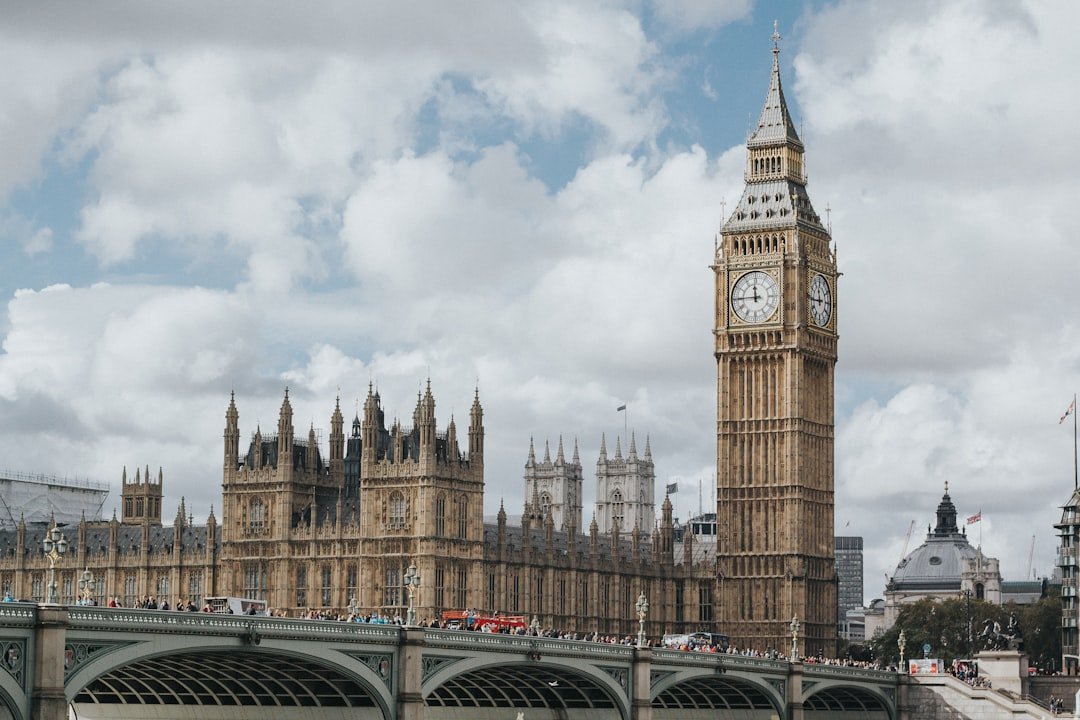
After lunch, continue west toward Westminster by river service, Tube, or another convenient route. Around Parliament Square you can see the Houses of Parliament, the Elizabeth Tower that houses Big Ben, and Westminster Abbey. If you want to enter Westminster Abbey, reserve enough time for the visit and check its schedule because it remains a working church and may close for services or special events.
Finish the day by walking through St James’s Park toward Buckingham Palace. The palace is the monarch’s official London residence. Its State Rooms open to visitors only on selected dates, so treat an interior visit as a pre-booked option rather than assuming it is available every day. Even when the State Rooms are closed, the palace exterior and surrounding royal parks fit naturally at the end of this route.
Pro Tip: Do not schedule a full Tower of London visit, a full Westminster Abbey visit, and a full Buckingham Palace State Rooms visit on the same day unless you are comfortable with a very long, tightly timed schedule. Choose one or two interiors and enjoy the rest from outside.
Day 2: Immerse Yourself in London’s Culture and History
Start Day 2 at the British Museum. The museum’s collection spans roughly two million years of human history across six continents, and general entry is free. One of its most famous objects is the Rosetta Stone, displayed in Room 4. Instead of trying to see everything, choose a few galleries that match your interests and give yourself time to look closely.
The museum also displays the Parthenon Sculptures, historically often referred to as the Elgin Marbles. “Parthenon Sculptures” is the museum’s current terminology and is clearer for travel planning.
After the museum, walk toward Covent Garden. The piazza, shops, cafés, Royal Opera House, and licensed street performers create a lively contrast with the museum galleries. This is a good place for lunch or coffee and a slower hour between major attractions.
Continue to Trafalgar Square and the National Gallery. General admission is free, although some temporary exhibitions charge. The collection focuses on European paintings and includes works by artists such as Van Gogh, Monet, and Leonardo da Vinci. If art is a major interest, give the gallery at least a couple of hours; otherwise, choose a short highlights visit and save energy for the evening.
For dinner, stay around Covent Garden, Soho, Chinatown, or the West End. These central neighborhoods give you many choices without requiring another long cross-city journey.
Day 3: Borough Market, the Thames, Tate Modern, and the West End
Make Day 3 your food-and-river day. Start with a traditional English breakfast if you want a substantial meal: eggs, bacon or sausages, beans, grilled tomatoes, toast, and optional black pudding are common components. Many cafés offer smaller or vegetarian versions, so you do not need to order the largest plate to get the experience.
Head to Borough Market for lunch rather than arriving after you are already full. The market brings together produce traders, specialist food retailers, street-food stalls, restaurants, and bars. Try one or two things you genuinely want instead of treating the market like a checklist. The official market schedule normally lists Tuesday through Sunday trading and a Monday closure, with holiday exceptions.
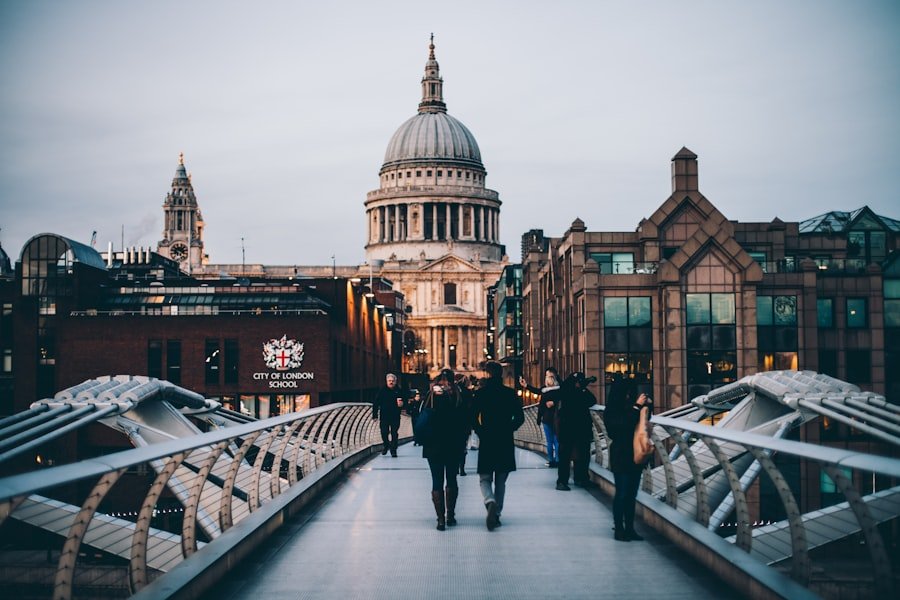
From Borough Market, walk along the South Bank toward Tate Modern. The riverside route gives you views of the Thames, Shakespeare’s Globe area, bridges, and St Paul’s Cathedral across the water. Tate Modern is housed in the former Bankside Power Station and is one of London’s major modern and contemporary art museums. Permanent collection displays and temporary exhibitions can have different ticket requirements, so check the current visitor page before you go.
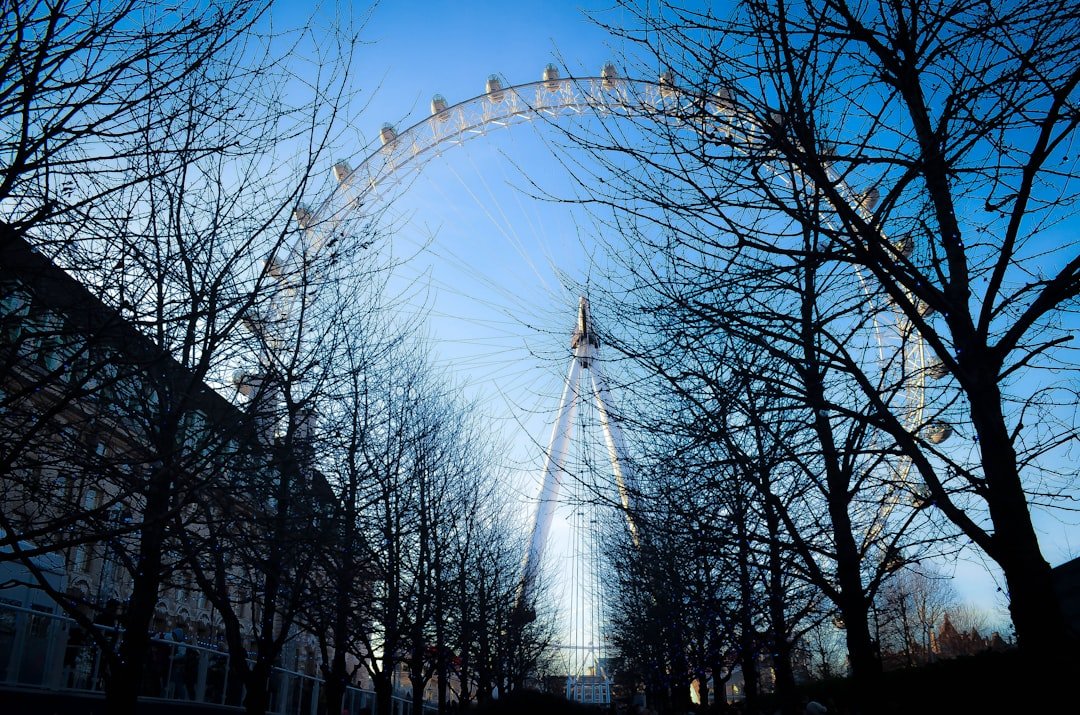
Later in the afternoon, take a Thames river service or sightseeing cruise if you want a break from walking. Depending on the route, you can pass landmarks such as the London Eye, Parliament, Tower Bridge, and riverside cultural sites. River travel is scenic, but it is also practical when it matches where you need to go next.
End the day with a West End show or musical. Long-running productions such as Les Misérables and Hamilton are currently booking London performances into March 2027, but schedules, casts, prices, and availability change. Buy from the production or theatre’s official ticket channel when possible.
Day 4: Relax in Hyde Park and Explore Kew Gardens
After three busy days, use Day 4 for London’s green spaces. Begin in Hyde Park, where broad paths, lawns, the Serpentine, cafés, and memorials provide a calmer pace. Row boats and pedalos are available on the Serpentine, weather permitting, and can be a pleasant change from museums and historic buildings.
The park is also home to Speakers’ Corner and the Diana, Princess of Wales Memorial Fountain. As of September 2026, the Royal Parks reports that the memorial fountain is temporarily closed because of a major water-system fault, so do not plan your visit around it without checking the latest status.
In the afternoon, travel to Kew Gardens. The Royal Botanic Gardens, Kew describes the site as a UNESCO World Heritage Site with more than 50,000 living plants. Its landscapes, glasshouses, botanical collections, seasonal displays, and treetop views can easily fill half a day.
Kew is large enough that it helps to choose priorities before you arrive. Check the official planned-closures page because individual glasshouses, galleries, gates, or paths can close for maintenance even when the gardens remain open. If you prefer a slower day, spend the full day at Kew and move Hyde Park to another morning.
Flexible London Experiences to Swap Into Your Itinerary
The original schedule includes several excellent experiences that do not need their own separate competing itinerary. Use the options below as swaps when weather, ticket availability, energy levels, or personal interests change your four-day plan.
Start the Day with a Traditional English Breakfast
A traditional English breakfast typically combines eggs with bacon, sausages, baked beans, grilled tomatoes, toast or fried bread, and sometimes black pudding. It is filling, so it works best on a day with plenty of walking. Pair it with tea or coffee, and consider sharing sides or choosing a smaller breakfast if you want to keep room for lunch at Borough Market.
Make Time for Afternoon Tea
If traditional afternoon tea is high on your list, reserve it rather than squeezing it between two major attractions. A classic service usually includes tea, finger sandwiches, scones with accompaniments, and small cakes or pastries. It fits best on Day 2 after museums or on a slower shopping afternoon, when you can give the experience time instead of rushing to the next sight.
Visit More World-Class Museums and Galleries
If the British Museum and National Gallery are not enough, add Tate Modern, the Victoria and Albert Museum, the Science Museum, or the Natural History Museum according to your interests. Tate Modern works especially well with Borough Market and the South Bank, while the Victoria and Albert Museum fits naturally with South Kensington.
The National Gallery is especially convenient for a short central-London art stop because it sits directly on Trafalgar Square. General admission is free, though ticketed exhibitions may cost extra. Booking a free general-admission slot can make entry smoother at busy times.
Experience London’s Nightlife and Entertainment
London nightlife ranges from neighborhood pubs and live-music venues to cocktail bars, clubs, comedy, and theatre. Shoreditch and Soho are known for energetic late-night options, while Mayfair leans more upscale. Choose an area close to your evening activity so you are not spending the last hour of the night crossing the city.
Take a Thames River Cruise or River Bus
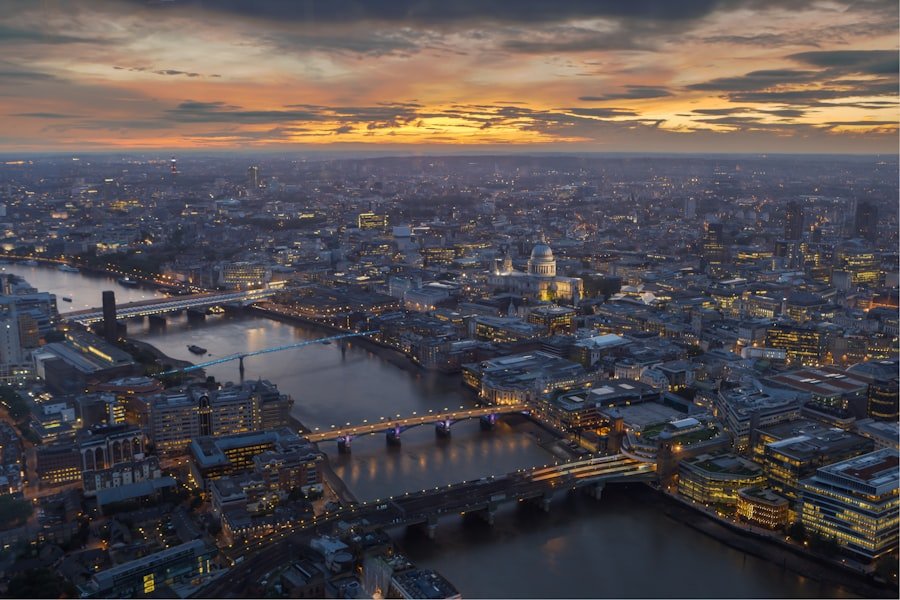
A daytime trip on the Thames gives you a different view of London’s skyline and can connect major sightseeing areas. Sightseeing cruises usually include commentary, while scheduled river buses focus more on transportation. Greenwich is a strong destination if you want the Royal Observatory, Greenwich Park, and maritime history; Westminster is useful for Parliament Square and Westminster Abbey.
Sample Street Food at Borough Market
Borough Market is one of London’s best-known food markets, with British and international food, produce, baked goods, cheese, meat, specialty products, and prepared dishes. Popular choices change with the traders, so browse before buying. The shared seating and surrounding streets make it easy to turn lunch into a relaxed stop rather than a rushed meal.
Shop Oxford Street, Covent Garden, Regent Street, or Knightsbridge
Oxford Street is a major central-London shopping street with department stores and high-street brands, including Selfridges. Nearby Regent Street offers more flagship stores, while Covent Garden mixes branded shops, boutiques, market-style retail, restaurants, and street entertainment. Knightsbridge is the place to go for luxury department stores such as Harrods and Harvey Nichols.
Catch a West End Show or Musical
A West End performance is one of London’s signature evening experiences. Productions range from long-running musicals to new plays, limited runs, and family shows. Theatres vary widely in age, layout, sightlines, accessibility, and legroom, so check the venue plan before choosing a seat. Booking early usually gives you a better choice for popular weekend performances.
If you have extra time, London’s must-see attractions extend beyond this four-day route. The London Eye, Westminster Abbey interiors, Greenwich, seasonal access to Buckingham Palace, additional museums, and neighborhood walks can be added according to your interests and ticket availability.
Sources
- Historic Royal Palaces — Tower of London ticket inclusions — supports recommended visit time and major Tower attractions.
- British Museum — Rosetta Stone — supports the Rosetta Stone location, collection context, free entry, and visitor information.
- National Gallery — Plan your visit — supports free general admission and current visitor guidance.
- Transport for London — Best ways for visitors to pay — supports contactless and Oyster pay-as-you-go guidance.
- Royal Botanic Gardens, Kew — Kew Gardens — supports UNESCO status and the living-plant collection.
- Borough Market — Plan your visit — supports normal trading days, opening times, and location.
Frequently Asked Questions
What are the must-see attractions in London?
For a first visit, strong priorities include the Tower of London, Tower Bridge, Westminster, Buckingham Palace, the British Museum, the National Gallery, Borough Market, the South Bank, and at least one major park. Add the London Eye, St Paul’s Cathedral, Kew Gardens, or Greenwich if they match your interests.
What are some recommended day trips from London?
Popular day trips include Windsor Castle, Oxford, Cambridge, Stonehenge, and the Warner Bros. Studio Tour London — The Making of Harry Potter. Travel time and advance-booking requirements vary, so choose one destination rather than trying to combine several distant places in one day.
What are the best ways to get around London?
For most visitors, the easiest mix is walking plus the Tube, Elizabeth line, buses, and occasional river travel. Transport for London recommends pay as you go with contactless or Oyster. Use the same card or device consistently when touching in and out so the correct fare is calculated.
What are some popular shopping areas in London?
Oxford Street, Regent Street, Covent Garden, Carnaby, and Knightsbridge are popular choices. Oxford Street and Regent Street suit major brands, Covent Garden mixes boutiques and entertainment, and Knightsbridge is known for luxury shopping.
What are some recommended dining options in London?
Try a traditional pub meal, a full English breakfast, food markets such as Borough Market, and cuisines from London’s many international communities. For a special meal, book a well-reviewed restaurant in advance; for a flexible day, markets and casual neighborhood restaurants are easier to fit around sightseeing.
Is four days enough for a first trip to London?
Yes. Four days is enough for a strong first-time overview if you group sights by area and avoid overbooking each day. You will not see everything, but you can cover the main historic landmarks, two or three museums, a market, a park, a river experience, and an evening show at a comfortable pace.
Which London attractions should I book in advance?
Book the attractions that use timed entry or can sell out, especially the Tower of London, Westminster Abbey, Buckingham Palace State Rooms when open, Kew Gardens on busy dates, special exhibitions, and West End performances. Free museums may also offer advance time slots that reduce waiting.