Three days in London is enough time to see many of the city’s signature landmarks, sample its food scene, visit world-class museums, and still leave room for a market, a show, or a neighborhood walk. The key is to group sights by area, book timed attractions before you arrive, and avoid crossing the city more often than necessary.
Quick Answer
For 72 hours in London, spend day one on the Tower of London, Tower Bridge, Westminster, Buckingham Palace, and the London Eye; use day two for the British Museum, National Gallery, Tate Modern, and the West End; then devote day three to Borough Market, neighborhood food, shopping, and a memorable dinner.
Key Takeaways
- Day 1: Focus on iconic landmarks such as the Tower of London, Tower Bridge, the Palace of Westminster and Big Ben, Buckingham Palace, and the London Eye.
- Day 2: Immerse yourself in London’s culture and history at the British Museum, National Gallery, Tate Modern, and, if your schedule allows, Westminster Abbey.
- Day 3: Sample traditional British food, Borough Market, afternoon tea, multicultural neighborhoods, and a special dinner.
- Getting around: Use the Tube, buses, walking, contactless payment or Oyster, and taxis when they save meaningful time.
- Where to stay: Choose a central base that matches your budget; saving 30 to 45 minutes of travel each day can matter more than staying in a trendier but distant area.
Note: This is a full first-time itinerary. If you book long interior tours at the Tower of London, Parliament, Westminster Abbey, and Buckingham Palace, you will need to drop or shorten another stop. Prioritize the attractions you most want to enter and treat the rest as exterior sightseeing.
Day 1: See London’s Iconic Landmarks
Morning: Tower of London and Tower Bridge
Begin at the Tower of London, a UNESCO World Heritage Site built around the 11th-century White Tower. Rather than saying it has stood for more than a millennium, it is more accurate to describe the complex as having nearly 1,000 years of royal, military, and political history.
The Tower served at different times as a fortress, royal palace, prison, treasury, and place of execution. Today, one of its biggest draws is the Crown Jewels, the royal regalia collection that includes the Imperial State Crown and the Koh-i-Noor diamond. Yeoman Warders, commonly called Beefeaters, lead tours that bring the Tower’s stories of intrigue, imprisonment, and royal drama to life. Allow roughly three hours if you want to see the major highlights without rushing.
From the Tower, walk to Tower Bridge. This Victorian bascule bridge is one of London’s best-known landmarks. A ticket to go inside includes the high-level walkways, the glass floors, and the historic Engine Rooms. If your schedule is tight, crossing the bridge on foot still gives you excellent river and skyline views without adding a full interior visit.
Afternoon: Westminster, Big Ben, and Buckingham Palace
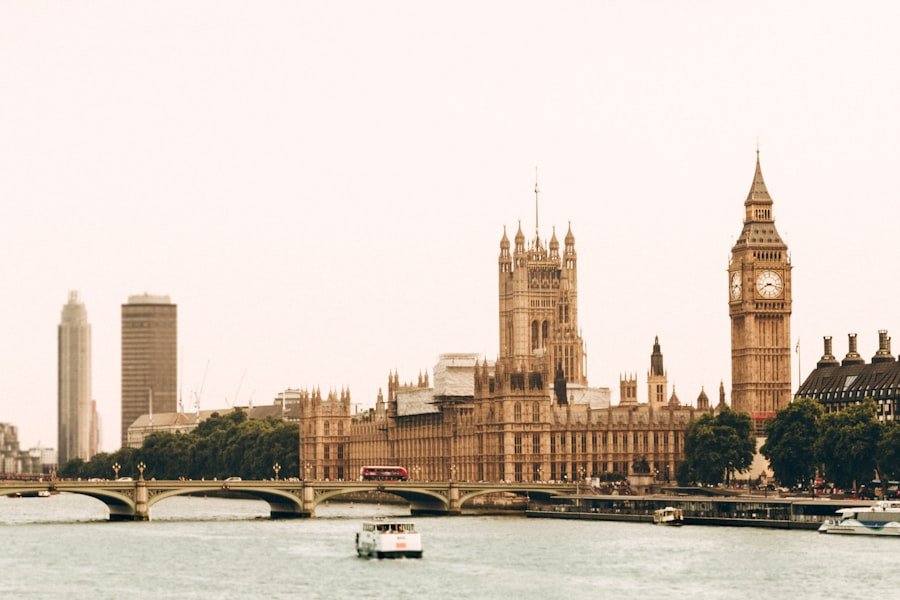
Next, travel west to Westminster. The Palace of Westminster is the home of the UK Parliament and forms part of a UNESCO World Heritage Site with Westminster Abbey and St Margaret’s Church. The clock tower is officially named the Elizabeth Tower; Big Ben is the nickname most closely associated with its Great Bell.
The article’s old claim that Big Ben is “currently undergoing renovations” is no longer correct. The Elizabeth Tower’s major conservation project was completed in 2022, and the bells returned to regular service that year. If you want to go inside Parliament, current public guided tours are structured visits and should be booked around your day rather than treated as a quick drop-in.
Westminster Abbey is only a short walk away. It has been the coronation church since 1066 and is a major stop for travelers interested in British history. If you plan to enter both Parliament and the Abbey, consider making Tower Bridge an exterior-only stop so the day stays realistic.
Continue through St James’s Park toward Buckingham Palace. The palace is the King’s official London residence and a working royal palace. Its State Rooms usually open to visitors during a limited summer season, with selected guided-tour dates at other times, so do not assume the interior is open every day of the year.
Evening: London Eye and the South Bank
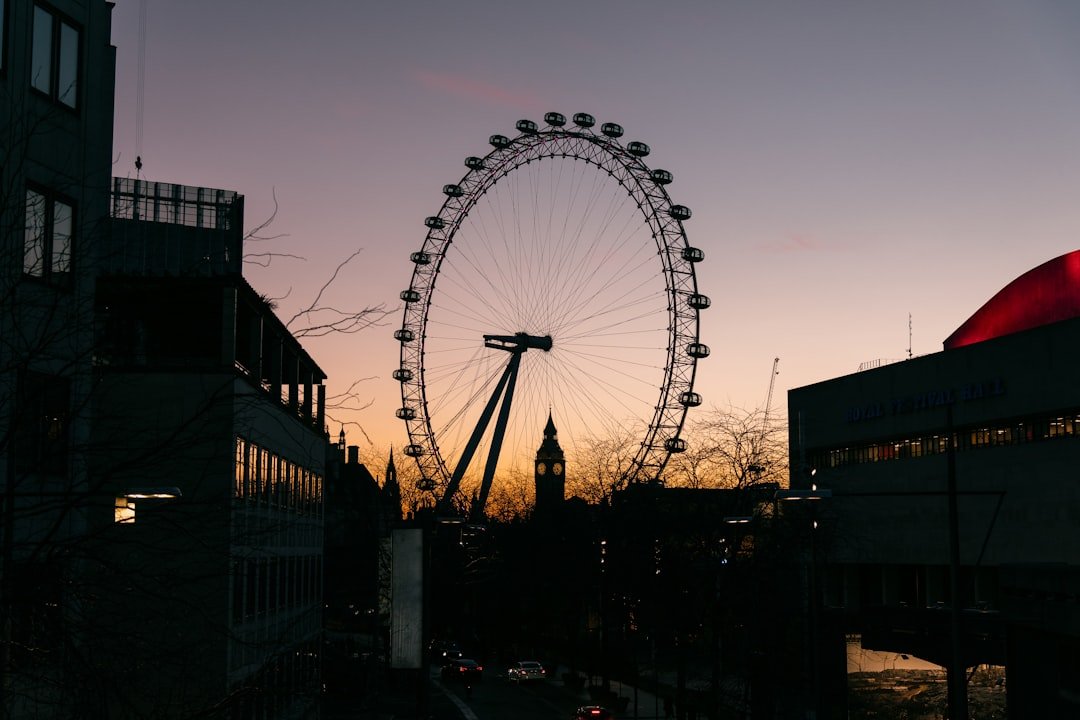
Finish the sightseeing day around the South Bank. The London Eye gives you a broad view across the Thames toward Westminster and central London, while the riverside walk provides a free alternative if you prefer not to book another ticket. An evening slot can be especially convenient because it keeps your daytime hours available for historic sites with earlier closing times.
Pro Tip: Put your longest timed attraction first each day. For day one, that is usually the Tower of London. Then let the rest of the day flex around queues, security checks, weather, and how much time you actually spend inside.
Day 2: Immerse Yourself in London’s Culture and History
Morning: British Museum
Start your second day at the British Museum, an essential stop for many history enthusiasts. Its collection contains more than eight million objects and spans two million years of human history. Famous displays include the Rosetta Stone, while permanent-collection admission is free. Advance booking is recommended even when general admission does not carry a charge.
Do not try to see everything. Pick two or three galleries that match your interests and give yourself a clear stopping time. That approach provides more value than racing through room after room simply to say you covered the whole museum.
Afternoon: National Gallery and Tate Modern
After the British Museum, head toward Trafalgar Square and the National Gallery. General admission to the national collection is free, and the gallery displays Western European paintings from the 13th to the early 20th centuries. The collection includes works by Leonardo da Vinci, Monet, and Van Gogh.
The original article described the gallery as a place for “leisurely exploration,” and that remains good advice. If art is a major reason for your trip, spend longer here and save Tate Modern for another visit. If you want variety, keep the National Gallery focused and continue to Tate Modern on Bankside.
London’s major museums can fill an entire day each. In a 72-hour trip, a selective visit usually creates a better experience than trying to complete every gallery.
Tate Modern occupies the former Bankside Power Station beside the Thames and focuses on modern and contemporary art. Its permanent collection is free to visit, while some temporary exhibitions require paid tickets. Works and displays change, but artists represented in the collection include figures such as Picasso and Warhol.
Evening: Covent Garden, Soho, or a West End Show
End the day in central London around Covent Garden, Soho, or the West End. A theatre performance is one of London’s classic evening experiences. Long-running productions such as The Phantom of the Opera are examples of the kind of show you may find, but schedules and casts change, so check the current performance calendar and book popular dates ahead.
Day 3: Indulge in London’s Culinary Delights
On day three, make London’s diverse food scene the main event. Start with a traditional English breakfast at a local café if you want something hearty. A full breakfast commonly includes eggs, bacon, sausages, baked beans, grilled tomatoes, mushrooms, and toast, although exact combinations vary by café.
Morning or Lunch: Borough Market
For a lighter or more international start, Borough Market is a strong breakfast, brunch, or lunch stop when it is open. The market brings together produce traders, bakeries, specialty foods, restaurants, and street-food vendors near London Bridge. Check its current trading hours before you go, particularly if your third day falls on a Monday or a bank holiday.
From Borough Market, you can continue along the Thames or build the afternoon around one food neighborhood. Brick Lane is known for curry houses and Bangladeshi heritage, Chinatown is a practical choice for dim sum and regional Chinese food, and Soho offers everything from casual counters to destination restaurants. Choosing one area prevents the day from becoming a cross-city food checklist.
Afternoon Tea and Dinner
If afternoon tea is on your London list, reserve it rather than trying to squeeze it between meals. Luxury hotels are famous for formal afternoon tea, but cafés, restaurants, and other venues offer less expensive versions as well.
For a special final dinner, London has a deep Michelin-starred dining scene. The Ledbury and Restaurant Gordon Ramsay remain prominent high-end examples, but tasting menus can require advance reservations and may take several hours. If that is not your style, a gastropub, neighborhood restaurant, or classic fish-and-chips meal can be just as memorable and easier on the schedule.
Getting Around: Navigating London’s Transportation
London’s transport network is extensive, and the Tube is usually the fastest way to cover longer distances within central London. Transport for London states that the Underground has 11 lines covering 402 kilometers and serving 272 stations. Buses are slower for some journeys but give you street-level views and can be useful when Tube stations are not close to your start or destination.
For most short-term visitors, pay as you go with contactless or Oyster is simpler than buying paper single tickets. TfL applies fare caps on eligible journeys. Use the same contactless card or device throughout the day so the system can calculate the correct fares. On Tube and rail services, touch in and out where required; on buses, touch in when you board.
Walking is often the best option between clustered sights such as Westminster, St James’s Park, Buckingham Palace, Trafalgar Square, Covent Garden, and parts of the South Bank. London also has Santander Cycles for short bike trips. Taxis, licensed minicabs, and ride-hailing services can be useful late at night, with luggage, or when a direct ride saves a complicated transfer.
Warning: Do not tap into the transport system with one card and tap out with a different card or device. Even if both are linked to the same bank account, TfL may treat them as separate payment methods and charge incomplete-journey fares.
Where to Stay: Accommodation Options for Every Budget
London has accommodation for almost every budget, but location matters more on a short trip than it does on a week-long stay. A slightly more expensive room near a Tube station in Zones 1 or 2 can save enough travel time to make the difference between seeing one more attraction and spending another hour in transit.
Luxury travelers can consider well-known hotels such as The Savoy on the Strand or The Ritz London near Piccadilly and Green Park. Mayfair and nearby St James’s also offer many upscale options. These hotels are known for polished service, fine dining, and central locations, and some also offer spa facilities. Room views and amenities vary by property and room category.
For mid-range travelers, Covent Garden puts you close to theatres and major sights, while Shoreditch offers a livelier East London atmosphere with good transport links. Budget-conscious travelers can look at hostels, university-style rooms in some seasons, and budget hotel chains across areas such as Kensington, King’s Cross, Paddington, Camden, or farther out along a direct Tube line.
Before booking, compare the total cost rather than the headline room rate. Check taxes, breakfast, cancellation terms, air conditioning in warmer months, elevator access if you have heavy luggage, and the walking distance to the nearest station.
Shopping and Entertainment: Unforgettable Experiences in London
London offers everything from department stores and global fashion brands to independent shops and open-air markets. Oxford Street is one of the city’s major high-street shopping areas, while nearby Regent Street has an elegant mix of flagship stores and premium brands.
For a different atmosphere, Camden Market combines alternative fashion, gifts, street food, bars, and independent traders. Portobello Road Market in Notting Hill is known for antiques, vintage finds, and colorful streets; Saturday is its main trading day and usually the busiest.
After shopping, a West End show can turn the evening into a classic London experience. Productions range from long-running musicals to new plays and limited runs, so treat examples such as The Phantom of the Opera as current choices to verify rather than permanent fixtures.
Hidden Gems: Off-the-Beaten-Path Attractions
London’s famous sights draw the largest crowds, but smaller stops can give the trip more personality. Leadenhall Market in the City of London is an ornate covered market with Victorian architecture, shops, and places to eat or drink. It works especially well as a short stop when you are already exploring the eastern side of central London.
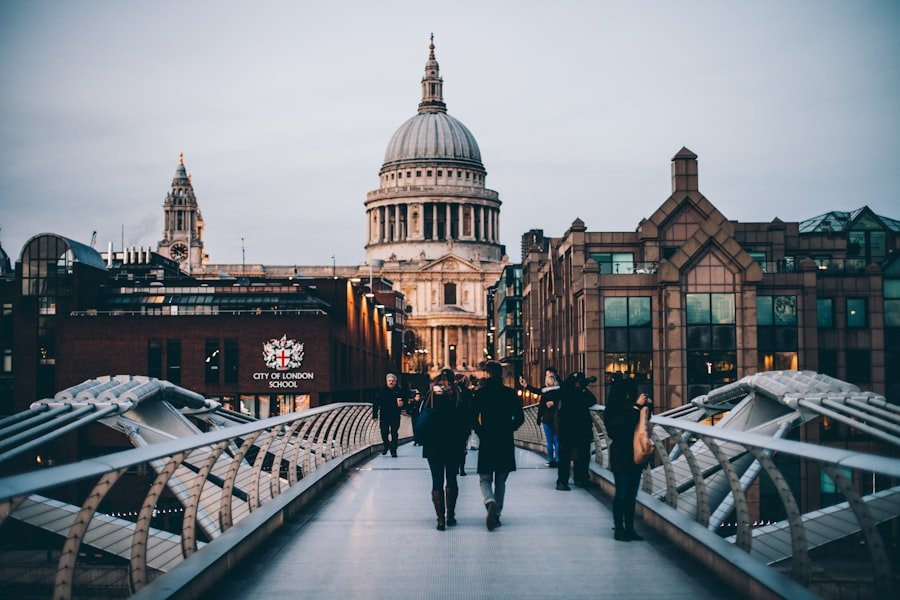
Postman’s Park, near St Paul’s Cathedral, provides a quieter break from busy streets. Its Memorial to Heroic Self-Sacrifice commemorates people who died while trying to save others. The park is compact, reflective, and easy to combine with a walk through the City.
Exploring these smaller places can help you connect with London beyond the headline attractions and discover stories that are easy to miss on a tightly scheduled first visit.
Day Trips: Exploring the Surrounding Areas of London
London is a strong base for day trips, but a trip outside the city uses a large share of a 72-hour visit. If this is your first time in London, consider a day trip only if Windsor, Bath, or Stratford-upon-Avon matters more to you than one of the three London days above.
Windsor Castle is the easiest royal-history option. The castle is one of the King’s official residences and has more than 1,000 years of royal history. Rail journeys from London can be well under an hour depending on the route, but always check live schedules and the castle’s opening calendar because it is a working royal site.
Bath is another excellent choice for history and architecture. It is known for the Roman Baths, Bath Abbey, and Georgian landmarks such as the Royal Crescent. Direct Great Western Railway journeys from London Paddington to Bath Spa are typically around 1 hour 20 minutes, making it practical as a full-day trip.
Stratford-upon-Avon, the birthplace of William Shakespeare, offers Tudor-era streets and Shakespeare-related sites. It is farther away: the fastest rail journeys from London Marylebone take a little over two hours, so this option works best when you are happy to dedicate most of a day to the excursion.
Note: Do not add a day trip on top of the three-day itinerary. Replace one London day with the excursion, or extend your trip to four days or more.
Nightlife: Enjoying London’s Vibrant Night Scene
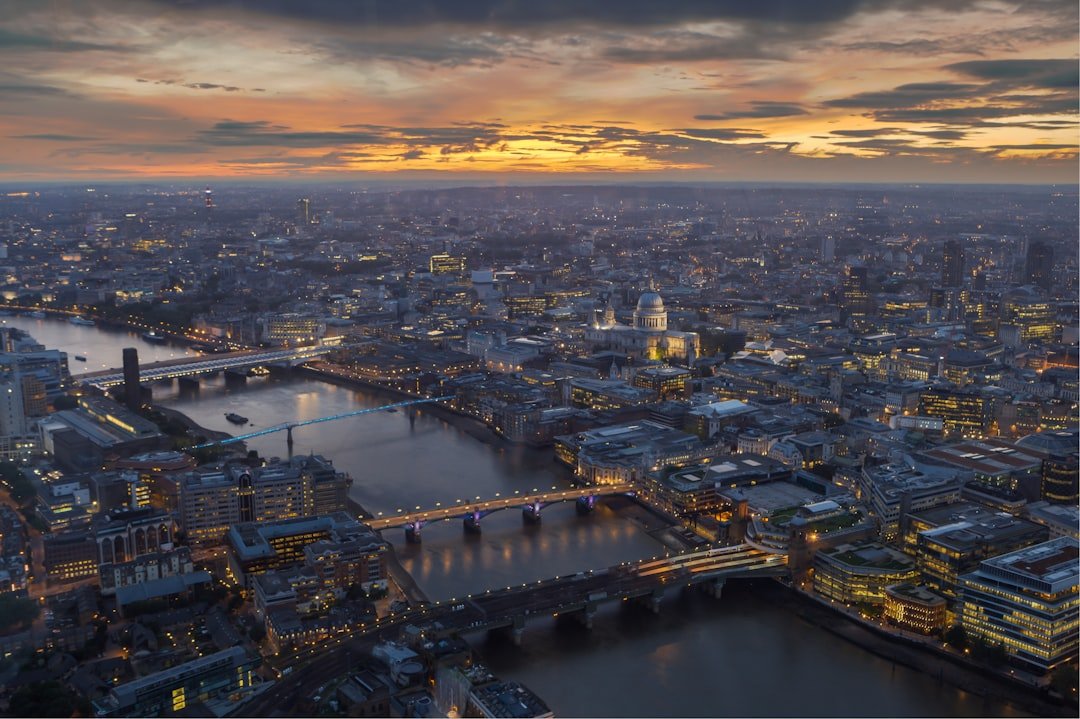
After dark, London offers pubs, cocktail bars, live music, theatre, clubs, and skyline venues. Shoreditch is known for bars and nightlife, while Mayfair offers more upscale options. For drinks with a view, Sky Garden has free public-access visiting periods that normally require a timed booking, while Aqua Shard operates as a restaurant and bar high inside The Shard.
Live-music fans can check The O2 arena for major touring acts or Camden’s Roundhouse for concerts and other performances. Event schedules change constantly, so choose a venue based on what is actually playing during your dates rather than building the trip around a generic recommendation.
If you prefer a quieter evening, a traditional pub can be a better fit. Order at the bar where that is the house style, try a local ale if you drink alcohol, or simply use the pub as a relaxed place for dinner and conversation. Many pubs also show live sports, although the atmosphere can become busy on major match nights.
Practical Tips: Essential Information for a Smooth Trip
- Book high-demand attractions first. The Tower of London, London Eye, Parliament tours, Westminster Abbey, Buckingham Palace openings, theatre tickets, and popular restaurants can all shape the rest of your itinerary.
- Check opening days, not just opening hours. Working royal and religious sites can close for official events or services, and markets may have different schedules by day.
- Keep each day geographic. Grouping Tower Hill and London Bridge, Westminster and St James’s, or Trafalgar Square and the West End reduces wasted travel time.
- Expect security checks. Major attractions and government buildings may require bag checks, so do not schedule back-to-back timed entries with no buffer.
- Avoid rush hour where practical. Central Tube and rail services can become crowded during weekday commuting periods, especially when you are traveling with luggage.
- Tip thoughtfully. In restaurants, a 10% to 15% tip is customary when a service charge has not already been added. Check the bill before tipping twice.
- Prepare for changing weather. A compact umbrella or light waterproof layer is useful in any season, but also check the forecast before leaving your hotel.
- Plan for accessibility. London has many step-free transport options, but not every Tube station is step-free. Check the route in advance if stairs, long walking distances, or luggage are a concern.
- Compare sightseeing passes before buying. A London sightseeing pass can save money if it covers attractions you already intend to visit, but buying a pass does not automatically make every itinerary cheaper.
Making the Most of Your 72 Hours in London
London can easily fill a week, but 72 hours is enough for a strong first visit when you plan by neighborhood and accept that you will not see everything. Use day one for major landmarks, day two for museums and culture, and day three for food, markets, shopping, and a special evening. Keep one or two stops optional so the trip still works when queues, weather, or simple curiosity slow you down.
The best version of this itinerary is not the one with the highest attraction count. It is the one that gives you enough time to enjoy the Tower’s history, pause in front of a painting, eat without watching the clock, and walk a stretch of the Thames instead of spending the whole trip racing between reservations.
If you are looking for more London travel inspiration, use current official attraction and tourism information to compare what is open during your dates before adding extra stops. That gives you the same planning value as a “top attractions” list without relying on the article’s previous broken internal link.
Sources
- Historic Royal Palaces — Tower of London — Tower history, Crown Jewels, visitor information, and Yeoman Warder context.
- UK Parliament — Conservation of Elizabeth Tower and Big Ben — confirms the 2017–2022 conservation and restoration status.
- Transport for London — What we do — London Underground line, distance, and station figures.
- Transport for London — Pay as you go — contactless, Oyster, touch rules, and fare capping.
- Visit London — Free museums in London — current guidance for major free museums and galleries, including Tate Modern and the National Gallery.
- Royal Collection Trust — Official royal residences — current status of Buckingham Palace and Windsor Castle as official residences of The King.
Frequently Asked Questions
What are the must-see attractions in London?
For a first 72-hour visit, strong priorities include the Tower of London, Tower Bridge, the Westminster area, Buckingham Palace, the London Eye, one or two major museums, and a West End or food-market experience. Choose interior visits based on your interests rather than trying to enter every landmark.
What are some recommended activities in London?
Popular activities include a Thames cruise, browsing Camden or Borough Market, exploring street art and nightlife around Shoreditch, enjoying afternoon tea, seeing a West End show, walking the South Bank, and visiting a traditional pub.
What are the best ways to get around London?
Use the Tube for longer central-London journeys, buses for useful surface routes, and walking for clusters of nearby sights. Contactless payment and Oyster both support pay-as-you-go travel. Taxis and licensed ride services are useful when luggage, late hours, or awkward transfers make public transport less convenient.
What are some popular dining options in London?
Try traditional fish and chips, a gastropub meal, Borough Market, Indian or Bangladeshi food around Brick Lane, dim sum or regional Chinese food in Chinatown, afternoon tea, or a Michelin-starred restaurant if you want a special-occasion dinner.
What are some tips for making the most of 72 hours in London?
Plan ahead, group attractions by neighborhood, book your highest-priority timed entries first, leave buffers for security and queues, and keep one stop each day optional. Use public transport and walking together, and compare the cost of a sightseeing pass only after you know which paid attractions you will actually visit.
Is 72 hours enough for London?
Yes for a first overview, but not for everything. Three days is enough to cover several major landmarks, a few museums or galleries, food neighborhoods, and one or two evening experiences. Save outer neighborhoods and day trips for a longer visit unless they are a personal priority.
Should I use Oyster or contactless payment in London?
Either can work well for pay-as-you-go travel. Contactless is convenient if your card or device is accepted without expensive foreign transaction fees. Oyster can be useful for travelers who prefer a dedicated transport card. Whichever method you use, stay consistent with the same card or device so fare capping works correctly.