A London to Canterbury day trip is one of the easiest ways to see a historic English cathedral city without staying overnight. Canterbury is compact enough to explore on foot, and the fastest direct trains from London St Pancras reach Canterbury West in roughly 50 to 55 minutes. With an early start, you can comfortably combine Canterbury Cathedral, the medieval city centre, Chaucer-related history, and one or two additional attractions.
Quick Answer
Canterbury is an excellent day trip from London. The fastest direct trains from St Pancras to Canterbury West take about 50–55 minutes, and most major sights are walkable from the station. Allow roughly 6–8 hours in Canterbury if you want to visit the cathedral, explore the historic centre, eat lunch, and see another major attraction.
Key Takeaways
- The fastest common rail option is a Southeastern service from London St Pancras International to Canterbury West.
- Canterbury Cathedral, St Augustine’s Abbey, and St Martin’s Church together form Canterbury’s UNESCO World Heritage property.
- Most central attractions are close enough to explore on foot, so a car is unnecessary for a standard city-centre day trip.
- The Canterbury Tales Experience offers a modern immersive introduction to Chaucer’s medieval pilgrims and usually takes about 45–60 minutes.
- Check train schedules and cathedral opening information before leaving London because services, events, and conservation work can affect access.
Getting from London to Canterbury
Traveling from London to Canterbury is straightforward, but the journey time depends heavily on which London station you use. For most visitors who value speed, the best option is the Southeastern high-speed service from London St Pancras International to Canterbury West.
Southeastern currently lists an average journey of about 55 minutes on this route, with the fastest services taking roughly 50–51 minutes. Canterbury West is also convenient for the historic centre, Westgate Gardens, and the cathedral area.
The fastest London St Pancras to Canterbury West trains can complete the journey in about 50 minutes, making Canterbury practical even when you only have one full day available.
Other Southeastern services run from London terminals such as Charing Cross and Victoria. These can be useful if you are staying close to those stations, but journey times may be substantially longer. Victoria services also commonly serve Canterbury East, while Charing Cross services can reach Canterbury West.
Pro Tip: Compare total door-to-door time rather than train time alone. A slightly slower train from a station near your London hotel can sometimes be easier than crossing London to reach St Pancras.
Traveling by Coach
National Express is the main long-distance coach option. Current London-to-Canterbury coach services operate from London Victoria Coach Station to Canterbury Bus Station, with the fastest scheduled journeys taking about two hours.
A coach can be useful for travelers prioritizing price over speed. However, traffic can make the journey less predictable, so the train is usually better when you want to maximize sightseeing time.
Driving from London
Driving gives you flexibility if Canterbury is only one stop on a wider Kent trip. For a straightforward city-centre visit, however, taking the train is normally simpler because you avoid London traffic and do not have to find parking after arrival.
If you do drive, use an official city car park or park-and-ride facility and explore central Canterbury on foot.
Exploring Canterbury

Canterbury’s historic centre is compact, making walking the easiest way to explore it. From Canterbury West station, you can approach the centre through the Westgate area and continue toward the High Street, cathedral precincts, and medieval lanes.
The city’s history stretches back to Roman Britain, and traces of different periods remain visible throughout the centre. Visitors interested in the Roman period can also consider Canterbury Roman Museum, while those focused on medieval and religious history will find the cathedral precinct, St Augustine’s Abbey, and St Martin’s Church especially important.
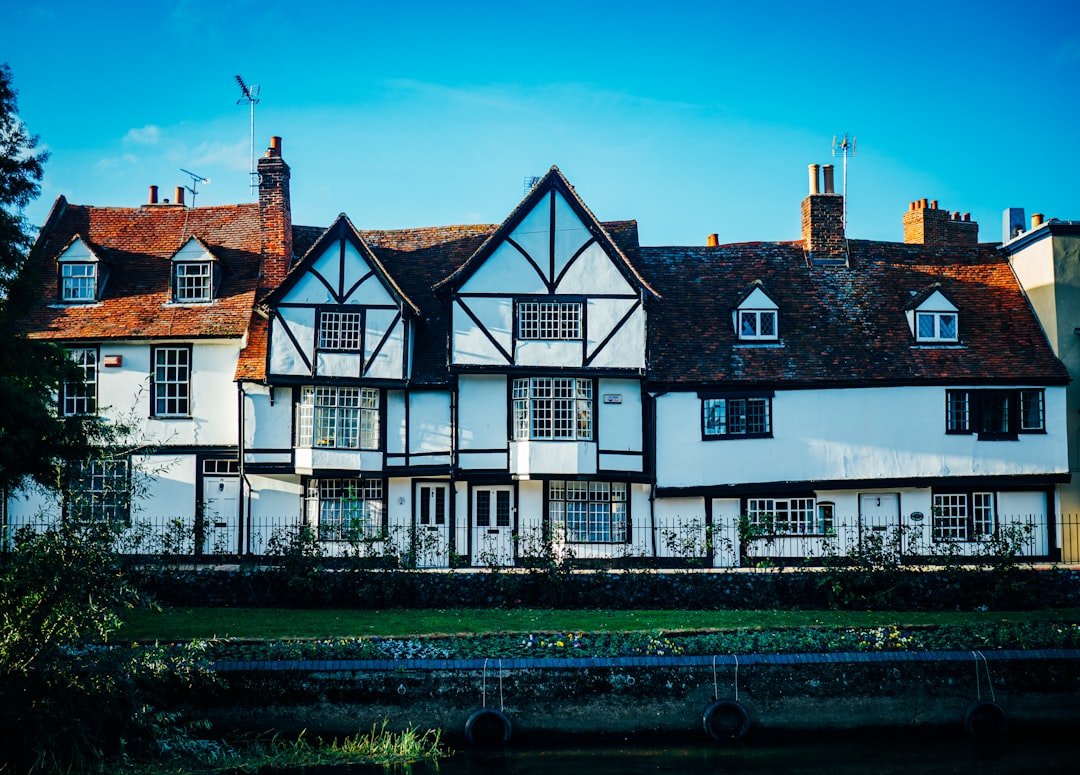
For a relaxed break between historic sites, walk through Westgate Gardens beside the Great Stour. Seasonal punt and river trips also provide a different perspective on the city and its waterside buildings.
Canterbury Cathedral
Canterbury Cathedral is the central attraction for most first-time visitors. The first cathedral was established after St Augustine arrived in Kent in 597, although much of the building visible today reflects later Norman, Romanesque, and Gothic rebuilding.
The cathedral is part of the UNESCO World Heritage property that also includes St Augustine’s Abbey and St Martin’s Church. It is also the seat of the Archbishop of Canterbury and the mother church of the worldwide Anglican Communion.
One of the most important events in its history was the murder of Archbishop Thomas Becket inside the cathedral on 29 December 1170. His death helped transform Canterbury into one of medieval Europe’s major pilgrimage destinations and later became central to the cultural world associated with Geoffrey Chaucer’s The Canterbury Tales.
The Trinity Chapel was built to house Becket’s shrine. The medieval shrine itself no longer survives: it was destroyed on Henry VIII’s orders in 1538. Today, its former position in the chapel is marked rather than occupied by the original shrine.
Note: Canterbury Cathedral is an active place of worship, not simply a tourist attraction. Sightseeing hours can change for services, special events, and conservation work. Check the official opening and ticket information before your trip. Attending a service or entering to pray is free, while normal sightseeing admission uses the visitor ticket system.
Give the cathedral at least 90 minutes if it is your main reason for visiting Canterbury. Visitors particularly interested in architecture, stained glass, pilgrimage history, or the crypt can easily spend longer.
Canterbury Tales
Geoffrey Chaucer wrote The Canterbury Tales in the late 14th century. The work follows a group of pilgrims traveling toward Canterbury and the shrine of Thomas Becket, with members of the group telling stories along the way. The collection remains one of the most important works of Middle English literature.
Visitors can now experience a modern version of this literary history at The Canterbury Tales Experience on St Margaret’s Street. The attraction has been reimagined for 2026 with immersive sets, sound, special effects, animation, and other storytelling technology.
The walk-through experience normally lasts about 45–60 minutes. It can be a useful addition for families or travelers who want a more accessible introduction to Chaucer after visiting the cathedral.
If your schedule is tight, treat the experience as optional rather than essential. Canterbury Cathedral and the historic centre should generally come first on a first visit.
Shopping and Dining in Canterbury
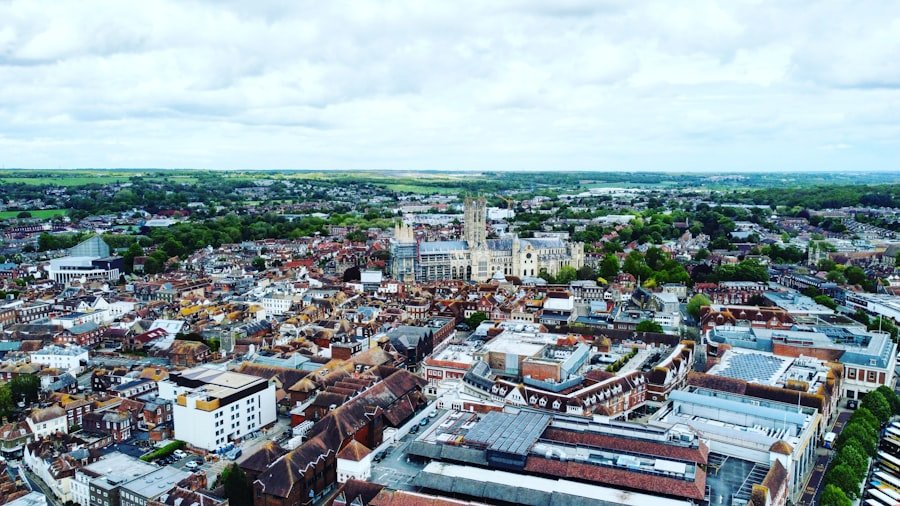
Canterbury’s central shopping streets mix national retailers with independent shops, cafes, pubs, bakeries, and restaurants. Mercery Lane, the High Street, St Margaret’s Street, and the smaller streets around the cathedral are convenient places to browse without making a major detour from the sightseeing route.
For lunch on a day trip, choose somewhere close to your next attraction rather than crossing the city for a specific restaurant. A traditional pub lunch, cafe meal, or quick bakery stop can keep the itinerary moving while still giving you time to enjoy the city.
If you want a local connection, look for Kent-produced drinks, seasonal produce, or regional dishes rather than assuming every venue serves the same “traditional” specialties. Menus change frequently, so check the current menu before choosing a restaurant around a particular dish.
Other Historic Places Worth Adding
St Augustine’s Abbey
St Augustine’s Abbey is one of Canterbury’s three UNESCO World Heritage components. The ruined abbey and its museum help explain the development of Christianity in Anglo-Saxon England and provide useful context for the cathedral.
It is a strong second major historic attraction if you have enough time after the cathedral.
St Martin’s Church
St Martin’s Church is the third component of the UNESCO World Heritage property. Unlike St Augustine’s Abbey, it is not a ruined monument. It is an existing historic church associated with the earliest phases of Christianity in Anglo-Saxon Canterbury.
Westgate Gardens and the River Stour
For a less structured part of the day, walk through Westgate Gardens along the Great Stour. It is particularly useful after several hours inside historic buildings and requires much less time than another ticketed attraction.
Seasonal punt trips are another option if weather and operating schedules allow.
Day Trip Itinerary
A successful London to Canterbury day trip does not require visiting every attraction. A better approach is to give the cathedral enough time, walk through the historic centre, and choose one or two additional experiences based on your interests.
8:00–9:30 AM: Travel from London
Leave London early enough to reach Canterbury during the morning. If the timetable suits you, a direct St Pancras to Canterbury West service offers the shortest rail journey.
Check live Southeastern information before leaving your hotel, especially at weekends or during engineering work.
9:30–10:00 AM: Walk into the Historic Centre
From Canterbury West, walk through the Westgate area toward the centre. This gives you an immediate introduction to the city without needing a taxi or local bus.
10:00 AM–12:00 PM: Canterbury Cathedral
Make the cathedral your first major attraction. Allow roughly 90 minutes to two hours, depending on your interest in history, architecture, stained glass, and pilgrimage.
Opening arrangements can differ on Sundays and can change for services or special events, so confirm access before finalizing the day’s order.
12:00–1:00 PM: Historic Centre and Lunch
Walk through Mercery Lane, the High Street, and the lanes around the cathedral before stopping for lunch. Keeping lunch near the centre saves valuable sightseeing time.
1:00–2:00 PM: The Canterbury Tales Experience
If Chaucer or medieval storytelling interests you, spend about 45–60 minutes at The Canterbury Tales Experience. If not, use this hour for the Roman Museum, shopping, or a longer lunch.
2:15–3:45 PM: St Augustine’s Abbey
Continue to St Augustine’s Abbey for another important part of Canterbury’s UNESCO history. Check the current English Heritage opening schedule before visiting because admission hours can change seasonally.
4:00–5:00 PM: Westgate Gardens or River Stour
Finish with a relaxed walk beside the River Stour and through Westgate Gardens. Depending on the season and your return train, you could also take a punt trip.
5:00 PM onward: Return to London
Walk back to Canterbury West or Canterbury East according to your booked route. Leave a reasonable buffer before departure rather than arriving at the station at the last minute.
If You Only Have Four to Five Hours
Prioritize Canterbury Cathedral, the historic centre, Westgate Gardens, and either St Augustine’s Abbey or The Canterbury Tales Experience. Trying to fit every attraction into a short visit will leave little time to enjoy the city itself.
Conclusion and Tips for a Successful Day Trip
A day trip from London to Canterbury works especially well because the fastest rail journey is short and the historic centre is compact. For most first-time visitors, Canterbury Cathedral should be the priority, followed by a walk through the old centre and one additional attraction such as St Augustine’s Abbey or The Canterbury Tales Experience.
Check your train before leaving London, confirm cathedral and attraction opening times, wear comfortable shoes, and avoid building the itinerary around too many timed admissions. Most of Canterbury’s appeal comes from combining its major monuments with the medieval streets, river, gardens, and smaller discoveries between them.
With an early departure and a sensible return time, six to eight hours in Canterbury is enough for a rewarding visit without making the day feel rushed.
Sources
- Southeastern Railway — London St Pancras to Canterbury West journey times and rail planning.
- National Express — current London to Canterbury coach information.
- Canterbury Cathedral — sightseeing opening hours, admission, and visitor information.
- UNESCO World Heritage Centre — Canterbury Cathedral, St Augustine’s Abbey, and St Martin’s Church World Heritage information.
- English Heritage — St Augustine’s Abbey history and visitor information.
- The Canterbury Tales Experience — current attraction format, duration, and visitor details.
Frequently Asked Questions
What is a day trip from London to Canterbury?
A London to Canterbury day trip is a same-day visit from the capital to the historic cathedral city in Kent. Most visitors travel by train, explore Canterbury Cathedral and the old city centre, add one or two attractions, and return to London in the evening.
How far is Canterbury from London?
Canterbury is roughly 55–60 miles from central London depending on the route. Rail distance and road distance vary, so travel time is more useful for planning than mileage. The fastest direct St Pancras to Canterbury West trains take roughly 50–55 minutes.
What are the main attractions in Canterbury?
The main attractions include Canterbury Cathedral, St Augustine’s Abbey, St Martin’s Church, The Canterbury Tales Experience, Canterbury Roman Museum, Westgate Gardens, the River Stour, and the medieval streets of the historic centre. The cathedral, St Augustine’s Abbey, and St Martin’s Church together form the UNESCO World Heritage property.
How long does it take to explore Canterbury on a day trip?
Four to five hours is enough for the cathedral and a focused walk through the centre, but six to eight hours gives you time for lunch and one or two additional attractions without rushing.
How can I travel from London to Canterbury for a day trip?
The fastest option is usually a Southeastern train from London St Pancras International to Canterbury West. Direct and connecting services also operate from other London terminals, while National Express runs coaches from London Victoria Coach Station. Driving is possible but normally unnecessary for a city-centre visit.
Which Canterbury station is best for a day trip?
Canterbury West is particularly convenient if you take the fast train from St Pancras and want to approach the centre through the Westgate area. Canterbury East is also within walking distance of central attractions and may be more convenient for some Victoria services. Choose the station that gives you the best overall London-to-Canterbury journey.
Should I book Canterbury Cathedral in advance?
Advance booking is useful during busy periods and helps you confirm current sightseeing access. The cathedral is an active place of worship, so opening times and access to individual areas can change for services, special events, and conservation work. Check the official cathedral website shortly before your visit.