Camden Market is one of North London’s best-known places for independent shopping, global food, alternative fashion, music culture, and canalside exploring. What began with just 16 stalls in 1974 has grown into a large destination made up of three main quarters: Camden Lock, Stables Market, and Hawley Wharf. Knowing how those areas differ makes a first visit much easier.
Quick Answer
Camden Market combines independent shops, vintage fashion, street food, restaurants, music, and entertainment beside Regent’s Canal. The main market currently covers Lock, Stables, and Hawley Wharf. Allow a few hours to explore, arrive earlier for easier browsing, and use public transport because the market has no dedicated car park.
Key Takeaways
- Camden Market began on 30 March 1974 with just 16 stalls selling antiques, jewellery, arts, and crafts.
- The current core market is divided into three quarters: Lock, Stables, and Hawley Wharf.
- Expect independent shops, vintage and alternative fashion, handmade goods, global street food, restaurants, and entertainment.
- The main Camden Market currently lists daily opening hours of 10am–7pm, but individual traders and Hawley Wharf businesses may follow different schedules.
- Camden Town, Chalk Farm, and Camden Road are the most useful nearby rail stations, and public transport is easier than driving.
History of Camden Market
The modern Camden Market story began on 30 March 1974, when a small market opened beside Regent’s Canal with 16 stalls selling antiques, jewellery, arts, and crafts. Before that, the surrounding area had a much more industrial character, with warehouses, workshops, distilleries, and canal-related trade.
The nearby Dingwalls music venue opened in 1973, one year before the market. As Camden became closely associated with rock, punk, alternative music, and nightlife, fashion traders and independent designers also helped shape the market’s identity. Camden became a place where music, clothing, art, and counterculture overlapped rather than simply a conventional shopping district.
Over the following decades, the market expanded considerably. Stables and Lock became part of Camden Market as a whole in 2014, while the redeveloped Hawley Wharf opened in 2021. Today, Camden Market says it has more than 1,000 places to shop, eat, drink, and experience.
You can read the market’s own historical timeline on the official Camden Market history page.
Know the Three Main Camden Market Quarters
Camden Market can feel confusing on a first visit because it spreads across several interconnected spaces. The official market now describes three main quarters.
| Quarter | What to Expect | Best For |
|---|---|---|
| Camden Lock | Canalside market spaces, independent traders, food, gifts, and classic Camden scenery. | First-time visitors and Regent’s Canal views. |
| Stables | Historic cobbled spaces, fashion, accessories, vintage finds, food, and distinctive shops. | Alternative fashion, browsing, and Camden character. |
| Hawley Wharf | Covered food halls, retail, restaurants, entertainment, canalside areas, and modern facilities. | Food, families, wet-weather visits, and step-free access. |
Must-Visit Shops and Stalls
Shopping remains one of the main reasons to explore Camden Market. Instead of treating it like a conventional shopping centre, give yourself time to browse smaller stalls and independent businesses. Fashion, jewellery, art, accessories, gifts, vintage clothing, handmade products, and unusual homewares can all appear as you move between the different quarters.
Cyberdog
One of Camden’s most recognizable specialist shops is Cyberdog in Stables Market. The futuristic store specializes in neon clubwear, dancewear, accessories, and bold alternative fashion. Its oversized robot entrance and high-energy interior make the shop an attraction even for visitors who are only browsing.
Vintage and Independent Traders
Camden has a long association with vintage clothing and alternative style. Stock changes constantly, so part of the appeal is searching through rails and displays rather than arriving for one guaranteed product. Look carefully at condition, sizing, materials, and prices before buying vintage pieces.
Pro Tip: Do one quick walk through an area before making several purchases. Camden has many similar-looking stalls, and comparing quality, price, and originality can help you find something you actually want to take home.
Food and Drink Options
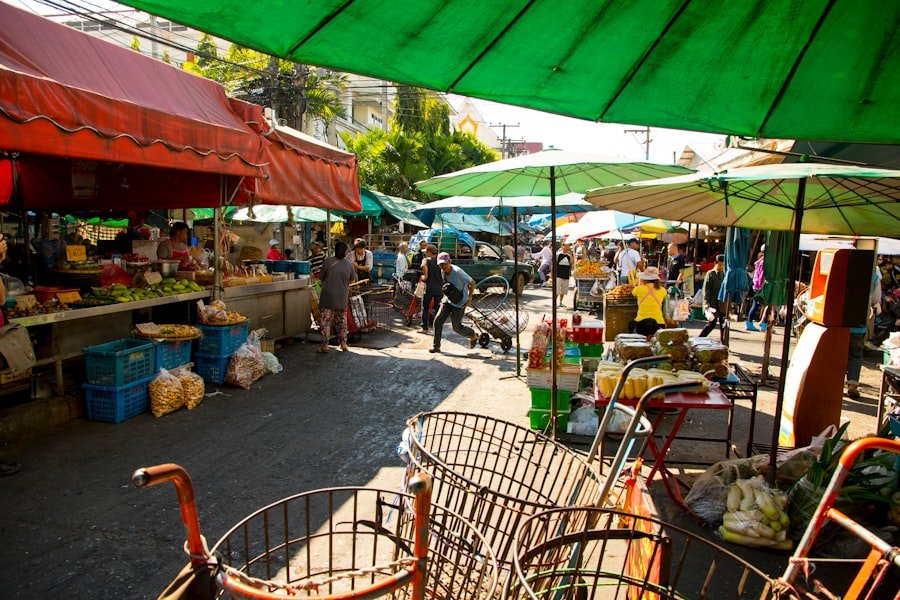
Food is a major part of the Camden Market experience. The current official food directory includes cuisines from around the world, with traders serving dishes such as Greek gyros, Cantonese roasted meats, Thai food, Venezuelan wraps, vegan falafel, pasta, burgers, baked goods, desserts, and ice cream.
Current names in the market directory include Athens Original Gyros, Three Uncles, Pad Thai Cafe, Magic Falafel, The Cheese Wheel, Arepazo Bros, Chin Chin Labs, and several other street-food and restaurant businesses. Traders change over time, so use the official Camden Market food and drink directory if there is a particular place you want to try.
Hawley Wharf is especially useful when you want covered food halls and seating, while the older market areas provide the classic experience of walking between independent stalls and eating beside the canal.
Note: If you have a food allergy or strict dietary requirement, ask the individual trader about ingredients, preparation, and possible cross-contact. Do not assume that a dish is allergen-free simply because it is described as vegan, vegetarian, or gluten-free.
Live Music and Entertainment
Camden’s relationship with music goes back decades. Dingwalls opened beside Camden Lock in 1973, and the wider Camden area became closely associated with rock, punk, indie, and alternative culture. That history is still an important part of the market’s identity.
Today, entertainment is better treated as a scheduled part of Camden Market rather than something you should assume will be happening everywhere at all times. The official calendar regularly lists live performances, DJ sets, cultural celebrations, family activities, pop-ups, screenings, food events, and seasonal programmes.
If live music is a priority, check the official Camden Market events calendar shortly before you go. The schedule changes throughout the year, and some events require advance booking even when admission is free.
Tips for Navigating the Market
Camden Market is much easier to enjoy when you treat it as several connected areas rather than one building. You may move through outdoor lanes, historic cobbled sections, covered halls, food courts, and canalside spaces during a single visit.
- Start earlier for easier browsing. If avoiding the busiest periods matters to you, arriving near opening time on a weekday is usually more comfortable than arriving around the middle of a busy weekend day.
- Use the official market map. It can help you locate Lock, Stables, Hawley Wharf, food halls, toilets, lifts, and entrances.
- Wear comfortable shoes. You can cover a surprising amount of ground, and some Stables and Lock surfaces are cobbled or uneven.
- Dress for London weather. Parts of the market are outdoors, although Hawley Wharf and other covered areas provide shelter.
- Allow enough time. Around two to three hours works for a basic shop-and-food visit; allow longer if you enjoy slow browsing, are attending an event, or plan to walk along Regent’s Canal.
- Keep track of your belongings. As in any busy visitor area, keep phones, wallets, bags, and purchases secure in crowded sections.
Opening Hours and Best Time to Visit
As of September 2026, Camden Market’s official Visit Us page lists the main Camden Market as open Monday to Sunday, 10am–7pm, including bank holidays. The market’s FAQ also notes that many individual traders operate approximately 10am–6pm, so a particular shop or stall may close earlier than the overall site.
Hawley Wharf follows separate hours. Its food halls currently operate later into the evening, while retail opening times vary by day. Individual restaurants, bars, experiences, and shops can also set their own hours.
The market says it is open seven days a week and closes on Christmas Day. Because operating schedules can change, confirm current hours on the official Visit Us page before making a special trip for one business.
For shopping and photography with fewer people around you, an earlier weekday visit is generally the easiest choice. Weekends provide more of Camden’s busy-market atmosphere but can make slow browsing harder.
Getting to Camden Market
Public transport is normally the simplest option because Camden Market does not have its own dedicated car park and parking around Camden Town is limited.
- Camden Town Underground: Northern line and the closest commonly used Tube station for the market.
- Chalk Farm Underground: Northern line and convenient for the Stables/Roundhouse end of the area.
- Camden Road: London Overground and another useful option, particularly for Hawley Wharf and visitors avoiding the Underground.
Camden Market also has several pedestrian entrances from Camden Lock Place, Chalk Farm Road, Water Lane, Kentish Town Road, and the Regent’s Canal towpath. Check live transport conditions with Transport for London before travelling because station restrictions, closures, and service conditions can change.
Accessibility and Visitor Facilities
Accessibility differs between parts of Camden Market. According to the market’s current accessibility information, Hawley Wharf has step-free access and lifts to all floors. It also has a Changing Places toilet.
Much of Stables and Lock is step-free, but their historic buildings, cobbles, and uneven surfaces can be more difficult for some wheelchair users, people with limited mobility, and visitors pushing buggies.
Accessible toilets, ramps, and lifts are marked on the market map. Visitors with specific access requirements should check the official Camden Market accessibility information before travelling.
Accessibility Note: Hawley Wharf is generally the simplest quarter for visitors who need reliable lifts and step-free indoor routes. Stables and Lock retain historic cobbles and uneven surfaces, so check the official map before choosing your route.
Camden Market Events and Festivals
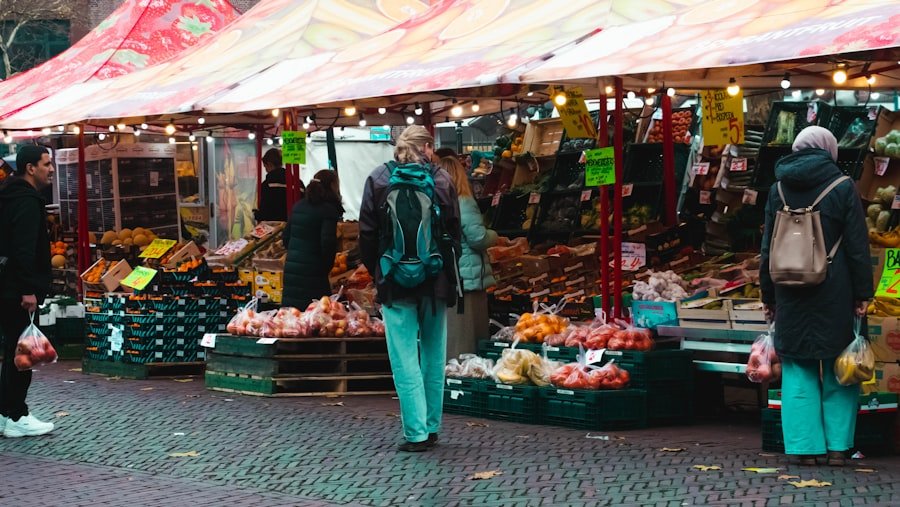
Camden Market hosts a changing programme of music, cultural celebrations, family activities, food events, performances, pop-ups, screenings, and workshops throughout the year.
The official 2026 arts and culture programme has included Chinese New Year celebrations, a St. Patrick’s Festival, Easter activities, summer live music and family programming, and the South Asian Mela, with further cultural programming scheduled later in the year. The main events page also lists individual performances and short-term events that may not form part of the annual programme.
As of 9 September 2026, the official calendar also lists North Yard Night Markets through 10 September. Because event dates and booking arrangements change quickly, always check the official calendar before building your trip around a particular performance or festival.
Nearby Attractions and Landmarks
Camden Market can easily be combined with several nearby London attractions, so you do not have to make the market your only stop of the day.
Regent’s Canal
Regent’s Canal runs directly beside Camden Market. A canalside walk provides a quieter contrast to Camden High Street and can be extended toward Regent’s Park or in the opposite direction toward King’s Cross.
The Roundhouse
The Roundhouse on Chalk Farm Road is one of Camden’s best-known music and performing-arts venues. Check its programme if you want to pair your market visit with a concert, performance, or other event.
Regent’s Park and London Zoo
Regent’s Park and London Zoo are also within the wider Camden/Regent’s Park area. They work well as additions when you have most of a day available rather than only a short market visit.
Camden High Street itself is worth walking slowly. Shopfronts, music venues, street art, pubs, restaurants, and the surrounding side streets are a significant part of the Camden Town experience beyond the official market boundaries.
Sustainable and Ethical Shopping Options
One of the simplest ways to make a lower-waste purchase at Camden is to focus on vintage, second-hand, repaired, handmade, or upcycled products. Camden has long been associated with vintage clothing and independent traders, which can make it easier to choose an existing item instead of buying newly mass-produced goods.
Camden Market has also publicized environmental initiatives such as recycling, waste-management changes, and support for vintage and upcycled businesses. However, sustainability standards can vary between individual traders, so avoid assuming that every product sold in the market is locally made, ethical, recycled, or environmentally certified.
If those factors matter to you, ask the seller where an item was made, what materials it uses, whether it is handmade or mass-produced, and what makes a sustainability claim verifiable. That gives you more useful information than relying on a general label such as “eco-friendly.”
Conclusion
Camden Market is more than a row of souvenir stalls. Its appeal comes from the mix of historic market spaces, independent shopping, alternative fashion, global food, music culture, events, and Regent’s Canal. First-time visitors will get more from the experience by understanding the difference between Lock, Stables, and Hawley Wharf and by checking current hours and events before arriving.
For a simple first visit, start around Camden Lock, explore Stables, continue to Hawley Wharf for food or covered space, and leave time for the canal or nearby Camden attractions. Comfortable shoes, a little extra time, and an open mind for browsing are more useful than trying to follow a rigid itinerary.
For the latest map, trader listings, opening information, and visitor updates, use the official Camden Market website before your visit.
Frequently Asked Questions
What is Camden Market?
Camden Market is a large shopping, food, and entertainment destination in Camden Town, London. Its three main quarters are Camden Lock, Stables Market, and Hawley Wharf, with independent traders, shops, street food, restaurants, and experiences beside Regent’s Canal.
When is Camden Market open?
As of September 2026, the main Camden Market lists opening hours of 10am–7pm Monday through Sunday, including bank holidays. Many individual traders operate around 10am–6pm, and Hawley Wharf has separate retail and food-hall schedules. The market closes on Christmas Day. Check current hours before travelling.
What can I find at Camden Market?
You can browse independent fashion, vintage clothing, jewellery, accessories, gifts, artwork, handmade products, alternative fashion, food stalls, restaurants, desserts, bars, and entertainment. The exact trader mix changes over time.
Is Camden Market a tourist attraction?
Yes. Camden Market is one of Camden Town’s major visitor destinations, but it also contains functioning independent businesses, restaurants, entertainment venues, and services used by Londoners.
What are the main areas of Camden Market?
The official market currently describes three main quarters: Camden Lock, the historic Stables Market, and canalside Hawley Wharf. Each has a different mix of shopping, food, entertainment, and facilities.
How do I get to Camden Market by public transport?
The nearest useful stations include Camden Town and Chalk Farm on the Northern line and Camden Road on the London Overground. Camden Market recommends public transport because it does not have a dedicated car park and local parking is limited.
Is Camden Market accessible for wheelchair users?
Hawley Wharf has step-free access and lifts to all floors, plus a Changing Places facility. Much of Lock and Stables is also step-free, but historic cobbles and uneven surfaces can make some routes harder to navigate. Check the official accessibility map before travelling if you have specific requirements.
How long should I spend at Camden Market?
Two to three hours is a useful starting point for browsing the main areas and having something to eat. Allow half a day if you enjoy slow shopping, want to attend an event, or plan to combine the market with Regent’s Canal, the Roundhouse, Regent’s Park, or London Zoo.
What attractions are near Camden Market?
Nearby options include Regent’s Canal, the Roundhouse, Camden High Street, Regent’s Park, and London Zoo. The canal is especially easy to combine with the market because it runs directly beside Camden Lock and Hawley Wharf.
Sources
- Camden Market — History of Camden Market — market origins, 1974 opening, music and trading history.
- Camden Market — Visit Us — current opening hours, station distances, Hawley Wharf hours, and market map.
- Camden Market — Frequently Asked Questions — current quarters, transport, parking, opening-day guidance, and accessibility information.
- Camden Market — Food & Drink — current food traders and restaurant listings.
- Camden Market — Events — current music, cultural, food, family, and seasonal event listings.
- Camden Market — Sustainability — background on vintage, upcycling, recycling, and environmental initiatives.