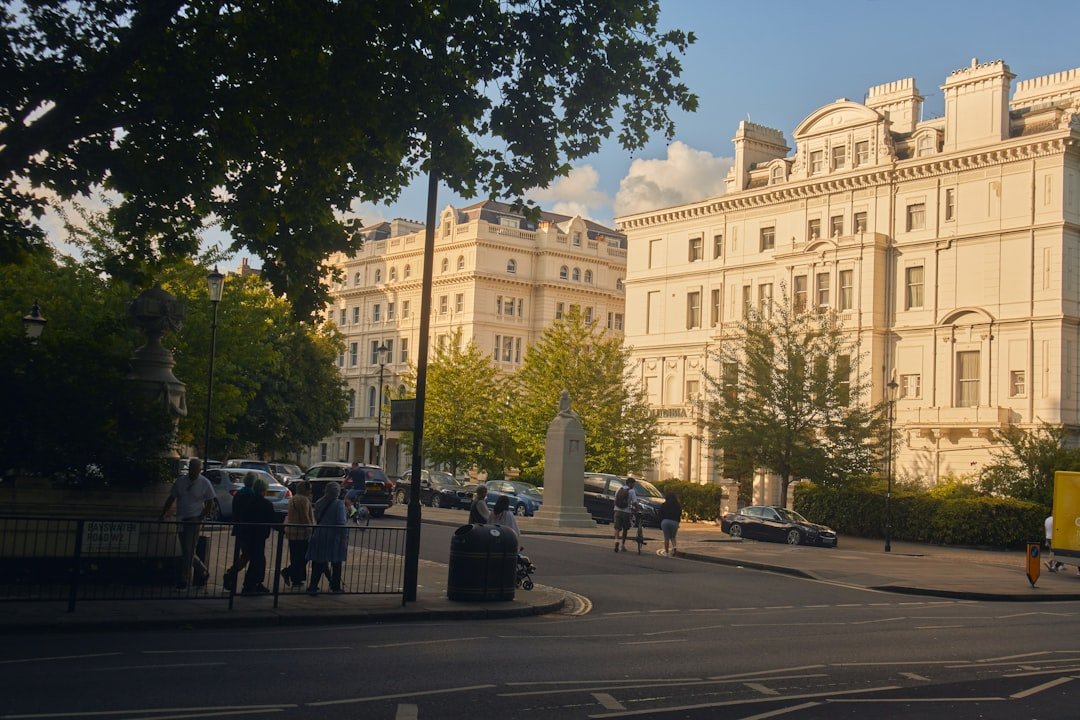
Two weeks in London gives you enough time to see the famous landmarks without turning every day into a race. This 14-day London itinerary combines historic sights, major museums, markets, theatre, royal palaces, food experiences, parks, shopping, and two easy-to-understand day trips. The schedule also groups nearby attractions together so you spend more time exploring and less time crossing the city.
Quick Answer
For a first 14-day London trip, spend your opening days on the Tower of London, British Museum, Westminster and the South Bank. Add Windsor Castle and Hampton Court as separate day trips, then use the remaining days for food markets, museums, shopping, Hyde Park, Kensington Gardens and Hampstead Heath.
Key Takeaways
- Group nearby attractions together: Tower of London with Tower Bridge, Tate Modern with Shakespeare’s Globe, and Hyde Park with Kensington Gardens.
- Use separate days for Windsor Castle and Hampton Court Palace instead of trying to squeeze both royal sites into one rushed trip.
- Book major ticketed attractions and afternoon tea ahead, especially for weekends, school holidays and peak travel periods.
- The British Museum and Tate Modern’s collection are among the major attractions you can visit without a standard admission charge, although special exhibitions may cost extra.
- Use contactless payment or Oyster for most London public transport and always use the same card or device when touching in and out.
- Keep Day 14 flexible for shopping, a missed attraction, a favorite neighborhood or a slower final day.
14-Day London Itinerary at a Glance
Your Two-Week Plan
| Day 1 | Tower of London and Tower Bridge |
| Day 2 | British Museum and Covent Garden |
| Day 3 | Westminster, Buckingham Palace area and the West End |
| Day 4 | Tate Modern and Shakespeare’s Globe |
| Day 5 | Afternoon tea and central London |
| Day 6 | Windsor Castle day trip |
| Day 7 | Borough Market and the South Bank |
| Day 8 | Camden Market and a relaxed food day |
| Day 9 | National Gallery, shopping and a West End evening |
| Day 10 | Leadenhall Market and Postman’s Park |
| Day 11 | Hampton Court Palace day trip |
| Day 12 | Hyde Park and Kensington Gardens |
| Day 13 | Hampstead Heath and Parliament Hill |
| Day 14 | Flexible favorites, museums, shopping or a relaxed final day |
Before You Start: Practical London Planning Tips
London is easier to explore when you plan by neighborhood instead of choosing attractions randomly. Several days in this itinerary pair sights that are close enough to walk between, while the two royal day trips get full days of their own.
Use Contactless or Oyster for Public Transport
The Tube, buses, Elizabeth line, London Overground, DLR and many National Rail journeys within London accept pay-as-you-go travel. Transport for London recommends contactless or Oyster as easy options for visitors. Pay-as-you-go travel can also benefit from fare capping where applicable.
On rail services, touch in and out using the same contactless card, phone, watch or Oyster card. On buses and trams, touch only when boarding. If your bank card was issued outside the UK, check whether your bank charges foreign transaction fees.
Book the Hardest-to-Get Experiences First
Before filling every hour of your itinerary, reserve the experiences that matter most to you. Tower of London admission, Tower Bridge, Windsor Castle, Hampton Court Palace, special exhibitions, theatre performances and luxury afternoon tea can be busier on weekends and during school holidays.
Pro Tip: Book your fixed-time experiences first, then arrange free museums, markets, parks and neighborhood walks around them. This gives you structure without making every day inflexible.
Note: Opening hours, temporary closures, performances and palace access can change. Check each attraction’s official website shortly before your visit rather than relying on an old screenshot or saved schedule.
Day 1: Visit the Tower of London and Tower Bridge
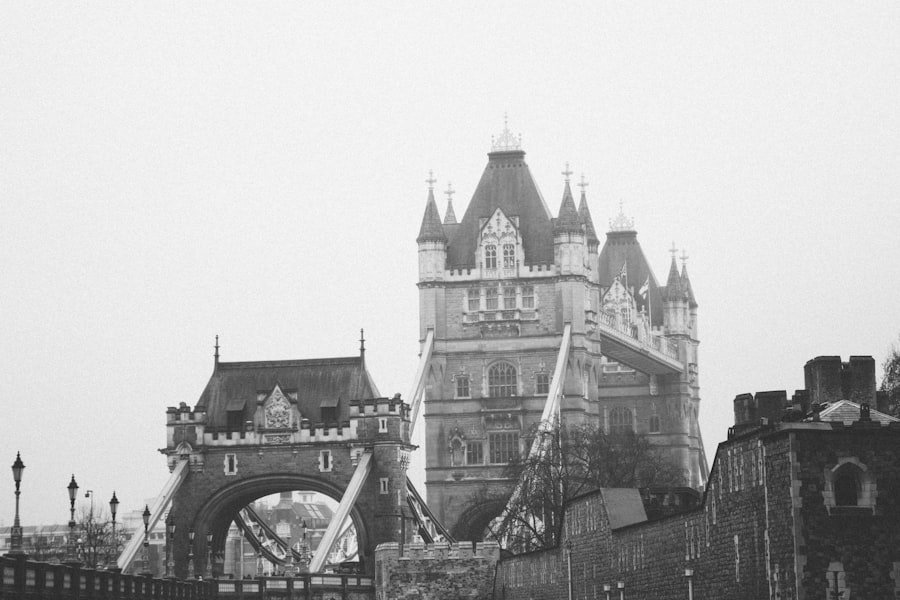
Begin your London adventure with two landmarks that sit almost beside each other: the Tower of London and Tower Bridge. Keeping both on the same day minimizes travel and gives your first day a strong mix of history, royal heritage, architecture and Thames views.
Unveiling the Tower of London’s Rich History
The Tower of London is a UNESCO World Heritage Site with almost a thousand years of history. William the Conqueror ordered the great Norman fortress after his conquest of England, and work on the White Tower began around 1078 rather than in 1066 itself.
The complex later served as a fortress, royal palace, prison, armory, treasury and home of important state institutions. As you move through the grounds, the buildings reveal stories of monarchs, prisoners, political conflict and executions.
Uncovering the Crown Jewels and Royal Heritage
The Crown Jewels are one of the Tower’s most popular attractions. The collection includes ceremonial objects used by the monarchy, while the famous Koh-i-Noor diamond is set in the Crown of Queen Elizabeth the Queen Mother.
Yeoman Warders, often called Beefeaters, also lead tours that mix history with stories about imprisonment, executions and royal life. Current tour arrangements and admission information are available from the Tower of London.
Exploring Tower Bridge and Its Engineering
After the Tower, walk to Tower Bridge. The bridge officially opened in 1894 and was designed to allow road traffic across the Thames while maintaining river access for shipping.
If you enter the Tower Bridge Exhibition, the high-level walkways and glass floors give you a very different view of the river and roadway below. The displays also explain how its bascules and original hydraulic machinery worked.
Tower Bridge opened on 30 June 1894 after eight years of construction, making its engineering history as interesting as its skyline views.
Day 2: Explore the British Museum and Covent Garden
Use your second day for central London’s museum and entertainment district. Start at the British Museum while your energy is high, then move toward Covent Garden for shopping, food and street activity.
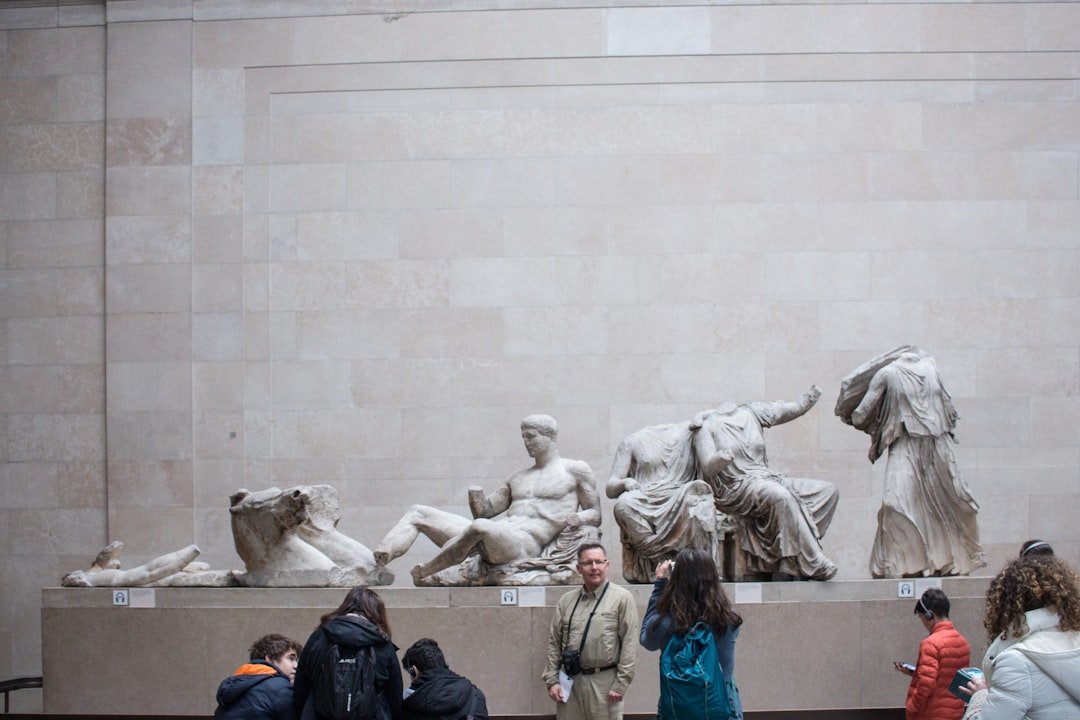
The British Museum holds objects covering thousands of years of human history and culture. Its collections include ancient Egyptian material, Assyrian reliefs, Greek and Roman objects, and the Parthenon sculptures.
General museum admission is free, although special exhibitions may require paid tickets. The museum recommends reserving a free timed entry in advance, particularly when visitor numbers are high.
Do not try to see every gallery. Choose two or three collection areas that genuinely interest you and leave before museum fatigue sets in.
Afterward, walk toward Covent Garden. The neighborhood mixes restaurants, cafes, shops and street performers, making it easy to spend the rest of the afternoon at a slower pace. It is also a useful area to return to for dinner or a theatre evening later in the trip.
Day 3: Westminster, Buckingham Palace Area and the West End
Day 3 covers many of the landmarks first-time visitors associate with central London. Explore Westminster around the Houses of Parliament and Westminster Abbey, then continue through the royal center toward Buckingham Palace and nearby parks.
This is also a good day to see the London Eye from across the Thames or book a ride if panoramic city views are a priority. Leave enough unscheduled time for security queues, photographs and walking between landmarks.
In the evening, head toward the West End. Even if you do not attend a performance, walking through the theatre district adds a different side of London after dark. If you do want a show, reserve popular productions ahead rather than assuming good seats will be available at the last minute.
Day 4: Visit Tate Modern and Shakespeare’s Globe Theatre
Spend Day 4 on Bankside, where several major cultural attractions line the Thames. Tate Modern and Shakespeare’s Globe are close enough to combine without wasting time on transport.
Tate Modern occupies the former Bankside Power Station and presents modern and contemporary art from Britain and around the world. Entry to the main collection is free, while some temporary exhibitions require tickets.
The industrial scale of the Turbine Hall remains part of the experience, and large installations can transform the space. Instead of rushing room by room, choose the collections or artists that interest you most.
Continue along Bankside to Shakespeare’s Globe, a reconstruction inspired by the open-air playhouse associated with Shakespeare’s company. Guided tours explore the theatre, Shakespeare’s London and how the modern Globe works.
If your dates match a performance you want to see, attending a play is a memorable addition. Remember that the Globe Theatre is open-air, so dress for London’s changeable weather.
You can also continue along the river toward the Southbank Centre, which hosts music, literature, performance and other cultural events throughout the year.
Day 5: Indulge in Afternoon Tea at a Traditional London Tea Room
After several sightseeing-heavy days, use Day 5 for one of London’s best-known food traditions: afternoon tea. A typical service combines tea with finger sandwiches, scones served with clotted cream and jam, and cakes or pastries.
Well-known hotels and stores such as The Ritz, Claridge’s, The Savoy and Fortnum & Mason offer formal afternoon-tea experiences. These are as much about service and surroundings as the food, so choose based on the atmosphere and price level you want rather than simply picking the most famous name.
Formal afternoon tea can take a substantial part of the afternoon. Keep the rest of the day light: stroll through a nearby shopping district, revisit Covent Garden, or enjoy an evening performance instead of stacking several paid attractions together.
Day 6: Take a Day Trip to Windsor Castle
Give Windsor its own day rather than trying to combine it with Hampton Court Palace. Windsor Castle is the world’s oldest and largest occupied castle and remains a working royal palace and an official residence of The King.
Highlights can include the State Apartments, castle precincts, Queen Mary’s Dolls’ House and St George’s Chapel, subject to the day’s opening arrangements. Because this is a working royal residence, parts of the castle can close for official reasons.
Royal Collection Trust recommends allowing enough time to explore the castle rather than treating it as a quick photo stop. St George’s Chapel also operates around religious services and has different visitor arrangements on Sundays, so check the official page when planning.
Note: Windsor Castle is a working royal palace. State rooms, chapel access and other visitor areas can change at short notice, so confirm the day’s opening information before leaving London.
Day 7: Explore Borough Market and the South Bank
Turn Day 7 into a relaxed food-and-river day. Start at Borough Market, one of London’s best-known food markets, near London Bridge.
The market brings together produce traders, bakers, cheesemongers, specialty-food businesses and prepared-food stalls. Instead of arriving with one must-eat dish in mind, walk through first and compare what is available that day.
You can sample British and international food, buy bread or cheese for later, or sit down nearby for a longer meal. Traditional choices such as fish and chips or a meat pie can fit into the day, but the market’s international food options are equally representative of modern London.
Borough Market works best when you treat it as a place to browse as well as eat: walk through once, compare the stalls, then decide where to spend your appetite.
After eating, walk west along the Thames. This route lets you enjoy the river at street level and revisit Bankside or the South Bank without turning the day into another museum marathon.
Day 8: Explore Camden Market and London’s Casual Food Scene
For a different market experience, spend part of Day 8 around Camden. The area is known for busy market spaces, independent shops and a wide range of casual food.
This is a useful contrast to formal afternoon tea. Instead of reserving a fixed multi-course experience, sample what looks good and leave room for spontaneous stops.
Later, try a traditional pub meal or another style of British comfort food. London dining is not limited to historic British dishes—the city’s communities have shaped an enormous range of Indian, Middle Eastern, Caribbean, East Asian, African and European food traditions.
A two-week trip gives you enough time to enjoy both classic visitor experiences and everyday neighborhood dining rather than eating only in tourist districts.
Day 9: Art, Shopping and a West End Evening
Use Day 9 for central attractions you may not have wanted to squeeze into the first week. The National Gallery is a strong option for traditional European art and pairs naturally with Trafalgar Square and the West End.
If shopping is a priority, continue toward Regent Street and Oxford Street. Knightsbridge is another option if stores such as Harrods and Harvey Nichols are on your list.
Keep your evening open for a West End performance, Royal Opera House event or another cultural booking. By placing the event late in the itinerary, you also have several earlier evenings available as backups if your preferred performance date sells out.
Day 10: Discover Leadenhall Market and Postman’s Park
After London’s most famous attractions, spend a day with smaller places that reveal the character of the City of London.
Leadenhall Market is a covered market with ornate architecture in the historic financial district. Its shops, restaurants and passageways make it a useful stop while exploring the Square Mile.
Continue toward Postman’s Park near St Paul’s Cathedral. This small green space contains the Watts Memorial to Heroic Self-Sacrifice, a memorial with ceramic plaques commemorating people who died while attempting to save others.
The stories on the plaques give the park a reflective atmosphere that is very different from London’s major ceremonial monuments. These smaller locations can provide a deeper sense of the city once you have already seen the headline attractions.
Day 11: Take a Day Trip to Hampton Court Palace
Hampton Court deserves a separate day from Windsor. Hampton Court Palace is strongly associated with Henry VIII and combines Tudor history with later royal apartments, courtyards and extensive gardens.
Inside, explore rooms connected with royal court life and the palace’s changing history. Outside, the gardens add enough to the visit that rushing back to central London immediately after the interiors would waste much of the experience.
The palace’s famous Great Vine was planted in 1768 by Lancelot “Capability” Brown. The gardens also include formal landscapes and the well-known maze.
Hampton Court station is about a five-minute walk from the palace, and trains run from London Waterloo. Check current rail schedules before departure, especially on weekends when engineering work can change services.
Pro Tip: Do Windsor Castle and Hampton Court Palace on separate days. You will see far more and avoid losing a large part of one sightseeing day moving between two different destinations outside central London.
Day 12: Relax in Hyde Park and Kensington Gardens
After a busy stretch of museums and palaces, slow the pace in Hyde Park and Kensington Gardens. These neighboring green spaces provide a welcome break from indoor attractions.
In Hyde Park, walk beside the Serpentine, explore memorials and gardens, or simply leave time for a long walk without a checklist. Speakers’ Corner is another historic feature of the park.
The Diana, Princess of Wales Memorial Fountain is also in Hyde Park. Because maintenance can affect the water feature, check the Royal Parks status page before making it the main reason for your visit.
Continue into Kensington Gardens. The Italian Gardens, created in the 1860s, feature ornamental basins, fountains, stonework and formal planting. Kensington Palace sits within the gardens, while the Albert Memorial is nearby.
You can turn this into a half-day rest period or spend most of the day outdoors, depending on your energy after nearly two weeks of sightseeing.
Day 13: Walk Hampstead Heath and See London from Parliament Hill
For a greener and less formal London experience, head north to Hampstead Heath. The landscape feels very different from the manicured royal parks in central London, with woodland, open grass, ponds and extensive walking routes.
Make Parliament Hill your main destination. At about 98 metres above sea level, the viewpoint provides a broad panorama across London’s skyline, with landmarks including St Paul’s Cathedral, the Shard and the Palace of Westminster visible in clear conditions.
Do not treat Hampstead Heath as a single viewpoint that you visit for five minutes. Allow time to walk, explore the landscape and enjoy the slower pace. Comfortable footwear is useful because surfaces can be uneven or muddy after rain.
If you want a longer outing, the City of London publishes walking routes around the Heath, including a Parliament Hill trail.
Day 14: Keep Your Final London Day Flexible
After 13 planned days, the best final day is often the one you do not over-plan. Use it to return to a neighborhood you enjoyed, visit a museum you skipped, do final shopping, or simply relax before your journey home.
If you still want structured sightseeing, possibilities include the Victoria and Albert Museum, another National Gallery visit, additional West End time, Knightsbridge shopping or a Thames boat journey.
A flexible final day also protects the rest of the itinerary. If rain, a closure, transport disruption or simple tiredness changes an earlier plan, you have a built-in opportunity to move that activity to Day 14 instead of losing it completely.
Frequently Asked Questions
What are the must-see attractions in London for a first visit?
Popular first-visit highlights include the Tower of London, Tower Bridge, Westminster, Buckingham Palace area, British Museum, Tate Modern, Covent Garden, the South Bank and the West End. With two weeks, you can also add Windsor Castle, Hampton Court Palace and several parks without rushing every day.
What are some recommended day trips from London?
Windsor Castle and Hampton Court Palace work well with this itinerary and should be given separate days. Other popular options for longer stays include Oxford, Cambridge, Stonehenge and the Warner Bros. Studio Tour London – The Making of Harry Potter.
What are the best ways to get around London?
Walking and public transport work well for most visitors. The Tube, buses, Elizabeth line, London Overground, DLR and many rail journeys accept contactless or Oyster pay as you go. Thames River Bus services can also provide a useful and scenic alternative for some routes.
What are some popular shopping areas in London?
Oxford Street and Regent Street are major central shopping areas, Covent Garden combines shops with restaurants and entertainment, and Knightsbridge is known for department stores such as Harrods and Harvey Nichols. Camden and London’s markets offer a different experience from the large retail districts.
What dining experiences should I try in London?
Mix formal and casual experiences. Afternoon tea is a classic choice, while Borough Market and Camden are useful for sampling different foods. Traditional pub meals, fish and chips and pies can be part of the trip, but London’s international restaurant scene is equally important to the city’s modern food culture.
What cultural experiences are worth adding?
Tate Modern, the National Gallery, British Museum and Victoria and Albert Museum are major choices. For performing arts, consider Shakespeare’s Globe, a West End theatre performance, the Royal Opera House or one of the Southbank Centre’s events.
Is 14 days too long for London?
No. Fourteen days lets a first-time visitor combine major landmarks with museums, parks, food neighborhoods and day trips while maintaining a more comfortable pace. It also gives you room to adjust plans for weather, closures or tiredness.
Which London attractions should I book in advance?
Advance booking is sensible for the Tower of London, Tower Bridge, Windsor Castle, Hampton Court Palace, popular theatre performances, special museum exhibitions and formal afternoon tea. Free museums may also offer free timed reservations that help during busy periods.
Sources
- Historic Royal Palaces — Tower of London — visitor information, Crown Jewels and Yeoman Warder guidance.
- Tower Bridge — official bridge history and visitor information.
- British Museum — current admission and visitor-planning guidance.
- Transport for London — contactless, Oyster and visitor payment guidance.
- Royal Collection Trust — Windsor Castle — official castle visitor information and royal-residence status.
- The Royal Parks — Hyde Park — park facilities, memorials and current visitor updates.