London packs royal landmarks, major museums, markets, parks, theatre, food, and centuries of history into a relatively compact city. That makes it ideal for a weekend, but it also makes overplanning easy. For a first two-day visit, the smartest approach is to group nearby sights, reserve your highest-priority ticketed attractions, and leave enough time to enjoy the streets and neighborhoods between them.
Quick Answer
For a weekend in London, prioritize Westminster and the South Bank on one day, then the Tower of London, Borough Market, and the City on the other. Add one major museum, a park or neighborhood walk, and a West End show if time allows. Book popular paid attractions in advance and use the Tube, buses, and walking to connect each area.
Key Takeaways
- The Tower of London, Buckingham Palace, Westminster, and the South Bank are strong first-time priorities.
- The British Museum and National Gallery give you world-class collections without a general-admission charge, although some exhibitions may require tickets.
- Borough Market, Camden, Portobello Road, Hyde Park, Regent’s Park, and London’s distinct neighborhoods add variety beyond landmark sightseeing.
- A West End performance or Thames cruise can work well as an evening activity after daytime sightseeing.
- Grouping attractions by area saves more time than trying to cross London repeatedly during a short weekend.
How to Plan Two Days of London Weekend Sights
You can see a surprising amount of London in two days if you resist the urge to visit every famous attraction. Choose a few paid sights that matter most to you, then fill the spaces between them with free landmarks, walks, parks, markets, and museums.
Day 1: Westminster, Buckingham Palace, and the South Bank
Start around Westminster, where several major London sights sit within walking distance of each other. See the Palace of Westminster and Elizabeth Tower, whose Great Bell is properly called Big Ben, then continue to Westminster Abbey. Westminster Abbey has served as Britain’s coronation church since 1066, making it one of the strongest places to connect London’s present-day ceremonial life with its medieval history.
From Westminster, walk through St James’s Park toward Buckingham Palace. Royal Collection Trust describes Buckingham Palace as the King’s official London residence and a working royal palace. The State Rooms are not open every day of the year, so treat an interior visit as a planned ticketed attraction rather than something you can automatically enter whenever you arrive.
For the 2026 summer season, the State Rooms are open from 9 July through 27 September, although opening days and access can vary. Check the current visitor information before building your weekend around an interior tour.
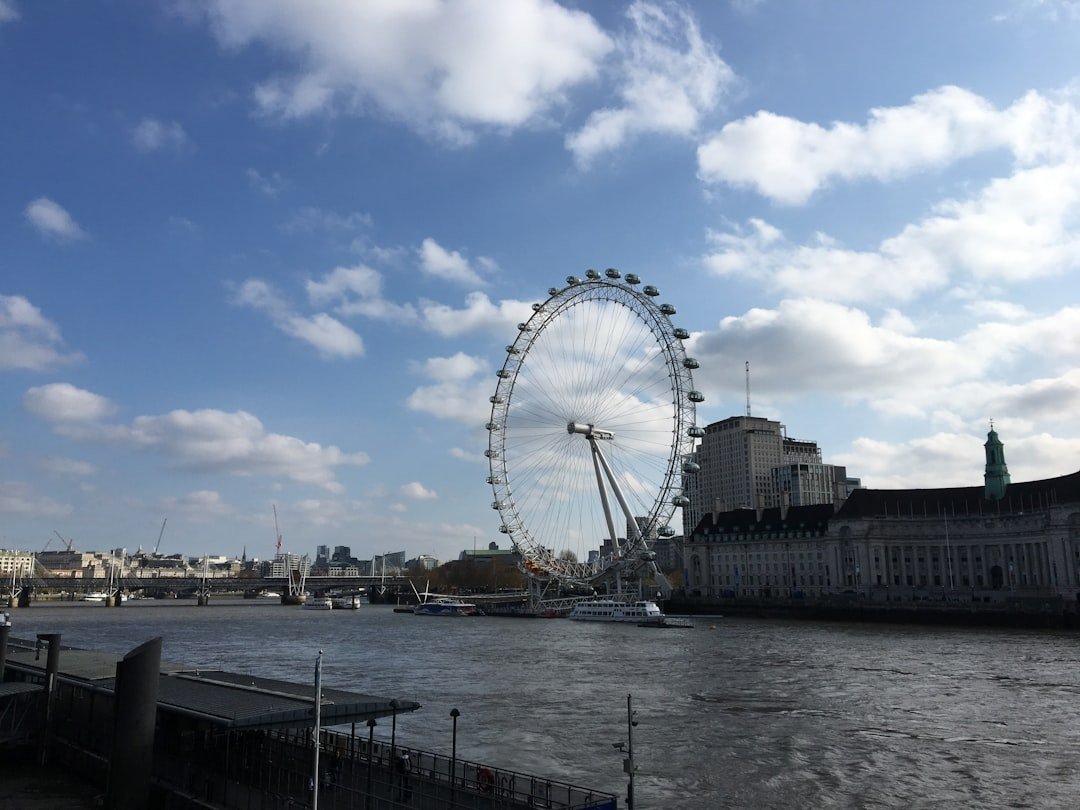
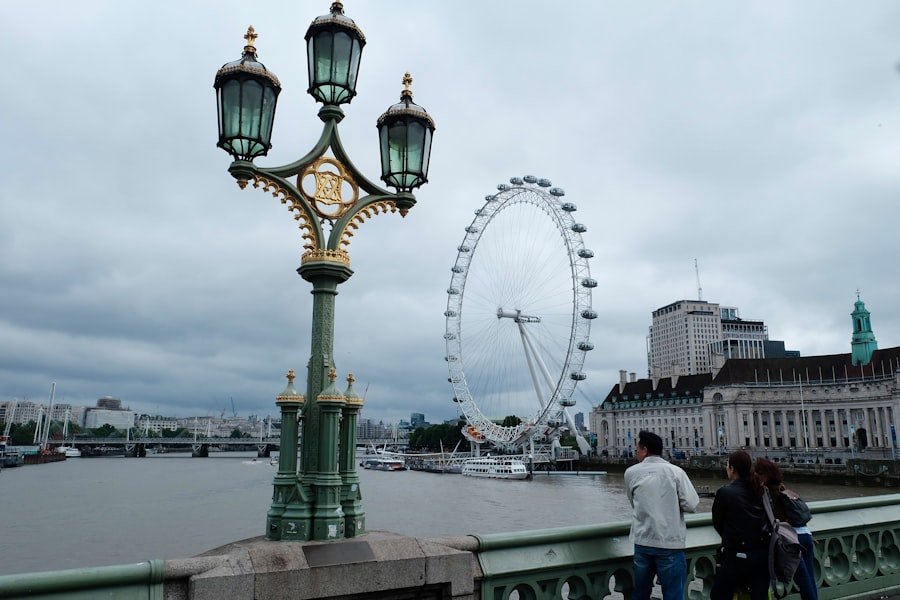
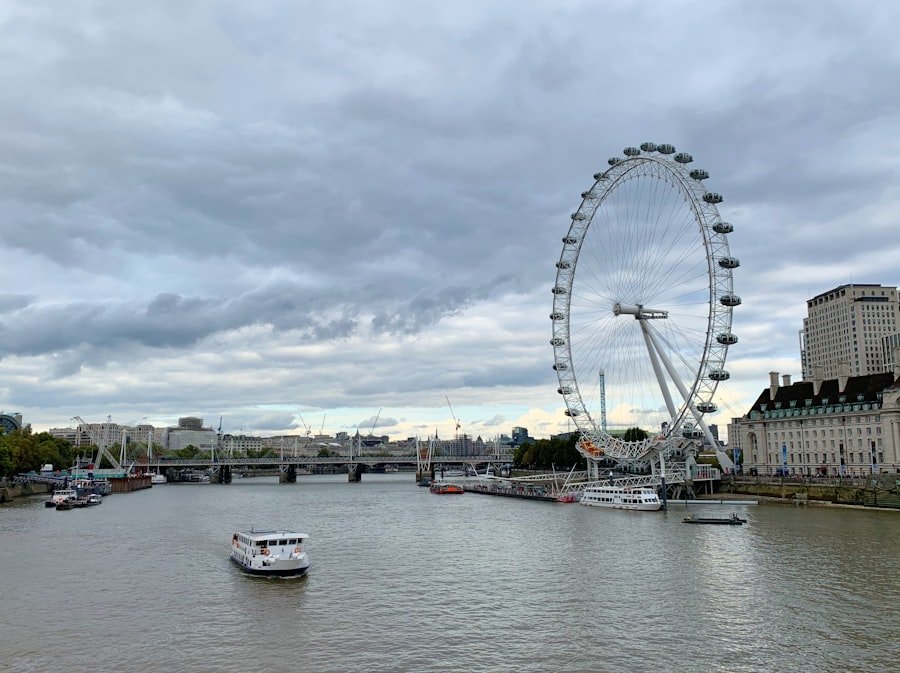
After Buckingham Palace, return toward Westminster and cross the Thames for the South Bank. This gives you river views of Parliament and easy access to the London Eye area, riverside walks, restaurants, street performers, and cultural venues. You do not have to ride the London Eye to enjoy this part of London; the walk itself provides some of the city’s most recognizable views.
Day 2: Tower of London, Borough Market, and the City
Begin the second day at the Tower of London, especially if British royal history is one of your priorities. William the Conqueror began building the fortress in the 1070s after the Norman Conquest. Over the centuries it functioned as a fortress, royal palace, prison, treasury, and secure store for royal possessions.
The Crown Jewels and White Tower are major highlights, while the Yeoman Warders—widely known as Beefeaters—help interpret the site’s long history through tours and visitor talks. Because the Tower can absorb several hours, placing it first in the morning keeps the rest of the day flexible.
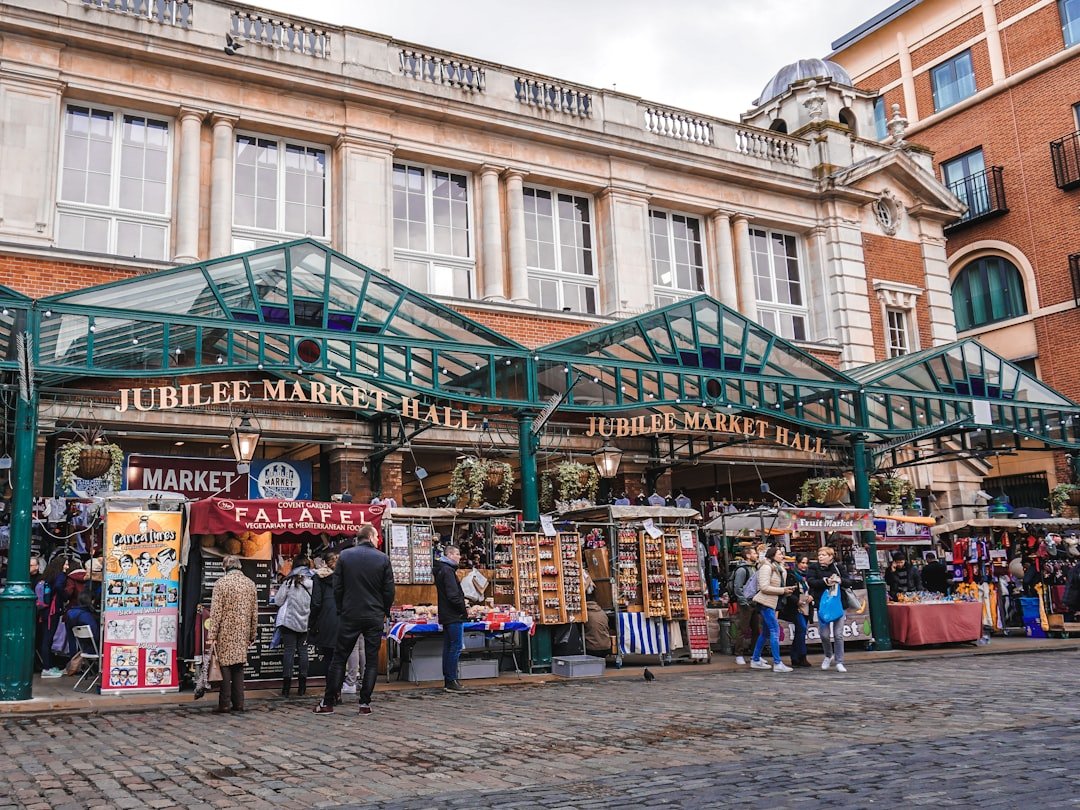
From the Tower, walk toward Tower Bridge and then continue along or across the river toward Borough Market. The market traces its story back roughly 1,000 years and combines produce, specialty ingredients, prepared food, bakeries, restaurants, and international flavors.
If you still have energy, continue west along the Thames, explore the City of London’s historic streets, or choose a museum before finishing the weekend with theatre, dinner, or a river journey.
Pro Tip: Do not measure a London weekend by the number of attractions you enter. Two well-planned paid sights plus nearby free landmarks usually create a more enjoyable day than five timed tickets scattered across the city.
Visiting the Historic Palaces and Castles
The Tower of London is one of the city’s defining historic sites. Although William the Conqueror took control of England in 1066, the fortress itself was begun in the 1070s. The site later served many roles, including fortress, palace, prison, and treasury. Visitors can see the Crown Jewels, explore the White Tower, and join tours led by the Yeoman Warders.
Official history and current visitor details are available from Historic Royal Palaces.
Buckingham Palace offers a very different view of the monarchy. It is the King’s official London residence and remains a working royal palace. The Changing the Guard ceremony adds ceremony and pageantry outside the palace, while selected visitors can enter the State Rooms during designated opening periods.
The State Rooms contain important works from the Royal Collection and spaces used for official occasions. For current openings and ticket information, check the Royal Collection Trust Buckingham Palace visitor page before your trip.
Kensington Palace, set beside Kensington Gardens, adds another layer of royal history. It has been associated with generations of the Royal Family, including Diana, Princess of Wales. Its historic apartments, exhibitions, and surrounding gardens make it a useful option for travelers already spending time around Kensington or Hyde Park.
Hampton Court Palace is farther from central London but rewards visitors who can devote a substantial part of a day to it. Cardinal Thomas Wolsey began transforming Hampton Court into a magnificent palace in the early 16th century. Henry VIII later took possession of it and expanded the complex.
The Tudor Great Hall, historic kitchens, royal apartments, gardens, and famous maze help visitors understand how the royal court lived, worked, ate, and displayed power. Historic Royal Palaces says the exact origins of the maze are debated, but it is thought to have been created around the end of the 17th century.
For a first two-day London trip, Hampton Court can be difficult to combine with a full central sightseeing schedule. Choose it when Tudor history is a major interest, rather than treating it as a quick stop between central attractions.
More verified history is available from Historic Royal Palaces’ Hampton Court history.
Enjoying the World-Class Museums and Galleries
London’s museums can easily fill an entire weekend, so choose collections that match your interests instead of trying to visit every famous institution.
The British Museum is one of the strongest options for archaeology and global history. Its collections include objects from ancient Egypt, Greece, Rome, the Middle East, Asia, Africa, Europe, and the Americas. The Rosetta Stone remains one of its best-known objects and is displayed in the Egyptian Sculpture Gallery.
General admission is free, although special exhibitions or events can have separate ticketing. Check the British Museum’s official Rosetta Stone and visitor information when planning your visit.
The National Gallery in Trafalgar Square is ideal for painting. Its national collection covers Western European painting from the late medieval period into the early 20th century and includes work associated with artists such as Leonardo, Monet, Turner, Van Gogh, and many others. General admission to the permanent collection is free.
Tate Modern offers a contrasting experience in a former power station on the South Bank. Its modern and contemporary art collections work particularly well for travelers already walking between Borough Market, Shakespeare’s Globe, and the central South Bank.
If your weekend is short, a focused 60- to 90-minute museum visit is often more practical than attempting to see every gallery.
Indulging in the Culinary Scene
London’s food scene reflects the city’s international population, so a weekend can include traditional British cooking, South Asian food, Middle Eastern dishes, East and Southeast Asian cuisines, European restaurants, bakeries, modern tasting menus, and casual street food.
Borough Market is particularly convenient because it combines sightseeing with lunch. The market’s official history traces trading in the area back around 1,000 years, and its current stalls and businesses range from fresh produce and cheese to baked goods and ready-to-eat meals.
Traditional British options worth trying can include fish and chips, pies, a Sunday roast if your timing works, afternoon tea, or a full English breakfast. You do not need to spend heavily to eat well: markets, pubs, bakeries, food halls, and neighborhood restaurants can fit more easily into a sightseeing schedule than long tasting menus.
London also has many Michelin-recognized and destination restaurants for travelers who want one major dining reservation. If a particular restaurant is important to the trip, reserve it ahead instead of relying on a walk-in during a busy Friday or Saturday evening.
Taking a Stroll in the Beautiful Parks
London’s parks provide an easy break from museums, queues, traffic, and indoor attractions. Hyde Park is one of the most practical choices because it connects naturally with Kensington Gardens, Buckingham Palace, and several central neighborhoods.
Its lawns, paths, gardens, memorials, and the Serpentine make it suitable for walking, resting, picnicking, or simply slowing down between attractions. Boating is available on the Serpentine during much of the year, subject to opening schedules, weather, and operating conditions.
Hyde Park also hosts major seasonal events. These should not be confused with the Serpentine itself turning into a skating lake in winter. Activities and temporary attractions change by season, so check The Royal Parks’ official Hyde Park information if a specific activity matters to your visit.
Regent’s Park offers another attractive escape. Queen Mary’s Gardens is especially known for its roses, while the wider park includes landscaped grounds, an ornamental lake, access to London Zoo, and Regent’s Park Open Air Theatre.
Experiencing the Vibrant Markets
London’s markets provide a different experience from its museums and formal attractions because shopping, food, street life, and neighborhood culture happen in the same space.
Camden Market is known for fashion, crafts, gifts, music-influenced culture, and a large selection of food vendors. The wider Camden area can be lively and crowded, particularly on weekends, so it works best when you are comfortable with a busy atmosphere rather than looking for a quiet shopping street.
Portobello Road Market in Notting Hill is closely associated with antiques and vintage goods. The surrounding streets, pastel-colored houses, cafés, and shops make the neighborhood worth exploring even if you are not shopping seriously.
Borough Market is the strongest choice when food is the priority. Because it is close to the Thames, London Bridge, Tate Modern, and the Tower Bridge area, it also fits naturally into a tightly planned sightseeing day.
Catching a Show in the West End
The West End is one of London’s defining evening experiences. Long-running musicals, newer productions, comedies, plays, and limited engagements run across dozens of theatres in and around areas such as Covent Garden, Leicester Square, Soho, and Piccadilly.
Large productions can sell strongly on Friday and Saturday nights, so advance booking is sensible when a particular show matters to you. Travelers with flexible tastes can sometimes find late availability, but building an entire weekend around a specific production is safer with a confirmed ticket.
The Royal Opera House in Covent Garden adds ballet and opera to the city’s performing-arts choices, while venues such as The Old Vic and Donmar Warehouse provide additional dramatic productions beyond the largest commercial musicals.
A show also solves a common weekend-planning problem: many daytime attractions close before you are ready to finish exploring. Theatre lets you use the evening without sacrificing prime sightseeing hours.
Cruising on the River Thames
The Thames provides a different perspective on London’s geography. A sightseeing cruise can link riverside landmarks while giving tired feet a break after a day of walking.
Depending on the route, river journeys can provide views of Tower Bridge, the Tower of London area, Shakespeare’s Globe, Tate Modern, St Paul’s Cathedral across the river, the London Eye, Westminster, and modern developments farther east.
Options range from ordinary river transport to dedicated sightseeing boats, dining cruises, and faster tourist experiences. If your goal is simply to move between parts of London while enjoying the river, scheduled river services can be more practical than a full sightseeing cruise.
The Thames was historically central to London’s trade, transport, growth, and connection with the wider world. Seeing the city from the water makes that geography much easier to understand than viewing each riverside attraction in isolation.
Discovering the Quirky Neighborhoods
London is not only a collection of famous monuments. Its neighborhoods can be just as memorable because each area has a different mix of architecture, food, shops, nightlife, and local history.
Shoreditch is associated with street art, independent businesses, restaurants, nightlife, and creative industries. Its walls and shopfronts change regularly, so part of the appeal is simply walking rather than following a fixed checklist of murals.
Notting Hill offers a different atmosphere, with colorful houses, cafés, shops, Portobello Road, and quieter residential streets away from the busiest market areas. It also hosts Notting Hill Carnival, London’s major celebration of Caribbean culture, each August bank-holiday weekend.
Other areas can suit different interests: Covent Garden for central dining and theatre, Soho for nightlife and restaurants, Greenwich for maritime history and views, and South Kensington for major museums.
For a two-day visit, choose one neighborhood that fits naturally with your main attractions rather than adding several long cross-city journeys merely to say you visited them.
Sampling the Craft Beer and Cocktails
London’s pub, craft-beer, and cocktail scene can add an evening stop after sightseeing. Beer drinkers will find British ales alongside modern IPAs, lagers, porters, stouts, and locally brewed seasonal styles at pubs, taprooms, and specialist bars across the city.
For cocktails, established hotel bars and newer independent venues cover everything from classic drinks to highly experimental menus. Lyaness at Sea Containers London is one current South Bank example; it replaced the former Dandelyan, which closed in 2019.
Artesian at The Langham is another well-known name in London’s cocktail scene. Because bar concepts, opening hours, reservation rules, and age policies can change, check a venue directly if it is an important part of your evening.
Drinking is optional, of course. Many venues now provide sophisticated alcohol-free choices, and London offers plenty of cafés, dessert shops, late restaurants, theatre, and evening walks for travelers who do not drink alcohol.
Immersing in the Rich History and Culture
London’s history is visible almost everywhere, but Westminster Abbey is particularly significant. It has been Britain’s coronation church since 1066, and its monuments, memorials, tombs, architecture, and royal associations make it much more than another historic building.
The city’s history is not limited to kings and palaces. London Museum Docklands explores the river, port, trade, migration, industry, slavery, wartime experiences, and communities that shaped the Docklands. The organization formerly known as Museum of London adopted the London Museum name in 2024.
Jewish Museum London should no longer be treated as a normal visit to its former Camden premises: that building closed in 2023 while the organization continued its work through changing programs and plans for its future.
London’s cultural calendar also reflects its international communities. Major public celebrations include Notting Hill Carnival, Lunar New Year events, Diwali celebrations, Pride, food festivals, concerts, exhibitions, and neighborhood events. Exact dates and formats change each year, so check current official calendars when your visit coincides with a major festival.
Taking time to connect these cultural experiences with London’s historic landmarks makes the city more interesting than simply collecting photographs of famous buildings.
Practical Tips for Making the Most of a London Weekend
- Group sights geographically: Westminster, Buckingham Palace, and the South Bank work well together; the Tower of London, Tower Bridge, and Borough Market form another efficient cluster.
- Book your priorities first: Reserve major paid attractions or a specific West End show before filling the rest of the schedule.
- Do not overbook museums: Free admission makes museums easy to enter, but their huge collections can consume half a day if you do not decide what you want to see.
- Walk short distances: Central London reveals landmarks, architecture, squares, pubs, and smaller streets that you miss underground.
- Use public transport for longer jumps: The Tube, buses, Elizabeth line, DLR, Overground, and river services cover different parts of the city.
- Allow for queues and security: Major palaces, museums, and government-related attractions can require screening or timed admission.
- Keep one flexible period: Weather, traffic, queues, a long lunch, or simply finding an interesting neighborhood can change your schedule.
Note: Transport for London says pay-as-you-go travel using contactless or Oyster is an easy option for visitors and includes daily and weekly fare capping. Use the same contactless card or device consistently so journeys are charged correctly.
For current fare and payment guidance, see Transport for London’s visitor payment information.
If you’re looking for more travel inspiration, a guide to London’s hidden gems can complement these major sights. First-time visitors may prefer the landmarks above, while returning travelers can use lesser-known streets, museums, gardens, and neighborhoods to see another side of the city.
The best London weekend is usually not the one with the longest attraction list. It is the one that minimizes travel time and leaves enough space to experience the city between the landmarks.
Frequently Asked Questions
What are the top sights to see in London in a weekend?
For a first weekend, prioritize the Tower of London, Westminster and Elizabeth Tower/Big Ben, Buckingham Palace, Westminster Abbey, and the South Bank. Add either the British Museum or National Gallery, then choose a market, neighborhood, park, Thames experience, or West End show based on your interests.
How can I make the most of a weekend in London?
Plan by neighborhood rather than by attraction ranking. Keep Westminster, Buckingham Palace, and the South Bank together, then group the Tower of London, Tower Bridge, and Borough Market on another day. Reserve only your highest-priority timed attractions and leave space for walking, meals, and unexpected delays.
What are some recommended dining options in London for a weekend visit?
Try a mix of traditional and international food. Borough Market is convenient for a sightseeing day, while pubs can be good for fish and chips, pies, or a Sunday roast. Afternoon tea and a full English breakfast are other classic choices. London also has extensive South Asian, Middle Eastern, East Asian, African, European, and modern British dining.
Are there any specific events or festivals to look out for in London on a weekend?
Yes. London’s calendar includes Notting Hill Carnival, Lunar New Year celebrations, Diwali events, Pride, food festivals, concerts, seasonal park events, exhibitions, and neighborhood festivals. Dates change each year, so check the official event calendar for your exact weekend before you travel.
What are some tips for navigating around London during a weekend trip?
Walk when attractions are close together and use public transport for longer journeys. The Tube and buses cover most central sightseeing needs, while the Elizabeth line, Overground, DLR, and river services can be useful for specific routes. Contactless pay-as-you-go or Oyster are straightforward options for most visitors.
Do I need to book London attractions in advance for a weekend?
Book ahead when a specific attraction, palace interior, timed tour, or West End performance is essential to your trip. Free museums may be more flexible, but special exhibitions can require tickets. Advance planning is especially useful on busy weekends and during school holidays or major events.
Is Hampton Court Palace worth visiting on a two-day London trip?
Yes if Tudor and royal history are major interests, but it requires more travel time than central attractions. On a first two-day visit, many travelers will get more variety by staying in central London. If Hampton Court is a priority, give it a substantial part of one day instead of trying to squeeze it between central sights.
Sources
- Historic Royal Palaces — Tower of London history — construction period and the fortress’s historic roles.
- Historic Royal Palaces — Hampton Court Palace — Cardinal Wolsey, Henry VIII, Tudor rooms, kitchens, gardens, and maze history.
- Royal Collection Trust — Buckingham Palace — official residence status, State Rooms, opening information, and visitor details.
- British Museum — Rosetta Stone — museum collection context, Rosetta Stone display, and free general entry information.
- The Royal Parks — Hyde Park — park facilities, activities, seasonal information, and current visitor notices.
- Transport for London — Best ways for visitors to pay — contactless, Oyster, pay-as-you-go travel, and fare capping.