Dubai is modern, international, and accustomed to welcoming visitors from around the world, but local customs still matter. Knowing a few basics about greetings, modest dress, dining, Ramadan, mosque visits, public behavior, and hospitality can help you avoid awkward situations and show respect for Emirati culture without feeling that you need to memorize a long list of rules.
Quick Answer
Dubai culture and etiquette are based largely on respect, modesty, hospitality, and awareness of Islamic traditions. Dress reasonably modestly in public, follow venue-specific rules, use your right hand when sharing traditional food, keep public affection restrained, ask before photographing people, and be especially considerate in mosques and during Ramadan.
Key Takeaways
- A handshake and warm greeting are common, but when greeting a Muslim person of the opposite gender, wait to see whether they offer their hand first.
- Dubai is cosmopolitan, but modest clothing is the safest choice in malls, cultural areas, government locations, and religious sites.
- Use your right hand when accepting refreshments or eating traditional shared food, and follow your host’s lead at meals.
- Keep public displays of affection restrained and avoid profanity, obscene gestures, or confrontational behavior.
- Non-Muslims do not have to fast during Ramadan, and daytime dining remains available, although visitors should be considerate around people who are fasting.
Greetings and Introductions in Dubai
Greetings are an important part of social interaction in Dubai. A handshake and a warm smile are common in professional and social settings, but you should not assume that everyone wants physical contact. When greeting a Muslim person of the opposite gender, wait to see whether that person extends a hand first. If not, a smile, nod, or verbal greeting is a respectful alternative.
The Arabic greeting As-salamu alaykum means “peace be upon you.” A traditional response is Wa alaykum as-salam, meaning “and upon you be peace.” Visitors are not expected to speak Arabic, but using a simple Arabic greeting can be appreciated.
In formal situations, use a person’s professional title when you know it is correct. Titles such as “Doctor” should not be guessed, and “Sheikh” should not be treated as a generic courtesy title. If you are unsure, use the name and form of address the person uses when introducing themselves.
Small talk often comes before business or more serious discussion. Family, travel, food, Dubai, culture, sports, and general conversation can help build rapport. Avoid intrusive personal questions or turning sensitive subjects such as religion or politics into confrontational debates.
Pro Tip: When you are unsure about a greeting, seating arrangement, handshake, or level of formality, follow the lead of your Emirati host. This is usually more natural than trying to apply a rigid etiquette rule.
Dress Code and Modesty in Dubai
Dubai is a cosmopolitan city, so visitors will see many styles of clothing. There is no need for tourists to wear traditional Emirati clothing, and women are not generally required to cover their hair in normal public spaces. However, the UAE government’s visitor guidance recommends modest clothing, particularly in conservative areas and public places.
For everyday sightseeing, choose clothing that is not transparent, extremely revealing, or printed with offensive images or slogans. Shorts and casual clothing are common in tourist areas, but longer and more conservative clothing is a safer choice in cultural districts, government buildings, religious sites, and venues with their own dress standards.
Women may feel more comfortable wearing clothing that covers the shoulders and extends toward the knees or below in conservative settings. Men should also avoid overly revealing clothing. Lightweight, breathable fabrics are useful in Dubai’s hot climate.
Business meetings and upscale restaurants may have stricter expectations. Smart casual or business attire is usually a safe choice, but the exact standard depends on the company or venue.
Swimwear is appropriate at beaches, pools, and water parks. It should be covered before entering shopping malls, restaurants, business areas, streets away from the beach, or other ordinary public spaces. Dubai’s official tourism guidance specifically distinguishes beach and pool clothing from clothing appropriate in malls and business districts.
Dining Etiquette in Dubai
Dining in Dubai reflects both Emirati hospitality and the city’s highly international population. In an Emirati home or traditional majlis, guests may be welcomed with Arabic coffee, known as gahwa or qahwa, along with dates. Coffee and dates remain an important part of Emirati hospitality.
When refreshments are offered, accepting at least a small amount is a polite way to acknowledge the host’s hospitality. If you cannot eat or drink something for dietary, health, or personal reasons, a courteous explanation is enough.
Traditional meals may be served family-style, with several dishes shared by the group. When eating traditional food by hand or accepting food and drink, use your right hand. This is also the hand traditionally used to offer items to another person.
Utensils are completely normal in Dubai, so visitors should not assume they are expected to eat with their hands. If a meal is being served in a traditional way and you are unsure what to do, watch your host and other guests.
It is courteous to allow the host to guide the beginning of the meal and to thank the host afterward. There is no need to deliberately leave food on your plate simply to show that you are full; avoid wasting food and follow the atmosphere of the meal instead.
Social Customs and Traditions in Dubai
Emirati social traditions are strongly influenced by Islam, family life, and a long culture of hospitality. Guests are often treated generously, and accepting refreshments or taking time for conversation can be an important part of building a relationship.
Eid al-Fitr and Eid al-Adha are major celebrations. Families may gather for prayers, meals, visits, and gift giving. If you are invited to participate in a family or community celebration, dress respectfully and let your host guide you through unfamiliar customs.
Visiting an Emirati Home or Majlis
A majlis is a traditional reception or gathering space. If you are invited to one, you may be expected to remove your shoes at the entrance, so observe what your host and other guests do. In some traditional gatherings, men and women may be seated in different areas.
UAE government etiquette guidance also recommends standing to greet new guests and showing particular respect to older or higher-ranking people. In a formal majlis, avoid sitting in a way that points the soles of your feet toward another guest, and let the host guide seating and introductions.
Religious Etiquette in Dubai
Islam is the official religion of the UAE and has an important influence on daily life and public customs. Visitors of all faiths are welcome in Dubai, but religious places and observances deserve particular respect.
Etiquette During Ramadan
During Ramadan, Muslims who are fasting abstain from food and drink from dawn until sunset. Non-Muslims are not required to fast.
Note: Dubai’s current Ramadan experience is different from older advice that says restaurants broadly close during the day. Daytime dining remains available for non-Muslims, including at malls and other venues, although some restaurants adjust their hours or provide designated dining areas. Follow the rules of the particular venue and be considerate around people who are fasting.
After sunset, Muslims break the fast at iftar. If you are invited to an iftar, arrive respectfully and wait for the host to indicate when the meal begins. Dates are traditionally associated with breaking the fast, and Arabic coffee and other refreshments may also be served.
Visiting Mosques
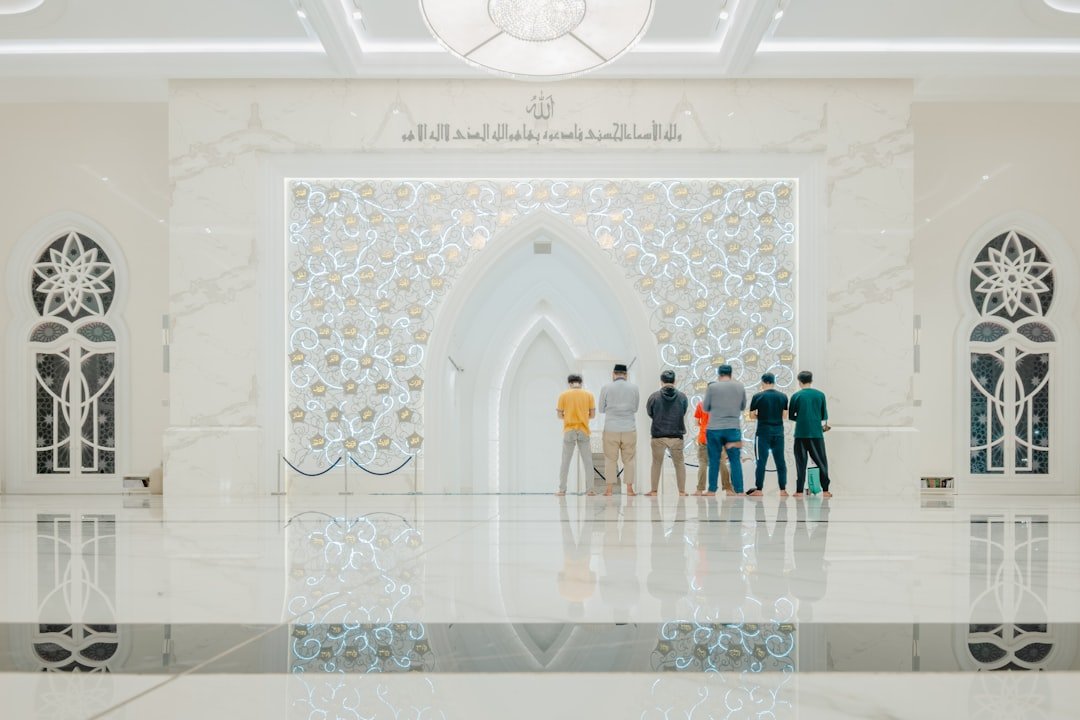
Dress requirements at mosques are stricter than ordinary Dubai clothing standards and can vary by mosque. At Jumeirah Mosque, for example, men should avoid shorts and sleeveless tops, while women should cover their arms, legs, and hair. Appropriate covering garments are available for visitors who need them.
Inside a mosque, speak quietly, follow staff instructions, and remember that it is primarily a place of worship. Photography policies differ by location, so check before taking photos rather than assuming that photography is allowed everywhere.
Business Etiquette in Dubai

Dubai’s business environment combines international corporate practices with local traditions. Arriving on time is respectful and professional, even though schedules can occasionally shift because of traffic, earlier meetings, or other commitments.
Relationship building is often important. A meeting may begin with greetings, refreshments, and general conversation before moving to the main agenda. Do not rush this part of the interaction if your host prefers a more conversational start.
Business cards can be exchanged normally and respectfully. There is no need to perform a complicated card-giving ritual. Take a moment to look at the card rather than immediately putting it away, and address people by the professional titles and names they use.
Organizational hierarchy can matter, particularly in more traditional businesses. When you are unfamiliar with the group, allow the host to guide introductions, seating, and the order in which people speak.
Public Behavior and Respect in Dubai
Dubai expects visitors and residents to behave respectfully in public. Holding hands is generally acceptable, but overt displays of affection such as prolonged kissing or intimate behavior should be avoided in public places.
Profanity, obscene gestures, loud confrontations, and disrespect toward the UAE, its leaders, or religion can create serious problems. UAE government visitor guidance specifically warns that bad language and obscene gestures may result in legal trouble.
Warning: Do not drink alcohol in ordinary public places, become disorderly while intoxicated, use obscene gestures, or assume behavior tolerated at home is automatically acceptable in Dubai. Non-Muslim adults aged 21 and over may drink alcohol at licensed hotels, restaurants, bars, and other authorized establishments, but public conduct rules still apply.
Smoking is also regulated. Pay attention to no-smoking signs and use authorized smoking areas where they are provided. Do not assume that smoking is permitted simply because you are outdoors or in a large public venue.
Photography and Privacy
Ask permission before photographing people, especially when taking close-up or identifiable photos. Do not photograph government buildings, military facilities, or other locations marked with photography restrictions. These rules are both a matter of courtesy and, in some cases, law or security policy.
When posting photos or videos online, the same principle applies: avoid treating residents as tourist attractions and respect requests not to be photographed.
Gift Giving and Hospitality in Dubai
Gift giving can be a thoughtful gesture in Emirati social life, particularly when visiting someone’s home or celebrating an occasion, but it should not be treated as a mandatory ritual. A modest gift such as quality dates, sweets, chocolates, flowers for the home, or something representative of your own country can work well.
If you know that your host is an observant Muslim, avoid gifts containing alcohol, pork, or pig-derived materials. The original idea that all leather products or all items depicting living creatures should be avoided is too broad; individual preferences and religious observance vary.
Present a gift politely and express appreciation when receiving one. Customs around opening gifts can differ between families, so follow your host’s lead rather than assuming the gift must be opened immediately.
Hospitality often matters more than the price of the gift. Taking time to talk, accepting refreshments when you comfortably can, and thanking your host sincerely are usually more meaningful than trying to impress them with an expensive present.
In summary, navigating Dubai culture and etiquette is mainly about respect, observation, and flexibility. You do not need to imitate every local custom. Dress appropriately for the setting, follow the host’s lead, behave calmly in public, respect religious practices, and pay attention to venue-specific rules. Those habits will help you interact comfortably with both Emiratis and Dubai’s highly international community.
If you enjoy exploring how culture influences everyday traditions, you may also enjoy this separate article about the delightful world of Asian melon and its food traditions.
Frequently Asked Questions
What is the traditional dress code in Dubai?
Tourists do not need to wear traditional Emirati clothing. In ordinary public areas, choose clothing that is reasonably modest and not transparent or extremely revealing. Cultural and religious sites may require more coverage. Swimwear is appropriate at beaches, pools, and water parks but should be covered elsewhere.
What are some important cultural customs to be aware of in Dubai?
Show respect to hosts and older people, accept hospitality graciously, keep public displays of affection restrained, use polite language, and follow local rules at mosques, cultural sites, and private homes. When unsure, watching your host is often the best guide.
Is it important to greet people in a specific way in Dubai?
A warm verbal greeting and smile are appropriate. Handshakes are common, but when greeting a Muslim person of the opposite gender, wait for that person to extend a hand first. A nod and verbal greeting are perfectly acceptable if no handshake is offered.
Are there any specific dining etiquette rules to follow in Dubai?
In a traditional Emirati meal, use your right hand when accepting refreshments or eating food by hand, allow your host to guide the start of the meal, and thank them afterward. Utensils are normal in Dubai, so there is no need to eat with your hands unless the setting calls for it.
What are some important cultural taboos to be aware of in Dubai?
Avoid drinking alcohol in ordinary public places, obscene gestures, aggressive arguments, offensive language, overt public displays of affection, disrespect toward religion or local institutions, and photographing people without permission.
Can non-Muslims eat and drink during Ramadan in Dubai?
Yes. Non-Muslims are not required to fast. Daytime dining is available in Dubai, including in malls and other venues, although some restaurants may adjust their hours or dining arrangements. Be considerate around people who are fasting and follow the rules of the venue you are visiting.
Can tourists drink alcohol in Dubai?
Non-Muslim adults aged 21 and over can drink alcohol at licensed hotels, restaurants, bars, and other authorized establishments. Drinking in ordinary public places and disorderly behavior while intoxicated should be avoided.
Do women have to cover their hair in Dubai?
Not in ordinary public places. Women visiting Dubai are not generally expected to wear a headscarf. Mosques are different: women are normally required to cover their hair and wear modest clothing that covers the arms and legs, according to the rules of the particular mosque.
Sources
- UAE Government — Social Responsibility — official guidance on greetings, right-hand etiquette, public affection, dress, photography, profanity, and majlis customs.
- UAE Government — Ramadan — current guidance on fasting, non-Muslim visitors, daytime dining, and Ramadan activities.
- Visit Dubai — Dubai City Guide — visitor guidance on alcohol, public affection, swimwear, and conservative dress in cultural areas.
- Jumeirah Mosque — Visitor Dress Code — mosque-specific clothing requirements for men and women.
- Dubai Municipality — Technical Guidelines — official smoking-area and public-health guidance.