Emirati cuisine reflects the history of the United Arab Emirates: desert life, coastal fishing communities, family hospitality, and centuries of trade across the Gulf. Traditional meals often combine rice, wheat, meat, seafood, dates, ghee, dried lime and aromatic spices to create food that is fragrant and deeply comforting rather than intensely hot.
Dubai’s dining scene is extremely international, so there is an important distinction between authentic Emirati dishes and wider Middle Eastern foods that are simply popular in the city. Knowing that difference makes it much easier to understand what to order when you want a genuine taste of UAE culinary heritage.
Quick Answer
Emirati cuisine in Dubai centers on dishes such as machboos, harees, thareed, madrooba and luqaimat, along with breads such as regag and khameer. Common flavors include cardamom, saffron, cinnamon, turmeric and dried lime. For a traditional experience, pair a savory rice or wheat dish with Arabic coffee and dates.
Key Takeaways
- Machboos and harees are two of the best-known traditional Emirati dishes, while thareed and madrooba add more depth to the local food story.
- Rice, wheat, meat, fish, dates, ghee, saffron, cardamom and dried lime are recurring ingredients and flavors.
- Luqaimat, khanfaroosh, khabeesa and aseeda are stronger examples of Emirati sweets than regional desserts such as baklava or knafeh.
- Shawarma and falafel are popular across Dubai but belong to the wider Middle Eastern food scene rather than being uniquely Emirati.
- Gahwa, or Arabic coffee, is closely connected with hospitality and is traditionally offered to guests, often with dates.
Traditional Emirati Dishes
Traditional Emirati cooking developed around ingredients that could support communities living along the coast, in oases and in the desert. Recipes vary between families and emirates, but several dishes appear again and again when people discuss the culinary heritage of the UAE.
Harees
Harees is made by cooking wheat with meat, commonly chicken or lamb, for a long period until the ingredients form a smooth, thick mixture. Ghee is often added before serving. The dish is especially associated with Ramadan, weddings and other gatherings.
The simplicity is part of its identity: instead of using many separate ingredients, harees relies on slow cooking to bring wheat and meat together into a filling communal dish. The official Experience Abu Dhabi guide to Emirati cuisine identifies harees as one of the UAE’s notable traditional foods.
Machboos or Majboos
Machboos, also written majboos, is one of the best dishes to try if you want a complete introduction to Emirati flavors. Rice is cooked with a seasoned broth and served with meat, chicken, fish or seafood depending on the recipe.
One particularly important flavor is loomi, or dried lime. It adds a tart, aromatic note that helps distinguish Gulf-style rice dishes. Cardamom, cinnamon, saffron, turmeric and other spices may also appear, with exact combinations differing from cook to cook.
Thareed
Thareed combines bread with a slow-cooked stew of meat and vegetables. Thin bread absorbs the broth underneath, creating a soft, rich base. It is strongly associated with shared family meals and is commonly served during Ramadan and other important occasions.
Madrooba
Madrooba shows the importance of seafood in Emirati food traditions. Versions can include salted fish, spices and a thickened base cooked until the ingredients come together. The UAE’s coastal history means fish has long been an important part of local cooking, not merely an alternative to lamb or chicken.
Balaleet
Balaleet combines sweetened vermicelli flavored with ingredients such as cardamom with egg, creating a dish that balances sweet and savory flavors. It is commonly associated with breakfast and special occasions and demonstrates that Emirati food is not limited to rice-and-meat dishes.
Popular Emirati Ingredients and Spices
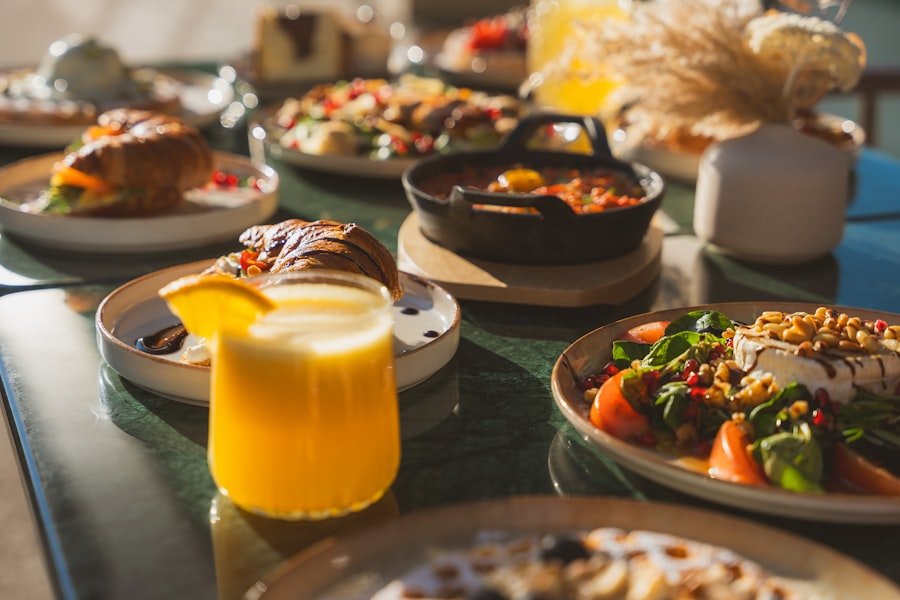
The foundation of Emirati cuisine reflects both the environment of the Arabian Gulf and the UAE’s long trading connections. Rice is central to many meals, while wheat appears in dishes such as harees and traditional breads. Meat, fish, dates and ghee also play important roles.
Common flavors include:
- Loomi: Dried lime that adds a sour, aromatic flavor to rice dishes and stews.
- Cardamom: Used in both savory foods and drinks, especially Arabic coffee.
- Saffron: Used in selected rice dishes, sweets and drinks for aroma and color.
- Cinnamon: A warming spice found in both savory and sweet preparations.
- Turmeric: Used in spice mixtures and rice-based dishes.
- Dates: Served on their own, paired with coffee and incorporated into sweets or syrups.
- Ghee: Clarified butter used to enrich dishes such as harees and some traditional sweets.
- Fish and seafood: Important to the cuisine because of the UAE’s long relationship with the Arabian Gulf.
Note: There is no single fixed recipe for every Emirati dish. Spice blends, sweetness, meat choices and preparation methods can change between families, regions and occasions.
Emirati Street Food and Snacks
Dubai’s casual food scene mixes Emirati, Khaleeji, Levantine, South Asian and other culinary traditions. That means a food can be extremely popular in Dubai without being specifically Emirati.
Shawarma is a good example. Meat is cooked on a vertical rotisserie, sliced and wrapped in bread with sauces, pickles and other fillings. It is one of Dubai’s most familiar quick meals, but it belongs to the wider Middle Eastern culinary tradition rather than serving as a defining Emirati dish. The same distinction applies to falafel.
For snacks and light foods with a stronger Emirati or Gulf identity, look for the following:
Chebab
Chebab is a traditional pancake commonly flavored with ingredients such as cardamom and saffron. It can be served with date syrup, honey or cheese and is a good option for breakfast or a lighter meal.
Regag or Ruqaq
Regag is a very thin, crisp bread that can be eaten plain or paired with fillings and toppings. Depending on where you order it, you may see combinations involving cheese, egg, honey or other ingredients.
Khameer
Khameer is a soft traditional bread that can be served at breakfast or alongside other foods. Cheese, date syrup and other accompaniments make it an easy introduction to Emirati bread traditions.
Luqaimat
Luqaimat are small fried dough balls with a crisp exterior and soft center. They are commonly finished with date syrup or honey and may be sprinkled with sesame seeds. They are especially associated with Ramadan but are enjoyed throughout the year.
Pro Tip: For an easy first tasting, try one savory dish such as machboos, one bread such as regag or khameer, a serving of luqaimat, and gahwa with dates. That gives you a much broader picture of Emirati cuisine than ordering only one rice dish.
Modern Emirati Fusion Cuisine
Modern chefs in the UAE increasingly use local flavors in contemporary presentations. Instead of abandoning traditional ingredients, fusion cooking may take familiar elements such as saffron, cardamom, dates, loomi, lamb or local seafood and apply them to newer restaurant formats and international techniques.
That can result in dishes inspired by Emirati flavors without claiming to be traditional recipes. A chef might use loomi in a seafood sauce, cardamom in a modern dessert, date syrup in a glaze, or Emirati spice combinations with grilled meat.
The distinction is useful for diners: traditional Emirati cuisine refers to established local dishes and food customs, while Emirati-inspired fusion uses those flavors as a starting point for something new.
Dubai also has many celebrated international restaurants. For example, Zuma Dubai describes itself as a contemporary Japanese restaurant. It may be part of Dubai’s diverse dining scene, but it should not be treated as a primary destination for authentic Emirati cuisine.
Emirati Desserts and Sweets
Sweet foods are closely connected with hospitality, family gatherings, Ramadan and celebrations across the UAE. Luqaimat is one of the most recognizable examples, but it is far from the only local sweet worth knowing.
Khanfaroosh
Khanfaroosh is a fried sweet made with ingredients such as flour, eggs and sugar and commonly flavored with aromatic spices including cardamom and saffron. Its warm spice profile makes it a useful example of how flavors found in savory Emirati cooking also appear in desserts.
Khabeesa
Khabeesa is a warm sweet preparation that can be made with roasted flour or semolina, ghee and sweet ingredients such as dates. Recipes vary, but the dish has the dense, comforting character found in many traditional Gulf sweets.
Aseeda
Aseeda is a soft, thick flour-based dish that can be served with ghee, honey or other sweet accompaniments. Like several traditional recipes, its exact preparation differs between households.
Dates and Date Syrup
Dates have both practical and cultural importance in the UAE. They are commonly offered to guests, served alongside Arabic coffee and used in desserts or syrups. A simple plate of dates with gahwa can be as culturally meaningful as a more elaborate dessert.
Baklava and knafeh are also widely available in Dubai and throughout the UAE. They are part of the broader Middle Eastern and regional dessert landscape, however, so they should not replace specifically Emirati sweets when describing the country’s traditional cuisine.
Emirati Beverages and Drinks
Gahwa: Arabic Coffee
Gahwa is one of the most culturally significant drinks associated with Emirati hospitality. Preparation varies, but Emirati-style Arabic coffee is often aromatic and may be flavored with cardamom and saffron. It is served in small cups, frequently together with dates.
The importance of Arabic coffee goes well beyond caffeine. UNESCO recognizes Arabic coffee as an Intangible Cultural Heritage tradition shared by the UAE and several other Arab countries. Hospitality customs include serving guests with particular care, and traditionally a guest can gently shake the cup to indicate that no more coffee is wanted.
Karak Tea
Karak is a strong milk tea flavored with spices and is deeply woven into everyday life in the UAE and the wider Gulf. It is not an ancient Bedouin drink in the same sense as gahwa, but it has become one of the most familiar beverages in modern Emirati and Gulf food culture.
Laban
Laban is a cool dairy drink that pairs well with savory food and is widely consumed throughout the region. Its mild, slightly tangy flavor provides a contrast to heavily seasoned rice and meat dishes.
Qamar al-Din
Qamar al-Din is made from apricot paste or dried apricot sheets mixed with water to create a sweet drink. It is especially associated with Ramadan throughout the Arab world and is enjoyed in the UAE as well. It is better understood as a regional Ramadan beverage than as something unique to Emirati cuisine.
Emirati Dining and Hospitality Customs
Food in Emirati culture is closely connected with hospitality. Guests may be welcomed with gahwa and dates before a larger meal, and many traditional dishes are designed for sharing. Large platters of rice and meat are common at family gatherings and celebrations.
If someone is offering Arabic coffee in a traditional setting, accepting at least a small cup can be a courteous way to take part in the hospitality ritual. Customs differ by household and setting, so visitors do not need to worry about mastering every detail before enjoying the experience.
The Sheikh Mohammed Centre for Cultural Understanding in Al Fahidi is particularly useful for visitors who want to learn about these customs while eating traditional food because its cultural meals are hosted by Emirati presenters.
Where to Experience Emirati Cuisine in Dubai
Dubai has thousands of restaurants, but a visitor specifically searching for Emirati cuisine should prioritize restaurants and cultural experiences that clearly identify local UAE food as part of their purpose.
Al Fanar Restaurant & Cafe
Al Fanar Restaurant & Cafe is one of the clearest choices for traditional Emirati food. The restaurant says it was founded in 2011 to showcase UAE culinary heritage and operates Dubai locations including Dubai Festival City, Al Seef and Al Barsha.
The nostalgic decor is designed to evoke an older period of Dubai, while the menu includes dishes such as machboos, seafood preparations and luqaimat. It is a practical option if you want several Emirati specialties in one meal.
Sheikh Mohammed Centre for Cultural Understanding
For more cultural context, the Sheikh Mohammed Centre for Cultural Understanding offers hosted cultural meals in the Al Fahidi Historical Neighbourhood. Rather than functioning only as a restaurant, the experience combines traditional food with discussion about Emirati customs, religion, values and daily life. Booking is required for its scheduled meal programs.
Arabian Tea House
Arabian Tea House in historic Al Fahidi is another useful heritage-oriented stop. Its setting makes it particularly appealing for travelers who want traditional breakfast foods, tea and Gulf flavors while exploring Old Dubai.
Food festivals and cultural events can also provide opportunities to try Emirati dishes, but menus and event schedules change. When authenticity is your priority, look for venues that specifically describe their food as Emirati or traditional UAE cuisine rather than assuming that every Arabic or Middle Eastern restaurant represents Emirati cooking.
Experiencing Emirati cuisine in Dubai is ultimately about more than one famous dish. Machboos, harees, thareed, local breads, sweets, seafood, gahwa and dates together reveal how desert life, the Arabian Gulf, trade and hospitality shaped the UAE’s food culture. Knowing which foods are genuinely Emirati also makes it easier to appreciate Dubai’s much wider international dining scene without confusing the two.
Frequently Asked Questions
What is Emirati cuisine?
Emirati cuisine is the traditional food culture of the United Arab Emirates. Common ingredients include rice, wheat, meat, fish, dates, ghee and aromatic spices, while well-known dishes include machboos, harees, thareed and luqaimat.
What are some popular dishes in Emirati cuisine?
Popular traditional dishes include machboos, a seasoned rice dish served with meat or fish; harees, made from slow-cooked wheat and meat; thareed, a bread-and-stew dish; madrooba, which can feature fish; and luqaimat, fried sweet dumplings served with date syrup or honey.
What are some must-try Emirati dishes in Dubai?
Start with machboos and harees for savory dishes, then try regag or khameer bread and finish with luqaimat. Gahwa served with dates is also worth trying because Arabic coffee is closely connected with Emirati hospitality.
What are the key ingredients used in Emirati cuisine?
Common ingredients include rice, wheat, chicken, lamb, fish, seafood, dates and ghee. Important seasonings include dried lime or loomi, cardamom, saffron, cinnamon and turmeric. Exact combinations vary by dish and family recipe.
Where can I find Emirati cuisine in Dubai?
Al Fanar Restaurant & Cafe is a dedicated Emirati restaurant with several Dubai locations. The Sheikh Mohammed Centre for Cultural Understanding in Al Fahidi also offers bookable cultural meals, while Arabian Tea House is a useful heritage-oriented option for traditional breakfast and Gulf dishes.
Is Emirati food spicy?
Emirati food is generally aromatic rather than very hot. Cardamom, saffron, cinnamon, turmeric and dried lime contribute fragrance and depth, while chili heat is usually less dominant than in many spicy South Asian cuisines.
Are shawarma and falafel Emirati foods?
They are extremely popular in Dubai, but they belong to the wider Middle Eastern food tradition rather than being uniquely Emirati. For foods with a stronger UAE identity, look for machboos, harees, thareed, chebab, regag, khameer and luqaimat.
What is a traditional Emirati breakfast?
Breakfast may include foods such as balaleet, chebab pancakes, khameer bread or regag, often accompanied by cheese, dates, date syrup, tea or Arabic coffee. Menus and combinations vary between households and restaurants.
Sources
- Experience Abu Dhabi — Emirati Cuisine — traditional dishes, ingredients, seafood and culinary heritage.
- Experience Abu Dhabi — Emirati Food and Coffee Culture — harees, machboos, luqaimat, chebab and gahwa.
- UNESCO Intangible Cultural Heritage — Arabic Coffee, a Symbol of Generosity — Arabic coffee hospitality traditions.
- Al Fanar Restaurant & Cafe — current Emirati restaurant information and Dubai locations.
- Sheikh Mohammed Centre for Cultural Understanding — Cultural Meals — current traditional meal experiences and Emirati cultural programming in Dubai.