The best area to stay in London near attractions depends on which sights you want within walking distance. London’s major landmarks are spread across several central neighborhoods, so choosing the right base can save time without forcing you to stay beside every attraction. This guide compares eight useful areas by sights, atmosphere, transport, and the main trade-offs you should know before booking.
Quick Answer
If sightseeing is your priority, Covent Garden and the West End or Westminster are strong central bases. Covent Garden suits theatres, dining, and walkable evenings, while Westminster puts major landmarks closest to your door. South Bank works especially well for riverside attractions and families; South Kensington suits museum-focused trips.
Last checked: October 1, 2026. Dates and figures were verified against official sources.
Key Takeaways
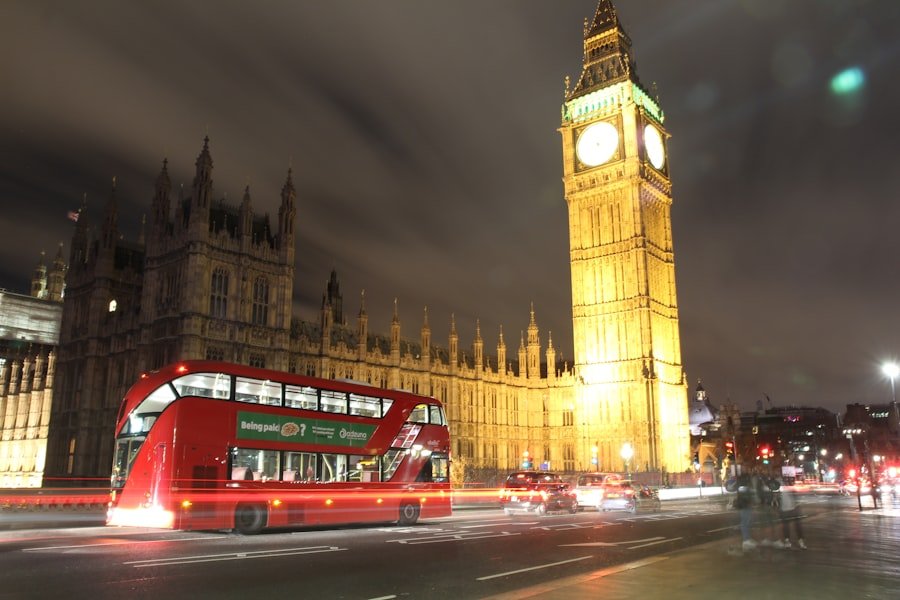
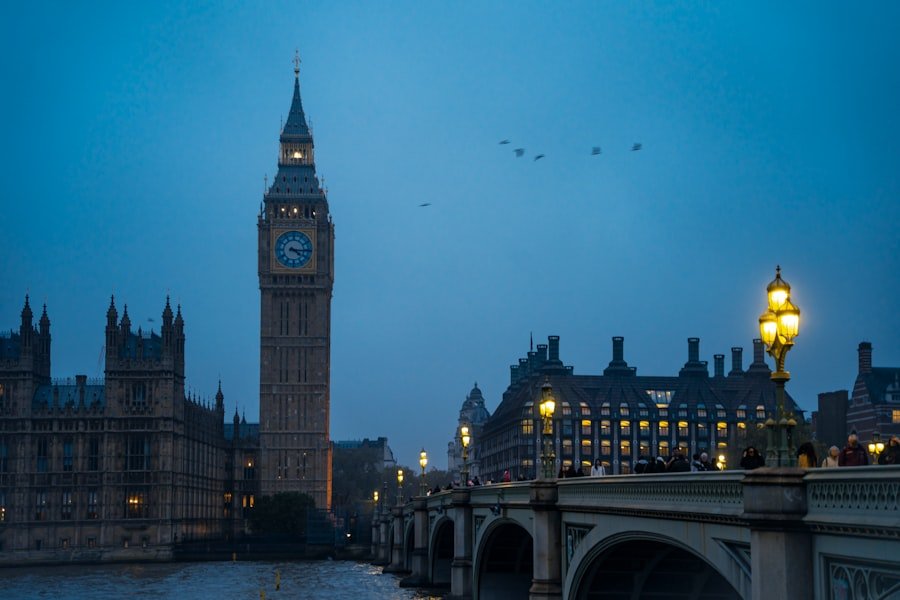
- Westminster gives you the easiest access to Big Ben, the Houses of Parliament, Westminster Abbey, St James’s Park, and Buckingham Palace.
- Covent Garden and the wider West End work well if theatre, restaurants, shopping, and evening entertainment matter as much as sightseeing.
- South Bank and Waterloo combine riverside walks with family attractions and major cultural venues.
- South Kensington is a practical choice for museum-heavy itineraries, while Camden, Notting Hill, Shoreditch, and Greenwich trade some centrality for stronger neighborhood character.
How to Choose the Best Area to Stay in London Near Attractions
For a first visit, start by listing the attractions you care about most and then choose the neighborhood that keeps the largest cluster close. London’s official visitor guide highlights Covent Garden, Westminster, and South Bank among the central areas that put many major sights within easy reach, while South Kensington is particularly useful for museums and family trips.
The official Visit London accommodation guide also recommends considering transport, restaurants, and your itinerary instead of choosing by neighborhood name alone.
| Area | Best for | Nearby highlights | Main trade-off |
|---|---|---|---|
| Westminster | First-time landmark sightseeing | Big Ben, Parliament, Westminster Abbey, Buckingham Palace | Less neighborhood nightlife than the West End |
| Covent Garden / West End | Theatre, dining, central walking | Covent Garden, Trafalgar Square, West End theatres | Busy streets and lively evenings |
| South Bank / Waterloo | Families, culture, river walks | London Eye, Southbank Centre, National Theatre | Popular riverside sections can be crowded |
| South Kensington | Museums and families | V&A, Natural History Museum, Kensington Gardens | Farther west than Westminster and Covent Garden |
| Camden Town | Markets and live music | Camden Market, Roundhouse, Regent’s Canal | Requires more transport for royal sights |
| Notting Hill | Neighborhood atmosphere and markets | Portobello Road, colorful streets, local shops | Not as close to the main Westminster sights |
| Shoreditch | Food, nightlife, street art | Brick Lane, markets, galleries, bars | East of the traditional sightseeing core |
| Greenwich | Maritime history and a quieter base | Royal Observatory, Cutty Sark, Greenwich Park | Longer trip to many central attractions |
Wherever you stay, look at the actual hotel location rather than the neighborhood label alone. A property close to a useful Underground, rail, or DLR station can be more convenient than one on the edge of a supposedly better area.
London’s transport network includes the Tube, buses, DLR, London Overground, Elizabeth line, River Bus, and many National Rail services. TfL explains how Visitor Oyster pay-as-you-go travel works across these services.
The West End: Best for Theatre, Dining, and Evening Entertainment
The West End is a strong base if you want sightseeing during the day and entertainment within walking distance at night. It includes busy districts such as Covent Garden, Soho, Leicester Square, and the streets around many of London’s best-known theatres.
You can combine a day around Trafalgar Square and the National Gallery with dinner and a performance without crossing the city again in the evening. The Royal Ballet and Opera in Covent Garden and theatres around the Strand, Shaftesbury Avenue, and Leicester Square make this especially convenient for theatre-focused trips.
The main compromise is atmosphere. The busiest West End streets stay active well into the evening, so a room directly above a major nightlife or entertainment street may not suit a light sleeper.
South Bank and Waterloo: Best for Riverside Attractions and Families
South Bank and Waterloo put a dense group of attractions along a pedestrian-friendly part of the Thames. They are practical for families, culture-focused visitors, and anyone who prefers riverside walking to spending every journey underground.
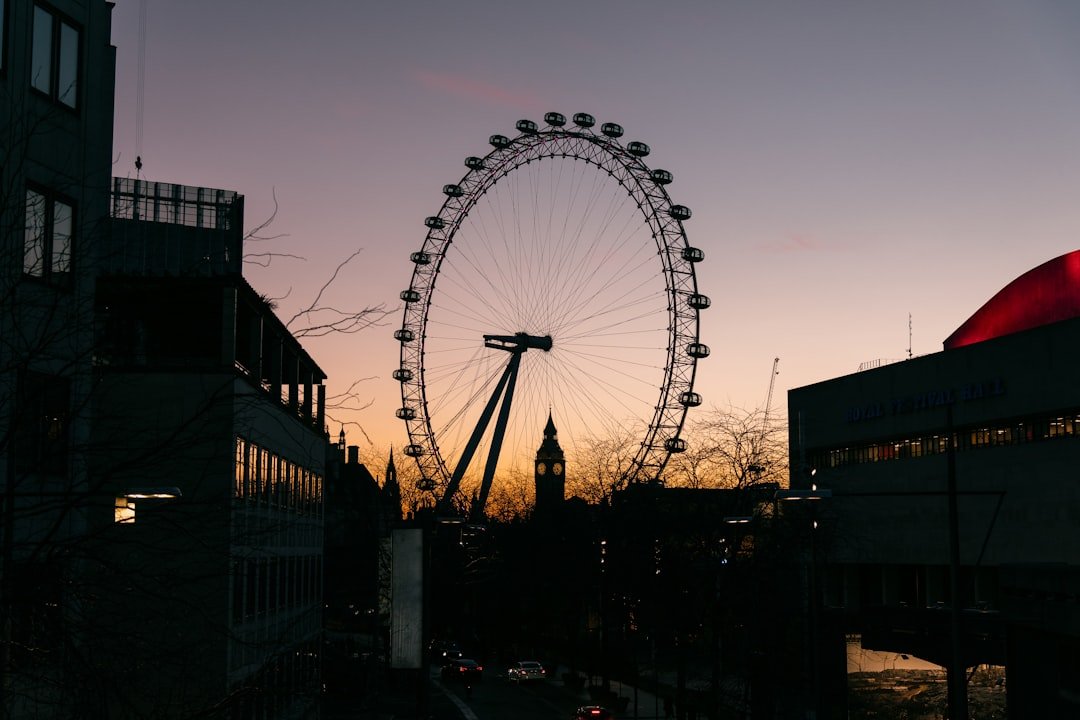
Visit London describes the South Bank and Waterloo area as stretching from Lambeth Bridge to Blackfriars Bridge. Along and near this section are the London Eye, Southbank Centre, National Theatre, restaurants, performance spaces, and views across the river toward Westminster.
The official South Bank and Waterloo guide also identifies Waterloo and Southwark as useful nearby Underground stations and notes the area’s wide, flat pedestrian routes.
If Tate Modern, Shakespeare’s Globe, or Borough Market is central to your itinerary, also compare accommodation a little farther east around Bankside and Southwark. This avoids treating the entire south side of the Thames as one neighborhood.
Covent Garden: Best for a Compact Central Sightseeing Base
Covent Garden is one of the easiest areas to understand on a short London trip because attractions, theatres, restaurants, and shopping are tightly packed. It is part of the West End, but it deserves separate consideration if walkability is your main priority.
The historic Market Building and Piazza form the center of the district. Around them you will find street performers, shops, restaurants, the London Transport Museum, the Royal Ballet and Opera, and quick walking routes toward Trafalgar Square, Leicester Square, Soho, and the Strand.
Covent Garden is therefore useful if your itinerary mixes sightseeing with theatre and evening dining. Its weakness is the same thing that makes it convenient: central streets can become crowded, particularly around the Piazza and theatre district.
Kensington and South Kensington: Best for Museums and Parks
Kensington and South Kensington suit travelers who would rather have major museums and green space close by than stay beside Westminster’s political landmarks. Families can also build several days around attractions in this part of west London.
South Kensington brings the Victoria and Albert Museum and Natural History Museum into the same general museum district, while Kensington Gardens and Kensington Palace are nearby. General admission to the V&A South Kensington is free; its current regular hours are 10am to 5:45pm daily, with Friday opening until 10pm, although some galleries close earlier.
The area feels more residential than the busiest parts of the West End. In exchange, you will rely more on public transport when visiting attractions around Westminster, the South Bank, or the City.
If museums are the center of your itinerary, that trade-off can be worthwhile. You can spend less time crossing London on museum days and still reach the traditional sightseeing core by Tube.
Camden Town: Best for Markets, Music, and Alternative London
Camden Town is a better fit for travelers who want markets, live music, and a distinctive neighborhood atmosphere alongside sightseeing. It is north of the main Westminster–West End attraction cluster, so it works best when Camden itself is part of the reason for your trip.
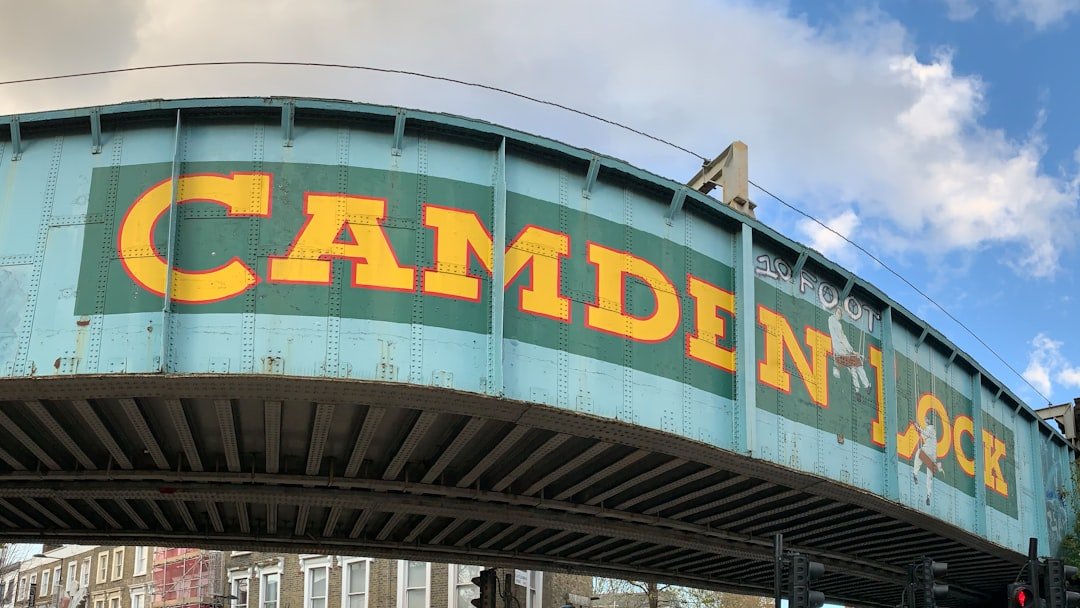
Camden Market combines independent traders, food, shopping, and the canal-side environment around Camden Lock. According to the official Camden Market visitor information, the main market currently opens daily from 10am to 7pm, including bank holidays, although individual traders can vary.
The Roundhouse strengthens Camden’s long association with live music and performance, while Regent’s Canal offers a quieter contrast to the surrounding streets. The trade-off is distance: Buckingham Palace, Westminster, and South Bank attractions normally require a Tube or bus journey.
Notting Hill: Best for Portobello Road and West London Character
Notting Hill works well if you want a colorful west London neighborhood rather than a hotel surrounded by headline landmarks. Its appeal comes from Portobello Road, independent shops, food, residential streets, and its strong Caribbean cultural heritage.
The Visit London Notting Hill guide highlights the neighborhood’s market culture, boutiques, colorful streets, food scene, and world-famous carnival.
Portobello Road is the best-known visitor draw, with antiques, fashion, food, and market activity. Notting Hill is also a sensible base if you plan to spend significant time around Kensington, Hyde Park, or other parts of west London.
If you visit during Notting Hill Carnival, expect the area to feel very different from a normal weekend because streets, transport, and crowd levels are affected by the event.
Shoreditch: Best for Street Art, Food, and Nightlife
Shoreditch is a good base when modern East London interests you more than staying beside royal landmarks. Restaurants, bars, creative businesses, markets, street art, and nightlife give the district a noticeably different feel from Westminster or Kensington.
The current Visit London Shoreditch and Hoxton guide highlights street art, Brick Lane, markets, independent businesses, restaurants, pubs, and nightlife as key reasons to explore the area.
Shoreditch also places you closer to the City of London and attractions around Liverpool Street than the western neighborhoods do. However, first-time visitors focused mainly on Buckingham Palace, Westminster Abbey, the London Eye, and West End theatre will spend more time traveling back toward central London.
Greenwich: Best for Maritime History and a Quieter Sightseeing Base
Greenwich offers a different type of London stay, centered on maritime history, parkland, and attractions clustered around the Thames. It is especially appealing if the Royal Observatory, Cutty Sark, National Maritime Museum, or Greenwich Park already feature prominently in your plans.
The Royal Observatory is home to the historic Prime Meridian and Greenwich Mean Time. As of October 1, 2026, the Royal Observatory visitor information lists regular opening hours of 10am to 5pm outside September, with adult admission at £24 and child admission at £12. Under-fours enter free.
Greenwich Park provides elevated views across the area, while the Old Royal Naval College and Cutty Sark add more historic attractions near the river. The neighborhood is easy to explore on foot once you arrive.
The compromise is location. Greenwich sits southeast of the traditional central sightseeing core, so it is less efficient if every day of your itinerary revolves around Westminster and the West End. It makes more sense if you value a distinct neighborhood base and plan to spend meaningful time in Greenwich itself.
Choosing the Best Area to Stay in London Near Attractions
No single neighborhood puts every London attraction on your doorstep. For a landmark-heavy first visit, compare Westminster with Covent Garden and the West End. Choose South Bank for riverside sights and family attractions, or South Kensington when museums and parks dominate your itinerary.
Camden, Notting Hill, Shoreditch, and Greenwich make more sense when their neighborhood character is part of the trip, rather than simply a place to sleep. Before booking, check the hotel’s exact position, the closest useful station, and how that location matches the attractions you have actually placed on your itinerary.
Frequently Asked Questions
What are the best areas to stay in London near attractions?
Westminster, Covent Garden and the West End, South Bank, and South Kensington are especially useful sightseeing bases. Westminster is closest to major royal and political landmarks, Covent Garden suits theatre and dining, South Bank suits riverside attractions, and South Kensington is convenient for major museums.
What are the benefits of staying near attractions in London?
Staying near the attractions you plan to visit can reduce daily transport time and make walking between sights easier. It can also make early starts, evening theatre, restaurant visits, and breaks at your accommodation more convenient.
Is Covent Garden or Westminster better for a first visit?
Choose Westminster if Big Ben, the Houses of Parliament, Westminster Abbey, and Buckingham Palace are your main priorities. Choose Covent Garden if you want a central base that combines sightseeing with West End theatres, restaurants, shopping, and lively evenings.
What types of accommodations are available near London attractions?
London offers luxury hotels, boutique hotels, budget hotels, hostels, serviced apartments, guesthouses, and self-catering accommodation. The useful choice depends on your budget, group size, preferred neighborhood, and how close you want to be to public transport.
Are there dining and shopping options near London attractions?
Yes. Central areas such as Covent Garden, the West End, South Bank, Kensington, and Westminster have extensive dining options, while Covent Garden and the West End are particularly convenient for combining sightseeing with shopping and evening meals.
How can I travel to other parts of London from these areas?
The areas in this guide connect to the rest of London through combinations of the Underground, buses, rail, DLR, London Overground, Elizabeth line, and river services. For the easiest stay, compare the exact hotel location with the stations and transport lines that serve your planned attractions.
Do I need to stay in the very center of London?
No. A well-connected neighborhood outside the busiest sightseeing core can work well if it matches your itinerary and has a convenient station nearby. The important comparison is the real journey from your hotel to the attractions you plan to visit, not simply whether the address is described as central.
For more London planning ideas and attraction coverage, browse Tagline Today.
Sources
- Visit London: Where to Stay: Central accommodation areas and first-time visitor guidance.
- Transport for London: Visitor Oyster coverage and public transport information.
- Visit London: South Bank and Waterloo: Area boundaries, attractions, walking, and transport.
- V&A South Kensington: Admission and current opening hours.
- Camden Market: Current market opening hours and access information.
- Visit London: Notting Hill: Neighborhood attractions, Portobello Road, culture, and market information.
- Visit London: Shoreditch and Hoxton: Street art, markets, food, nightlife, and neighborhood highlights.
- Royal Museums Greenwich: Royal Observatory opening hours, admission prices, and visitor information.