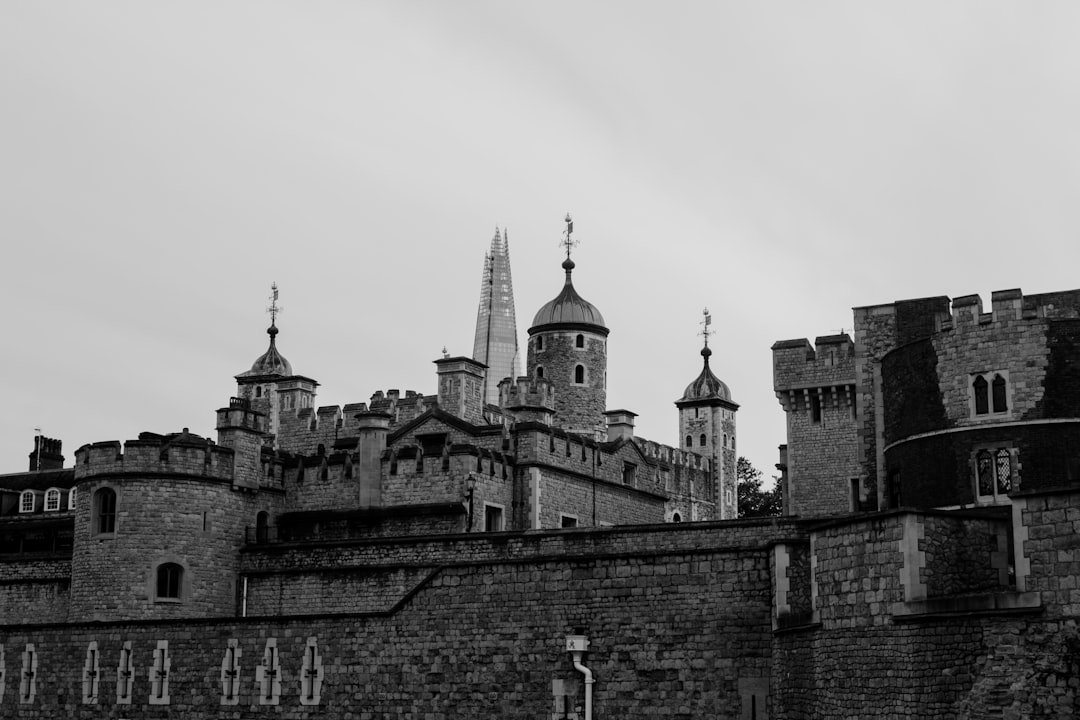
The Tower of London is one of London’s most important historic attractions, combining a Norman fortress, royal palace, former prison, working ceremonial site and centuries of royal history in one complex beside the River Thames. A well-planned visit gives you time for the Crown Jewels, White Tower, Yeoman Warder tour, medieval rooms, ravens and other major sights without rushing.
Quick Answer
Allow about three hours for a Tower of London visit. Standard adult admission is currently £37 without the optional donation, and the ticket includes the Crown Jewels, White Tower, ravens, Medieval Palace and a Yeoman Warder tour subject to availability. Check your exact date before travelling because opening hours and temporary closures can change.
Key Takeaways
- The Tower of London is a UNESCO World Heritage Site on the north bank of the River Thames.
- The Crown Jewels are displayed in the Jewel House, while the White Tower contains major Royal Armouries displays.
- Current standard admission without the optional donation is £37 for adults, £18.50 for ages 5–17 and £29.50 for several concession categories.
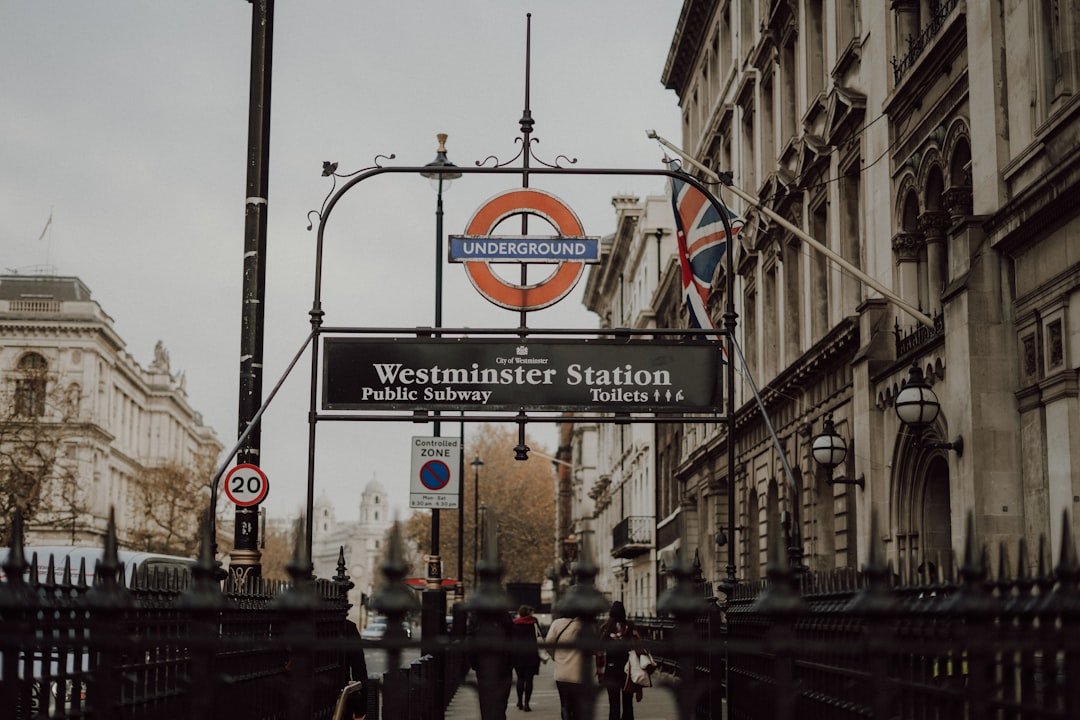
- Tower Hill Underground station is roughly a five-minute walk from the entrance.
- Allow around three hours and check the official opening schedule and temporary closures before travelling.
- Expect cobbles, stairs and uneven surfaces; several historic areas have limited wheelchair access.
William the Conqueror established Norman control of this strategically important site after the conquest of England in 1066. Construction of the great stone keep now known as the White Tower began around 1078 and continued into the following decades. Over time, the wider Tower served as a fortress, royal residence, prison, treasury, armoury, mint and secure home for royal treasures.
Its history includes famous prisoners, political struggles and executions, including that of Anne Boleyn on Tower Green. Today, the fortress remains closely connected with the monarchy while operating as one of Britain’s most significant historic visitor sites.
Planning Your Visit
Start by choosing both your date and the amount of time you want to spend inside. Historic Royal Palaces currently recommends around three hours for visitors who want to experience the main attractions, although history enthusiasts can easily spend longer.
Current Opening Hours
The Tower’s regular schedule can change with the season, holidays, special events and conservation work. In the current September 2026 schedule, the Tower generally opens at 09:00 Tuesday through Saturday and at 10:00 on Sunday and Monday, with closing at 17:30 and last entry at 16:30 on normal days. Always confirm your specific date on the official Tower of London opening-times page before travelling.
Note: Conservation work, ceremonies and special events can temporarily close individual rooms or alter visitor routes even while the Tower itself remains open.
Best Time to Visit
Weekends, school holidays and major holiday periods can be busy. Official visitor guidance says the Tower as a whole is generally quieter after midday, particularly after about 13:00. If your priority is the Crown Jewels and you arrive at opening time, visiting the Jewel House early can also help you reach that popular exhibition before queues grow.
A Practical Three-Hour Route
- Start with the Crown Jewels in the Jewel House, especially if you arrive near opening time.
- Join a Yeoman Warder tour for an entertaining introduction to the fortress, prisoners and executions.
- Explore the White Tower and its Royal Armouries displays.
- Visit the Medieval Palace and Battlements for another side of the Tower’s royal and defensive history.
- See the ravens, Tower Green and Bloody Tower before using any remaining time for smaller exhibitions, the chapel, shops or refreshments.
Pro Tip: Do not try to follow the route rigidly if a major queue develops. Check the next Yeoman Warder tour time and use quieter periods to visit nearby exhibitions.
Getting to the Tower of London
The Tower of London is at London EC3N 4AB and is easy to reach by public transport. Tower Hill is the closest London Underground station and is roughly a five-minute walk away. It is served by the District and Circle lines and has step-free access to street level.
Other Underground and rail stations within walking distance include Monument, Bank, Aldgate, Aldgate East, Fenchurch Street and London Bridge. Historic Royal Palaces currently lists bus routes 15, 42, 78, 100 and 343 among the services stopping near the Tower.
A riverboat can make the journey part of the sightseeing experience. Tower Pier is next to the attraction and receives Thames services from several central London piers.
There is no visitor parking inside the Tower. Nearby public car parks include Tower Hill Coach and Car Park and Minories Car Park. Drivers should also check current congestion-charge and road restrictions before entering central London. See the official getting-here information before travelling.
Ticket Information
You can buy Tower of London tickets online in advance or, subject to availability, from the ticket office on the day. Advance booking is sensible during school holidays and other busy periods.
Current standard admission prices without the optional charitable donation are:
- Adult, age 18–64: £37.00
- Child, age 5–15: £18.50
- Young person, age 16–17: £18.50
- Senior, age 65+: £29.50
- Full-time student, age 18+: £29.50 with valid student identification
- Disabled concession: £29.50
- Disabled carer or companion: £0 under the applicable conditions
- Child age 0–4: free; no admission ticket is currently required
Standard admission includes access to the major open public areas, including the Crown Jewels, White Tower, Medieval Palace, Battlements, Tower Green, Bloody Tower, ravens and several exhibitions. The Yeoman Warder tour is also included subject to availability.
Some premium experiences and events require separate tickets. Rooms or routes may also close temporarily for conservation, ceremonies or operational reasons. Check the official ticket and price page for the price applicable to your visit date.
If you are comparing a London sightseeing pass with individual tickets, check its current attraction list, reservation rules and price before purchasing. Pass inclusions can change, so calculate the cost based on the attractions you actually intend to visit.
What to See at the Tower of London
The Crown Jewels
The Crown Jewels are displayed under guard in the Jewel House, not in the White Tower. The collection contains more than 100 objects and more than 23,000 gemstones and remains a working collection used for major royal ceremonies.
One of its best-known pieces is the Imperial State Crown, made in 1937 for King George VI. It contains 2,868 diamonds as well as sapphires, emeralds, rubies and pearls. St Edward’s Crown, used at the moment of crowning during a coronation, is also part of the collection.
The Koh-i-Noor diamond is set in the Crown of Queen Elizabeth the Queen Mother, made in 1937. The current Jewel House exhibition also explains the diamond’s contested history and its movement through Mughal, Iranian, Afghan and Sikh ownership before it was surrendered to Queen Victoria under the 1849 Treaty of Lahore.
Historic Royal Palaces suggests allowing about an hour for the Crown Jewels exhibition. Photography is not permitted inside the Jewel House. Learn more from the official Crown Jewels visitor information.
The Crown Jewels include more than 23,000 gemstones and remain a working collection used for important royal ceremonies.
The White Tower and Royal Armouries
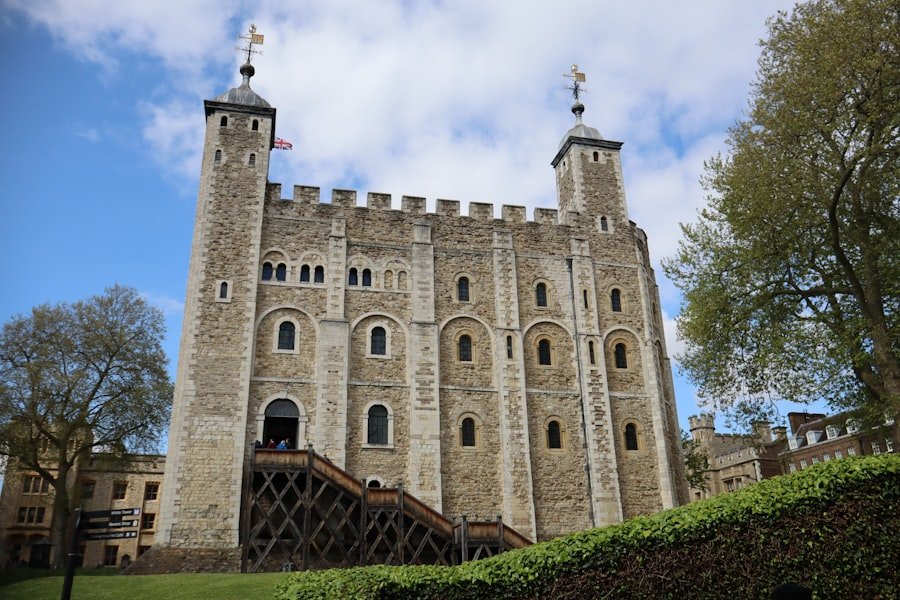
The White Tower is the great Norman keep at the heart of the fortress. Construction began around 1078 under William the Conqueror, and the building was completed around the turn of the 12th century.
Inside, Royal Armouries displays include historic arms and armour associated with monarchs such as Henry VIII, Charles I and James II. The famous Line of Kings exhibition also sits within the White Tower. St John’s Chapel, an exceptional surviving Anglo-Norman royal chapel, is on an upper level.
The Medieval Palace
The Medieval Palace explores the royal households of Henry III and Edward I and shows that the Tower was much more than a military fortress. The historic rooms were refurbished in spring 2025 with colourful interiors, textiles and displays designed to evoke medieval royal life.
The Ravens
The Tower’s ravens are among its most famous residents. You can see them around their lodgings on the South Lawn and learn about the long-standing legend connecting their presence with the survival of the kingdom.
Do not feed or attempt to touch the ravens. They are powerful wild birds and can bite when they feel threatened.
Tower Green, Bloody Tower and the Battlements
Tower Green is closely associated with some of the Tower’s best-known Tudor executions, including Anne Boleyn, Catherine Howard and Lady Jane Grey. Nearby historic spaces explore imprisonment, politics and the lives of people held within the fortress.
The Battlements provide another perspective on the defensive design of the complex and views toward modern London. However, access involves historic stairs and is not suitable for every visitor.
Guided Tours and Audio Guides
A Yeoman Warder tour is one of the best ways to understand the Tower’s complicated history. The Yeoman Warders, commonly called Beefeaters, combine historical information with stories of imprisonment, intrigue, executions and royal life.
The tours are included with Tower admission and cannot be reserved in advance. They normally begin throughout the day at roughly 45-minute intervals, with exact starting arrangements depending on the day and operating conditions. The route includes 21 steps plus cobbled and uneven ground, so it is not fully accessible to everyone.
If you prefer to explore independently, paid audio guides are available. Current individual prices are £5 for an adult and £4 for a child or concession, while a family guide package for two adults and up to three children is £14.
Audio content is available in several languages, including English, French, German, Italian, Spanish, Portuguese, Dutch, Japanese, Korean, Mandarin Chinese, Russian and Ukrainian. British Sign Language options are also available for selected tours.
Tips for Visiting the Tower of London
Wear comfortable, supportive shoes. The Tower contains extensive cobbled surfaces, worn steps, slopes and uneven ground. Wet weather can also make some surfaces slippery.
Dress for the weather. A significant part of the visit involves moving outdoors between separate buildings. London weather can change quickly, so bring suitable layers or rain protection when needed.
Save your ticket on your phone before arriving. This reduces the need to search for confirmation emails at the entrance.
Security and Bags
Warning: Visitors may be searched before entry. Weapons, fireworks, pepper spray and other prohibited articles are banned. The Tower also has no left-luggage facility, and large or rolling suitcases are not permitted, so arrange baggage storage elsewhere before arriving.
Photography
Personal photography is allowed in most parts of the Tower, but it is prohibited inside the Jewel House and the Chapel of St John in the White Tower. Individual loan objects may have additional restrictions.
Tripods, monopods, interior selfie sticks and gimbals are generally not allowed without advance arrangements. Follow signs and staff instructions if restrictions apply during your visit.
Visiting With Children
Families should take extra care around cobbles, worn steps and changes in level. Pushchairs and buggies can be used in parts of the site, but they are not permitted inside the White Tower. Buggy-parking areas are provided.
Dining and Shopping at the Tower of London
You do not need to leave the site when you want a break. Current food options include the New Armouries Café, Ravens Café, Jewels Kiosk, seasonal carts and the Tower of London Café.
The New Armouries Café offers hot meals, soups, sandwiches, salads, children’s choices, cakes and drinks, with vegan and vegetarian options available. It also has step-free and wheelchair access.
Several shops sell souvenirs, books and gifts inspired by the Tower, the Crown Jewels and the Yeoman Warders. If you are planning a long visit, building a café break into the middle of your route can make the afternoon more comfortable.
Accessibility at the Tower of London
The Tower has made a range of access improvements, but its medieval architecture creates unavoidable limitations. Visitors encounter cobbled and uneven ground, difficult stairs, low doorways and narrow passages.
The Jewel House, where the Crown Jewels are displayed, has level access. Its moving walkway can be stopped by staff when required. A limited number of wheelchairs are available free of charge on a first-come, first-served basis.
Ramps are available at locations including the New Armouries Café and near the Ravens Shop. A platform lift serves the Chapel Royal of St Peter ad Vincula, subject to operating and safety restrictions.
However, there is currently no lift or ramp access to the Battlements, Bloody Tower or Imprisonment at the Tower exhibition. The White Tower has lift access to its basement gallery and shop, but not to the upper historic floors.
For deaf and hard-of-hearing visitors, a self-led British Sign Language digital guide is included in admission. Interpreted BSL tours are also offered on scheduled dates. Blind and partially sighted visitors can use options including descriptive sessions, Braille displays, tactile Crown Jewels images and audio-described material.
If accessibility will determine which parts of the site you can visit, review the official accessibility information before buying tickets.
Nearby Attractions
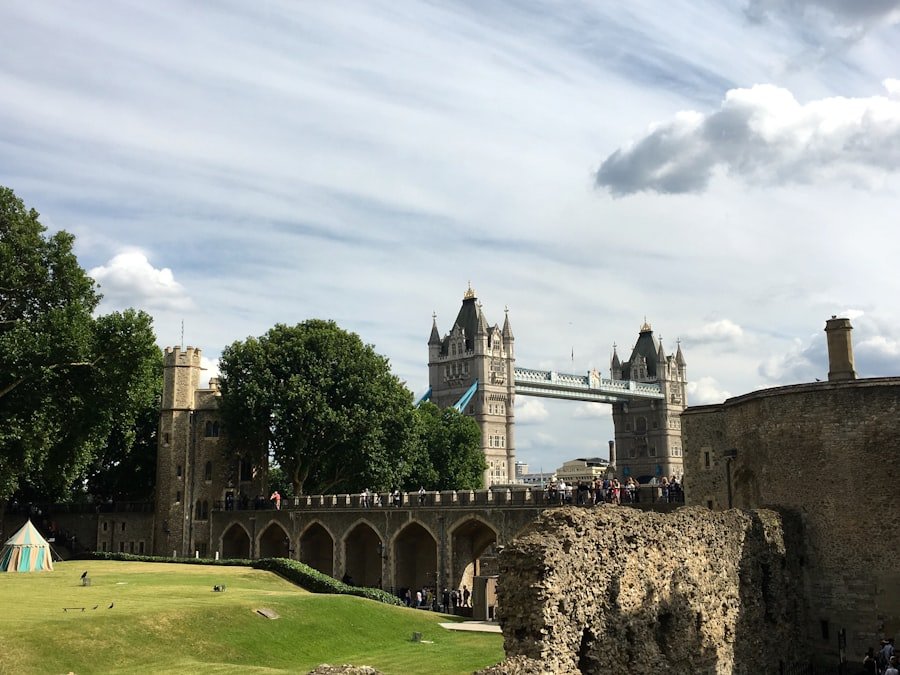
The Tower’s central riverside location makes it easy to combine with several other London sights. Tower Bridge is only a short walk away and offers its own exhibition and elevated walkways.
St Katharine Docks is another nearby option if you want restaurants, cafés or a quieter waterfront walk after leaving the fortress.
Across the river, the area around London Bridge provides access to attractions and landmarks such as Borough Market and The Shard. When combining attractions, allow enough time for the Tower itself rather than trying to fit too many major sites into a short morning.
Conclusion and Final Tips
The Tower of London rewards visitors who give it enough time. Its value is not limited to one famous object or dramatic historical story: the site brings together Norman architecture, medieval royal life, Tudor politics, military collections, the Crown Jewels and centuries of national history.
Before your visit, check current opening hours, temporary closures and admission prices. Aim for roughly three hours, wear shoes suitable for cobbles and stairs, and decide whether the Crown Jewels or a Yeoman Warder tour is your first priority.
If you want an experience beyond normal daytime admission, the Ceremony of the Keys is the Tower’s traditional nightly locking-up ceremony. It takes place separately from a standard visit and requires its own advance ticket, with availability often limited.
A successful Tower of London visit is less about seeing everything quickly and more about giving its main historic spaces enough time to make sense as one connected story.
If you’re planning a trip to London, a broader guide to the city’s major attractions can also help you decide how the Tower fits into your sightseeing schedule and which other landmarks are realistic to visit on the same day.
Frequently Asked Questions
What is the Tower of London?
The Tower of London is a historic fortress and former royal residence on the north bank of the River Thames. It has served as a palace, prison, armoury, treasury, mint and defensive stronghold and is now a UNESCO World Heritage Site.
What are the opening hours of the Tower of London?
Opening times vary by date and season. In the current September 2026 schedule, normal opening is generally 09:00 Tuesday through Saturday and 10:00 Sunday and Monday, with closing at 17:30 and last entry at 16:30. Always check the official date-specific timetable before travelling.
How much does it cost to visit the Tower of London?
Current standard admission without the optional donation is £37 for adults, £18.50 for children aged 5–15 and young people aged 16–17, and £29.50 for seniors, full-time students and disabled concessions. Children under five currently enter free without needing an admission ticket. Prices can change, so verify them before booking.
How long should I spend at the Tower of London?
Plan for about three hours if you want to see the Crown Jewels, White Tower, Medieval Palace and several other major areas without rushing. Visitors with a strong interest in British history may want longer.
What are the must-see attractions at the Tower of London?
Prioritize the Crown Jewels in the Jewel House, the White Tower and Royal Armouries, a Yeoman Warder tour, the Medieval Palace, the ravens, Tower Green and the Battlements if your mobility allows.
Are Yeoman Warder tours included with admission?
Yes. The standard Yeoman Warder tour is included with Tower admission subject to availability. Tours operate during the day and cannot be reserved in advance.
Is photography allowed at the Tower of London?
Photography is permitted in most areas, but it is not allowed in the Jewel House or the Chapel of St John. Restrictions can also apply to individual loan objects, and tripods, monopods, interior selfie sticks and gimbals require advance permission.
Is the Tower of London wheelchair accessible?
Some important areas, including the Jewel House, have level or improved access, but the historic site contains cobbles, stairs, slopes and narrow passages. The Battlements, Bloody Tower and Imprisonment at the Tower exhibition currently have no lift or ramp access, and the upper floors of the White Tower are also inaccessible by lift.
Sources
- Historic Royal Palaces — Tower of London Tickets and Prices — current admission prices, concessions and ticket inclusions.
- Historic Royal Palaces — Opening and Closing Times — date-specific opening hours, last entry and closures.
- Historic Royal Palaces — Getting Here — Underground, rail, bus, riverboat and parking information.
- Historic Royal Palaces — Accessibility — mobility access, BSL resources and support for visually impaired visitors.
- Historic Royal Palaces — Crown Jewels — Jewel House location, collection information and photography rules.
- UNESCO World Heritage Centre — Tower of London — World Heritage status and historical significance.