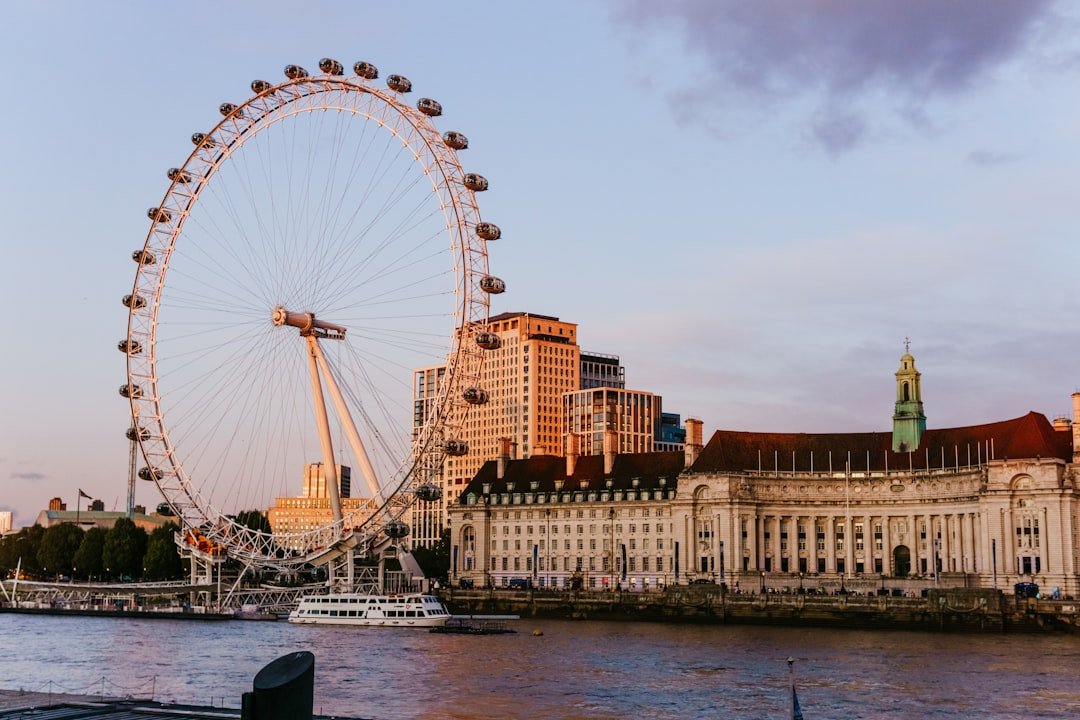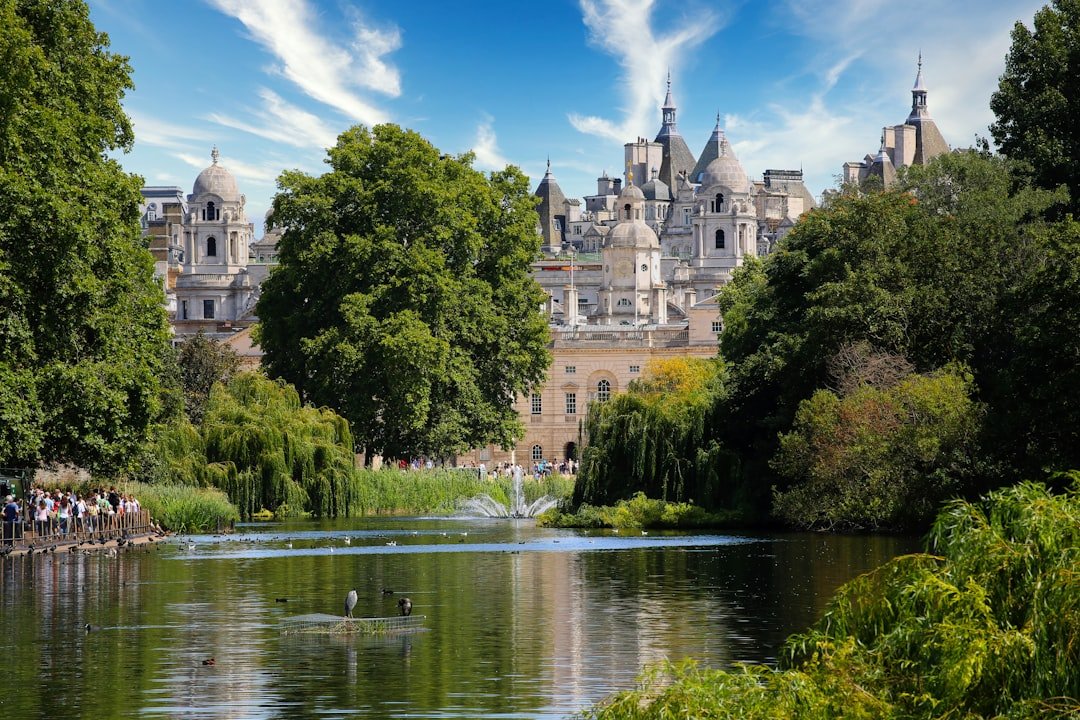
Choosing where to stay near Hyde Park depends on what you want from your London trip. Paddington is the strongest all-round option for transport and Heathrow access, but it is not the best choice for everyone. Bayswater puts you closer to the parks, Kensington works well for museums and families, while Mayfair and Knightsbridge suit travelers who want a luxury stay.
Quick Answer
For most first-time visitors, Paddington is the best all-round base near Hyde Park because it combines broad hotel choice, strong rail and Tube links, and easy Heathrow access. Choose Bayswater or Lancaster Gate for closer park access, Kensington for museums and families, and Mayfair or Knightsbridge for luxury.
Key Takeaways
- Best overall: Paddington offers the most useful mix of transport, hotel choice, and Heathrow connections.
- Best for direct park access: Lancaster Gate, Bayswater, and Queensway sit close to the north side of Hyde Park and Kensington Gardens.
- Best for museums and families: Kensington and South Kensington put major museums, Kensington Gardens, and Royal Albert Hall nearby.
- Best for luxury: Mayfair and Knightsbridge offer prestigious hotels, fine dining, and designer shopping.
- Best for atmosphere: Notting Hill offers colorful streets, cafés, independent shops, and Portobello Road Market.
- Best for the West End: Marble Arch and Marylebone provide convenient access to Oxford Street, Mayfair, and central attractions.
The Best Area to Stay Near Hyde Park
For most visitors, Paddington is the best all-round area to stay near Hyde Park. It has a large selection of hotels, several rail and Underground services, direct airport connections, and convenient access to the northern side of Kensington Gardens and Hyde Park. Visit London also highlights Paddington’s access to Paddington Station, Heathrow Express, and Hyde Park.
Paddington is especially practical when you are arriving from Heathrow, taking a train to another part of Britain, or planning to travel around London every day. It usually offers a wider range of moderately priced hotels than Mayfair or Knightsbridge, although prices still vary sharply by travel date.
The main trade-off is atmosphere. Streets closest to Paddington Station can feel busy and functional rather than picturesque. Some hotels marketed as being near Hyde Park are also closer to Kensington Gardens than to Hyde Park itself, so check the exact address and walking route before booking.
Heathrow Express advertises a journey of about 15 minutes from Paddington to Heathrow Terminals 2 and 3. Terminal 5 takes about six minutes longer, while Terminal 4 requires a transfer. The Elizabeth line also serves Heathrow with more intermediate stops. Always check current engineering work and the timetable before your travel day.
Pro Tip: Choose Paddington for the easiest all-round transport base. Compare Lancaster Gate, Bayswater, or Queensway when waking up close to the park matters more than having a major rail terminal nearby.
Neighborhood Comparison at a Glance
This comparison shows the main strengths and trade-offs of the areas around Hyde Park. Hotel prices are relative and can change significantly during weekends, school holidays, concerts, exhibitions, and major London events.
| Area | Best For | Useful Stations | Atmosphere | Main Trade-Off |
|---|---|---|---|---|
| Paddington | First visits, Heathrow arrivals, rail trips, broad hotel choice | Paddington | Busy and practical | Some streets lack charm and hotel quality varies |
| Lancaster Gate and Bayswater | Park access, families, relative value | Lancaster Gate, Queensway, Bayswater | Residential with busy dining streets | Hotel rooms can be compact and building quality varies |
| Kensington and South Kensington | Museums, families, culture, elegant streets | South Kensington, High Street Kensington, Gloucester Road | Polished and calmer | Often more expensive than Paddington or Bayswater |
| Knightsbridge | Luxury hotels and designer shopping | Knightsbridge, Hyde Park Corner | Upscale and international | High hotel and dining costs |
| Mayfair | Fine dining, luxury, West End access | Bond Street, Green Park, Marble Arch | Prestigious and central | One of the most expensive choices |
| Notting Hill | Character, cafés, markets, repeat visits | Notting Hill Gate, Ladbroke Grove | Colorful and residential | Farther from several headline attractions |
| Marble Arch and Marylebone | Oxford Street, restaurants, West End access | Marble Arch, Bond Street, Baker Street | Central, polished, and lively | Busy roads near Marble Arch and higher prices in prime streets |
Why Stay Near Hyde Park?
Hyde Park is one of London’s best-known green spaces and covers approximately 350 acres, according to The Royal Parks. It opens from 5 a.m. to midnight under normal conditions. Staying nearby gives you room to walk, jog, picnic, or relax between busy sightseeing days.
Kensington Gardens adjoins Hyde Park but is a separate Royal Park. It covers approximately 265 acres, opens at 6 a.m., and closes at dusk. The exact closing time changes through the year. Together, the two parks create a large stretch of green space between Paddington, Bayswater, Kensington, Knightsbridge, and Mayfair.
Hyde Park and Kensington Gardens cover approximately 615 acres combined, giving you an unusually large area of green space in central London.
Relaxation and Recreation
Hyde Park can serve as a daily break from traffic, shopping streets, and crowded attractions. You can follow the paths beside the Serpentine, visit Speakers’ Corner, use marked walking and cycling routes, hire a deck chair during the operating season, or stop at one of the park cafés.
The park is also a useful walking route between different parts of central London. However, it is large enough that crossing it may take longer than expected, especially with children, luggage, or limited mobility.
Convenient Transportation
The areas around Hyde Park are served by Paddington, Lancaster Gate, Queensway, Bayswater, Marble Arch, Hyde Park Corner, Knightsbridge, South Kensington, High Street Kensington, and several other stations. Use Transport for London’s journey planner to check current routes, disruptions, station entrances, walking options, and accessible journeys.
Accommodation Options
Hotels around Hyde Park range from luxury landmarks and serviced apartments to small converted-townhouse hotels. Paddington and Bayswater generally provide the broadest choice, while Mayfair and Knightsbridge have a larger concentration of premium properties.
Do not assume that a higher room price always means more space. Central London hotel rooms can be compact at every price level, so check the stated room size, bed arrangement, lift access, and recent guest photos.
Note: Hyde Park normally remains open later than Kensington Gardens. Check the official park hours if you plan early-morning or late-evening walks from your hotel.
The Different Neighborhoods Near Hyde Park
Each side of Hyde Park gives your trip a different feel. The right area depends on whether you prioritize airport access, museum visits, nightlife, luxury, quiet streets, or the shortest walk to a park entrance.
Paddington: Best Overall for Most Visitors
Paddington is the strongest all-round choice when transport and hotel variety are your main concerns. The station serves National Rail, the Elizabeth line, Heathrow Express, and several Underground routes. This makes it convenient for airport transfers, day trips, and journeys across London.
The hotel stock ranges from simple townhouse properties to larger modern hotels and serviced apartments. Families may appreciate the transport options, while travelers with several suitcases can avoid complicated station changes after arriving from Heathrow.
Choose Paddington when convenience matters more than neighborhood charm. Check recent reviews carefully because room size, soundproofing, lift access, and renovation quality vary between properties.
Lancaster Gate and Bayswater: Best for Park Access and Relative Value
Lancaster Gate, Bayswater, and Queensway sit close to the north side of Hyde Park and Kensington Gardens. They work well when you want to reach the parks quickly without staying in the most expensive luxury districts.
Lancaster Gate and Queensway are on the Central line, while Bayswater is served by the Circle and District lines. The area also has many casual restaurants, grocery shops, cafés, and apartment-style accommodations.
Bayswater can feel busy around Queensway, while quieter residential streets sit only a few blocks away. Check whether your room faces a main road, restaurant area, railway line, courtyard, or quieter side street.
Kensington: Best for Museums and Culture
Kensington is a strong choice when museums, elegant streets, and family attractions shape your itinerary. Kensington Gardens sits beside Hyde Park and covers approximately 265 acres, according to The Royal Parks.
South Kensington places you close to the Natural History Museum, Victoria and Albert Museum, Science Museum, and Royal Albert Hall. The wider Kensington area also provides access to Kensington Palace, Kensington High Street, and residential garden squares.
Choose Kensington for a calmer and more polished atmosphere. It is often more expensive than Paddington or Bayswater, and some hotels described as being in Kensington may be a longer walk from Hyde Park than expected.
Knightsbridge: Best for Luxury Shopping
Knightsbridge sits on the south side of Hyde Park and is known for luxury hotels, Harrods, designer shops, and high-end restaurants. It also places you close to Belgravia, South Kensington, and the park’s southern entrances.
This area works best when premium accommodation, shopping, and a prestigious address matter more than finding value. The main roads can be busy, so travelers who prefer quiet evenings should check the room’s position within the building.
Mayfair: Best for High-End Dining and a Central Luxury Base
Mayfair borders the eastern side of Hyde Park and offers prestigious hotels, galleries, fine-dining restaurants, and luxury shopping. It is within easy reach of Green Park, Bond Street, Oxford Street, and the West End.
Mayfair is one of the most convenient areas for travelers who want to walk to shopping, restaurants, theatres, and central landmarks. Its main disadvantage is cost, particularly for larger rooms and weekend stays.
Notting Hill: Best for Character and Local Atmosphere
Notting Hill suits travelers who want colorful streets, independent cafés, residential architecture, and a stronger neighborhood atmosphere. It is farther from the eastern side of Hyde Park and the West End than Paddington or Mayfair, but it offers more character than many hotel-heavy districts.
Portobello Road Market includes antiques, vintage clothing, food, household goods, and collectibles. Friday and Saturday provide the fullest market experience, with Saturday normally the busiest day.
Notting Hill works especially well for repeat visitors, couples, and travelers who do not need every major attraction within walking distance.
Marble Arch and Marylebone: Best for West End Access
Marble Arch sits at the northeast corner of Hyde Park and gives you direct access to Oxford Street, Mayfair, and the western side of the West End. Hotels near Marble Arch are useful for shopping and sightseeing, although traffic around the major junction can create noise.
Marylebone lies north and northeast of Marble Arch. It offers restaurants, boutiques, attractive residential streets, and access to Baker Street and Bond Street. It can feel more refined and less dominated by hotels than Paddington, but premium streets often command higher prices.
Choose this area when you want the park, West End, Oxford Street, and central dining within easy reach.
How to Choose the Right Hotel Near Hyde Park
The neighborhood name is only the first step. Two hotels advertised as being in the same area can have very different transport links, walking routes, noise levels, and room standards.
- Map the exact entrance: Check the walking route from the hotel door to the nearest park gate, not the distance measured from the center of the neighborhood.
- Check the station entrance: Large stations may have several entrances, and the closest one may not serve every line or provide step-free access.
- Read recent room reviews: Focus on noise, cleanliness, air conditioning, lift reliability, stairs, and room size.
- Confirm the bed layout: A “family room” may include a sofa bed or rollaway bed rather than separate standard beds.
- Check late-night surroundings: Review the route from the station to the hotel if you expect to return after theatres, concerts, or evening meals.
- Compare total cost: Breakfast, local taxes, cancellation terms, luggage storage, and extra-bed fees can change the real price.
- Look for current photos: Guest photos often show room size and building condition more clearly than promotional images.
Pro Tip: On the hotel map, test the route to both the nearest station and the nearest park gate. The most convenient hotel is not always the one that appears closest in a straight line.
Accommodation Options Near Hyde Park
Accommodation near Hyde Park includes grand five-star hotels, boutique properties, converted townhouses, serviced apartments, guesthouses, and larger chain hotels. Your best choice depends on room needs, trip length, transport plans, and how much time you expect to spend at the property.
Luxury Hotels
Mayfair, Knightsbridge, and the eastern and southern edges of Hyde Park offer the greatest concentration of luxury hotels. These properties may provide concierge services, formal restaurants, spas, larger public spaces, and park-facing rooms.
A park view may cost considerably more than a standard room in the same hotel. Check whether the description promises a full park view, partial view, or simply a location near the park.
Mid-Range Hotels
Paddington, Bayswater, Lancaster Gate, and parts of Kensington generally provide the widest selection of mid-range hotels. These areas combine practical transport with a greater range of room types than the main luxury districts.
Building quality varies because many hotels occupy converted townhouses. Look for recent comments about narrow stairs, small lifts, basement rooms, street noise, and air conditioning.
Serviced Apartments and Family Stays
Families and longer-stay travelers may benefit from serviced apartments around Paddington, Bayswater, and Kensington. A kitchenette, washing machine, dining space, and separate sleeping area can make a longer London visit easier.
Confirm whether housekeeping is daily or limited, whether the building has a lift, and whether reception is staffed at the time you plan to arrive.
Budget and Simple Stays
Budget options exist around Paddington and Bayswater, but “budget” is relative in central London. The lowest-priced rooms may have shared bathrooms, limited floor space, no lift, basement locations, or stricter cancellation terms.
Compare the full room description rather than choosing only by nightly rate. A slightly higher-priced hotel near a direct transport route may save time and additional travel costs.
Note: “Near Hyde Park” can describe very different walking distances. Always check the exact hotel address and route instead of relying only on the property name or neighborhood label.
Dining and Entertainment Near Hyde Park
The neighborhoods around Hyde Park provide everything from casual cafés and pub meals to afternoon tea and destination restaurants. The best dining area depends on the atmosphere and price level you prefer.
Paddington, Bayswater, and Queensway offer many casual international restaurants and quick meals. Notting Hill is strong for cafés, brunch, and neighborhood restaurants. Mayfair and Knightsbridge have a larger concentration of luxury dining, while Marylebone combines polished restaurants with a more residential atmosphere.
Entertainment also changes by location. South Kensington is useful for museums and Royal Albert Hall. Mayfair, Marble Arch, and the West End are better for theatres and late evenings. Paddington and Bayswater tend to provide a more relaxed base after sightseeing.
Shopping Opportunities Near Hyde Park
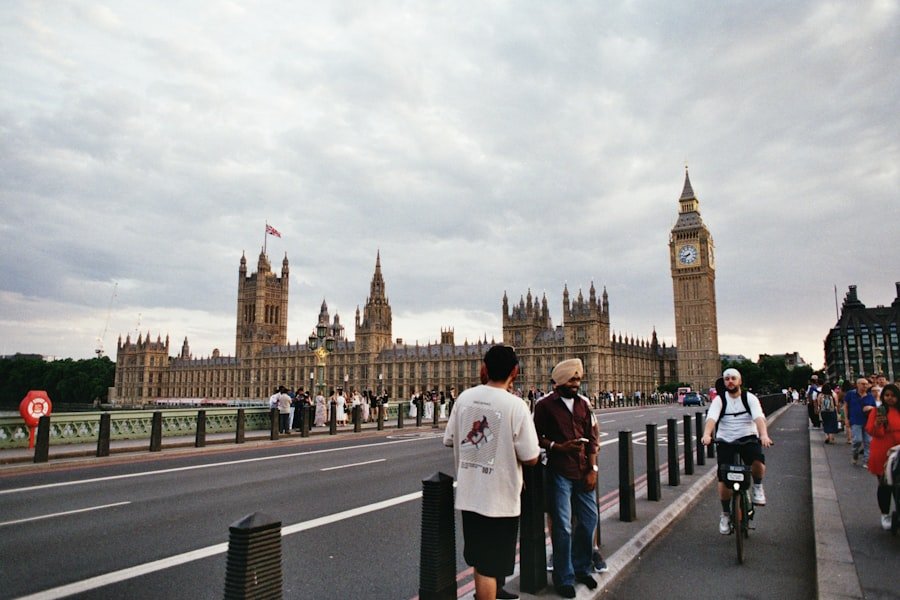
Shopping is one of the main benefits of staying near Hyde Park. Oxford Street is easy to reach from Marble Arch, Mayfair, Paddington, Lancaster Gate, and other neighborhoods on the northern and eastern sides of the park.
For luxury shopping, Mayfair and Bond Street provide designer fashion, jewelry, and premium stores. Knightsbridge is the better choice for Harrods and luxury shopping around Brompton Road.
Notting Hill and Portobello Road offer a different experience, with antiques, vintage clothing, food stalls, collectibles, and independent businesses. Visit on Friday or Saturday when you want the broadest market selection, but expect the largest crowds on Saturday.
Transportation Options Near Hyde Park
The Hyde Park area works well for visitors because it is served by the Underground, Elizabeth line, National Rail, buses, taxis, cycle hire, and extensive walking routes. The best station depends on which part of the park and which attractions you want to reach.
Best Stations for Hyde Park
- Paddington: best for Heathrow Express, the Elizabeth line, National Rail, and multiple Underground services.
- Lancaster Gate: useful for the north side of Hyde Park, the Italian Gardens, and eastern Kensington Gardens.
- Queensway: useful for Bayswater, Kensington Gardens, and Central line travel.
- Bayswater: useful for the Circle and District lines and the northern side of Kensington Gardens.
- Marble Arch: best for Oxford Street, Speakers’ Corner, and the northeast corner of Hyde Park.
- Hyde Park Corner: best for the southeast corner of the park, Wellington Arch, and western Green Park.
- Knightsbridge: useful for Harrods, luxury hotels, and the south side of Hyde Park.
- South Kensington: best for the Natural History Museum, V&A, Science Museum, and the area south of Kensington Gardens.
Airport Access
Paddington is the standout choice for Heathrow access. Heathrow Express trains normally leave every 15 minutes and take about 15 minutes to Heathrow Terminals 2 and 3. Terminal 5 takes approximately six minutes longer, and Terminal 4 requires a transfer. Check the current Heathrow Express timetable before traveling.
The Elizabeth line also connects Paddington with Heathrow and may be more convenient when your final destination lies elsewhere on the line. For Gatwick, Luton, Stansted, or London City Airport, compare routes from the exact hotel because the easiest option varies by departure terminal and travel time.
Step-Free and Accessible Travel
Do not assume that every nearby Underground station or interchange provides the same level of step-free access. Lift outages, platform gaps, station entrances, and interchange routes can affect the journey.
TfL states that the Elizabeth line at Paddington provides step-free access from street to train. Direct step-free access to Paddington’s Bakerloo line also opened in 2024. Check the accessible journey planner shortly before travel, particularly when using a wheelchair, pushchair, walking aid, or heavy luggage.
Note: A station described as step-free may still have a gap or step between the platform and train on some routes. Check TfL’s current accessibility details for the complete journey.
Buses, Walking, and Cycling
Buses can be useful for shorter journeys and routes that would require an Underground change. They also let you see more of the city, although central London traffic can make journey times less predictable.
Walking is often the easiest way to move between Hyde Park, Kensington Gardens, Mayfair, Knightsbridge, and nearby attractions. Remember that the parks are large, so allow extra time when crossing from one side to the other.
Santander Cycles operate across central London. Follow marked cycleways and posted signs because cycling is not allowed on every park path.
Parks and Green Spaces Near Hyde Park
Hyde Park is the main attraction, but Kensington Gardens sits directly beside it and includes the Italian Gardens, Round Pond, monuments, tree-lined walks, and access to Kensington Palace.
Green Park and St James’s Park are reachable from the eastern side of Hyde Park. This creates a useful walking route toward Buckingham Palace and Westminster. Holland Park is another good option from Kensington or Notting Hill when you want a quieter garden setting.
Hyde Park normally opens from 5 a.m. to midnight. Kensington Gardens opens at 6 a.m. and closes at dusk, so it may close considerably earlier during winter.
Cultural Attractions Near Hyde Park
Staying near Hyde Park places you close to several major cultural attractions. South Kensington is home to the Natural History Museum, Victoria and Albert Museum, and Science Museum. Royal Albert Hall also sits near the southern edge of Kensington Gardens.
Kensington Palace lies on the western side of Kensington Gardens. Speakers’ Corner occupies the northeast corner of Hyde Park and has been associated with public speeches and debates since the mid-1800s.
Mayfair provides galleries and auction houses, while the West End theatres are easiest to reach from Mayfair, Marble Arch, or stations with direct central connections.
Safety and Security Near Hyde Park
The Hyde Park area attracts tourists, commuters, shoppers, hotel guests, and residents. It is still part of a large city, so use normal precautions in busy stations, shopping streets, crowds, and nightlife areas.
Keep bags closed, avoid holding your phone loosely beside a busy road, and do not leave valuables visible on café tables. The Metropolitan Police visitor guidance recommends protecting your belongings and keeping backup access to important information in case your phone is lost or stolen.
Check the walking route between your station and hotel before arriving late at night. Recent hotel reviews may also mention lighting, road crossings, noise, and how comfortable the immediate street feels after dark.
For an emergency in the UK, call 999. For a non-emergency police matter, call 101 or use the appropriate online reporting service.
Warning: Do not judge safety or convenience by the neighborhood name alone. Check the exact street, station entrance, recent guest reviews, and late-night walking route before booking.
Best Area Near Hyde Park by Traveler Type
- First-time visitors: Paddington, Lancaster Gate, or Bayswater.
- Families: Kensington, South Kensington, Paddington, or Bayswater.
- Luxury travelers: Mayfair or Knightsbridge.
- Museum lovers: South Kensington or Kensington.
- Shoppers: Mayfair, Knightsbridge, or Marble Arch.
- Couples seeking atmosphere: Notting Hill, Kensington, or Marylebone.
- Repeat visitors: Notting Hill, Marylebone, or Kensington.
- Heathrow arrivals: Paddington.
- Best relative value near the parks: Bayswater or Paddington.
- West End access: Marble Arch, Mayfair, or Marylebone.
- Travelers needing step-free routes: Consider Paddington, but verify the complete route and hotel entrance with current TfL information.
Why Hyde Park is One of the Best Areas to Stay in London
The neighborhoods around Hyde Park provide a rare mix of central location, open space, transport links, hotel choice, museums, shopping, and dining. You can begin the morning with a park walk, visit museums or shops during the day, and still reach Mayfair or the West End easily in the evening.
Paddington remains the best practical default for most travelers because of its transport connections and hotel range. Lancaster Gate and Bayswater are better when direct park access and relative value matter most. Kensington suits museum-focused and family trips, Mayfair and Knightsbridge provide luxury, Notting Hill offers character, and Marble Arch or Marylebone work well for West End access.
The best final choice is not simply the neighborhood nearest to Hyde Park. It is the hotel that gives you the right balance of room quality, station access, park access, price, atmosphere, and evening convenience.
Frequently Asked Questions
What is the best area to stay in London near Hyde Park?
Paddington is the best all-round choice for most visitors because it provides broad hotel choice, several transport services, convenient Heathrow connections, and access to Hyde Park and Kensington Gardens. Bayswater is better for closer park access, while Kensington is better for museums.
Is Paddington or Kensington better for staying near Hyde Park?
Paddington is better for Heathrow access, rail connections, and hotel variety. Kensington is better for museums, Royal Albert Hall, elegant streets, and family sightseeing. Choose Paddington for transport convenience and Kensington for culture and atmosphere.
What are the advantages of staying near Hyde Park in London?
Staying near Hyde Park gives you access to major green spaces, central transport, museums, shopping, restaurants, and neighborhoods such as Paddington, Kensington, Mayfair, Knightsbridge, Bayswater, Notting Hill, and Marylebone.
What types of accommodation are available near Hyde Park?
You can find luxury hotels, boutique hotels, converted-townhouse properties, mid-range chain hotels, guesthouses, and serviced apartments. Paddington and Bayswater usually offer the broadest range, while Mayfair and Knightsbridge focus more heavily on luxury stays.
What transportation options are available near Hyde Park?
Transportation options include the London Underground, Elizabeth line, National Rail from Paddington, Heathrow Express, buses, taxis, walking routes, and Santander Cycles. Useful stations include Paddington, Lancaster Gate, Queensway, Bayswater, Marble Arch, Hyde Park Corner, Knightsbridge, and South Kensington.
Is Hyde Park a good area for first-time visitors to London?
Yes. The Hyde Park area is central, scenic, and well connected. Paddington is especially practical for a first visit, while Lancaster Gate and Bayswater provide good park access and Kensington works well for museum-focused trips.
Which side of Hyde Park is best to stay on?
The north and northwest sides are best for Paddington transport links, Bayswater dining, and relative value. The south side is best for Knightsbridge shopping and South Kensington museums. The east side is best for Mayfair, Marble Arch, and West End access.
Is Paddington within walking distance of Hyde Park?
Many Paddington hotels are within walking distance of Kensington Gardens and Hyde Park, but the distance depends on the exact street. Hotels near Lancaster Gate or the southern side of Paddington generally provide the shortest park routes.
Which area near Hyde Park is best for families?
Kensington and South Kensington are excellent for families visiting museums and the parks. Paddington is better for easy transport and Heathrow arrivals, while Bayswater can offer apartment-style stays and convenient access to Kensington Gardens.
Which neighborhood near Hyde Park is quietest?
Residential streets in Kensington, Notting Hill, and Marylebone can feel quieter than roads around Paddington Station, Queensway, Marble Arch, or Knightsbridge. Noise can change from one street or room to another, so check recent hotel reviews and the room’s position.
Sources
- The Royal Parks: Hyde Park FAQs — Hyde Park size, opening hours, transport, cycling, and visitor guidance.
- The Royal Parks: Kensington Gardens FAQs — Kensington Gardens size, seasonal opening hours, and nearby transport.
- Transport for London Journey Planner — Underground, Elizabeth line, bus, walking, cycling, disruption, and accessible route planning.
- Visit London: Hotels in Paddington — Paddington accommodation and access to Hyde Park, Paddington Station, and Heathrow Express.
- Heathrow Express Timetable — Current train frequency, journey times, and terminal information.
- Metropolitan Police: Visiting London Safely — Official personal-safety and property-protection guidance for visitors.