Dubai is easy to enjoy when you understand a few practical details before you arrive. Visa rules depend on your nationality, the weather can shape your itinerary, and local customs and laws may differ from what you are used to. These Dubai travel tips cover entry requirements, transportation, money, etiquette, safety, food, attractions, and everyday planning for a smoother visit.
Quick Answer
Before visiting Dubai, confirm your visa status and passport validity, plan around the intense summer heat, learn basic local etiquette, and use official sources for current safety and entry information. Dubai’s Metro, taxis, cards, widespread English use, and extensive visitor services make the city relatively straightforward to navigate once you know the basics.
Key Takeaways
- Visa rules depend on nationality. Check your status before booking and make sure your passport meets UAE validity requirements.
- November through April generally offers the most comfortable weather for outdoor sightseeing.
- Dress respectfully in cultural and religious settings and follow UAE rules on public behavior and alcohol.
- Dubai Metro, buses, trams, marine transport, taxis, and app-based rides make getting around relatively easy.
- The local currency is the UAE dirham (AED), and cards are widely useful, though carrying some cash is sensible.
- Check current government travel advisories before departure because regional security conditions can change quickly.
Dubai Visa and Entry Requirements
Do not assume that every traveler follows the same Dubai visa process. GCC citizens have separate entry arrangements, citizens of several other countries can receive a visa on arrival, and some nationalities need a visa before traveling. The UAE Government visa checker is the best starting point because eligibility lists can change.
UAE government guidance says passports generally need to be valid for at least six months from the date of entry. Check the exact rule for your nationality and travel document before departure rather than relying on an old visa list or travel blog.
If you need a Dubai tourist visa in advance, requirements can include a valid passport, an onward or return ticket, and medical insurance valid in the UAE. The General Directorate of Residency and Foreigners Affairs in Dubai publishes current conditions for Dubai tourist visas.
Note: Visa-on-arrival eligibility, permitted stay length, document requirements, and health-entry rules can change. Recheck official UAE information and your airline’s travel-document requirements shortly before you fly.
Best Time to Visit Dubai
Dubai has a hot desert climate. For most travelers who want to walk outdoors, visit beaches, explore Old Dubai, or take a desert excursion, November through April is generally the most comfortable period.
Official Dubai tourism guidance describes winter temperatures as much milder than summer conditions. Summer temperatures commonly rise above 40°C (104°F), so sightseeing between late spring and early autumn requires more heat planning.
If you visit during the hottest months, schedule outdoor activities early in the morning or after sunset. Use the middle of the day for malls, museums, indoor attractions, restaurants, and hotel facilities.
- November-April: Best overall period for outdoor sightseeing and comfortable evenings.
- May and October: Hot transitional months that can still work well if you plan around midday heat.
- June-September: Very hot and often humid; prioritize indoor activities and limit prolonged midday exposure.
For current seasonal guidance, check the official Visit Dubai weather guide before you finalize your itinerary.
Cultural Etiquette and Dress Code
Dubai is highly international, but it is still part of the United Arab Emirates, where Islam is the official religion. You do not need traditional clothing as a visitor, but respectful dress and behavior make interactions easier and help you avoid problems.
Normal casual clothing is widely seen in tourist areas. Swimwear belongs at beaches, pools, and appropriate resort areas rather than malls, business districts, or cultural sites. When visiting a mosque, historic district, or other religious or cultural venue, choose clothing that provides more coverage and follow any dress instructions posted at the entrance.
Public behavior also deserves attention. Avoid aggressive behavior, offensive gestures, excessive public displays of affection, and public intoxication. If you drink alcohol, use licensed venues, follow local age requirements, and arrange safe transportation afterward.
During Ramadan, visitors can still travel and enjoy Dubai, but schedules, restaurant operations, events, and social expectations may differ. Be considerate of people who are fasting and follow instructions at the venue you are visiting.
Transportation and Getting Around
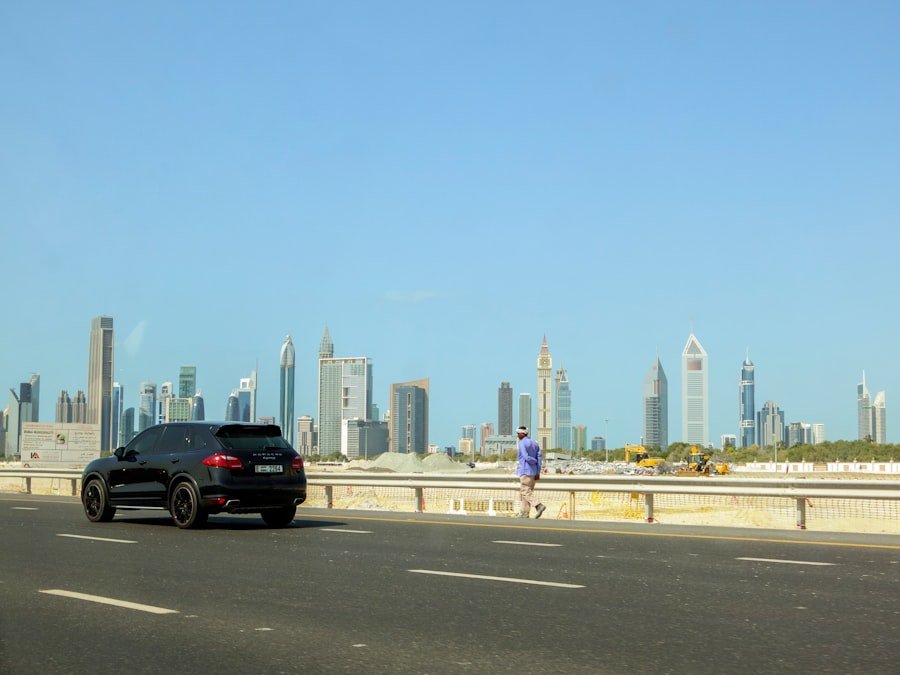
Dubai has an integrated transportation network that includes Metro trains, public buses, the Dubai Tram, marine transportation, taxis, and app-based vehicles. The Dubai Roads and Transport Authority publishes routes, timetables, fares, and service information.
Using the Dubai Metro
The Metro is one of the easiest ways to move between many major areas without dealing with road traffic. Dubai currently operates Red and Green Metro lines. Buy or top up a nol card before traveling and tap it at the station gates.
Metro service times vary by day and can change for holidays or special events, so check RTA information rather than relying on a timetable saved months earlier.
Buses, Tram and Marine Transport
Dubai buses connect neighborhoods and Metro stations throughout the city. The Dubai Tram serves parts of the Marina and Al Sufouh area, while abras and other marine services can be both practical and enjoyable around Dubai Creek and other waterways.
Taxis and Ride-Hailing
Dubai taxis are widely available, including at the airport, hotels, malls, and attractions. App-based booking is also common. RTA’s S’hail app can help you plan public-transport trips and access transportation services from one place.
Bicycles are another option on selected cycling paths and in certain neighborhoods, but Dubai’s size, road layout, and summer heat mean cycling is not the most practical way to travel between every tourist attraction.
Pro Tip: Use the Metro for destinations close to stations, then combine it with a taxi or short ride-hailing trip for the final part of your journey. This can save money and reduce time spent in road traffic.
Currency and Money Matters
Dubai uses the United Arab Emirates dirham (AED). The UAE government states that the dirham is pegged to the U.S. dollar at USD 1 = AED 3.6725. The official abbreviation is AED, while Dh and Dhs are also commonly seen.
You can verify currency information through the official UAE Government currency page.
Credit and debit cards are widely useful in hotels, malls, restaurants, and established attractions. Still, carrying a small amount of cash can help with minor purchases, older shops, tips, or situations where a card terminal is unavailable.
ATMs are widely available. Before using an overseas card, check your bank’s foreign transaction and ATM fees. If a payment terminal or ATM offers to convert the transaction into your home currency, compare the rate carefully. Paying in AED is often preferable to accepting an unfavorable Dynamic Currency Conversion rate.
Use established banks, ATMs, hotels, or licensed currency-exchange businesses rather than accepting informal exchange offers.
Language and Communication
Arabic is the official language of the UAE, but English is widely used throughout Dubai. Road signs and many commercial signs appear in both Arabic and English, and visitors can usually communicate in English at hotels, airports, restaurants, shopping centers, taxis, and major attractions.
Learning a few Arabic phrases is still appreciated. Simple expressions such as shukran for “thank you” can make everyday interactions friendlier.
Translation apps can help when needed, but download any language packs or important addresses before leaving your hotel so you are not completely dependent on mobile data.
Safety and Security
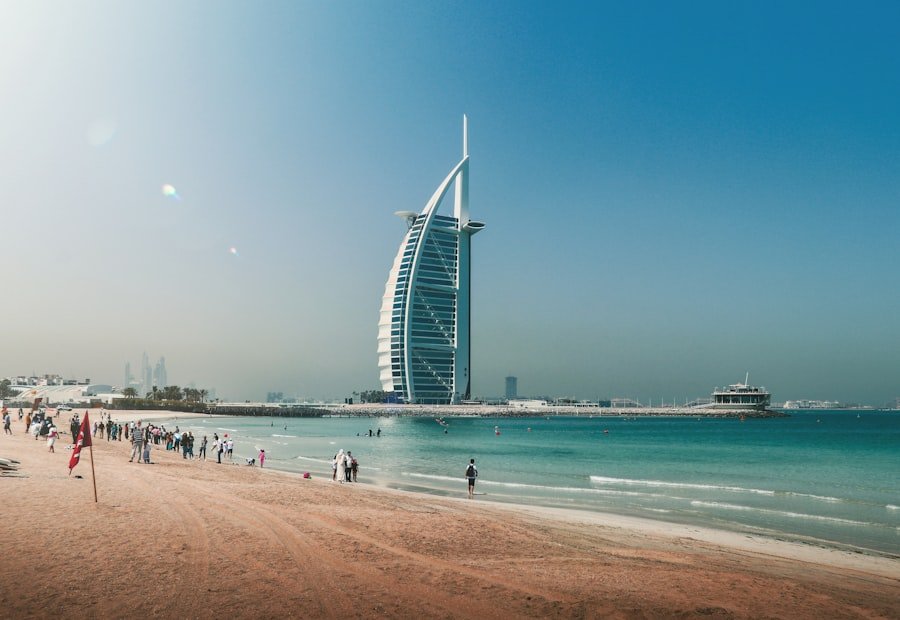
Personal-security planning should go beyond watching for pickpockets. Regional conditions can change quickly, and travelers should check a current government advisory before flying.
Warning: As of August 29, 2026, the U.S. Department of State lists the United Arab Emirates at Level 3: “Reconsider Travel” because of terrorism and armed-conflict risks. The advisory also describes potential drone or missile threats and disruption to commercial flights. Conditions can change rapidly, so check the latest advisory issued by your own government immediately before departure and during your trip.
U.S. travelers can review the current United Arab Emirates Travel Advisory. Travelers from other countries should check their own foreign ministry or equivalent agency.
For everyday security, keep your passport, payment cards, and valuables controlled, avoid leaving belongings unattended, and keep digital copies of important documents in secure storage.
Local laws may differ significantly from laws at home. Avoid photographing military, security, or other restricted facilities, and ask before taking close-up photographs of people. Respect instructions from police, security staff, and venue employees.
Useful UAE emergency numbers include:
- Police: 999
- Ambulance: 998
- Fire: 997
- Coastguard: 996
Health, Medication and Travel Insurance
Dubai’s heat is one of the most predictable health risks for visitors. Drink water regularly, use sunscreen, wear lightweight clothing, and reduce strenuous outdoor activity during the hottest part of the day. Do not underestimate heat exposure simply because taxis, hotels, malls, and attractions are air-conditioned.
If you take prescription medication, check UAE rules before packing it. Some narcotic, psychotropic, or otherwise controlled medicines can require supporting documentation and special procedures. UAE Ministry of Health and Prevention guidance explains the requirements for travelers carrying personal medicines.
Review the UAE Ministry of Health and Prevention medication guidance before traveling with controlled medication, and carry your prescription or medical documentation when required.
Travel medical insurance is also sensible even when it is not a condition of your particular entry route. If you are applying for a Dubai tourist visa, verify whether UAE-valid medical insurance is required for that visa category.
Local Cuisine and Dining Tips
Dubai’s dining scene reflects both Emirati traditions and the city’s large international population. Alongside restaurants representing cuisines from around the world, look for regional foods such as machboos, grilled meats and seafood, Arabic bread, dates, Arabic coffee, and sweet dishes such as luqaimat.
Food halls, casual cafeterias, bakeries, restaurants, and street-style dining areas can offer excellent value compared with luxury hotel restaurants. As with any destination, choose food vendors that appear clean, properly equipped, and busy enough to have regular turnover.
Tipping in Dubai is generally discretionary rather than governed by one fixed rule. Check whether a service charge has already been included and leave an additional tip when you feel the service deserves it.
During Ramadan, restaurant hours and service arrangements can change, although Dubai continues to provide many dining options for visitors. Follow the practices of the establishment you are using.
Must-See Attractions and Activities
Dubai combines modern landmarks, beaches, desert landscapes, shopping, and historic neighborhoods. First-time visitors usually get a better sense of the city by mixing modern Dubai with older areas rather than spending the entire trip inside malls and new developments.
Burj Khalifa and Downtown Dubai
Burj Khalifa is one of Dubai’s signature sights. If you want to visit an observation level, booking ahead can help you secure your preferred time. Downtown also places you close to Dubai Mall and other major attractions.
Old Dubai and Dubai Creek
Spend time around Dubai Creek and the historic districts to see a different side of the city. Traditional abra rides, souks, and heritage areas provide useful context for how Dubai developed long before its modern skyline became famous.
Museum of the Future and Modern Dubai
Dubai’s newer attractions showcase the city’s focus on architecture, technology, and large-scale visitor experiences. Popular timed-entry attractions can sell out, so check availability before your sightseeing day.
Beach and Desert Experiences
Dubai also offers public and resort beaches, watersports, desert excursions, and outdoor experiences. In hotter months, schedule desert and beach activities around the coolest parts of the day and use reputable licensed operators.
Markets, cultural events, festivals, and neighborhood walks can add depth to a visit. Rather than trying to check off every famous landmark, leave some time for Dubai Creek, local food, or a neighborhood you can explore at a slower pace.
Connectivity, Power and Practical Packing Tips
Dubai has extensive mobile and Wi-Fi connectivity, and travelers can purchase local SIM or eSIM service from UAE telecom providers. Compare current visitor packages before buying because data allowances and promotions change.
Dubai uses approximately 220-240V electricity and UK-style three-pin Type G plugs. Many modern phone and laptop chargers accept 100-240V automatically, but check the voltage printed on your device or charger. A plug adapter changes the plug shape; it does not convert voltage.
Useful items to pack include:
- Type G plug adapter if your devices use another plug type
- High-SPF sunscreen
- Reusable water bottle
- Lightweight breathable clothing
- A more modest outfit for religious or cultural visits
- Comfortable walking shoes
- Prescription documentation when needed
- Copies of passport, visa, insurance, and booking information
For additional reading already included with this article, see Delicious Homemade Cottage Cheese: A Simple and Healthy Recipe, Rock Legend Ozzy Osbourne Passes Away, and Exploring the Delightful World of Asian Melon.
Frequently Asked Questions
What are the visa requirements for traveling to Dubai?
Dubai visa requirements depend on your nationality. GCC citizens have separate entry arrangements, many other nationalities can receive a visa on arrival, and some travelers must arrange a visa before departure. UAE government guidance says passports generally need at least six months of validity from the entry date. Always verify your nationality’s current rules with UAE authorities before traveling.
What is the best time of year to visit Dubai?
November through April is generally the most comfortable period for outdoor sightseeing because temperatures are milder. Dubai remains open year-round, but summer temperatures often exceed 40°C, so visitors during the hottest months should focus on indoor attractions and schedule outdoor activities early or late in the day.
What currency is used in Dubai?
Dubai uses the United Arab Emirates dirham, officially abbreviated AED. The UAE government states that the currency is pegged to the U.S. dollar at USD 1 = AED 3.6725. Cards are widely useful, but keeping a small amount of cash is convenient.
What cultural norms and customs should I know in Dubai?
Wear respectful clothing in religious and cultural locations, keep swimwear to appropriate beach or pool settings, avoid excessive public displays of affection, and respect local laws regarding alcohol and public behavior. During Ramadan, be especially considerate of local religious practices and any venue-specific rules.
What are the main transportation options in Dubai?
Dubai offers Metro trains, buses, the Dubai Tram, marine transport, taxis, and app-based transportation. A nol card is used across several RTA public-transport services, while the S’hail app can help with journey planning.
Is English widely spoken in Dubai?
Yes. Arabic is the UAE’s official language, but English is widely used in Dubai, particularly at airports, hotels, restaurants, attractions, shopping centers, and transport services. Many road and commercial signs use both Arabic and English.
Is Dubai safe to visit in 2026?
Travelers should check a current government advisory rather than relying only on Dubai’s reputation for low everyday street crime. As of August 29, 2026, the U.S. Department of State rates the UAE Level 3: Reconsider Travel because of terrorism and armed-conflict risks. Security conditions and flight operations can change, so check again immediately before your trip.
Can I take prescription medicine into Dubai?
Many medicines can be carried for personal use, but controlled narcotic or psychotropic medicines can be subject to specific documentation and declaration requirements. Check the UAE Ministry of Health and Prevention rules for your exact medication before departure and carry the required prescription or medical report.
Do I need cash in Dubai?
You can use cards for many purchases in Dubai, but carrying a small amount of AED is useful for small purchases, tips, and occasional situations where card payment is inconvenient. Check your bank’s foreign transaction and ATM fees before traveling.
Sources
- UAE Government — Visa and Entry Permit Information — passport validity and nationality-dependent visa rules.
- Visit Dubai — Dubai Weather Guide — climate and seasonal trip planning.
- Dubai Roads and Transport Authority — Metro, bus, tram, marine transport, nol, and journey-planning information.
- UAE Government — The UAE National Currency — AED currency information and the U.S.-dollar peg.
- U.S. Department of State — UAE Travel Advisory — current security and armed-conflict advisory information.
- UAE Ministry of Health and Prevention — Travelers Carrying Personal Medicines — prescription and controlled-medication guidance.