Borough Market in Southwark is one of London’s best-known food markets and a rewarding stop whether you want a quick street-food lunch, specialist ingredients, fresh produce, or a look at a market whose history stretches back roughly 1,000 years. Food trading developed around the southern end of London Bridge centuries ago, while the present-day market site dates to 1756.
The market has changed dramatically over time. Its rise as a major fruit-and-vegetable wholesale centre came during the 19th century, helped by London’s rapid growth and the arrival of the railway. In the late 20th century, Borough Market reinvented itself as a destination for high-quality produce, specialist traders, restaurants, and prepared food.
Quick Answer
Borough Market is free to enter and normally trades Tuesday through Sunday beside London Bridge Station. Visit earlier on a weekday for easier browsing, or choose the weekend for a busier atmosphere. Allow about one to three hours depending on whether you are shopping, eating, or exploring the surrounding area.
Key Takeaways
- Borough Market traces its history back roughly 1,000 years and has occupied its current site since 1756.
- Regular trading is Tuesday to Sunday, although Bank Holiday and festive-period hours can differ.
- London Bridge Station is immediately beside the market and is served by the Jubilee line, Northern line, and National Rail.
- The three main areas are Three Crown Square, Green Market, and Borough Market Kitchen.
- Saturday afternoons can be especially busy, so an earlier weekday visit is usually easier if you prefer more space.
- Entry is free, but food and shopping costs vary widely, so setting a personal spending limit before you arrive can help.
Planning Your Visit to Borough Market
The first thing to check before visiting is the current trading schedule. Borough Market’s regular opening hours are:
| Day | Regular Hours |
| Monday | Closed |
| Tuesday | 10am–5pm |
| Wednesday | 10am–5pm |
| Thursday | 10am–5pm |
| Friday | 10am–5pm |
| Saturday | 9am–5pm |
| Sunday | 10am–4pm |
These are regular hours, not a guarantee for every date. Borough Market publishes separate schedules for Bank Holidays and the festive period, and individual traders do not necessarily attend every trading day. Check the official Borough Market visitor page shortly before you travel.
Note: December and Bank Holiday opening patterns can differ from the normal weekly schedule, so do not rely on standard hours for a holiday visit.
The official address is Borough Market, 8 Southwark Street, London, SE1 1TL. Give yourself at least an hour if you simply want to walk through and eat something. Two or three hours is more comfortable if you plan to compare traders, shop for ingredients, sit down for food, or explore nearby Southwark.
Getting to Borough Market: Transportation Options
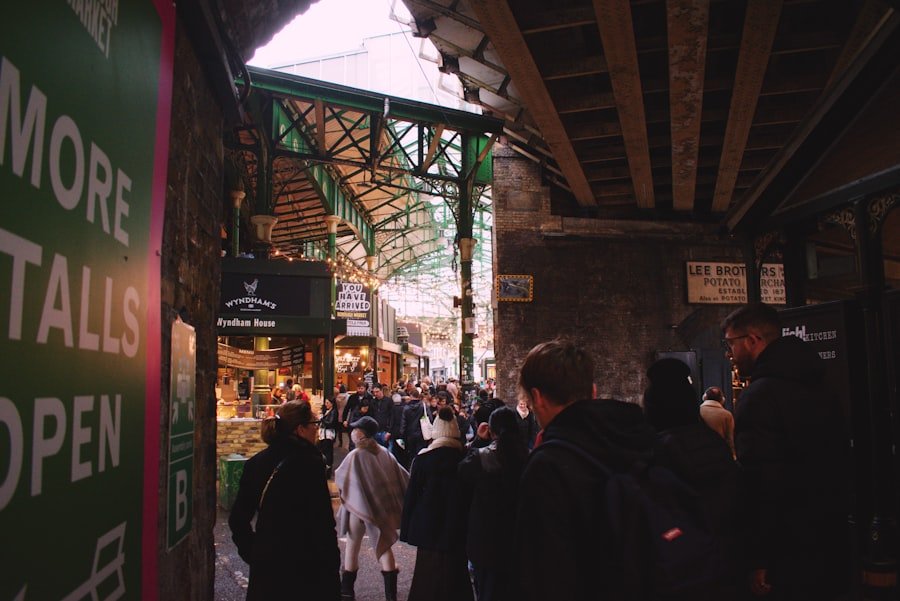
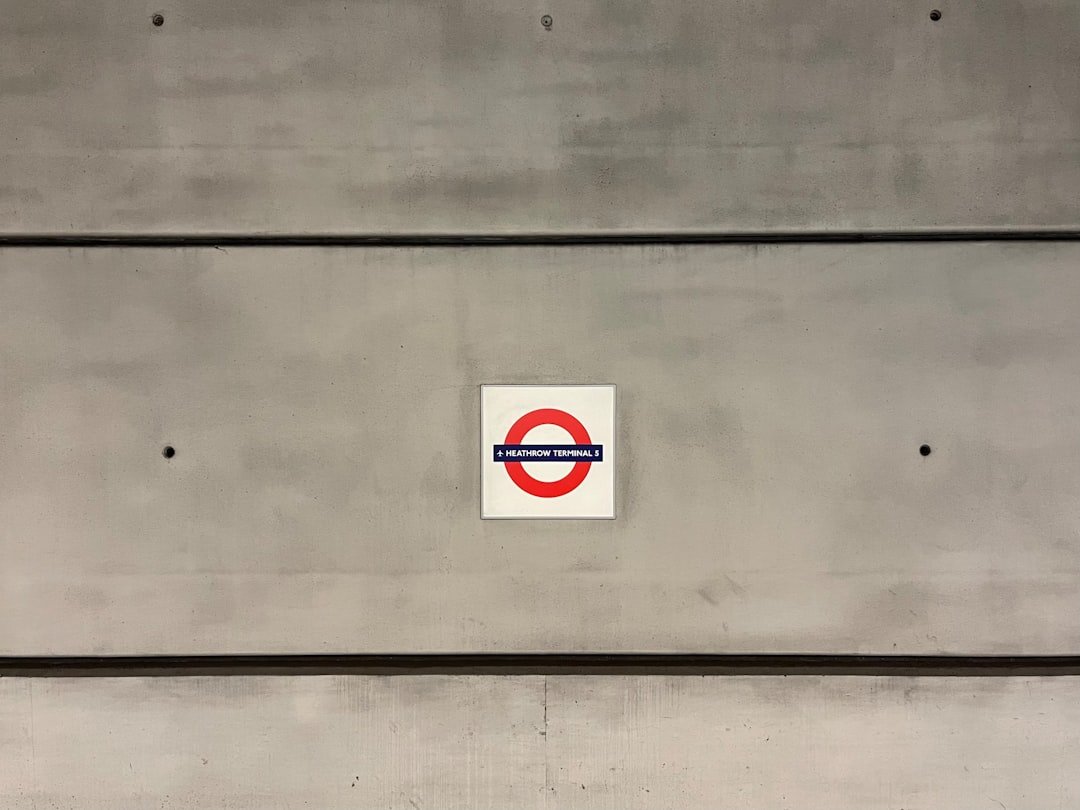
Borough Market is particularly easy to reach by public transport. London Bridge Station is immediately beside the market and is served by the Northern line, Jubilee line, and National Rail. For live Underground information, engineering works, and accessibility updates, check Transport for London’s London Bridge Station page.
The market’s official visitor information currently lists bus routes 17, 21, 35, 47, 133, and 343 as stopping within about a five-minute walk. London routes can change, so confirm your journey with TfL before leaving.
Cycling is also possible. Bike racks are available in the Green Market and on Stoney Street. Bikes, scooters, and roller skates should not be ridden through the market itself, so dismount before entering the trading areas.
If you prefer walking, Borough Market is within easy reach of several central London attractions around Southwark and the Thames. Visitors arriving by river service can also check current pier services near London Bridge and complete the final section on foot.
Navigating Borough Market: Layout and Must-See Areas
Borough Market currently describes three main areas, each with a different emphasis.
- Three Crown Square: home to larger produce traders, merchants, and many of the market’s traditional food-shopping stands.
- Green Market: focused on smaller and more specialist produce traders.
- Borough Market Kitchen: the main street-food area, making it a useful starting point when your priority is ready-to-eat food.
Restaurants, bars, shops, and additional food businesses surround these main trading areas, so the market experience extends beyond the covered stalls themselves.
Instead of trying to follow a rigid route, make one slow circuit before buying your first full meal. This gives you time to compare what is available, note queues, and decide which foods are worth returning for.
Pro Tip: If food is your main priority, look around first and buy second. It is easy to fill up at the first appealing stall and then discover something you would rather have tried a few minutes later.
Timing Your Visit: Best Days and Hours to Go
The best time depends on the atmosphere you want. Borough Market’s own accessibility guidance warns that visitor numbers can be high at peak times, particularly on Saturday afternoons.
For easier walking and shorter queues, try Tuesday through Friday soon after opening. Weekends generally offer a livelier atmosphere but require more patience in narrow passages and around popular food traders.
Sunday is a normal market day rather than a special-event-only day. It can therefore work well for a weekend visit, although the regular closing time is earlier than Saturday.
Special events can change the experience considerably. Borough Market hosts food events, showcases, demonstrations, interviews, family activities, and masterclasses at different times of year. Check the official Borough Market events calendar if you would like to coordinate your visit with a scheduled activity.
Budgeting for Borough Market: Tips for a Wallet-Friendly Experience
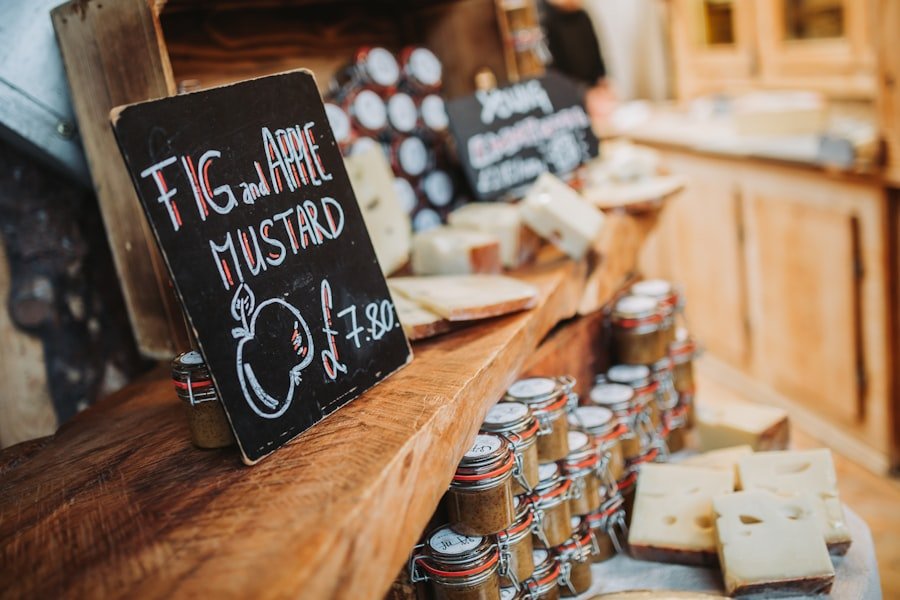
There is no entrance fee, so your budget is largely determined by what you eat and buy. A visit can remain inexpensive if you mainly browse, while a meal plus specialty groceries can increase the total quickly.
A practical approach is to decide your spending limit before arriving. If several foods interest you, share dishes with a companion or choose smaller items where a trader offers them. Avoid assuming that free samples or off-peak discounts will be available; they vary by trader and should be treated as a bonus rather than part of your plan.
Payment arrangements can also vary between businesses. Cards and contactless payments are common across London, but carrying a backup payment method is sensible when visiting a market made up of independent traders.
Borough Market has installed water fountains as part of its sustainability work, so bringing a reusable bottle can help reduce both spending and disposable packaging.
Exploring the Culinary Delights: Must-Try Foods and Drinks
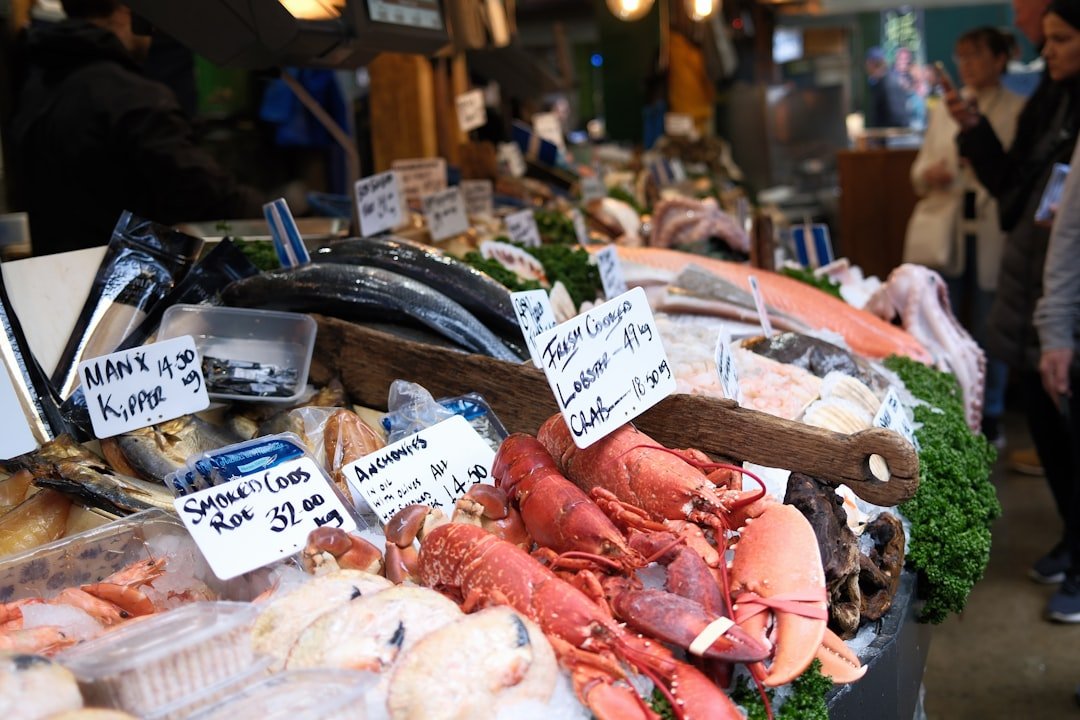
Borough Market’s appeal comes from variety rather than one single food that every visitor must eat. Depending on the day and current trader lineup, you can find fresh produce, baked goods, cheese, meat, seafood, prepared street food, desserts, drinks, and specialist ingredients from Britain and abroad.
If you are visiting for lunch, compare a few prepared-food traders before choosing. Cheese-based dishes, sandwiches, pastries, breads, meat dishes, vegetarian food, sweets, and international street food are all common reasons people come to the market.
For shoppers, the experience can be just as rewarding. Talk to produce, cheese, bakery, meat, fish, and specialty-food traders about how they recommend storing, serving, or preparing what they sell. Specific traders and products change over time, so the official trader directory is a better source for planning around a particular food than an old list of “must-try” dishes.
Food Allergies and Dietary Needs
If you have a food allergy, intolerance, religious dietary requirement, or other restriction, speak directly with the trader before ordering. Do not assume that a dish is safe based only on its name or appearance.
Ask about ingredients, preparation methods, and possible cross-contact. In a busy market environment where many foods are prepared close together, the trader serving the food is the best person to explain what they can safely accommodate.
Engaging with Local Vendors: Etiquette and Best Practices
Good market etiquette is simple. Wait your turn, keep narrow walkways clear, and move away from the front of a busy stall once you have completed your purchase.
Traders often know their products extremely well, so thoughtful questions are welcome when the stall is not overwhelmed with customers. Ask about ingredients, origin, preparation, storage, seasonality, or how a product is best served.
If samples are being offered, follow the trader’s instructions rather than assuming everything on display is available to taste. During the busiest periods, keep questions concise so other customers can be served.
Tipping is not something you need to build into a Borough Market visit. Simply pay the stated price unless a restaurant or food business clearly presents a separate service-charge or tipping option.
Taking Advantage of Borough Market Events and Workshops
Borough Market runs a changing programme of events rather than one fixed weekly workshop schedule. Depending on the season, this can include demonstrations, tastings, discussions, masterclasses, showcases, and activities aimed at families.
Because dates and formats change, check the official events calendar instead of planning around an event mentioned in an older travel guide. Some activities may require advance booking even though entry to the market itself is free.
The market also offers official licensed tours led by expert guides. These can be useful if you want more historical and food-related context than you would get from an independent walk around the stalls.
Supporting Sustainable and Ethical Practices at Borough Market
Borough Market operates as a charitable trust and states that sustainability, traceability, quality, animal welfare, accessibility, and social responsibility form part of how it selects and works with traders.
The market says applicants are expected to demonstrate sustainable and traceable food production, reduce unnecessary waste and packaging, and deal fairly with suppliers and staff. Its estate has also introduced measures including water fountains, biodegradable bags, solar panels, and waste-management initiatives.
You can support those goals by bringing a reusable shopping bag and water bottle, avoiding unnecessary disposable packaging, buying only what you expect to use, and asking traders about sourcing when that matters to your purchasing decision.
For more detail, see Borough Market’s official explanation of how the market works.
Accessibility and Practical Facilities
Borough Market’s public spaces are on a single ground-floor level, so visitors do not need lifts or stairs to move through the main market. However, the historic site contains several surface types, including cobbles, and some areas may be harder to navigate with a wheelchair, mobility aid, or pushchair.
Passage widths vary, and congestion can make movement more difficult at peak times. If accessibility is important to your visit, arriving outside the busiest Saturday-afternoon period can make the experience more comfortable.
Public toilets, including accessible toilets, are available during trading hours. Borough Market states that accessible WCs with emergency pull strings are provided in several locations and do not require a Radar key.
The Borough Market Store near the main entrance is also a useful place to request accessibility information when you arrive.
Making the Most of Your Borough Market Experience: Insider Tips and Recommendations
Arriving earlier in the day gives you more room to look around and reduces the chance that a popular prepared item will be unavailable later. It is particularly useful if you are visiting to shop for produce or ingredients rather than simply eating lunch.
Do not feel that you need to buy from every stall that catches your eye. Walk through the market once, decide what interests you most, and then return to your shortlist.
If you are visiting with a dog, Borough Market permits dogs as long as they are carried or kept on a lead. Individual restaurants, bars, and shops can have their own pet restrictions, and the market advises avoiding very busy periods with dogs.
Finally, stay flexible. The traders present, seasonal foods, events, queues, and atmosphere can differ from one visit to the next. That changing mix is part of what makes Borough Market worth exploring rather than treating it as a fixed checklist.
If you’re a fan of exploring unusual produce and ingredients sold in food markets, you may also enjoy reading about the delightful world of Asian melon in this article. It looks at the flavors and varieties of a fruit widely used across different Asian cuisines.
Frequently Asked Questions
What is Borough Market?
Borough Market is a historic food market in Southwark, London. It combines produce traders, specialist food sellers, prepared street food, shops, restaurants, and other food businesses. Its history stretches back roughly 1,000 years.
Where is Borough Market located?
Borough Market is at 8 Southwark Street, London, SE1 1TL, immediately beside London Bridge Station and close to the River Thames.
What are the opening hours of Borough Market?
Regular opening hours are Tuesday to Friday 10am–5pm, Saturday 9am–5pm, and Sunday 10am–4pm. The market is normally closed on Monday. Bank Holiday and festive-period schedules can differ, so check the official visitor page before travelling.
Is there an entrance fee to visit Borough Market?
No. Borough Market is free to enter. You only pay for the food, drinks, products, tours, or ticketed activities you choose to purchase.
What can I expect to find at Borough Market?
Expect fresh produce, baked goods, cheese, meat, seafood, specialty ingredients, desserts, drinks, prepared street food, restaurants, and products from British and international food traditions. The exact trader mix can vary by day.
What is the best time to visit Borough Market?
For easier browsing, visit Tuesday through Friday reasonably close to opening time. Saturday is popular and can become particularly crowded in the afternoon. Weekend visitors should allow extra time for queues.
Is Borough Market wheelchair accessible?
The main public market spaces are on ground level, but the historic site includes cobbles and other uneven surfaces. Passage widths also vary. Accessible toilets are available during trading hours.
Does Borough Market have public toilets?
Yes. Public toilets, including accessible toilets, are available for customers during market trading hours.
Are dogs allowed at Borough Market?
Yes. Dogs must be kept on a lead or carried and should not be left unattended. Some individual restaurants, bars, and shops may not allow pets, so check before entering.
Are there any tips for visiting Borough Market?
Arrive earlier if you want fewer crowds, walk through the market once before deciding what to eat, ask traders directly about allergies or dietary needs, bring a reusable water bottle, and check current opening hours before travelling.
Sources
- Borough Market — Visit Us — current opening hours, address, transport, main market areas, accessibility, and visitor facilities.
- Borough Market — Our Story — historical timeline, current-site history, and the market’s development.
- Borough Market — Frequently Asked Questions — toilets, accessibility, dogs, bicycles, parking, and other visitor policies.
- Borough Market — What’s On — current events, demonstrations, showcases, and masterclasses.
- Borough Market — How We Work — sustainability, traceability, trader standards, waste, and community commitments.
- Transport for London — London Bridge Underground Station — Underground services, station facilities, and live travel information.