Bath is close enough to London for a rewarding day trip, but the right transport choice makes a big difference. Bath is roughly 100 miles west of London, while the road distance from a specific London starting point can be higher. For most day-trippers, a direct train is the fastest and simplest option; coaches cost less on many dates, while driving gives you flexibility but adds traffic and parking considerations.
Quick Answer
Travel from London to Bath is easiest by direct Great Western Railway train from London Paddington to Bath Spa, taking about 1 hour 20 minutes. National Express coaches are usually slower but can be much cheaper, while driving adds traffic and parking considerations. For a day trip, book key attractions and return travel before you go.
Key Takeaways
- Direct GWR trains from London Paddington to Bath Spa normally take about 1 hour 20 minutes, making rail the best option for most day trips.
- National Express runs direct coaches from London Victoria to Bath, with the fastest scheduled journeys around 2 hours 50 minutes.
- Bath Spa railway station and Bath Bus Station are both in the city centre, so most major attractions can be reached on foot.
- If you drive, the usual approach is via the M4, Junction 18 and the A46. Bath’s Park & Ride services can be easier than city-centre parking.
- Book popular attractions in advance, especially the Roman Baths, and check your return train or coach before starting a full-day itinerary.
- Bath works well as a day trip, but an overnight stay gives you more time for museums, restaurants, shopping and Thermae Bath Spa.
Before setting off, consider the season and anything special happening in Bath. Summer and school holidays can mean larger crowds, while winter is often quieter but colder and wetter. Festivals can also change demand considerably; for example, Bath hosts major cultural events throughout the year. Checking the city’s event calendar before booking can help you avoid unexpectedly busy dates or choose a festival you actually want to attend.
It also helps to decide what matters most before you arrive. The Roman Baths, Bath Abbey and Royal Crescent are the classic first-time sights. If you have a full weekend rather than one day, you can add the Jane Austen Centre, the Holburne Museum, Thermae Bath Spa, shopping, a longer meal and some of Bath’s surrounding countryside without racing the clock.
Choosing the best mode of transportation
Train, coach and car are the main practical ways to travel from London to Bath. Your best option depends on whether you value speed, price or flexibility.
| Option | Typical journey | Best for | Main drawback |
| Direct train | About 1 hour 20 minutes from London Paddington to Bath Spa | Day trips, speed and convenience | Flexible or peak-time tickets can be expensive |
| Coach | Fastest National Express services are around 2 hours 50 minutes | Budget-focused travelers | Longer journey and road-traffic delays |
| Car | Traffic-dependent; allow roughly 2.5 to 3 hours from central London in normal conditions | Groups, luggage and countryside detours | London/M4 traffic plus Bath parking |
Taking the train from London to Bath
For most visitors, the train is the easiest choice. Great Western Railway operates direct services from London Paddington to Bath Spa. GWR currently lists the journey at around 1 hour 20 minutes, with its fastest services taking about 1 hour 19 minutes.
On an average weekday, GWR says roughly 72 trains run between the two stations, which generally means a service about every 30 minutes. Weekend and public-holiday timetables can differ, especially when engineering work affects the route.
Fastest practical choice: the direct London Paddington to Bath Spa train normally reaches the centre of Bath in about 1 hour 20 minutes.
Traveling from London to Bath by coach
A coach is worth considering when price matters more than journey time. National Express operates direct Route 403 services from London Victoria Coach Station to Bath Bus Station. Current journey information lists the fastest trip at about 2 hours 50 minutes, although traffic can make individual journeys longer.
National Express has advertised limited one-way fares from £5.40 on this route in 2026, but that is not a guaranteed fare for every departure. Check your date before comparing the coach with the train.
Driving from London to Bath
Driving provides the most flexibility if you are traveling with several people, carrying luggage or planning to explore villages and countryside outside Bath. However, it is usually less convenient for a simple city-centre day trip.
The M4 runs west from London, but Bath is not directly on the motorway. Visit Bath notes that the city is about 10 miles from M4 Junction 18. The usual approach from London continues from Junction 18 toward Bath on the A46.
Traffic can vary dramatically depending on where in London you start, the day of the week and conditions on the M4. A run that looks straightforward on a map can take much longer during commuter periods, Friday afternoons or busy holiday weekends.
Driving note: Bath has a Clean Air Zone. Ordinary cars and motorbikes are not charged, regardless of their emissions, but some vans, pickups, campervans, taxis, private-hire vehicles, buses, coaches and heavier vehicles can be chargeable. Check your specific vehicle on the official Bath & North East Somerset Council Clean Air Zone page before entering the city.
Bath can also become congested, and central parking is paid. Drivers should consider one of the city’s three Park & Ride sites—Newbridge, Lansdown or Odd Down—and finish the trip by bus.
Pro Tip: If Bath itself is your only destination, take the train. If you want Bath plus villages or countryside in the same trip, a car becomes more useful.
Understanding the different travel options available
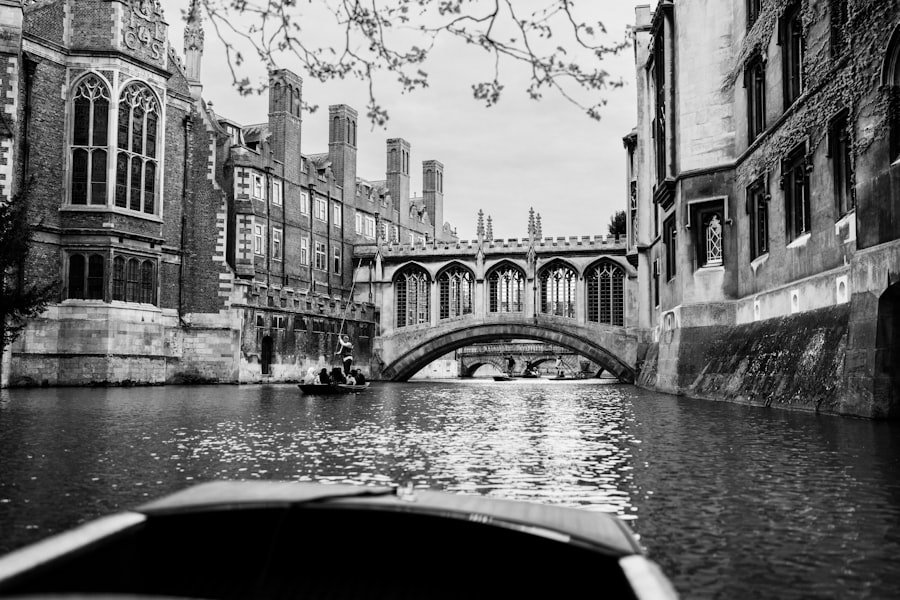
Your London departure and Bath arrival points matter almost as much as the journey time. Direct trains leave from London Paddington and arrive at Bath Spa. Direct National Express coaches use London Victoria Coach Station and Bath Bus Station.
Bath Spa railway station and the main bus station are both in the city centre. That is a major advantage for a day trip because you can begin sightseeing almost immediately rather than spending extra time transferring from an airport-style terminal on the edge of town.
Bath is compact enough that many first-time visitors do not need local transportation at all. The Roman Baths and Bath Abbey are only a short walk from the station, and landmarks such as the Circus and Royal Crescent can be reached on foot from the historic centre.
If you hire a car, you gain the option to add countryside stops. The Cotswolds can be attractive for a longer trip, but adding rural detours to a one-day London–Bath itinerary will substantially reduce your sightseeing time in Bath. Save those detours for a long day with an early start or, preferably, an overnight trip.
Booking your tickets in advance
Advance planning can save money and, just as importantly, protect your itinerary from sold-out time slots.
Train tickets
Train prices vary by departure, ticket type and flexibility, so there is no dependable universal “average return fare.” GWR recommends checking Advance tickets and traveling Off-Peak or Super Off-Peak when your schedule allows. Railcards can also reduce eligible fares.
You can check routes through National Rail or retailers such as Trainline, but booking directly through GWR is straightforward and GWR advertises no booking fee. Before buying a pair of Advance singles, compare them with any flexible return ticket available for your planned times.
Advance tickets normally tie you to specific trains, so check the conditions carefully. If your day in Bath could run late, paying slightly more for suitable flexibility may be worthwhile.
Coach tickets
Coach fares also vary. Low promotional fares can disappear as a service fills, so book early if the coach is your budget option. Confirm both the London departure point and your Bath return time before paying.
Attraction tickets
Do not plan transportation without checking attraction availability. Visit Bath recommends advance booking for major attractions, particularly when demand is high. Reserving your Roman Baths time before choosing a tight return train makes it easier to build the rest of the day around a fixed anchor.
Note: Timetables, fares and attraction hours change. Recheck your transport and ticketed attractions shortly before the trip, even if you booked months earlier.
Packing essentials for your trip
Bath is best explored on foot, so comfortable walking shoes should be near the top of your packing list. The centre includes cobbled, paved and occasionally uneven surfaces, and a sightseeing day can add up to several miles of walking.
Check Bath’s weather forecast before leaving London. Layers work well because conditions can shift during the day. A light waterproof jacket or compact umbrella is useful in England even when prolonged rain is not forecast.
A portable phone charger is another practical item. You may rely on your phone for railway updates, attraction tickets, maps, photographs and restaurant bookings, so a flat battery can become more than a minor inconvenience.
Carry a reusable water bottle and any personal essentials you will need throughout the day. If your attraction tickets or transport reservations use QR codes, save them somewhere accessible or take screenshots so they are available even if your mobile connection becomes unreliable.
Making the most of your time in Bath
Bath’s compact layout makes a full day surprisingly productive. Prioritize two or three paid attractions and combine them with free architectural sights rather than trying to enter every museum in the city.
Example London to Bath day-trip itinerary
- Morning: Take an early direct train from London Paddington and walk from Bath Spa to the Roman Baths.
- Late morning: Spend roughly 1.5 to 2 hours at the Roman Baths, then visit Bath Abbey next door.
- Lunch: Stop in the central area rather than crossing the city for a restaurant reservation.
- Early afternoon: Walk through the historic streets toward the Circus and Royal Crescent.
- Mid-afternoon: Choose one additional attraction such as the Jane Austen Centre or Holburne Museum rather than attempting everything.
- Late afternoon: Allow time to wander, shop, have coffee or return to a favorite area.
- Evening: Head back toward Bath Spa with enough buffer for your booked return train.
This order is only a framework. Attraction reservations and the train timetable for your travel date should determine your exact schedule.
If you want a slower meal, a thermal-spa session and several museums, stay overnight. A weekend gives you room for spontaneous discoveries instead of treating every stop like an appointment.
Exploring the sights and attractions in Bath
The Roman Baths
The Roman Baths are the city’s best-known archaeological attraction and one of the strongest reasons to make the trip from London. The site preserves major remains of the Roman bathing complex and displays archaeological finds connected with Roman Bath.
According to the official Roman Baths visitor information, autumn opening hours from 1 September to 31 October 2026 are 9am to 6pm, with last admission at 5pm. Opening hours change seasonally, so check again for your own date.
Important: You cannot swim in the historic Roman Baths. The water there is untreated. If you want to bathe in Bath’s thermal water, Thermae Bath Spa is a separate modern attraction.
Bath Abbey
Bath Abbey stands immediately beside the Roman Baths, making the two attractions easy to combine. Inside, visitors can see the church’s architecture, stained glass and stonework.
If you want elevated views, Bath Abbey Tower Tours operate Monday to Saturday subject to availability. The tower involves confined stairways and physical climbing, and the Abbey advises that the experience may not suit people with poor mobility, claustrophobia, vertigo or certain health concerns. Secure footwear is required.
The Royal Crescent and the Circus
The Royal Crescent is one of Bath’s defining Georgian landmarks: a sweeping curved terrace of honey-colored townhouses facing a broad lawn. Nearby, the Circus forms another striking piece of Georgian urban design.
Walking to these landmarks is part of the experience. From the central attractions, the route takes you through some of Bath’s most attractive historic streets, so there is little reason to use a taxi unless mobility or weather makes walking difficult.
The Jane Austen Centre
Readers interested in Jane Austen and Regency-era Bath can visit the Jane Austen Centre on Gay Street. The attraction explores Austen’s life, work and relationship with Bath. Current visitor information recommends advance booking, particularly during busy periods.
The Holburne Museum
Art lovers can add the Holburne Museum at the end of Great Pulteney Street. The museum describes itself as Bath’s first art museum and combines collections and temporary exhibitions in a Grade I-listed building. Current visitor information lists Monday-to-Saturday opening from 10am to 5pm and Sunday/Bank Holiday opening from 11am to 5pm, but check for changes before traveling.
Thermae Bath Spa
Thermae Bath Spa is the modern option for visitors who actually want to bathe in Bath’s thermal water. It should not be confused with the Roman Baths museum. The spa’s current visitor information lists the main New Royal Bath as open from 9am to 9:30pm on normal operating days, with pools and the Wellness Suite closing at 9pm.
The minimum age for general admission is 16, and treatment age restrictions are higher, so families with younger children should plan accordingly.
Tips for a smooth and enjoyable journey
- Check transport again before leaving: engineering work, road congestion, cancellations and timetable changes can affect even a carefully planned day.
- Allow a station buffer: arrive early enough to find your platform without rushing, especially at London Paddington.
- Book the hardest attraction first: build the rest of your itinerary around a timed Roman Baths or other must-see reservation.
- Do not over-plan: Bath’s streets and architecture are part of the attraction, so leave time simply to walk.
- Use Park & Ride if driving: it can reduce the stress of searching for a central parking space.
- Keep your return journey visible: set a phone reminder for when you need to start walking back to Bath Spa or Bath Bus Station.
- Ask locally: attraction staff and hospitality workers can be useful sources for nearby restaurants and less obvious sights.
If you want a homemade snack for the journey, the original article also linked to this homemade cottage cheese recipe. It also included optional, unrelated reading about Asian melon and a report on the death of Ozzy Osbourne. These are not travel-planning sources; use the official transport and attraction links in this guide for current London-to-Bath information.
Frequently Asked Questions
What are the transportation options for traveling from London to Bath?
The main options are direct train, coach and car. GWR trains from London Paddington to Bath Spa are usually the fastest choice. National Express coaches from London Victoria are normally slower but can be cheaper. Driving offers flexibility but adds London and M4 traffic plus Bath parking considerations.
How long does it take to travel from London to Bath by train?
GWR currently lists London Paddington to Bath Spa journeys at around 1 hour 20 minutes, with the fastest services taking about 1 hour 19 minutes. Weekend, holiday and engineering-work schedules can take longer.
How much does the train from London to Bath cost?
There is no reliable single average fare. Prices depend on your travel time, ticket restrictions, how early you book and whether you have an eligible Railcard. Compare Advance tickets with Off-Peak or Super Off-Peak options on GWR or National Rail for your exact date.
Are there direct coach services from London to Bath?
Yes. National Express Route 403 runs direct between London Victoria Coach Station and Bath Bus Station. Its fastest scheduled journeys are around 2 hours 50 minutes, although traffic can make the trip longer.
Is it recommended to drive from London to Bath?
Driving makes sense if you are traveling as a group, carrying substantial luggage or adding countryside stops. For a simple Bath day trip, the train is usually easier because Bath is compact and city-centre parking is paid. Drivers can use Park & Ride services instead of parking centrally.
What are some popular attractions to visit in Bath?
First-time visitors commonly prioritize the Roman Baths, Bath Abbey, the Royal Crescent and the Circus. Depending on your interests and available time, you can also visit the Jane Austen Centre, Holburne Museum or Thermae Bath Spa.
Is Bath a good day trip from London?
Yes. A direct train takes about 1 hour 20 minutes and Bath Spa station is in the city centre. A full day is enough for the Roman Baths, Bath Abbey, Georgian landmarks, lunch and one additional attraction if you plan your major bookings in advance.
Which London and Bath stations should I use?
For the fastest direct rail route, travel from London Paddington to Bath Spa. Direct National Express coaches normally leave from London Victoria Coach Station and arrive at Bath Bus Station, next to the railway station area.
Can you swim in the Roman Baths?
No. Swimming is not permitted in the historic Roman Baths because the water is not treated for bathing. Thermae Bath Spa is the separate modern attraction where eligible visitors can bathe in Bath’s natural thermal water.
Sources
- Great Western Railway — London to Bath — direct train operator, journey time and service frequency.
- National Express — London to Bath — direct coach service, journey time and fare information.
- Visit Bath — Travelling to Bath — official destination guidance for rail, road, walking and Park & Ride.
- Roman Baths — Visit — current opening hours, location and visitor information.
- Bath & North East Somerset Council — Clean Air Zone — vehicle charging rules for drivers entering Bath.
- Bath Abbey — Tower Tours — tour availability, visitor restrictions and safety guidance.